

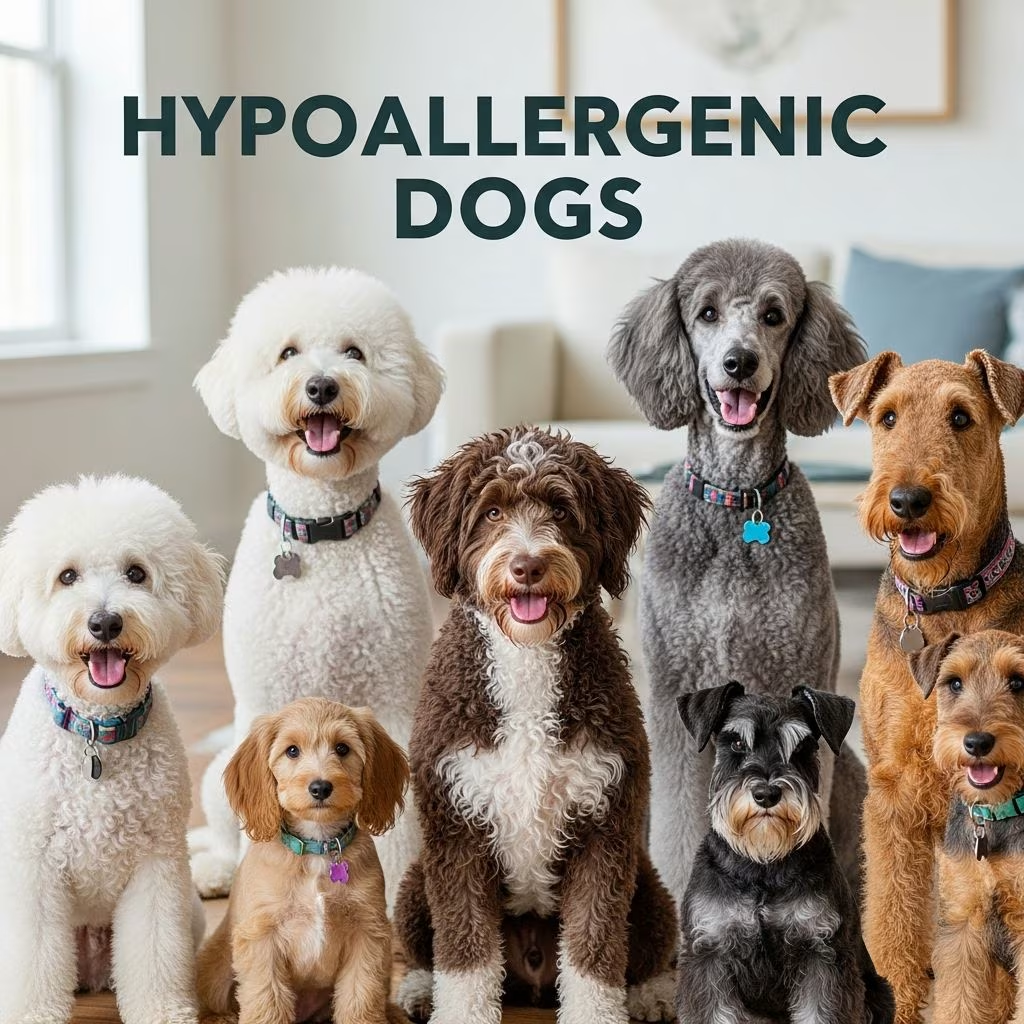
No dog breed is truly hypoallergenic, meaning completely free of allergens that trigger reactions in sensitive individuals. However, certain breeds shed less, trap dander in their coats, and may cause fewer allergy symptoms for some people. This guide explores what makes a dog “hypoallergenic,” top breeds to consider, management strategies, and expert insights to help allergy sufferers enjoy canine companionship.
What Does “Hypoallergenic” Really Mean for Dogs?
The term “hypoallergenic” is often misunderstood. It refers to products or animals that produce fewer allergens rather than none at all. Dog allergens primarily come from proteins in dander (dead skin flakes), saliva, urine, and even hair. These can become airborne, triggering symptoms like sneezing, itchy eyes, coughing, or skin rashes in allergic individuals.
According to major health organizations, including the Mayo Clinic and the American Academy of Allergy, Asthma, and Immunology, no dog breed is truly hypoallergenic. Reactions vary by person, and even low-shedding dogs can provoke symptoms due to saliva or skin proteins. Individual testing—spending time with a specific dog—is the only reliable way to confirm compatibility.
Pet ownership benefits outweigh risks for many. Studies show dogs in the home can reduce asthma risk in children and provide emotional support. For allergy sufferers, selecting the right breed and implementing allergen reduction strategies can make cohabitation feasible.
What Makes a Dog More Suitable for Allergy Sufferers?
Several coat and skin characteristics influence allergen levels:
- Low-shedding coats: Breeds with curly, wiry, or corded hair shed less, keeping dander contained rather than dispersing it into the air.
- Hair instead of fur: Some dogs grow hair like humans, requiring regular grooming but reducing loose fur.
- Minimal dander production: Less skin flaking means fewer airborne particles.
- Low saliva spread: Breeds that don’t lick excessively or drool minimize saliva allergens.
However, science shows homes with “hypoallergenic” dogs still have comparable Can f 1 (primary dog allergen) levels to those with high-shedding breeds. Genetics play a role, but no breed guarantees zero reaction.
Top Hypoallergenic Dog Breeds
Here are popular breeds often recommended for their low-shedding traits. Always meet the individual dog and consult an allergist.
Poodle (Toy, Miniature, Standard)
Poodles top the list due to their dense, curly coat that traps dander effectively. They shed minimally and are highly intelligent, making them trainable for allergy-friendly homes. Regular clipping every 4-6 weeks prevents matting. Sizes suit apartments (Toy) to active families (Standard).
Labradoodle and Goldendoodle
These designer hybrids combine Poodle low-shedding with Labrador or Golden Retriever friendliness. Not all inherit the coat—only F1b generations (second-gen with Poodle parent) are more reliable. They’re energetic family dogs but need space and exercise.
Bichon Frisé
Small, cheerful, and non-shedding, Bichons have a fluffy coat requiring frequent grooming. Ideal for apartments, they’re affectionate but can be vocal. Their powder-puff look hides effective allergen containment.
Shih Tzu
Long-haired companions with a luxurious coat that traps allergens. Friendly and low-energy, they’re great for small spaces but prone to eye and breathing issues due to brachycephalic (flat) faces.
Schnauzer (Miniature, Standard, Giant)
Wiry, double coats need hand-stripping or clipping. Alert and protective, all sizes offer low shedding. Giants suit farms; minis fit apartments.
Maltese
Silky, floor-length hair demands daily brushing. Tiny and loving, they’re surprisingly resilient despite delicate appearance.
Other notables: Portuguese Water Dog, Soft Coated Wheaten Terrier, Yorkshire Terrier, and hairless breeds like Chinese Crested. Avoid heavy shedders or droolers like Labradors, German Shepherds, or Mastiffs.
Are Mixed Breeds or Designer Dogs Better?
Designer crosses like Cockapoos or Bernedoodles gained popularity in the 1950s for blending traits. However, genetics are unpredictable—a low-shedding parent doesn’t guarantee it in offspring. Shelters often have these mixes at lower costs, providing happy endings for allergy-aware adopters.
Tips to Reduce Allergens in Your Home
Even with a low-shedding breed, proactive steps minimize symptoms:
- Bathe your dog weekly with allergen-reducing shampoo to remove dander and saliva.
- Use HEPA air purifiers and vacuum with HEPA filters frequently.
- Wash bedding in hot water weekly; keep dogs off furniture/beds.
- Groom regularly to trap loose hair before it spreads.
- Wipe paws and coat after walks to remove pollen/dust.
- Maintain low humidity (30-50%) to limit dust mites.
Medications like antihistamines or immunotherapy can help severe cases. Consult a vet for breed-specific health needs.
Best Hypoallergenic Dogs for Families
Poodles, Doodles, and Portuguese Water Dogs excel with kids—playful yet gentle. Their activity matches family lifestyles and may lower children’s allergy risks. Always supervise due to size differences.
| Breed | Size | Energy Level | Family Fit | Grooming Needs |
|---|---|---|---|---|
| Poodle | Toy to Standard | High | Excellent | High |
| Labradoodle | Medium-Large | High | Excellent | Medium-High |
| Bichon Frisé | Small | Medium | Good | High |
| Shih Tzu | Small | Low | Good | High |
| Maltese | Toy | Medium | Good | Very High |
Health Considerations for Hypoallergenic Breeds
Low-shedders often need intensive grooming, risking skin issues if neglected. Brachycephalic breeds like Shih Tzu face respiratory challenges. Choose reputable breeders or rescues emphasizing health testing. Proteomic studies confirm no breed lacks allergens entirely.
Frequently Asked Questions (FAQs)
Are there truly hypoallergenic dogs?
No, per allergy experts—no breed eliminates reactions fully. Low-shedders help some people.
What is the best hypoallergenic dog for apartments?
Bichon Frisé, Maltese, or Miniature Poodle—small, low-shedding, adaptable.
Do Doodles always shed less?
No, coat type varies; test individually.
Can hypoallergenic dogs still cause allergies?
Yes, via saliva/urine; management is key.
How to test if a breed suits my allergies?
Spend extended time with the dog; trial fosters recommended.
Adopting a Hypoallergenic Dog
Shelters brim with mixes—cheaper, varied, and rewarding. Prioritize health over labels. With preparation, allergy sufferers can thrive with dogs.
References
- Best Hypoallergenic Dog Breeds: Dogs That Don’t Shed a Lot — Kinship. 2023. https://www.kinship.com/dog-lifestyle/best-hypoallergenic-dog-breeds
- Hypoallergenic Dogs — Whole Dog Journal. 2023-10-01. https://www.whole-dog-journal.com/lifestyle/hypoallergenic-dogs/
- The Truth About Hypoallergenic Pets and How to Reduce Pet Allergens — Animal Medical Center of New York. 2024-04-03. https://www.amcny.org/blog/2024/04/03/the-truth-about-hypoallergenic-pets-and-how-to-reduce-pet-allergens/
- Hypoallergenic animals: A promise of hope for allergic patients? — National Institutes of Health (PMC). 2024. https://pmc.ncbi.nlm.nih.gov/articles/PMC10975736/
- Are Hypoallergenic Dog Breeds Good for Pet Parents with Allergies? — Adopt-a-Pet. 2023. https://www.adoptapet.com/blog/breeds/about-hypoallergenic-dog-breeds



