

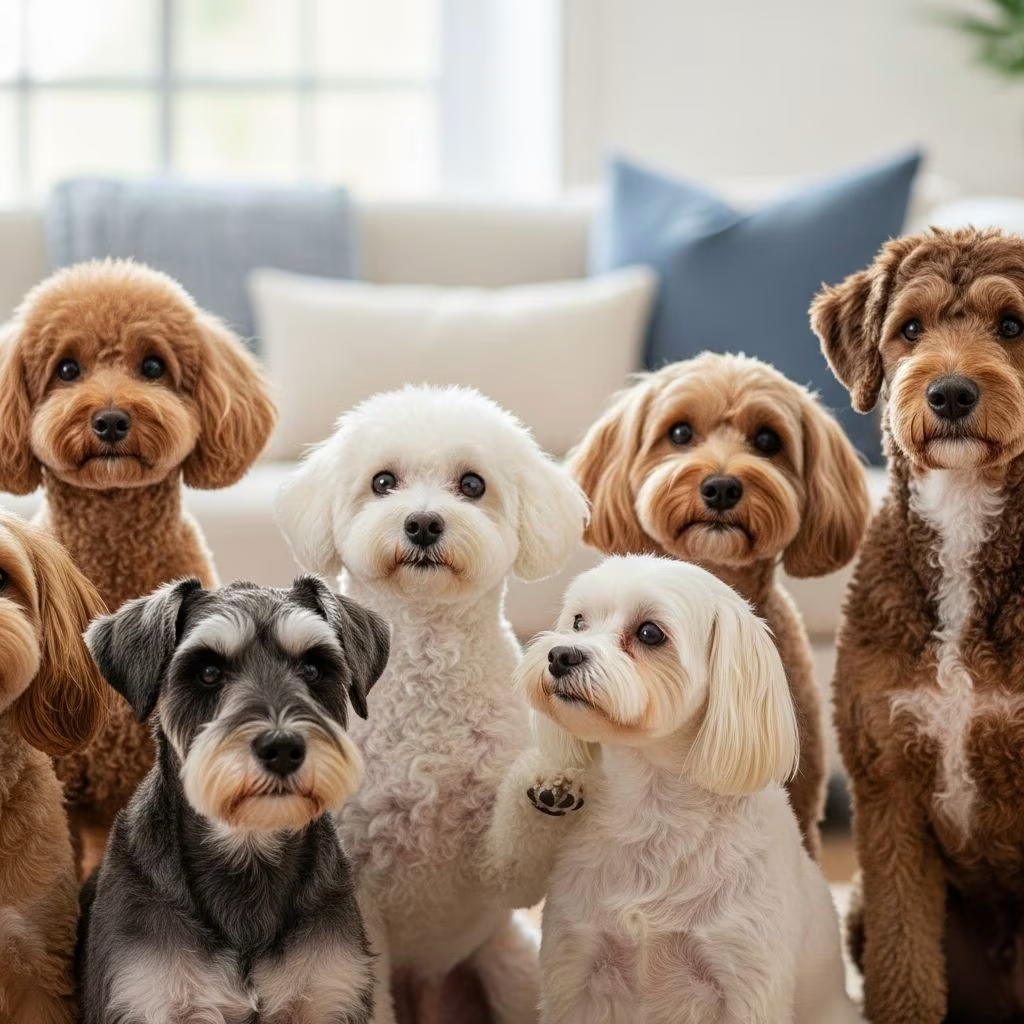
Hypoallergenic Dogs: What You Need to Know
For many people who love dogs, allergies can be a significant barrier to pet ownership. However, the good news is that certain dog breeds are better suited for allergy sufferers than others. Understanding what makes a dog hypoallergenic and knowing which breeds are most suitable can help you find the perfect furry companion without triggering allergic reactions.
It’s important to note that there are no truly 100% hypoallergenic dogs. However, certain breeds produce fewer allergens and are therefore more suitable for people with dog allergies. Dog allergies are typically triggered by dander (dead skin cells), saliva, and urine rather than hair itself. Breeds that shed less are less likely to spread these allergens throughout your home, making them ideal choices for allergic individuals.
Understanding Dog Allergies and Hypoallergenic Breeds
Dog allergies result from reactions to proteins found in dog dander, saliva, and urine. When dogs shed, they release more dander into the environment, which can trigger allergic reactions in sensitive individuals. Dogs that shed minimally keep allergens closer to their skin and hair follicles, reducing the amount of allergens dispersed in the air and around your home.
Hypoallergenic dog breeds typically have one or more of these characteristics: continuous hair growth, hair rather than fur, single-layer coats without fluffy undercoats, and curly or wiry hair textures that trap dander close to the skin. Understanding these traits helps you identify which breeds might work best for your situation.
Small Hypoallergenic Dog Breeds
Poodle (Toy and Miniature)
Poodles are renowned for their hypoallergenic qualities and come in three sizes: Standard, Miniature, and Toy. These intelligent dogs are known for their curly, non-shedding coats that require regular grooming. Poodles were originally bred for hunting and are highly trainable, making them excellent companions for families. Their small sizes make them perfect for apartments or smaller homes. However, their coat requires consistent brushing and professional grooming every 4-6 weeks to prevent matting and tangling.
Yorkshire Terrier
Yorkshire Terriers have coats that resemble human hair more than typical dog fur, which significantly reduces shedding. These small, spunky dogs are affectionate and adaptable to various living situations, from large homes to studio apartments. Yorkies need daily grooming to maintain their silky coats and prevent matting. The lack of excess shedding means less pet dander accumulation, making them suitable for allergy sufferers. Despite their small size, they have big personalities and enjoy being the center of attention.
Bichon Frise
The Bichon Frise is a small, playful breed with a curly, hypoallergenic coat that traps dander close to the body. This characteristic is particularly beneficial for people with allergies, as it limits allergen distribution in the air. Bichons are highly intelligent and trainable, quickly mastering training basics with positive reinforcement. They have a happy disposition and require brushing several times a week and monthly professional trims to maintain their coat health and prevent matting.
Maltese
Despite their beautiful, flowing white coat, Maltese dogs have hair rather than fur, which reduces shedding significantly. Regular grooming and maintenance of their coat further reduce allergens in your home. Daily brushing and periodic bathing remove loose hair and dander, minimizing allergenic materials. These small dogs are affectionate and adapt well to apartment living, though they require dedicated grooming attention to keep their coat in optimal condition.
Shih Tzu
Shih Tzus are small, affectionate dogs with long, silky coats that don’t shed excessively. These outgoing companions need daily brushing and special attention to maintain their distinctive mustache and topknot. Their hair-like coat makes them suitable for allergy sufferers, and their friendly nature makes them excellent family pets. Regular grooming is essential to prevent matting and maintain their hypoallergenic qualities.
Chinese Crested
The Chinese Crested is a unique small breed available in two varieties: hairless and powderpuff. The hairless variety has smooth, soft skin with tufts of hair on the head, tail, and paws, while the powderpuff variety is covered in long, silky hair. Both varieties are hypoallergenic and produce minimal allergens. These playful and affectionate dogs make wonderful companions and adapt well to various living situations. Even the hairless variety produces some dander, but in significantly lower quantities than other breeds.
Coton de Tulear
Originating from Madagascar, the Coton de Tulear is a small hypoallergenic breed known for its easygoing temperament. These dogs have a soft, cotton-like coat that doesn’t shed excessively, making them suitable for allergy sufferers. Their good nature makes them excellent additions to families with children and other pets, especially when proper introductions are made. Regular grooming helps maintain their coat and minimize allergen production.
Bolognese
The Bolognese is a cute hypoallergenic breed that originated in Italy. These dogs have long, fluffy white coats that require extensive grooming despite their characteristic messy appearance. Bolognese are playful and easygoing pups with excellent temperaments around children and other pets. They fit well into various living situations and are known for their loyal, affectionate nature toward their families. Their low-shedding coat makes them a good choice for allergy sufferers.
Medium Hypoallergenic Dog Breeds
Soft Coated Wheaten Terrier
The Soft Coated Wheaten Terrier is a medium-sized Irish breed with a silky, incredibly soft coat that doesn’t shed much. As terriers, Wheatens maintain high energy levels throughout their lives and need ample exercise and mental stimulation to prevent behavioral problems. Their coat requires regular brushing and professional grooming to maintain its hypoallergenic qualities. These affectionate and intelligent dogs make wonderful family companions for active households.
Bedlington Terrier
This intelligent but sometimes stubborn breed has a thick coat of curly hair that grows quickly and sheds minimally. Bedlington Terriers need regular brushing and clipping to maintain their coat health and appearance. Despite their somewhat independent nature, they make loyal companions and adapt well to family life. Their low-shedding coat and minimal dander production make them suitable for allergy sufferers.
Portuguese Water Dog
Originally bred as an aid to fishermen in Portugal, the Portuguese Water Dog is a medium-sized breed with a thick, curly coat that doesn’t shed much. These intelligent, highly trainable, and friendly dogs are popular hypoallergenic choices for active families. They have high energy levels and thrive with regular exercise, including swimming, which they love. Their non-shedding coat makes them ideal for people with dog allergies, and their water-loving nature makes them perfect for families who enjoy water activities.
Schnoodle
Schnoodles are a crossbreed between Schnauzers and Poodles, combining two hypoallergenic breeds. Their coats can be curly or wavy, depending on which parent breed they take after, but they are always low-shedding. These friendly, intelligent dogs inherit positive traits from both parent breeds and make excellent family companions. Regular grooming keeps their coats healthy and maintains their hypoallergenic qualities.
Whoodle
A Whoodle results from crossing a Soft-Coated Wheaten Terrier with a Poodle, producing a friendly dog that doesn’t shed very much. These dogs inherit intelligence and affectionate nature from both parent breeds, making them wonderful companions for families. Whoodles are energetic and need regular exercise and mental stimulation. Their low-shedding coat makes them suitable for allergy sufferers while their friendly temperament makes them great family pets.
Large Hypoallergenic Dog Breeds
Bernedoodle
Bernedoodles are crossbreeds between Bernese Mountain Dogs and Poodles, combining the gentle nature of Bernese Mountains with the hypoallergenic qualities of Poodles. Their friendly, affectionate nature and gentle demeanor make these large hypoallergenic dogs popular picks for families with children and other pets. Despite their size, Bernedoodles are suitable for allergy sufferers due to their low-shedding coats. These dogs need plenty of exercise to stay happy and healthy and thrive in active family environments.
Portuguese Water Dog
As mentioned in the medium breeds section, the larger Standard Portuguese Water Dog also makes an excellent choice for allergy sufferers. These large, adventurous dogs have thick, curly, or wavy coats and need regular grooming. Unlike some hypoallergenic breeds, Portuguese Water Dogs respond well to brushing, and many owners enjoy trimming their hair into different styles. Their combination of low-shedding coats, intelligence, and friendly nature makes them outstanding family companions for active households.
Afghan Hound
Afghan Hounds are graceful, fast-moving dogs with long, silky coats of hair that need daily brushing. While their hair is low-shedding, it can mat and clump easily without proper grooming attention. These elegant dogs are suitable for allergy sufferers due to their minimal shedding, though they require significant grooming commitment. Afghan Hounds are independent and dignified, making them suitable for experienced dog owners who can provide proper coat maintenance.
Peruvian Inca Orchid
Though rare, Peruvian Inca Orchids are hypoallergenic thanks to their nearly hairless bodies. This ancient breed comes in three sizes (small, medium, and large) and is the national dog of Peru. Their hairless nature means minimal dander production, making them excellent for allergy sufferers. However, their lack of hair means they require special care, including sun protection and appropriate clothing in cold weather. These unique dogs are becoming increasingly popular among people seeking truly low-allergen companions.
Hybrid and Mixed Hypoallergenic Breeds
Malshi
A cross between the Maltese and Shih Tzu, the Malshi is a happy, small hypoallergenic dog that combines the best traits of both parent breeds. These affectionate companions thrive when their favorite humans are close to them and need close companionship to be happy. Their small size and hypoallergenic coat make them suitable for apartment living and allergy sufferers. Malshis are loyal, friendly, and make wonderful lap dogs for families seeking a devoted companion.
Grooming and Maintenance for Hypoallergenic Dogs
One of the most important aspects of owning a hypoallergenic dog is understanding that regular grooming is essential to maintain their allergen-reducing qualities. Most hypoallergenic breeds require more frequent grooming than their shedding counterparts. This includes:
- Regular brushing: Most hypoallergenic breeds need brushing 2-5 times per week to prevent matting and maintain coat health.
- Professional grooming: Many breeds benefit from professional grooming every 4-8 weeks to trim and maintain their coats.
- Bathing: Regular bathing helps remove loose hair and dander, further reducing allergens in your home.
- Nail trimming: Regular nail maintenance is important for all dogs and should be part of your grooming routine.
- Ear and eye care: Some breeds require special attention to ears and eyes to prevent infections and maintain health.
Tips for Minimizing Allergens at Home
Beyond grooming your hypoallergenic dog, several household practices can help minimize allergens:
- Use HEPA air filters throughout your home to capture dander and allergens.
- Vacuum regularly with a HEPA-filter vacuum cleaner.
- Wash dog bedding frequently in hot water.
- Keep your dog out of bedrooms to create allergen-free sleeping spaces.
- Use furniture covers that can be easily washed.
- Maintain good indoor air quality with proper ventilation.
- Bathe your dog regularly to reduce loose hair and dander.
Frequently Asked Questions
Q: Are truly hypoallergenic dogs available?
A: No, there are no 100% hypoallergenic dogs. However, certain breeds produce fewer allergens and are more suitable for allergy sufferers than others. Individual reactions vary, so spending time with a breed before adoption is recommended.
Q: Why are some dogs more hypoallergenic than others?
A: Dogs with curly, wiry, or wavy hair that doesn’t shed shed less dander and saliva. Single-coat dogs and those with naturally long hair typically shed less than double-coated breeds with short hair.
Q: How often should I groom my hypoallergenic dog?
A: Grooming frequency depends on the breed but typically ranges from 2-5 times per week for brushing and professional grooming every 4-8 weeks. Regular grooming is essential to maintain their hypoallergenic qualities.
Q: Can I have a hypoallergenic dog if I have severe allergies?
A: While hypoallergenic breeds are more suitable for allergy sufferers, severe allergies require careful consideration. Spend time with the specific breed before adoption, maintain excellent grooming practices, and consult with your allergist before bringing a dog home.
Q: Are there large hypoallergenic dog breeds for families?
A: Yes, breeds like the Bernedoodle, Portuguese Water Dog, and Afghan Hound are large hypoallergenic options suitable for families. These breeds combine low-shedding coats with friendly, family-oriented temperaments.
Q: What’s the difference between doodle mixes and purebred hypoallergenic dogs?
A: Doodle breeds (like Schnoodles and Whoodles) are crosses between hypoallergenic breeds, inheriting low-shedding coats. Their hypoallergenic qualities depend on which parent breed they take after, making them suitable for most allergy sufferers.
Q: Do hairless dog breeds require special care?
A: Yes, hairless breeds like the Chinese Crested and Peruvian Inca Orchid require sun protection, appropriate clothing in cold weather, and regular skin care. Despite their hairlessness, they still produce some dander but in minimal quantities.
References
- 30 ‘Hypoallergenic’ Dogs That Don’t Shed a Lot — PetMD. 2024. https://www.petmd.com/dog/general-health/hypoallergenic-dogs
- Hypoallergenic Dog Breeds: Is There Such a Thing? — VCA Hospitals. 2024. https://vcahospitals.com/know-your-pet/hypoallergenic-dog-breeds-is-there-such-a-thing
- All About Hypoallergenic Dog Breeds — Embark Vet. 2021. https://embarkvet.com/resources/all-about-hypoallergenic-dog-breeds/
- Hypoallergenic Dogs — American Kennel Club (AKC). 2024. https://www.akc.org/dog-breeds/hypoallergenic-dogs/
- Hypoallergenic Dogs: Discover 5 Popular Breeds Today — Jiminy’s. 2024. https://jiminys.com/blogs/benefits/5-popular-hypoallergenic-dog-breeds



