
Understanding Hypoallergenic Dog Shampoo
Learn what makes dog shampoo hypoallergenic and how to choose the best option for your pet's sensitive skin.
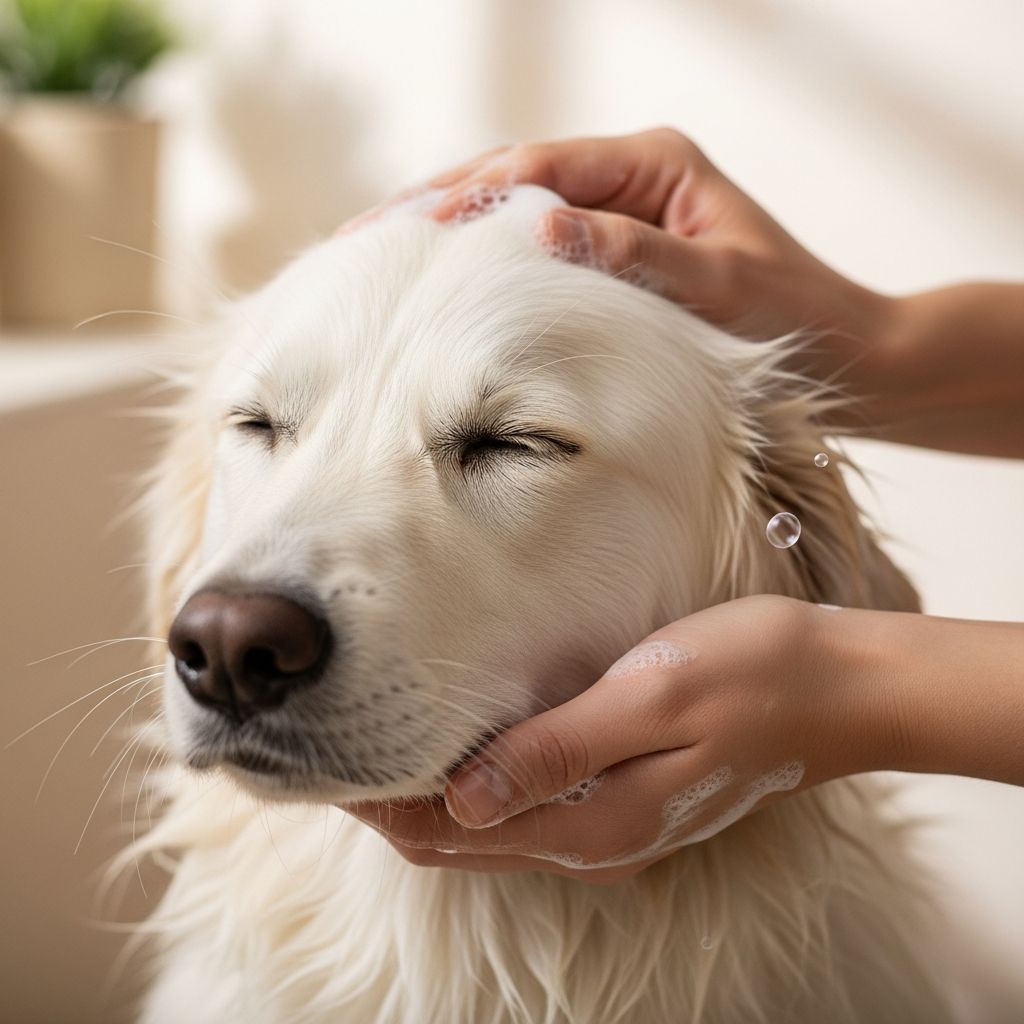
Understanding Hypoallergenic Dog Shampoo: A Comprehensive Guide for Pet Parents
Selecting the right grooming products for your dog can feel overwhelming, especially when your furry companion suffers from skin sensitivities or allergic reactions. Many pet parents turn to hypoallergenic dog shampoo as a solution, hoping it will provide relief and comfort. However, understanding what truly makes a shampoo hypoallergenic—and how to identify genuinely safe products—requires careful evaluation of ingredient lists and manufacturing practices.
What Does Hypoallergenic Really Mean for Dog Shampoos?
The term “hypoallergenic” in pet grooming products refers to formulations specifically designed to minimize allergic reactions and skin irritation. Unlike regular dog shampoos, hypoallergenic varieties eliminate or significantly reduce common triggers that cause discomfort in dogs with sensitive skin or existing allergies. These products typically feature gentler cleansing agents, natural botanical extracts, and exclude harsh chemicals known to provoke inflammatory responses.
It’s important to note that “hypoallergenic” doesn’t guarantee a product will work for every dog. Individual canines may react differently to various ingredients, so what benefits one dog might still cause issues for another. The goal of a hypoallergenic formulation is to reduce the likelihood of adverse reactions by removing the most common culprits found in conventional dog shampoos.
The Problem With Common Dog Shampoo Ingredients
Most conventional dog shampoos contain ingredients that, while considered safe for human use, can be problematic for canine skin. Dogs have a thinner, more delicate epidermal layer than humans, making them more susceptible to irritation from harsh chemicals. Understanding which ingredients to avoid is the first step toward making informed grooming decisions.
Sulfates and Their Damaging Effects
Sulfates are surfactants commonly found in many commercial dog shampoos because they create the appealing lather that consumers associate with cleansing effectiveness. However, these powerful cleansing agents strip away the skin’s natural oils, leaving the coat dry and the skin vulnerable to irritation. Ammonium laureth sulfate, sodium lauryl sulfate, and sodium laureth sulfate are particularly problematic for dogs with sensitive skin or existing allergies. These chemicals can exacerbate itching, flaking, and inflammation, counteracting any benefits the shampoo might otherwise provide.
Preservatives That Pose Problems
Parabens and sodium benzoate are widely used as preservatives in pet grooming products. While regulatory bodies have approved them for use, growing concerns about their potential to disrupt hormonal balance and trigger allergic responses make them questionable choices for dogs with sensitive systems. These synthetic preservatives accumulate in the body over time with repeated exposure, potentially causing long-term sensitivity issues.
Artificial Colors and Fragrances
Dogs don’t need brightly colored shampoos or heavy fragrances—these additions exist primarily for human appeal. Artificial dyes and synthetic fragrances are among the most common triggers for allergic reactions and skin sensitivities in canines. These chemicals can cause itching, redness, inflammation, and in severe cases, contact dermatitis. Pet parents seeking hypoallergenic options should prioritize unscented or naturally scented formulations over products with artificial aromatic additions.
Key Ingredients That Support Sensitive Skin
Hypoallergenic dog shampoos typically incorporate naturally derived ingredients known for their soothing, moisturizing, and protective properties. These components work together to cleanse the coat while supporting skin health and comfort.
| Ingredient | Source | Key Benefits | Best For |
|---|---|---|---|
| Aloe Vera | Aloe plant gel | Hydrating, anti-inflammatory, and soothing; contains vitamins and enzymes that calm irritation | Dogs with dry, itchy, or inflamed skin |
| Oatmeal | Ground oats | Gentle cleanser with moisturizing properties; relieves itching and dryness naturally | Dogs with allergies, eczema, or sensitive skin |
| Chamomile | Chamomile flowers | Anti-inflammatory and calming; promotes coat shine and skin health | Irritated or overly reactive skin |
| Neem Oil | Neem tree | Antibacterial, antifungal, and antiviral; repels parasites naturally | Dogs with fungal/bacterial infections or pest concerns |
| Tea Tree Oil | Tea tree leaves | Antifungal and antibacterial; addresses yeast and bacterial skin conditions | Chronic itching from infections |
| Jojoba Oil | Jojoba plant seeds | Moisturizing and conditioning; alleviates dry or flaky skin | Dogs with dull, dry, or matted coats |
| Vitamin E | Natural antioxidant | Protects and moisturizes; supports skin healing and coat resilience | Dogs needing antioxidant protection |
| Shea Butter | Shea tree nuts | Deep moisture; restores skin barrier and lock-in hydration | Severely dry or compromised skin |
Plant-Based Cleansers: The Foundation of Hypoallergenic Products
The most gentle hypoallergenic dog shampoos use plant-based cleansers derived from coconut oil, saponified oils, and natural surfactants like coco glucoside or cocamidopropyl hydroxysultaine. Unlike harsh sulfates, these botanically derived cleansers effectively remove dirt and debris without stripping essential oils. They maintain the skin’s natural pH balance and work synergistically with soothing botanical ingredients to cleanse while healing.
Products featuring saponified coconut, olive, and jojoba oils represent the gold standard for sensitive skin formulations. The saponification process converts these oils into mild, effective soaps while eliminating any caustic elements, resulting in products that are both safe and efficient.
Identifying and Avoiding Harmful Chemical Combinations
Beyond individual problematic ingredients, certain combinations amplify the potential for allergic reactions. Products containing multiple synthetic chemicals—such as parabens combined with artificial fragrances and sulfates—create a perfect storm for triggering sensitivity issues in predisposed dogs.
- Cocomide DEA or MEA: These coconut-derived emulsifiers can be contaminated with 1,4-dioxane, a potential carcinogen, and frequently trigger allergic contact dermatitis in sensitive dogs.
- Propylene Glycol: A humectant found in many conventional shampoos that can penetrate the skin and cause irritation, particularly in dogs with existing sensitivities.
- Isopropyl Alcohol: While used as a preservative, this ingredient can dry the skin excessively and trigger inflammatory responses.
- Formaldehyde-Releasing Preservatives: These chemicals gradually release formaldehyde over time, potentially causing sensitization with repeated exposure.
- Proprietary Blend Labels: When manufacturers use vague language like “proprietary blend of coat conditioners,” they’re essentially hiding the true ingredient list. This lack of transparency is a red flag for potentially problematic formulations.
Reading Labels Like a Pro: What Pet Parents Should Know
Developing label-reading skills empowers pet parents to make informed choices. Ingredients are listed in descending order by weight, so the first five to ten ingredients should be recognizable, naturally derived substances. If you see unrecognizable chemical names or vague descriptions in the primary ingredient list, it’s best to skip the product.
Look for certifications indicating organic status or third-party testing. Certified organic dog shampoos verify the absence of GMOs, pesticides, herbicides, artificial colors, and artificial fragrances—offering additional assurance of product quality and safety.
The Role of pH Balance in Hypoallergenic Formulations
Dog skin has a naturally acidic pH ranging from 6.5 to 7.5, significantly different from human skin pH of approximately 4.5 to 5.5. Many human shampoos, and even some dog shampoos, fail to account for this difference. Proper pH-balanced hypoallergenic dog shampoos maintain this acidic environment, preventing the disruption that occurs when products intended for human skin are used on dogs. When skin pH becomes alkaline, the protective barrier weakens, allowing bacteria and irritants to penetrate more easily.
How Hypoallergenic Shampoos Support Different Skin Conditions
Different skin issues require tailored ingredient approaches within the hypoallergenic framework. A dog suffering from fungal infections needs stronger antifungal support from tea tree oil or neem oil, while a dog with simple dry skin benefits most from intensive moisturizing agents like shea butter and jojoba oil. Some dogs require anti-inflammatory support from chamomile and aloe vera, while others need gentle, fragrance-free formulations that simply avoid triggering ingredients entirely.
Medicated hypoallergenic shampoos occupy a special category, combining pharmaceutical ingredients with gentle, natural supportive components. These products treat specific conditions like yeast infections or bacterial overgrowth while protecting the skin barrier and minimizing irritation from the medication itself.
Natural Alternatives to Synthetic Ingredients
The shift toward hypoallergenic formulations reflects a broader movement toward natural pet care. Willowherb provides natural deodorizing and calming properties; plant-based collagen supports coat elasticity and reduces matting; rosemary extract serves as a natural preservative while offering antioxidant benefits; and essential oils like peppermint and eucalyptus provide therapeutic benefits without synthetic fragrance chemicals.
Making the Transition to Hypoallergenic Products
Switching to a hypoallergenic shampoo represents a significant change in your grooming routine. Introduce the new product gradually, observing your dog’s skin and coat response over two to three weeks. Some dogs experience an adjustment period as their skin rebalances after years of harsh chemical exposure. Improvements in itching, coat quality, and overall skin health typically become apparent within this timeframe.
Frequently Asked Questions About Hypoallergenic Dog Shampoo
Are all “natural” dog shampoos truly hypoallergenic?
No. While natural ingredients are generally gentler than synthetic chemicals, individual dogs may react to specific botanical components. A truly hypoallergenic product eliminates the most common allergens and irritants while featuring skin-supporting ingredients.
Can hypoallergenic shampoo cure my dog’s allergies?
Hypoallergenic shampoo can reduce symptoms and provide comfort but cannot cure systemic allergies. For underlying allergic conditions, veterinary consultation is necessary to identify and address root causes.
How often should I bathe my dog with hypoallergenic shampoo?
Most dogs benefit from bathing every four to twelve weeks, depending on coat type and activity level. Dogs with skin conditions may require more frequent bathing as recommended by their veterinarian.
What makes a shampoo legitimately hypoallergenic?
Legitimate hypoallergenic shampoos exclude sulfates, parabens, artificial dyes, and synthetic fragrances; feature recognized, safe botanical ingredients; maintain appropriate pH balance; and often carry certifications from reputable testing organizations.
Is expensive always better when choosing hypoallergenic shampoos?
Price doesn’t always correlate with quality. A moderately priced product with transparent ingredient labeling and natural components often outperforms an expensive brand using questionable ingredients. Focus on ingredient quality rather than price point.
References
- Ingredients To Look For Or Avoid In Dog Shampoo — Pet Control HQ. 2024. https://petcontrolhq.com/blogs/news/ingredients-to-avoid-and-what-to-look-for-in-dog-shampoo
- Avoid These 7 Ingredients in Dog Shampoo — Doggy Bathroom. 2024. https://ca.doggybathroom.com/blogs/blog/avoid-these-7-ingredients-in-dog-shampoo
- 16 Dog Shampoo Ingredients To Avoid Using — The Natural Dog Store. 2024. https://thenaturaldogstore.com/blogs/health/dog-shampoo-ingredients-to-avoid
- 15 Ingredients to Avoid in Dog Shampoo — Farm Dog Naturals. 2022. https://farmdognaturals.com/2022/03/15-ingredients-to-avoid-in-dog-shampoo/
- Understanding Medicated Dog Shampoo and the Dangers of Toxic Ingredients — 4-Legger. 2024. https://www.4-legger.com/blogs/fetch-the-dog-blog/understanding-medicated-dog-shampoo-and-the-dangers-of-toxic-ingredients
- The Most Toxic Ingredients in Dog Shampoo and How to Avoid Them — Doglyness. 2024. https://www.doglyness.com/blogs/news/the-most-toxic-ingredients-in-dog-shampoo-and-how-to-avoid-them
- 20 Dog Shampoo Ingredients To Avoid — Dogs Naturally Magazine. 2024. https://www.dogsnaturallymagazine.com/20-ingredients-dont-want-dogs-shampoo/
Similar Articles








Read full bio of medha deb




