

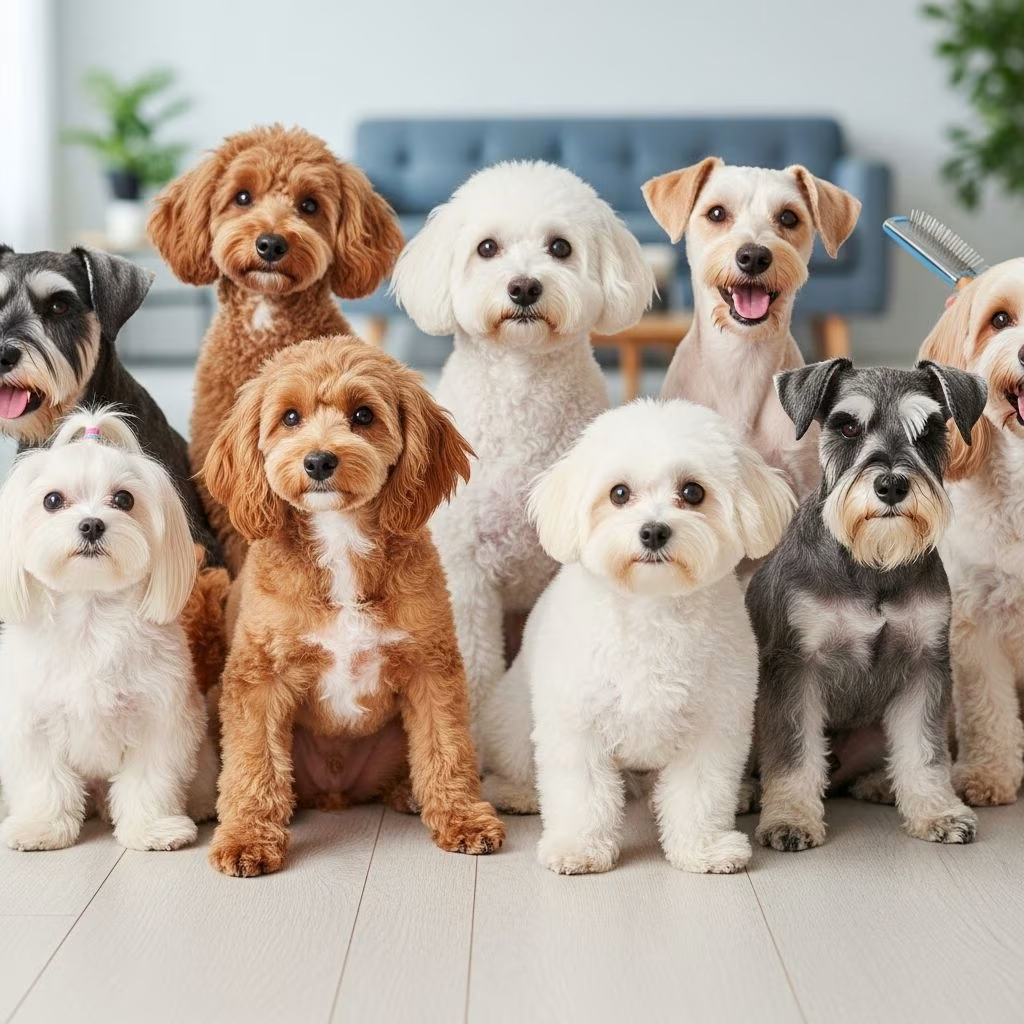
Hypoallergenic Dog Breeds: Is There Such a Thing?
Many people dream of owning a dog but worry about allergic reactions that could interfere with their quality of life. The term “hypoallergenic dog” has become increasingly popular among allergy sufferers searching for a canine companion. However, it’s important to understand what this term actually means and whether truly hypoallergenic dogs exist. The answer is more nuanced than a simple yes or no.
What Does “Hypoallergenic” Really Mean?
The term “hypoallergenic” is often misunderstood when applied to dogs. In reality, there is no such thing as a 100% hypoallergenic dog breed. However, certain breeds are considered to be “hypoallergenic” or allergy-friendly because they produce fewer allergens than other dogs. Understanding what causes allergic reactions is key to finding the right pet for your household.
Allergic reactions to dogs are not typically caused by the hair or fur itself, but rather by proteins found in dog dander, saliva, and urine. Dander—the dead skin cells that dogs shed—is the primary culprit behind most allergic reactions. Some dog breeds shed less frequently and produce less dander, making them better suited for people with allergies.
How Coat Types Affect Allergen Production
The structure and type of a dog’s coat plays a significant role in determining how many allergens they produce. Dogs with certain coat types shed less dander and are therefore considered more suitable for allergy sufferers.
Hair Versus Fur
One of the most important distinctions in understanding hypoallergenic dogs is the difference between hair and fur. Dogs with hair instead of fur tend to shed less and trap dander more effectively within their coat. Hair grows continuously and doesn’t shed in the same way that fur does, resulting in fewer allergens being released into the home environment.
Curly and Wavy Coats
Dogs with curly, wavy, or wiry coats are generally better choices for allergy sufferers. These coat types are denser and trap dander within the coat rather than allowing it to spread throughout the home. Breeds with these coat characteristics require regular grooming to maintain their coat health and minimize allergen production.
Single-Layered Coats
Dogs with single-layered coats shed less than those with double coats. A single coat means there’s only one layer of hair to shed, reducing the amount of dander released into your home. This is in contrast to double-coated breeds, which have both an undercoat and an outer coat, both of which shed regularly.
Popular Hypoallergenic Dog Breeds
Several dog breeds are widely recognized as being more suitable for people with allergies. These breeds share common characteristics such as low shedding, minimal dander production, and coat types that trap allergens effectively.
Poodles: Stylish, Smart, and Allergy-Friendly
Poodles are among the most popular hypoallergenic dog breeds available today. They come in three sizes—Toy, Miniature, and Standard—making them suitable for various living situations. Their signature curly, dense coat is one of their most valuable features for allergy sufferers. The curls trap dander instead of releasing it into the air, significantly reducing allergic reactions.
Beyond their hypoallergenic qualities, Poodles are highly intelligent and easy to train. They are versatile companions that thrive in different environments, from apartments to larger homes. Their coats require regular professional grooming and frequent brushing to prevent matting and maintain their low-allergen properties. Poodle owners should invest in grooming supplies and either learn grooming techniques or schedule regular appointments with a professional groomer.
Bichon Frise: The Cloud-Like Companion
The Bichon Frise is a small, cheerful breed known for its fluffy white coat that resembles a cloud. Despite their adorable appearance, Bichons are considered hypoallergenic due to their soft, curly fur that sheds minimally. This breed produces less dander than many others, making them an excellent choice for allergy-sensitive families.
Bichons are social, playful, and affectionate dogs that thrive in households where they receive plenty of attention. They adapt well to family life and are particularly good with children when properly socialized. Like Poodles, Bichons require regular grooming, including brushing several times per week and professional trims to maintain their coat and reduce allergen production.
Portuguese Water Dog: Energetic and Loyal
The Portuguese Water Dog gained popularity after the Obama family adopted one. These dogs feature curly or wavy coats that are non-shedding, making them a suitable choice for people with allergies. Originally bred as working dogs for Portuguese fishermen, they are athletic, energetic, and deeply loyal to their families.
Portuguese Water Dogs require substantial exercise and mental stimulation to remain happy and healthy. They are excellent swimmers and enjoy activities near water. Proper grooming and regular brushing are essential to maintain their coat’s hypoallergenic properties. These dogs are best suited for active families who can provide the exercise and attention they require.
Shih Tzu: The Elegant Companion
Shih Tzus are small dogs with long, silky coats that shed very little. Their single-layered coat structure contributes to their low-allergen profile. With proper grooming and regular brushing, Shih Tzus remain low-allergen while maintaining their elegant appearance. These affectionate, calm dogs are particularly well-suited for apartment living and thrive in households where they can be close to their families.
Maltese: Tiny Dogs, Big Hearts
The Maltese dog breed features a long, silky coat that may appear high-maintenance but is surprisingly hypoallergenic. Their single-layered coat sheds very little, making them an excellent choice for allergy sufferers. What makes Maltese dogs even more lovable is their sweet and playful nature combined with surprising boldness for such a small dog.
Maltese dogs often form strong bonds with their families and are affectionate companions. Grooming is essential for this breed, as their long coat requires daily brushing to prevent matting. Despite the grooming requirements, many allergy sufferers find the reward of having a gorgeous, allergy-friendly Maltese companion well worth the effort.
Schnauzers: The Bearded Beauties
Schnauzers come in three sizes—Miniature, Standard, and Giant—offering options for different living situations. These loyal, protective, and intelligent dogs have distinctive wiry double coats that don’t shed much. Their coat structure helps reduce allergens in the home, making them suitable for people with allergies who still want a larger companion.
Schnauzers require regular professional grooming and brushing to maintain their coat and minimize shedding. Their intelligent nature makes them responsive to training, and they form strong bonds with their families. These dogs are particularly good for families seeking a protective yet allergy-friendly pet.
Additional Hypoallergenic Breeds
Beyond the breeds mentioned above, several other dogs are recognized as hypoallergenic or allergy-friendly options:
Small Hypoallergenic Breeds
The Havanese has a double-layered, silky coat that sheds minimally, preventing the spread of hair and dander. The Yorkshire Terrier features a silky, hair-like coat known for hypoallergenic qualities and is well-suited for apartment living. The Coton de Tulear, a small breed originating from Madagascar, has a low-shedding curly coat and a gentle temperament that makes them good companions for families.
Medium Hypoallergenic Breeds
The Soft-Coated Wheaten Terrier is a medium-sized Irish breed with a silky, soft coat that doesn’t shed much. These dogs maintain high energy levels and require regular exercise and mental stimulation. The breed is known for its friendly nature and adaptability to family life.
Large Hypoallergenic Breeds
The Giant Schnauzer shares the same wiry coat characteristics as its smaller counterparts but comes in a larger size. However, pet owners with allergies should carefully consider this breed, as its size may result in enough shedding to provoke allergic reactions. The Airedale Terrier has a dense, wiry, low-shedding coat but requires regular care and grooming to prevent matting.
Doodle Breeds: Hybrid Hypoallergenic Dogs
In recent years, doodle breeds—crosses between Poodles and other dog breeds—have become increasingly popular among allergy sufferers. Because Poodles are hypoallergenic, crossing them with other breeds can often produce dogs that inherit the Poodle’s low-shedding coat while gaining desirable traits from the other parent breed.
Popular doodle breeds include the Schnoodle (Schnauzer and Poodle mix), the Whoodle (Soft-Coated Wheaten Terrier and Poodle mix), and the Bernedoodle (Bernese Mountain Dog and Poodle mix). However, it’s important to note that doodle breeds can be unpredictable in terms of which parent breed’s coat they inherit. Some doodles may shed more than expected if they inherit the non-Poodle parent’s coat type.
Managing Allergies with Hypoallergenic Dogs
While hypoallergenic dogs produce fewer allergens, they are not allergen-free. People with allergies can take several steps to further minimize allergic reactions:
Regular Grooming
Frequent grooming is one of the most effective ways to reduce allergens. Regular brushing removes loose hair and dander before they can spread throughout your home. Professional grooming every 4-8 weeks helps maintain the coat and reduces allergen production significantly.
Home Cleaning
Regular vacuuming with HEPA filters, washing bedding frequently, and using air purifiers can help reduce airborne allergens. Keeping your dog out of certain rooms, particularly bedrooms, can further minimize exposure.
Allergy Testing
Before bringing a hypoallergenic dog home, consider spending time with the specific breed to determine whether you have an allergic reaction. Some people may still react to certain breeds despite their hypoallergenic reputation.
Important Considerations Before Getting a Hypoallergenic Dog
While hypoallergenic dogs are a great option for allergy sufferers, there are several important factors to consider before bringing one home. Most hypoallergenic breeds require significant grooming commitment, from daily brushing to professional grooming appointments. This ongoing maintenance is essential for keeping their coat healthy and minimizing allergen production.
Additionally, hypoallergenic dogs are often more expensive than other breeds due to their popularity and the costs associated with breeding and grooming. Potential owners should research reputable breeders and be prepared for the financial commitment these dogs require.
Frequently Asked Questions
Q: Is there a truly 100% hypoallergenic dog breed?
A: No, there is no truly 100% hypoallergenic dog breed. However, certain breeds produce fewer allergens and are considered more suitable for people with allergies. The term “hypoallergenic” is somewhat misleading, as all dogs produce some level of allergens through dander, saliva, and urine.
Q: What causes dog allergies?
A: Dog allergies are typically caused by proteins found in dog dander (dead skin cells), saliva, and urine, not by the hair or fur itself. Dander is the primary culprit behind most allergic reactions, and hypoallergenic breeds shed less dander.
Q: How often do hypoallergenic dogs need grooming?
A: Most hypoallergenic dogs require brushing several times per week and professional grooming every 4-8 weeks. Regular grooming helps prevent matting, removes loose hair and dander, and maintains the coat’s hypoallergenic properties.
Q: Are doodle breeds always hypoallergenic?
A: Not necessarily. While doodle breeds are often marketed as hypoallergenic because they’re crossed with Poodles, they can inherit the coat type of either parent breed. Some doodles may shed more than expected if they inherit the non-Poodle parent’s coat characteristics.
Q: Can I test my allergies before getting a hypoallergenic dog?
A: Yes, spending extended time with a specific breed before adoption is recommended. You can visit breeders, spend time at dog parks, or arrange to meet the breed to determine whether you have an allergic reaction.
Q: What should I do if I’m allergic but still want a dog?
A: Consider choosing a hypoallergenic breed, maintaining a regular grooming schedule, using HEPA-filter vacuums, keeping your dog out of bedrooms, using air purifiers, and consulting with an allergist. These steps can significantly reduce allergic reactions.
Conclusion
While truly hypoallergenic dogs don’t exist, many breeds produce significantly fewer allergens and are well-suited for people with allergies. Poodles, Bichon Frises, Portuguese Water Dogs, Shih Tzus, Maltese dogs, and Schnauzers are among the most popular choices. These breeds share common characteristics such as hair instead of fur, curly or wavy coats, and minimal shedding.
The key to successfully owning a hypoallergenic dog is understanding that ongoing grooming and home management are essential. With proper care and the right breed selection, many allergy sufferers can enjoy the companionship of a beloved canine friend without constant allergic reactions.
References
- Hypoallergenic Dogs: Everything You Need to Know — Woofz. 2025. https://www.woofz.com/blog/hypoallergenic-dogs/
- 30 ‘Hypoallergenic’ Dogs That Don’t Shed a Lot — PetMD. 2025. https://www.petmd.com/dog/general-health/hypoallergenic-dogs
- Top Hypoallergenic Dog Breeds for Allergy-Friendly Homes — Caring Hands Veterinary Hospital. 2025. https://caringhandsvet.com/hypoallergenic-dog-breeds-for-allergy-sufferers/
- All About Hypoallergenic Dog Breeds — Embark Veterinary. 2021. https://embarkvet.com/resources/all-about-hypoallergenic-dog-breeds/
- Hypoallergenic Dogs — American Kennel Club. 2025. https://www.akc.org/dog-breeds/hypoallergenic-dogs/



