

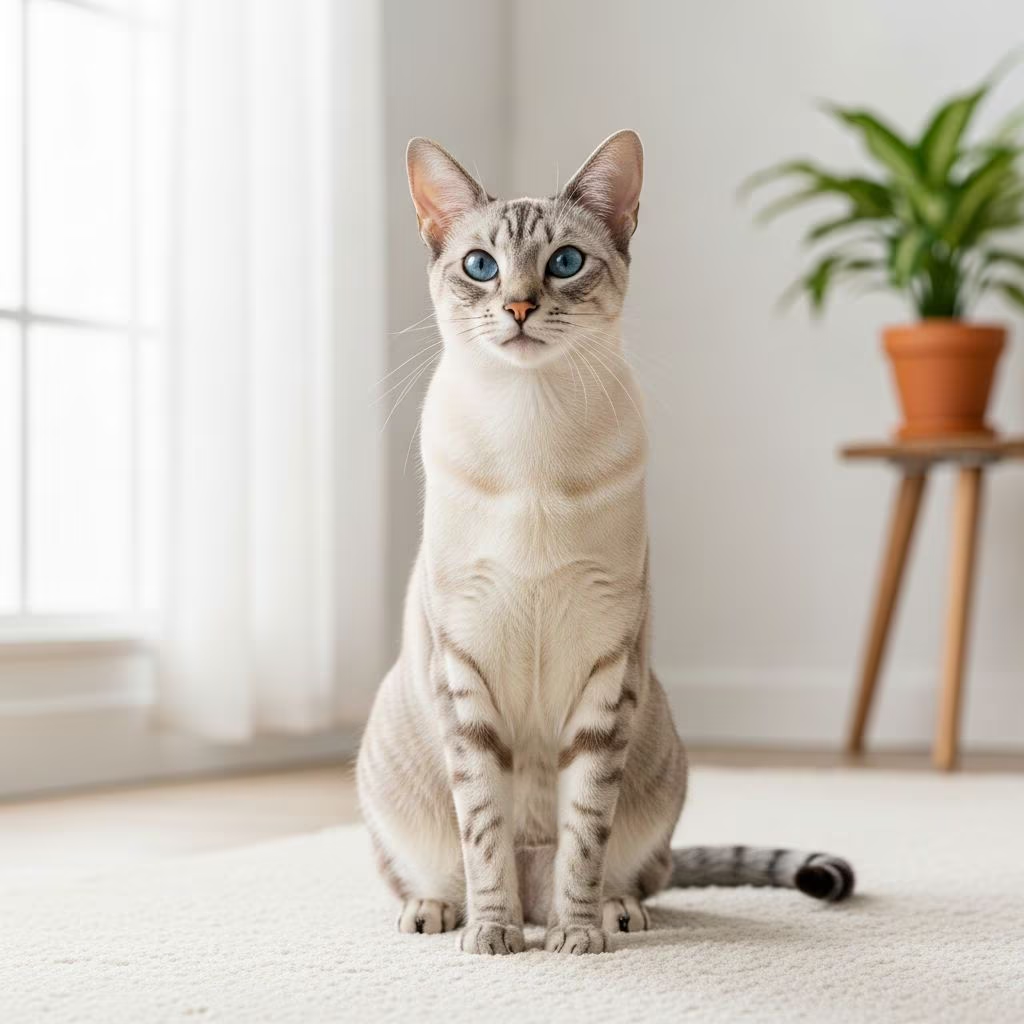
No cat is 100% hypoallergenic, but certain breeds produce less of the primary cat allergen, Fel d 1—a protein found in saliva, skin, and urine that triggers reactions in sensitive individuals. These breeds shed minimally or have coats that trap dander effectively, making them better suited for allergy sufferers. Factors like low Fel d 1 production, short or unique fur structures, and grooming needs contribute to their appeal.
What Makes a Cat Hypoallergenic?
The myth of truly hypoallergenic cats persists, but science points to reduced allergen output. Fel d 1 is the key culprit, causing up to 90% of cat allergies. Breeds with genetic variations produce less of this protein, while others have coats that shed less dander-laden fur. Hairless varieties like the Sphynx minimize fur-related allergen spread altogether. Environmental controls, such as frequent cleaning and air purifiers, enhance compatibility even further.
Allergy severity varies; what works for one person may not for another. Testing exposure via breeders or fosters is recommended before adoption. Veterinary studies confirm breeds like Siberians have 50% less Fel d 1 than average cats, per research from indoor allergen testing.
Top Hypoallergenic Cat Breeds
Here are 12 standout breeds frequently cited for lower allergen profiles, drawn from veterinary and breed expert sources. Each offers unique traits balancing low allergens with personality and care needs.
Siberian
The Siberian, hailing from Russia’s harsh winters, defies expectations with its thick, triple-layered coat yet produces notably low Fel d 1 levels—about half that of typical cats. This muscular, water-resistant fur requires weekly brushing to manage shedding, but it traps dander effectively. Affectionate and dog-like, Siberians bond deeply, thrive with families, and enjoy play. They adapt well to apartments if exercised, living 12-15 years with proper care.
Balinese
Essentially long-haired Siamese, Balinese cats feature silky, single-layered coats without undercoat, producing minimal Fel d 1 and shedding lightly. Their striking blue eyes and elegant bodies pair with vocal, social personalities—they chirp, meow, and demand attention. Easy to groom with occasional brushing, they’re ideal for interactive homes but may not suit solitary owners. Lifespan: 12-20 years.
Bengal
Bengals boast wild leopard-like spots from Asian leopard cat ancestry, with short, silky coats that shed averagely but groom easily, aiding allergen control. Active and intelligent, they love water, climbing, and fetch—perfect for energetic families. Minimal Fel d 1 in some lines makes them viable for mild allergies. Require stimulation to prevent mischief; lifespan 12-16 years.
Oriental Shorthair
Sleek and fine-coated like Siamese relatives, Oriental Shorthairs produce less dander with their short fur in diverse colors/patterns. Curious, vocal (goose-like meows), and people-oriented, they follow owners everywhere. Weekly soft-brushing maintains their gloss and cuts allergens. Great for active households; lifespan 12-15 years.
Russian Blue
With plush double coats in shimmering blue-gray, Russian Blues shed minimally and produce low Fel d 1. Reserved yet loyal, they form tight family bonds, prefer quiet homes, and excel at puzzles. Occasional brushing suffices; their hypoallergenic double layer repels dirt. Gentle with kids/elders; lifespan 15-20 years.
Devon Rex
Curly, wavy coats shed very little, trapping loose hair and reducing airborne dander—ideal for allergies. Pixie-faced with large ears, Devons are playful, affectionate lap cats who love mischief and warmth (they feel cold easily). Gentle weekly baths or brushing remove oils; lifespan 9-15 years.
Cornish Rex
Similar to Devon, Cornish Rex have tight, curly coats with minimal shedding and low dander. Slim, bat-eared, and athletic, they’re high-energy clowns craving attention and agility play. Low grooming needs; soft brushing weekly. Thrive in social settings; lifespan 11-15 years.
Siamese
Short-coated icons with minimal shedding, Siamese produce less Fel d 1 and spread fewer allergens. Vocal ‘Siamese screams,’ blue eyes, and social devotion define them—they hate solitude. Easy grooming; active play essential. Lifespan 15-20 years.
Sphynx
Hairless (or peach-fuzzed), Sphynx eliminate fur allergens entirely, though skin oils require weekly baths. Wrinkly, warm, and extroverted, they crave laps and suits. Sunscreen needed outdoors; sweaters in cold. Low Fel d 1; lifespan 8-14 years.
Burmese
Short-haired with low shedding, Burmese offer affectionate, playful energy like mini-panthers. Less Fel d 1 production suits allergies; minimal grooming. Love interactive toys; people-focused. Lifespan 12-16 years.
Colorpoint Shorthair
Siamese-American Shorthair crosses with low-shed short coats and reduced Fel d 1. Vibrant colors, vocal, and social; easy care. Lifespan 12-18 years.
Tonkinese
Siamese-Burmese hybrids with silky short fur, low shedding. Energetic, loving; play-driven. Good for allergies; lifespan 12-16 years.
Hypoallergenic Cat Breeds Comparison Table
| Breed | Coat Type | Allergen Feature | Temperament | Grooming Needs |
|---|---|---|---|---|
| Siberian | Long, thick | Low Fel d 1 | Affectionate, playful | Weekly brush |
| Balinese | Long, silky | Low Fel d 1, low shed | Social, vocal | Occasional brush |
| Bengal | Short, spotted | Low shed | Energetic, wild | Minimal |
| Oriental Shorthair | Short, fine | Low dander | Curious, vocal | Weekly brush |
| Russian Blue | Short, plush | Low Fel d 1, low shed | Reserved, loyal | Occasional |
| Devon Rex | Curly, short | Minimal shed | Playful, affectionate | Weekly bath/brush |
| Cornish Rex | Curly, short | Minimal shed | Energetic, social | Minimal |
| Siamese | Short | Low shed, low Fel d 1 | Vocal, demanding | Minimal |
| Sphynx | Hairless | No fur, low Fel d 1 | Extroverted, cuddly | Weekly baths |
| Burmese | Short | Low shed, low Fel d 1 | Affectionate, playful | Minimal |
Tips for Living with a Hypoallergenic Cat
- Groom regularly: Brushing captures loose fur/dander before it spreads.
- Clean environment: HEPA vacuums, air purifiers reduce airborne allergens.
- Bathe appropriately: Reduces saliva proteins on coat; use cat-safe shampoo.
- Wash bedding weekly: Hot water kills allergens effectively.
- Test first: Spend time with the breed to confirm tolerance.
FAQs
Are there truly hypoallergenic cats?
No cat is completely hypoallergenic, but breeds producing less Fel d 1 or shedding less significantly reduce symptoms for many.
What’s the best hypoallergenic cat breed?
Siberian and Sphynx top lists for lowest allergens, but personality and lifestyle matter most—test exposure.
Do hypoallergenic cats still shed?
Most do minimally; hairless like Sphynx don’t, but all produce some dander/saliva.
Can I make any cat hypoallergenic?
Diets reducing Fel d 1 exist experimentally, but breed genetics offer best results.
How to choose a hypoallergenic kitten?
Seek reputable breeders testing for low Fel d 1 parents; rescues sometimes ID breeds.
References
- 7 Hypoallergenic Cats for People with Allergies — MVA Vets. 2023. https://mvavets.com/blog/hypoallergenic-cats/
- Best Hypoallergenic Cats — TruSens Wellness. 2023. https://www.trusens.com/news/blog/best-hypoallergenic-cats/
- List of Hypoallergenic Cat Breeds — Bedrooms & More. 2023. https://bedroomsandmore.com/blog/list-hypoallergenic-cat-breeds/
- 12 ‘Hypoallergenic’ Cats for People With Allergies — PetMD. 2024-01-15. https://www.petmd.com/cat/general-health/hypoallergenic-cat-breeds
- Hypoallergenic Cats: Facts, Details, and Breed Guide — Litter-Robot. 2023. https://www.litter-robot.com/blog/infographic-8-hypoallergenic-cat-breeds/



