

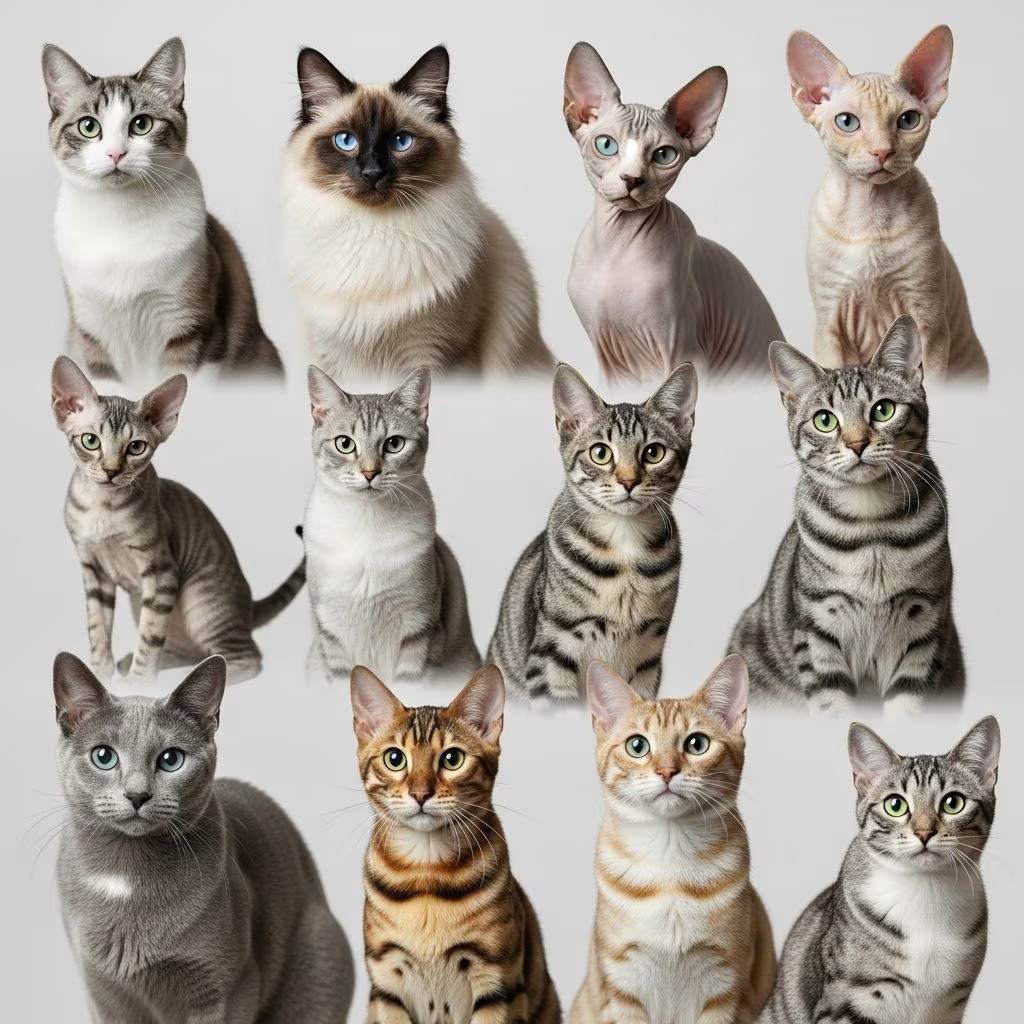
For many people who love cats but suffer from allergies, the dream of owning a feline companion seems impossible. However, the good news is that certain cat breeds produce lower levels of allergy-causing proteins, making them more suitable for individuals with cat allergies. While truly hypoallergenic cats don’t exist, these breeds offer a viable solution for those seeking a furry companion without constant sneezing and discomfort.
Before bringing home any “hypoallergenic” cat, it’s essential to spend time with the specific breed to determine how your allergies react. This step can help ensure a successful match between you and your new pet.
Understanding Cat Allergies and Hypoallergenic Breeds
Cat allergies are primarily caused by Fel d 1, a secretoglobin protein complex found in cat saliva, skin, and fur. While no cat is completely allergen-free, hypoallergenic breeds produce significantly less of this protein than other cats, making them more tolerable for allergy sufferers. The term “hypoallergenic” in the context of cats simply refers to breeds that tend to produce fewer allergens than others.
These breeds often produce substantially fewer allergens to the extent that allergy sufferers can comfortably live with them. Understanding the difference between truly hypoallergenic (which doesn’t exist) and low-allergen breeds is crucial when making your decision.
12 Cats That Are ‘Hypoallergenic’
1. Siberian
Siberians are a popular hypoallergenic breed among cat enthusiasts and allergy sufferers alike. Despite having thick, long hair, they produce less allergen-causing proteins than many other cats. This makes them an excellent choice for those seeking a fluffy companion without excessive allergen exposure.
Along with being a good cat for allergies, Siberians are friendly, affectionate, and make great family pets—if you can keep up with their regular grooming needs. Generally, Siberians do well with weekly combing to maintain their beautiful coat and minimize shedding.
2. Siamese
Another hypoallergenic cat is the Siamese, recognizable by their striking blue eyes and distinctive color-point pattern. While there aren’t any cats that don’t shed, this elegant feline has a short coat that doesn’t shed heavily. This means they don’t produce as many allergens as some other breeds.
Known for their vocal nature and adoration for their pet parents, Siamese cats have a lot to offer potential owners. However, they can be demanding in terms of attention and aren’t a good fit for families that are often away from home. These social butterflies thrive on interaction and companionship.
3. Bengal
Bengal cats are a unique hypoallergenic breed with a stunning appearance. Their gorgeous, spotted short coat comes from their Asian leopard cat ancestors, giving them a wild appearance that makes them stand out in any household. Like the other feline companions on this list, these cats don’t shed a lot.
However, energetic and intelligent Bengals can be a handful for the unsuspecting pet parent. Before committing to a Bengal, be aware that some cities have regulations—or full-on bans—in place against them due to their wild heritage. To ensure their nutritional needs are met, consult with your veterinarian about feeding breed-specific nutrition formulas designed for Bengals.
4. Devon Rex
The Devon Rex is notable for its unique, curly or wavy coat that sets it apart from other breeds. Their distinctive fuzzy appearance comes with a significant advantage: less dense fur translates to fewer allergens floating around your home. This breed is often described as dog-like for their loyalty, playful behavior, and eagerness to please their owners.
Devon Rex cats are highly social and energetic, making them excellent companions for interactive families. Their minimal grooming requirements make them a practical choice for allergy sufferers looking for a lower-maintenance option.
5. Sphynx
Compared to other cat breeds, Sphynx cats have a unique hypoallergenic quality: their near-nakedness. Sphynx cats can be completely bald or have a thin layer of peach fuzz, but all produce fewer allergens than many fluffy cat breeds. This distinctive appearance makes them one of the most recognizable and talked-about cat breeds.
However, that lack of hair doesn’t mean they don’t need to be groomed—for their skin to remain healthy and free of oil buildup, they need regular baths with cat shampoo. They also require pet-friendly sunscreen to prevent sunburns, and may need cat sweaters in cold weather to keep them warm and comfortable.
6. Cornish Rex
The Cornish Rex shares similar hypoallergenic qualities with the Devon Rex, thanks to their distinctive curly or wavy coat. This breed’s less dense fur means fewer allergen particles are released into the air, making it a suitable option for allergy sufferers. Like their Devon cousins, Cornish Rex cats are intelligent, playful, and highly social.
These cats enjoy interactive play and mental stimulation. Their affectionate nature combined with their hypoallergenic qualities makes them an appealing choice for families seeking a spirited and allergy-friendly companion.
7. Balinese
Balinese cats are known for being sociable, highly intelligent, and sometimes a bit vocal. Despite their name suggesting a connection to Bali, these felines are actually long-haired descendants of Siamese cats. They produce less Fel d 1 protein than many other breeds, making them suitable for allergy sufferers.
If you’re looking for a friendly hypoallergenic cat with a silky coat and engaging personality, the Balinese is a solid choice. Their communicative nature means they’ll “talk” to you throughout the day, keeping your home lively and entertaining.
8. Oriental Shorthair
Oriental Shorthair cats have a sleek and elegant appearance that appeals to many cat enthusiasts. Along with being a good cat for allergies, they require only minimal grooming because of their short coat. This breed combines the hypoallergenic benefits with practical, low-maintenance care requirements.
Bringing home an Oriental Shorthair gives you the perfect combination of intelligence and playfulness. Known for their activity and curiosity, they can be fun companions, love being around people, and have a distinct meow that sounds like a cute goose honk. These cats thrive in social environments and often seek attention and interaction from their human companions.
9. Burmese
The short-haired Burmese is another hypoallergenic cat breed that doesn’t shed a lot or need much grooming. They’re affectionate, smart, and high-energy—meaning they need lots of playtime and exercise to stay content and mentally stimulated. These elegant and sleek cats stand out for producing less Fel d 1 than many other breeds.
Burmese cats form strong bonds with their owners and enjoy being part of family activities. Offer your Burmese play sessions with wand toys and other interactive cat toys to keep them entertained and prevent boredom-related behavioral issues.
10. Tonkinese
Tonkinese cats are a cross between the Siamese and Burmese breeds, combining the best traits of both parents. Though they have a short coat, these are low-shedding cats that can be a good fit for some people with allergies. Their hybrid heritage contributes to their reduced allergen production.
Like their parent breeds, Tonkinese are lively and energetic cats, so be prepared for lots of interactive play and engagement. These social butterflies enjoy being the center of attention and will actively participate in family activities.
11. Javanese
The Javanese breed combines a striking long coat with hypoallergenic properties, making them an interesting option for allergy sufferers who desire a more luxurious-looking companion. Despite their fuller coat, Javanese cats produce less Fel d 1 protein, similar to their Balinese cousins from which they descended.
These cats are known for their intelligence, vocal communication, and affectionate nature. They require regular grooming to maintain their beautiful coat while managing allergen levels effectively.
12. Russian Blue
The Russian Blue is a regal breed that represents one of the most allergy-friendly options available. This very devoted companion exhibits dog-like behaviors, such as waiting for you at the front door when you’re due home from work. Despite their dense fur, Russian Blues don’t shed much and produce less Fel d 1—the most prominent cat allergen—than all other breeds.
Russian Blues are very social and vocal cats who like to chatter, so don’t be surprised if they try to strike up a conversation with you. Their unique appearance, with striking green eyes and silvery-blue coat, combined with their hypoallergenic properties, makes them a highly desirable breed for allergy sufferers.
Key Considerations Before Adopting
While these breeds produce fewer allergens, it’s important to understand that no cat is completely hypoallergenic. Allergens are present in their bodily fluids and dander, all of which can be transferred to their fur. However, these breeds bring fewer allergens into your home simply because they have less fur or produce lower levels of the Fel d 1 protein.
Before committing to any breed, spend quality time with the specific cat to determine how your allergies react. This trial period can prevent disappointment and ensure a successful long-term match between you and your new companion.
Managing Allergies With a Hypoallergenic Cat
Even with a hypoallergenic breed, you’ll want to be conscientious about your interactions with your cat. Regular grooming helps minimize shedding and dander accumulation. Maintaining clean living spaces, using air purifiers, and establishing pet-free zones in your home can further reduce allergen exposure.
Work with your veterinarian to ensure your cat receives appropriate breed-specific nutrition and care. Regular veterinary checkups will help maintain your cat’s health and minimize allergen production through proper coat and skin care.
Frequently Asked Questions About Hypoallergenic Cats
Q: Are hypoallergenic cats truly 100% allergen-free?
A: No, truly hypoallergenic cats do not exist. However, certain breeds produce significantly fewer allergens than others, making them suitable for people with mild to moderate cat allergies. The term “hypoallergenic” in cat breeding refers to breeds that produce lower levels of Fel d 1 protein.
Q: What causes cat allergies?
A: Cat allergies are primarily caused by Fel d 1, a protein found in cat saliva, skin, and fur. When cats groom themselves or shed, these allergens spread throughout the home. Even hypoallergenic breeds produce this protein, but in smaller quantities.
Q: How can I test my allergies to a specific breed before adopting?
A: The Cat Fanciers’ Association recommends spending time with the breed before bringing it home to see if you have an allergic reaction. Many breeders allow potential adopters to visit and interact with their cats before making a final decision.
Q: Do hypoallergenic cats require special grooming?
A: Grooming requirements vary by breed. Some breeds like Siberians need weekly combing, while others like Sphynx cats require regular baths and skin care. Regular grooming helps minimize shedding and allergen spread regardless of breed.
Q: Which hypoallergenic breed is best for first-time cat owners?
A: Breeds like the Russian Blue, Siamese, and Burmese are known for being affectionate and relatively easy to care for, making them good choices for first-time owners with allergies. However, your choice should depend on your lifestyle and the amount of attention and grooming you can provide.
Q: Can I reduce allergens in my home with a hypoallergenic cat?
A: Yes, in addition to choosing a hypoallergenic breed, you can use air purifiers, maintain clean living spaces, establish pet-free zones, and groom your cat regularly to minimize allergen exposure in your home.
References
- Hypoallergenic Cats: Do They Exist? — Hill’s Pet Nutrition. 2024. https://www.hillspet.com/cat-care/new-pet-parent/hypoallergenic-and-low-shedding-cat-breeds
- 12 ‘Hypoallergenic’ Cats for People With Allergies — PetMD. 2024. https://www.petmd.com/cat/general-health/hypoallergenic-cat-breeds
- Hypoallergenic Cat Breeds and Managing Allergies — ManyPets. 2024. https://manypets.com/us/blog/hypoallergenic-cats/
- List of Hypoallergenic Cat Breeds — Bedrooms & More. 2024. https://bedroomsandmore.com/blog/list-hypoallergenic-cat-breeds/
- 17 ‘Hypoallergenic’ Cats to Keep Your Sneezing at Bay — HowStuffWorks. 2024. https://animals.howstuffworks.com/pets/hypoallergenic-cats.htm



