

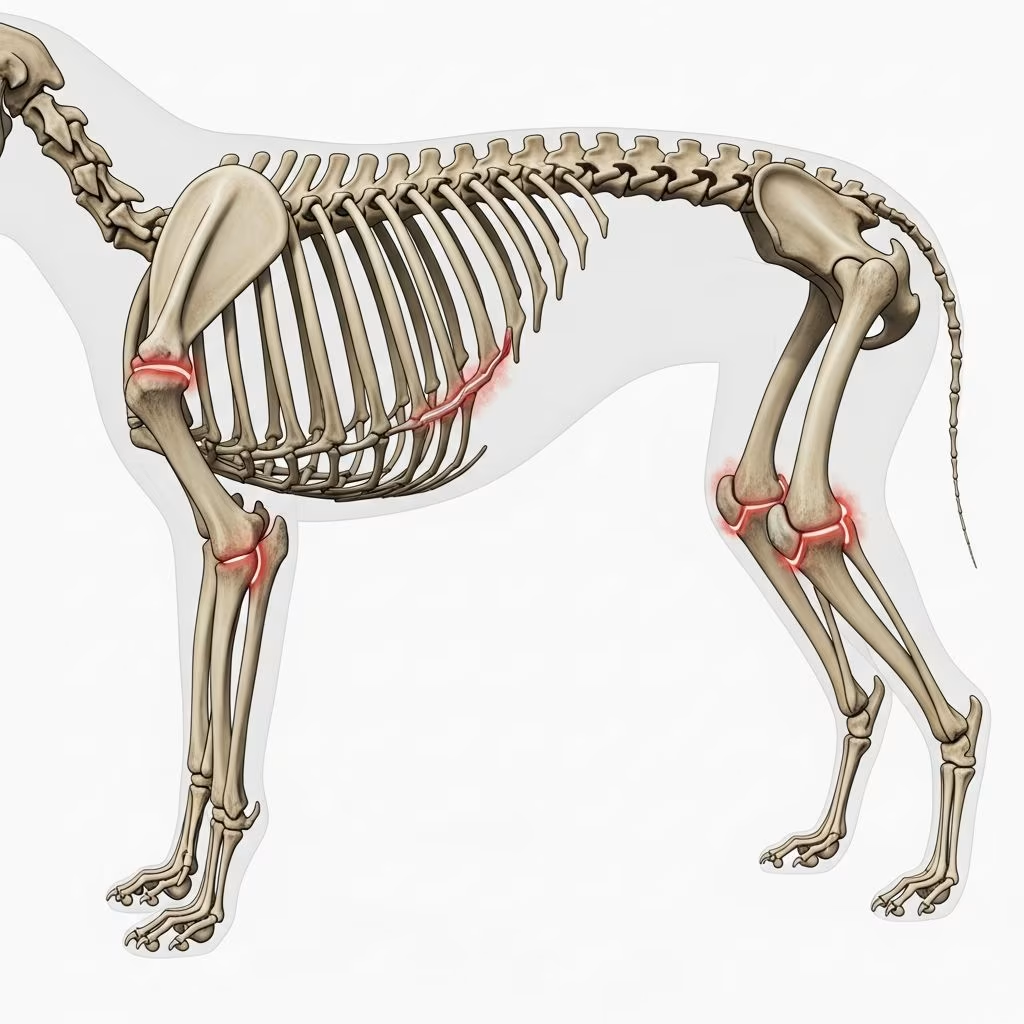
Hypertrophic osteodystrophy, commonly abbreviated as HOD, represents one of the more challenging orthopedic conditions that veterinarians encounter in young canine patients. This developmental disorder primarily affects the skeletal system during critical growth phases, causing significant discomfort and mobility issues in affected puppies. Understanding this condition is essential for dog owners who have large or giant breed puppies, as early recognition and intervention can substantially improve outcomes.
Defining the Condition: What Is Hypertrophic Osteodystrophy?
Hypertrophic osteodystrophy is classified as an orthopedic developmental disorder that emerges during the period of rapid skeletal growth in young dogs. The condition fundamentally disrupts normal bone formation and mineralization, particularly affecting areas of the skeleton that are most actively developing. Unlike infectious diseases or injuries, HOD stems from disruptions in the physiological processes that govern bone development.
The disease primarily targets the metaphyseal regions of long bones—the areas between the shaft and the ends of bones where growth plates reside. These growth plates consist of actively proliferating cartilage that gradually hardens and transforms into mature bone tissue as puppies mature. When HOD develops, this critical transition from cartilage to bone becomes compromised, leading to the characteristic inflammation and clinical signs owners observe in their pets.
Affected Breeds and Age of Onset
Hypertrophic osteodystrophy shows a strong predilection for specific canine populations. Large breed and giant breed dogs face substantially elevated risk compared to smaller dogs, though medium-sized breeds can occasionally be affected. Breeds particularly susceptible to this condition include Great Danes, Weimaraners, Irish Setters, Boxers, German Shepherds, Labrador Retrievers, and Standard Poodles.
The typical age range for HOD presentation falls between 2 and 7 months of age, with most cases appearing between 8 and 16 weeks. Veterinarians can diagnose the condition in puppies as young as a few months old, and the overwhelming majority of cases occur in dogs younger than one year. Interestingly, male puppies appear to show greater susceptibility than female puppies in some populations, though gender differences may vary among breed lines.
Among the various breeds prone to HOD, Weimaraners and Irish Setters demonstrate particularly noteworthy patterns. These breeds frequently experience more severe manifestations of the disease, and familial clustering of HOD has been documented in Weimaraners, suggesting potential hereditary factors in this breed. This breed-specific severity underscores the importance of targeted monitoring and preventive management in genetically predisposed lines.
The Physiological Mechanisms Underlying HOD
Understanding the microscopic changes occurring within affected bones provides insight into why HOD causes such significant clinical symptoms. The fundamental problem involves disrupted blood circulation to the metaphyseal regions of developing bones. When blood flow to these growth areas becomes compromised, the bone tissue cannot harden and mineralize appropriately.
At the cellular level, a cascade of damaging events unfolds within affected bone tissue. Blood vessels near the growth plate become abnormally dilated and rupture, causing hemorrhage into the bone matrix. This bleeding triggers bone cell death and resorption, followed by microfracturing due to weakening of the compromised bone structure. In response to this tissue damage, the body attempts to compensate by laying new bone on the outer surface of the affected bones, though this reactive bone formation cannot adequately restore normal function.
The exact etiology triggering these pathological changes remains incompletely understood by veterinary science. Multiple theories have been proposed regarding potential causative factors, including canine distemper virus infection, reactions to distemper vaccination, bacterial infections, other viral agents, and autoimmune mechanisms. However, scientific evidence supporting any single causative agent remains inconclusive, and most cases likely result from multifactorial influences involving genetic predisposition, viral exposure, immune dysfunction, and individual metabolic factors.
Recognizing Clinical Signs and Symptoms
The presentation of HOD typically begins with prodromal symptoms that precede the characteristic limb manifestations. Many affected puppies experience gastrointestinal upset, including diarrhea, sometimes appearing shortly before lameness develops. Systemic signs frequently accompany or precede musculoskeletal symptoms, including fever, reduced appetite, and general malaise.
The primary clinical manifestation of HOD involves limping or lameness, typically affecting the front legs initially, though other bone locations can also be involved. Along with lameness, owners commonly observe swelling around affected joints, particularly in the knee and ankle regions. Affected puppies often express reluctance to bear weight on painful limbs and may show marked pain responses during physical examination.
Beyond the localized joint swelling and lameness, systemic signs may indicate more severe disease. Some puppies experience multiple organ involvement, presenting with ocular and nasal discharge, respiratory symptoms progressing to pneumonia, tonsillitis, thickening of footpad tissue, and abnormal tooth enamel development. These systemic manifestations generally indicate more severe disease and typically correlate with poorer prognosis.
Behavioral changes often accompany the physical symptoms. Affected puppies typically demonstrate reluctance to exercise, preferring to rest rather than engage in normal play activities. In severe cases, puppies may resist even standing due to pain intensity. The degree of behavioral change often correlates with pain severity and bone involvement extent.
Diagnostic Approaches and Procedures
Veterinary diagnosis of HOD requires a systematic approach combining clinical assessment with radiographic confirmation. The diagnostic process typically begins with a thorough history and physical examination. Veterinarians consider breed susceptibility, age of the patient, and presenting symptoms when forming initial diagnostic impressions.
Radiographic imaging represents the gold standard diagnostic tool for confirming HOD. X-rays reveal characteristic bone lesions that appear as radiolucent lines parallel to the growth plates, sometimes described as a ‘double physis’ appearance. These radiographic findings appear adjacent to affected growth plates and differentiate HOD from other developmental or infectious bone conditions.
Beyond radiographs, veterinarians may recommend additional diagnostic tests depending on the clinical presentation. Bloodwork and urinalysis help identify concurrent conditions requiring separate management, such as secondary infections or systemic inflammatory responses. When systemic signs like diarrhea, respiratory symptoms, or fever are prominent, these additional tests provide valuable information for comprehensive treatment planning.
Differential diagnosis becomes particularly important, as several other conditions can mimic HOD presentation. Nutritional bone diseases, osteochondrosis, and infectious processes must be ruled out before confirming HOD diagnosis. This differentiation proves essential because treatment approaches differ significantly depending on the underlying cause of bone disease.
Treatment Strategies and Pain Management
Currently, no curative treatment for hypertrophic osteodystrophy exists, and management focuses entirely on symptom control and supportive care. This reality necessitates realistic expectations from dog owners regarding long-term outcomes and the role of veterinary intervention.
Anti-inflammatory medications form the cornerstone of HOD management. Nonsteroidal anti-inflammatory drugs (NSAIDs) represent the primary pharmacological approach, effectively controlling inflammation and pain in many affected puppies. However, certain breeds, particularly Weimaraners and Irish Setters, demonstrate poor responsiveness to standard NSAID therapy, requiring alternative or additional treatment approaches.
For cases resistant to conventional NSAID therapy, veterinarians may employ corticosteroids to manage the inflammatory response. These potent anti-inflammatory agents require careful dosing and monitoring but can provide significant relief in severely affected patients when other medications prove inadequate.
Comprehensive supportive care extends beyond pain medication. Nutritional management plays an important role, though specific dietary modifications and supplementation protocols should be determined by the treating veterinarian based on individual patient needs. Gastrointestinal support becomes necessary when diarrhea or anorexia accompanies the orthopedic manifestations.
Environmental modifications and activity restriction represent crucial management components. Limiting exercise, providing comfortable resting areas, and minimizing activities that stress affected joints support recovery. Veterinarians typically recommend strict rest during acute episodes to prevent further bone damage and allow inflammation to subside.
Disease Course and Prognosis
Hypertrophic osteodystrophy typically follows a self-limited course, with individual episodes lasting weeks to months. However, the condition frequently recurs in affected puppies, with recurrent episodes expected in most cases until approximately 8 to 10 months of age. This intermittent pattern means affected puppies may experience multiple symptomatic periods interspersed with asymptomatic intervals during the growth phase.
Some affected puppies experience resolution after just a single episode, though this represents a minority of cases. The episodic nature of the disease makes long-term management challenging, as owners cannot predict when symptoms will recur or how severe each subsequent episode will become.
Prognosis varies substantially based on disease severity. Puppies with mild to moderate HOD typically recover completely and progress to normal adult lives without long-term complications. These fortunate individuals suffer only temporary discomfort during the growth phase before full recovery.
Severe cases present a more challenging prognosis. Puppies severely affected by HOD may develop permanent limb deformities resulting in long-term postural abnormalities and reduced ability to walk, run, and play normally. Moderate to severe disease frequently causes dwarfism, where affected puppies fail to achieve normal adult size despite reaching physical maturity. Additionally, severely affected puppies requiring hospitalization during acute episodes incur substantial treatment costs while facing uncertain outcomes.
In extreme cases where pain cannot be adequately managed and quality of life deteriorates despite aggressive treatment, euthanasia may become a humane consideration. This difficult decision typically applies only to the most severely affected individuals unresponsive to all available therapeutic interventions.
Long-Term Outlook and Bone Development Completion
As growth plates complete their maturation and close, the metaphyseal tissue ceases its rapid development, and HOD episodes typically cease. This natural resolution reflects the fundamental mechanism underlying the disease—its dependence on the active growth phase. Once skeletal maturity approaches, the tissues most susceptible to HOD become less reactive to whatever triggering factors initiated the condition.
For puppies that survive the growth phase without severe complications, adulthood typically brings normal function and quality of life. Mild residual effects from previous episodes may occasionally persist, but severely affected individuals represent a minority of cases.
Summary Table: HOD Characteristics at a Glance
| Characteristic | Details |
|---|---|
| Typical Age of Onset | 2-7 months (peak 8-16 weeks) |
| Most Affected Breeds | Great Danes, Weimaraners, German Shepherds, Boxers, Irish Setters |
| Primary Symptoms | Limping, joint swelling, fever, reduced appetite |
| Diagnosis Method | Radiographs showing radiolucent lines near growth plates |
| Primary Treatment | NSAIDs, corticosteroids, pain management |
| Cure Available | No; symptom management only |
| Expected Duration | Episodes lasting weeks to months; recurrence likely until 8-10 months of age |
Frequently Asked Questions About HOD
Can HOD be prevented?
No reliable prevention methods currently exist for hypertrophic osteodystrophy. Since the exact causative factors remain unknown, prevention strategies cannot be definitively established. Responsible breeding practices and genetic screening may eventually reduce incidence in predisposed breeds, but individual prevention is not currently possible.
Is HOD contagious?
No, hypertrophic osteodystrophy is not contagious between dogs. While viral infection has been theorized as a potential contributing factor, HOD itself represents an individual developmental condition that does not spread from affected to healthy puppies.
Do affected puppies recover completely?
Many puppies with mild to moderate HOD do recover completely and lead normal lives as adults. However, severe cases may result in permanent deformities, dwarfism, or chronic mobility problems. Individual outcomes vary significantly based on disease severity and response to treatment.
What is the cost of treating HOD?
Treatment costs vary based on disease severity and duration. Diagnostic imaging, medications, and veterinary visits accumulate over multiple episodes, potentially totaling hundreds to thousands of dollars for severe cases requiring hospitalization and intensive care.
Should breeding dogs with HOD history be used for reproduction?
This decision requires careful consideration. Since HOD may involve hereditary factors, particularly in certain breeds like Weimaraners, dogs with severe HOD history should ideally not be bred. Consulting with breed clubs and veterinary genetics specialists helps inform responsible breeding decisions.
References
- Hypertrophic Osteodystrophy in Dogs (HOD in Dogs) — PetMD. 2024. https://www.petmd.com/dog/conditions/musculoskeletal/c_dg_osteodystrophy
- Hypertrophic Osteodystrophy — Wikipedia. https://en.wikipedia.org/wiki/Hypertrophic_osteodystrophy
- Hypertrophic Osteodystrophy (HOD) — Animal Surgical Center. https://www.animalsurgicalcenter.com/hypertrophic-osteodystrophy-hod
- Hypertrophic Osteodystrophy in Dogs — PubMed/National Center for Biotechnology Information. 2021. https://pubmed.ncbi.nlm.nih.gov/34490906/
- Hypertrophic Osteodystrophy, Weimaraners, and Our Pup Bodhi — Urban Dog NYC. https://www.urbandognyc.com/blog/bodhi-and-hypertrophic-osteodystrophy
- Disease: Hypertrophic Osteodystrophy — American Kennel Club Canine Health Foundation. https://www.akcchf.org/educational-resources/library/articles/disease/hypertrophic-osteodystrophy/
- Bone and Joint Diseases of Growing Dogs — VCA Animal Hospitals. https://vcahospitals.com/know-your-pet/bone-and-joint-tumors-in-dogs



