

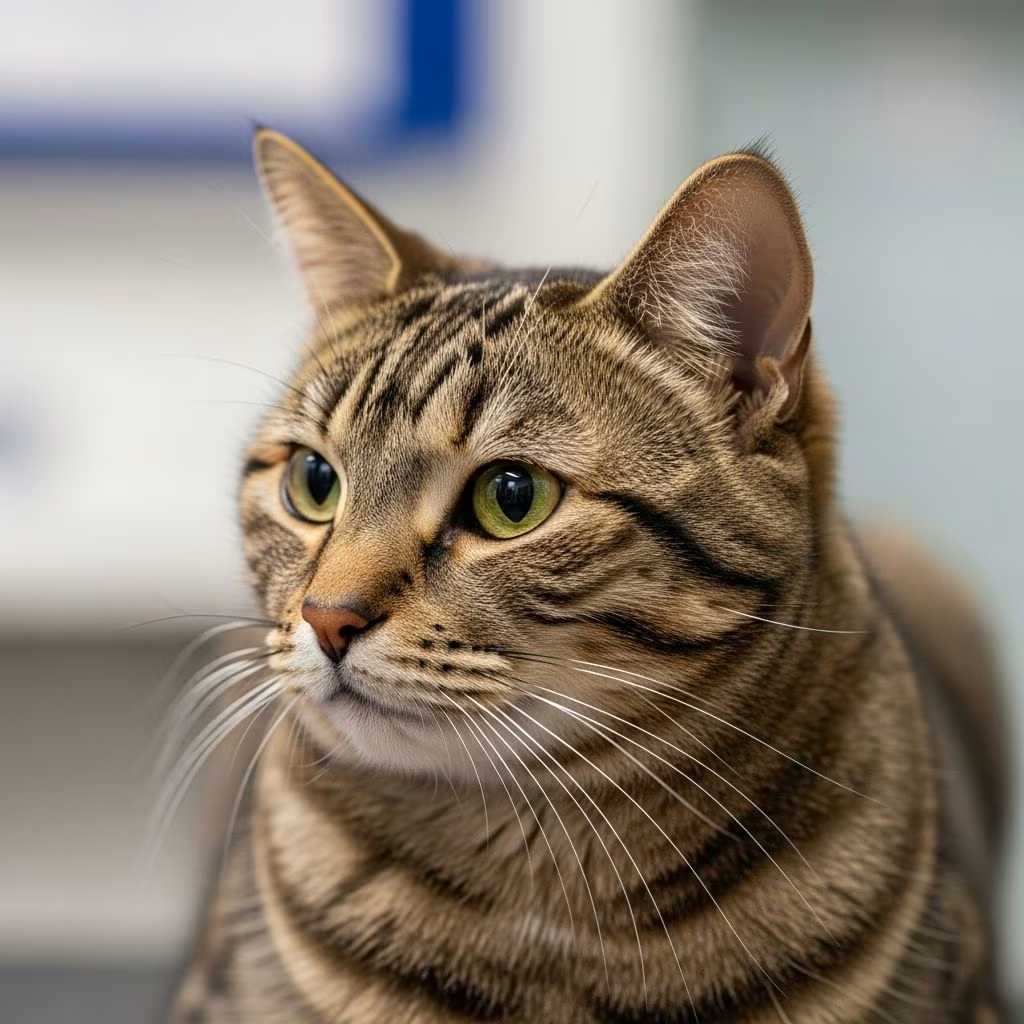
Hypertrophic cardiomyopathy (HCM) is the most common heart disease in cats, affecting up to one in seven cats, with the vast majority of cases remaining subclinical. This condition causes the walls of the heart, particularly the left ventricle, to thicken abnormally, impairing the heart’s ability to pump blood effectively and potentially leading to serious complications like heart failure or blood clots.
What is Hypertrophic Cardiomyopathy in Cats?
Hypertrophic cardiomyopathy in cats, often abbreviated as HCM, involves a defect in the cardiac myocytes that leads to thickening of the heart muscle, especially the left ventricular wall. This thickening reduces the heart’s chamber size, making it harder for the heart to fill with blood during diastole and pump efficiently during systole. HCM is considered a primary cardiomyopathy in cats, distinct from secondary forms caused by other diseases.
The condition can progress silently for years in asymptomatic cats, but in advanced stages, it may cause dynamic left ventricular outflow tract obstruction (DOLVOT), arrhythmias, or thromboembolism. While the exact cause is often genetic, especially in breeds like Maine Coons, Ragdolls, and Sphynx, it can affect any cat.
Symptoms of Hypertrophic Cardiomyopathy in Cats
Many cats with HCM show no outward signs initially, earning it the label of a ‘silent killer.’ When symptoms appear, they often indicate complications like congestive heart failure (CHF) or arterial thromboembolism (ATE), such as saddle thrombus. Common symptoms include:
- Arrhythmias (abnormal heart rhythms), which may cause lethargy or fainting
- Blood clots leading to pain/vocalization, trouble walking, cold rear limbs, vomiting, and breathing difficulties
- Fluid buildup in the lungs (pulmonary edema), causing crackles, wheezes, rapid or labored breathing, coughing, or open-mouth breathing
- Lethargy, decreased activity, or sudden collapse
- Tachycardia (rapid heart rate) or murmurs detected during vet exams
Owners might notice their cat hiding more, eating less, or struggling to breathe, especially after exertion. Acute signs like rear limb paralysis from a clot require immediate veterinary attention.
Causes of Hypertrophic Cardiomyopathy in Cats
HCM in cats is primarily genetic, with mutations identified in breeds predisposed to the disease. For instance, Maine Coon cats carry the MyBPC3 gene mutation, while similar genetic links exist in Ragdolls. However, not all cases are breed-specific; mixed-breed cats can develop it sporadically.
Secondary causes are less common but include hyperthyroidism, hypertension, or taurine deficiency (now rare due to commercial diets). Lack of blood flow to the thickened heart muscle can lead to fibrosis and end-stage disease. Environmental factors like stress may exacerbate progression, but genetics remain the dominant trigger.
Diagnosis of Hypertrophic Cardiomyopathy in Cats
Diagnosis starts with a thorough physical exam where a vet listens for heart murmurs or gallop rhythms and checks for arrhythmias via auscultation. Key diagnostic tools include:
- Echocardiogram: Gold standard, revealing left ventricular hypertrophy, reduced chamber size, and systolic anterior motion (SAM) of the mitral valve.
- Electrocardiogram (ECG): Detects arrhythmias.
- Chest X-rays: Assess lung fluid or enlarged heart silhouette.
- Blood tests: Rule out secondary causes like hyperthyroidism; NT-proBNP for heart stress.
Regular screening via echocardiograms is recommended for at-risk breeds, even without symptoms. Early detection allows monitoring and intervention before crises.
Treatment for Hypertrophic Cardiomyopathy in Cats
There is no cure for HCM, but treatments manage symptoms, prevent complications, and improve quality of life. Therapy varies by stage: asymptomatic, heart failure, or thromboembolic events. Medications are tailored individually:
| Medication Type | Examples | Purpose |
|---|---|---|
| Beta-blockers | Atenolol | Slow heart rate, reduce tachycardia, correct arrhythmias, decrease SAM and blood pressure |
| Calcium channel blockers | Diltiazem | Reduce ventricular wall thickness, prevent fluid buildup, relax heart muscle |
| ACE inhibitors | Benazepril, Enalapril | Lower blood pressure, ease heart workload, manage heart failure |
| Diuretics | Furosemide (Lasix), Spironolactone | Remove lung/chest fluid, improve breathing |
| Anticoagulants/antiplatelets | Clopidogrel, Aspirin (vet-approved), Warfarin | Prevent blood clots and thromboembolism |
| Inotropes | Pimobendan | Enhance heart contractility in selected cases |
| Other | Nitroglycerin ointment | Relax vessels, improve blood flow when applied to ears |
For acute crises, hospitalization with oxygen therapy, pleurocentesis (fluid drainage), or sedation (e.g., acepromazine) may be needed. Emerging therapies like rapamycin show promise in halting progression, with ongoing trials.
In asymptomatic cats, beta-blockers may be used theoretically to reduce obstruction risks, though survival benefits are unproven in felines.
Living and Managing HCM in Cats
Daily management focuses on stress reduction, a low-sodium diet, and consistent medication. Monitor breathing rate at home (normal <30 breaths/min at rest), weight, and activity. Avoid high-impact play; provide quiet environments. Regular vet check-ups with echoes track progression.
- Administer meds as prescribed; never use OTC human drugs without approval.
- Watch for clot signs: dragging hind legs, pain, cool extremities.
- Supplemental oxygen at home can relieve distress during flare-ups.
- Genetic testing for breeding cats to reduce heritability.
With proper care, many cats live comfortably for years post-diagnosis.
Prognosis for Cats with HCM
Prognosis varies widely. Asymptomatic cats may survive years with mild compromise. Symptomatic cases with CHF or clots have guarded outlooks, but early intervention improves longevity. Clopidogrel reduces thromboembolism risk significantly. Overall, managed HCM allows good quality of life.
End-stage disease involves fibrosis and refractory failure, but trials like rapamycin offer hope for better outcomes.
Prevention of Hypertrophic Cardiomyopathy in Cats
True prevention is challenging due to genetic roots, but screening at-risk breeds via echoes from young age helps. Avoid inbreeding; genetic tests for known mutations. Maintain heart-healthy diets (taurine-rich), control weight, and manage hypertension or thyroid issues promptly. Routine wellness exams catch preclinical HCM.
Frequently Asked Questions (FAQs)
What is the most common symptom of HCM in cats?
Symptoms often include rapid breathing, lethargy, or sudden hind limb weakness from clots, but many cats are asymptomatic initially.
Can HCM in cats be cured?
No, HCM cannot be cured, but medications and supportive care manage it effectively, improving quality of life.
How is HCM diagnosed in cats?
Primarily via echocardiogram, supplemented by ECG, X-rays, and blood tests.
What medications are used for HCM?
Common ones include beta-blockers (atenolol), diuretics (furosemide), ACE inhibitors (benazepril), and clopidogrel for clot prevention.
What is the prognosis for cats with HCM?
Variable; asymptomatic cats can live years, while advanced cases need aggressive management but can still have good outcomes with treatment.
Are certain breeds more prone to HCM?
Yes, Maine Coons, Ragdolls, Sphynx, and Persians have higher risks due to genetics.
References
- Feline Hypertrophic Cardiomyopathy (HCM) in Cats — PetMD. 2023. https://www.petmd.com/cat/conditions/cardiovascular/feline-hypertrophic-cardiomyopathy-hcm-cats
- Medications for HCM in Cats: What Owners Should Know — Pawprint Oxygen. 2023. https://pawprintoxygen.com/blogs/healthy-paws/medications-for-hcm-in-cats-what-owners-should-know
- Hypertrophic Cardiomyopathy in Cats (HCM) — VetSpecialists.com. 2020-04-29. https://www.vetspecialists.com/vet-blog-landing/animal-health-articles/2020/04/29/hypertrophic-cardiomyopathy-in-cats
- Caring for Cats with Cardiomyopathies — DVM360. Accessed 2023. https://www.dvm360.com/view/caring-cats-with-cardiomyopathies
- Hypertrophic Cardiomyopathy in Dogs and Cats — Merck Veterinary Manual. Accessed 2023. https://www.merckvetmanual.com/circulatory-system/cardiomyopathy-in-dogs-and-cats/hypertrophic-cardiomyopathy-in-dogs-and-cats
- Hypertrophic Cardiomyopathy — Cornell University College of Veterinary Medicine. Accessed 2023. https://www.vet.cornell.edu/departments-centers-and-institutes/cornell-feline-health-center/health-information/feline-health-topics/hypertrophic-cardiomyopathy



