

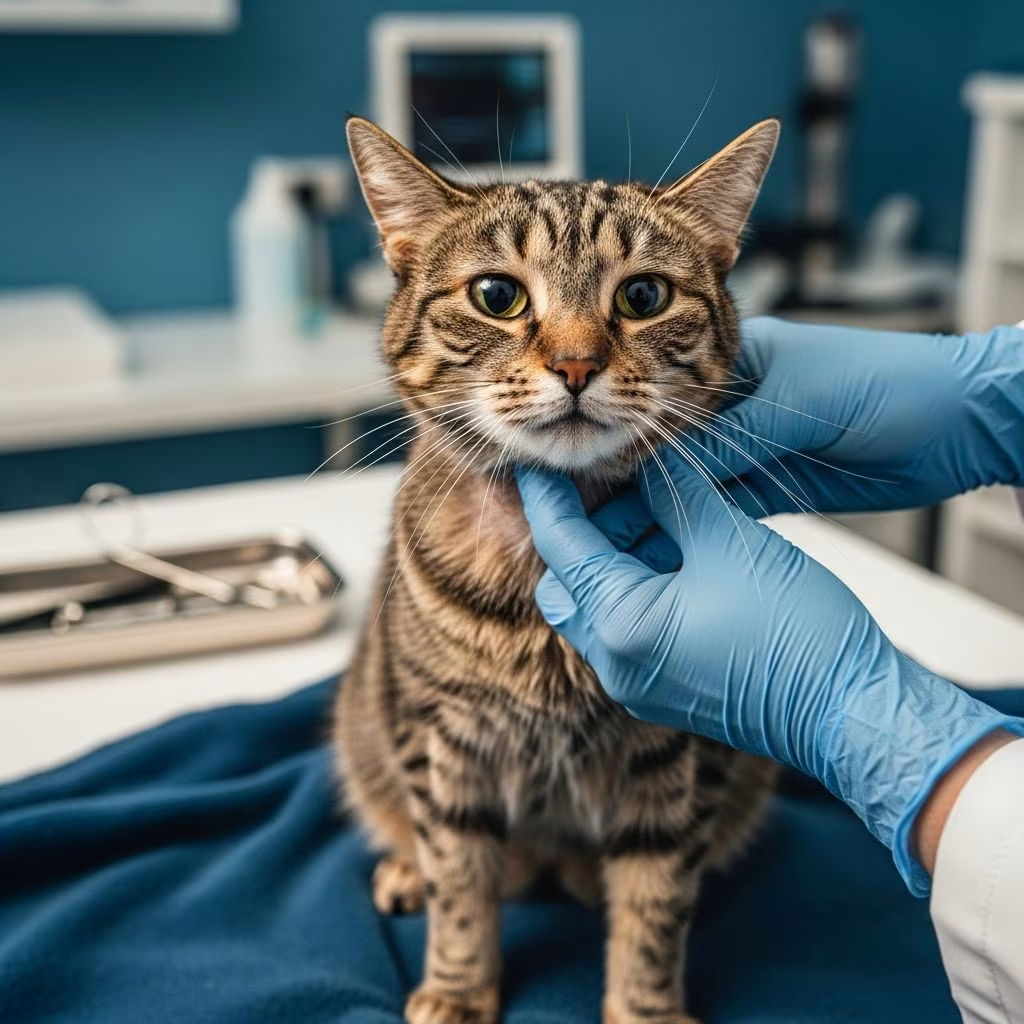
Understanding Hyperthyroidism in Cats
Hyperthyroidism is one of the most common endocrine disorders affecting feline companions, particularly as they age. This condition develops when one or both thyroid glands become enlarged and overactive, leading to an excessive production of thyroid hormones. The thyroid glands, located in your cat’s neck, play a crucial role in regulating metabolism and numerous body processes. When these glands malfunction and produce too much thyroid hormone, cats experience a cascade of health problems that can significantly impact their quality of life.
Most commonly, hyperthyroidism develops in cats around 13 years of age, though it can affect felines of any age. The condition occurs in approximately 97-99% of cases due to benign growths or nodules within the thyroid gland, with only 1-3% of cases resulting from thyroid cancer. Understanding this condition is essential for cat owners, as early detection and appropriate treatment can help manage symptoms and prevent serious complications.
What Causes Hyperthyroidism in Cats?
The exact underlying cause of feline hyperthyroidism remains somewhat mysterious to veterinary researchers, though several theories have emerged over the years. In most hyperthyroid cats, the condition results from hyperfunctioning thyroid nodules that produce excess thyroid hormones independently of the pituitary gland’s normal regulatory control.
Multiple factors have been investigated as potential contributors to developing hyperthyroidism:
- Advancing age, which increases the risk significantly
- Certain fish-flavored canned food diets, as suggested by some research reports
- Flame-retardant chemicals (PBDEs) found in furniture, carpeting, and circulated through house dust
- Benign thyroid tumors or nodules that develop without a clear preventive mechanism
- Rarely, thyroid cancer as an underlying cause
In more than 70% of hyperthyroid cats, both thyroid glands become enlarged and involved in the disease process. This bilateral involvement suggests a systemic issue rather than a localized problem, though the specific trigger remains elusive. The condition has similarities to toxic nodular goiter, one of the two main causes of hyperthyroidism in humans.
Recognizing Hyperthyroidism Symptoms in Cats
Hyperthyroidism symptoms in cats typically develop gradually but can become increasingly severe over time. Cat owners should be alert to the following signs, which may appear subtle at first:
Primary Symptoms
- Significant weight loss despite an increased or ravenous appetite
- Increased thirst and water consumption
- Increased urination, sometimes in inappropriate locations outside the litter box
- Hyperactivity and restlessness
- Vomiting and diarrhea or loose stool
- Unkempt or greasy appearance with matted hair
Behavioral and Secondary Symptoms
- Aggressive or demanding behavior
- Anxiety and nervousness
- Weakness and difficulty breathing
- Depression and lethargy in some cases
- A very fast heartbeat that may be felt when the cat sits on you
- Hair loss or alopecia
- Noisy and demanding vocalizations
While most hyperthyroid cats display increased appetite and restlessness, some may present with generalized weakness, lethargy, and loss of appetite, which can make diagnosis more challenging. Some cat owners may also notice one or two small lumps in the neck area under the skin, representing the enlarged thyroid glands.
Complications Associated with Hyperthyroidism
If left untreated, hyperthyroidism can be serious and potentially fatal. The excessive thyroid hormone production accelerates metabolism and places significant strain on the cat’s cardiovascular system. Hyperthyroidism can predispose cats to develop secondary medical conditions, most notably high blood pressure and heart disease. These complications can lead to further health deterioration if not properly managed.
Diagnosing Hyperthyroidism in Cats
Accurate diagnosis of hyperthyroidism involves a combination of clinical assessment and laboratory testing. Your veterinarian will perform a comprehensive evaluation to confirm the diagnosis and assess your cat’s overall health status.
Diagnostic Tests
- Blood chemistry panel measuring thyroid hormone levels, typically showing elevated amounts of thyroid hormone in the bloodstream
- Urine testing to assess kidney function and overall health
- Ultrasound of the heart to evaluate cardiac health and detect any complications
- Blood pressure measurement to screen for hypertension
Most cats with hyperthyroidism will have notably elevated thyroid hormone levels detectable through blood testing. Your veterinarian will use these results in combination with clinical signs to confirm the diagnosis and establish a baseline for treatment planning.
Treatment Options for Hyperthyroid Cats
Several effective treatment options are available for managing feline hyperthyroidism, each with distinct advantages and disadvantages. The choice of treatment depends on your cat’s overall health status, your ability to administer medication regularly, financial considerations, and availability of specialized facilities.
Medication (Methimazole)
Medication is often the most common treatment choice for hyperthyroidism. Anti-thyroid drugs like methimazole help reduce the production of thyroid hormones and can be administered in multiple forms.
Administration Methods:
- Twice-daily oral tablets that must be given for the remainder of the cat’s life
- Transdermal gel formulated by a compounding pharmacy that can be applied directly to the cat’s ear
- Liquid formulations for cats that have difficulty taking tablets
Important Considerations: While medication is relatively inexpensive, it requires lifelong administration, and treatment must continue indefinitely—if you stop the medication, symptoms will return. Some cats may experience side effects including vomiting, fever, low energy, weight loss, and facial itching, which indicates the cat cannot tolerate the medication. Methimazole is often given before radioiodine treatment or surgery to stabilize your cat’s clinical signs.
Radioactive Iodine Therapy
Radioactive iodine therapy, also known as I-131 treatment, is considered the gold standard therapy for feline hyperthyroidism when available. This treatment can cure hyperthyroidism in most cases with a single administration.
How It Works: During treatment, radioactive iodine is injected directly into the cat’s bloodstream. The thyroid gland rapidly absorbs the iodine, and the emitted radiation destroys the abnormal thyroid tissue without damaging surrounding tissues or parathyroid glands. The majority of cats treated with radioactive iodine return to normal hormone levels within one to two weeks of treatment.
Treatment Process: This specialized treatment is performed only at specialty radiotherapy facilities. After therapy administration, cats are kept in the hospital for a short period. When cats return home, they must be isolated due to the radioactive nature of the treatment. The cat’s thyroid levels are monitored after treatment, and rare cases may require a second treatment.
Advantages: Radioactive iodine therapy often eliminates the need for long-term medication and provides curative or near-curative results.
Surgical Thyroid Removal
Surgical removal of the diseased thyroid gland, known as thyroidectomy, is another potential treatment option that can provide a permanent cure. Surgery often provides a long-term or permanent cure for most cats and is a common treatment choice for hyperthyroid felines.
Surgical Considerations: Thyroidectomy has a good success rate and can eliminate the need for long-term medication. However, surgery does require your cat to undergo anesthesia, which could pose a higher risk for older cats or those with significant cardiac complications. Surgical removal of the affected thyroid gland works best when only one thyroid gland is affected, as removal of both could potentially lead to hypothyroidism.
Post-Surgical Monitoring: Cats treated surgically must be monitored afterward for hypothyroidism, a condition opposite to hyperthyroidism. Another complication that can occur after surgical removal of the affected thyroid gland is the successive hyperactivity of the remaining thyroid gland.
Dietary Therapy
A low-iodine diet represents a less common but viable treatment option for some cats. Prescription iodine-limited diets can resolve clinical signs and lower thyroid hormone concentration by preventing the thyroid from overproducing thyroid hormone.
Important Restrictions: If you decide to use dietary therapy as a treatment option, your cat cannot be fed anything else, including treats or other food sources. This strict dietary requirement can make it challenging for multi-cat households or cats with strong food preferences.
Comparison of Treatment Options
| Treatment Option | Curative | Long-term Commitment | Cost | Risks/Considerations |
|---|---|---|---|---|
| Medication | No | Lifelong medication required | Low | Potential side effects; daily administration |
| Radioactive Iodine | Yes | Usually not required | High | Requires specialist facility; post-treatment isolation |
| Surgery | Yes | Post-surgical monitoring needed | Moderate to High | Anesthesia risk; potential for hypothyroidism |
| Diet Therapy | Possibly | Strict dietary control required | Low to Moderate | Requires exclusive feeding; less commonly used |
Managing a Hyperthyroid Cat
Well-managed hyperthyroid cats can live for many years with appropriate treatment and monitoring. Regardless of which treatment option you choose, working closely with your veterinarian is essential for optimal outcomes. Your vet will help you select the most appropriate treatment based on your cat’s individual circumstances, including age, overall health, presence of cardiac complications, and your lifestyle and financial situation.
Regular follow-up appointments and thyroid hormone monitoring ensure that your chosen treatment remains effective and allow your veterinarian to adjust treatment plans as needed. Many cats respond well to treatment and show significant improvement in symptoms within weeks of starting therapy.
Frequently Asked Questions About Feline Hyperthyroidism
Q: At what age do cats typically develop hyperthyroidism?
A: Hyperthyroidism most commonly occurs in cats around 13 years of age, though it can develop in felines of any age. It is one of the most common diseases in senior cats.
Q: Is hyperthyroidism in cats fatal if untreated?
A: Yes, hyperthyroidism is serious and can be fatal if left untreated. The excessive thyroid hormone production can lead to severe complications including heart disease and high blood pressure, which can compromise vital organ function.
Q: Can hyperthyroidism in cats be cured?
A: Yes, some treatments offer curative or near-curative results. Radioactive iodine therapy and surgery can cure most cases of hyperthyroidism. Medication and diet management control symptoms but do not cure the condition, requiring lifelong treatment.
Q: What is the most effective treatment for hyperthyroidism in cats?
A: Radioactive iodine therapy is considered the gold standard treatment when available, with the highest success rate in curing hyperthyroidism. However, the best treatment depends on your individual cat’s health status and your circumstances.
Q: How long can a cat live with hyperthyroidism?
A: Well-managed hyperthyroid cats can live for many years with appropriate treatment and regular monitoring. The prognosis depends on the treatment chosen, the cat’s overall health, and how well the condition is controlled.
Q: Will my cat need medication for life if I choose medical treatment?
A: Yes, if you choose medication as your treatment option, your cat will require daily or twice-daily medication for the remainder of their life. If medication is stopped, hyperthyroidism symptoms will return.
Q: Are there any side effects to hyperthyroidism medications?
A: Some cats may experience side effects from anti-thyroid medications, including vomiting, fever, low energy, weight loss, and facial itching. Your veterinarian can help manage these side effects or explore alternative treatment options.
Q: Can diet alone treat hyperthyroidism in cats?
A: A low-iodine prescription diet can help resolve clinical signs and lower thyroid hormone concentration in some cats. However, your cat cannot eat anything else, including treats, making this treatment option challenging for many households.
References
- Hyperthyroidism In Cats (Overactive Thyroid): Symptoms & Treatments — WebMD. Accessed 2025-11-28. https://www.webmd.com/pets/cats/cat-hyperthyroidism
- Hyperthyroidism in Cats: Symptoms and Treatment — PetMD. Accessed 2025-11-28. https://www.petmd.com/cat/conditions/endocrine/c_ct_hyperthyroidism
- Hyperthyroidism in cats — International Cat Care. 2025-01-29. https://icatcare.org/articles/hyperthyroidism-in-cats
- Hyperthyroidism in Cats — Cornell University College of Veterinary Medicine. Accessed 2025-11-28. https://www.vet.cornell.edu/departments-centers-and-institutes/cornell-feline-health-center/health-information/feline-health-topics/hyperthyroidism-cats
- Hyperthyroidism in cats — PDSA. Accessed 2025-11-28. https://www.pdsa.org.uk/pet-help-and-advice/pet-health-hub/conditions/hyperthyroidism-in-cats
- Hyperthyroidism in Cats — VCA Animal Hospitals. Accessed 2025-11-28. https://vcahospitals.com/know-your-pet/hyperthyroidism-in-cats
- Hyperthyroidism (Overactive thyroid) in Cats — Blue Cross. Accessed 2025-11-28. https://www.bluecross.org.uk/advice/cat/health-and-injuries/hyperthyroidism-overactive-thyroid-in-cats



