

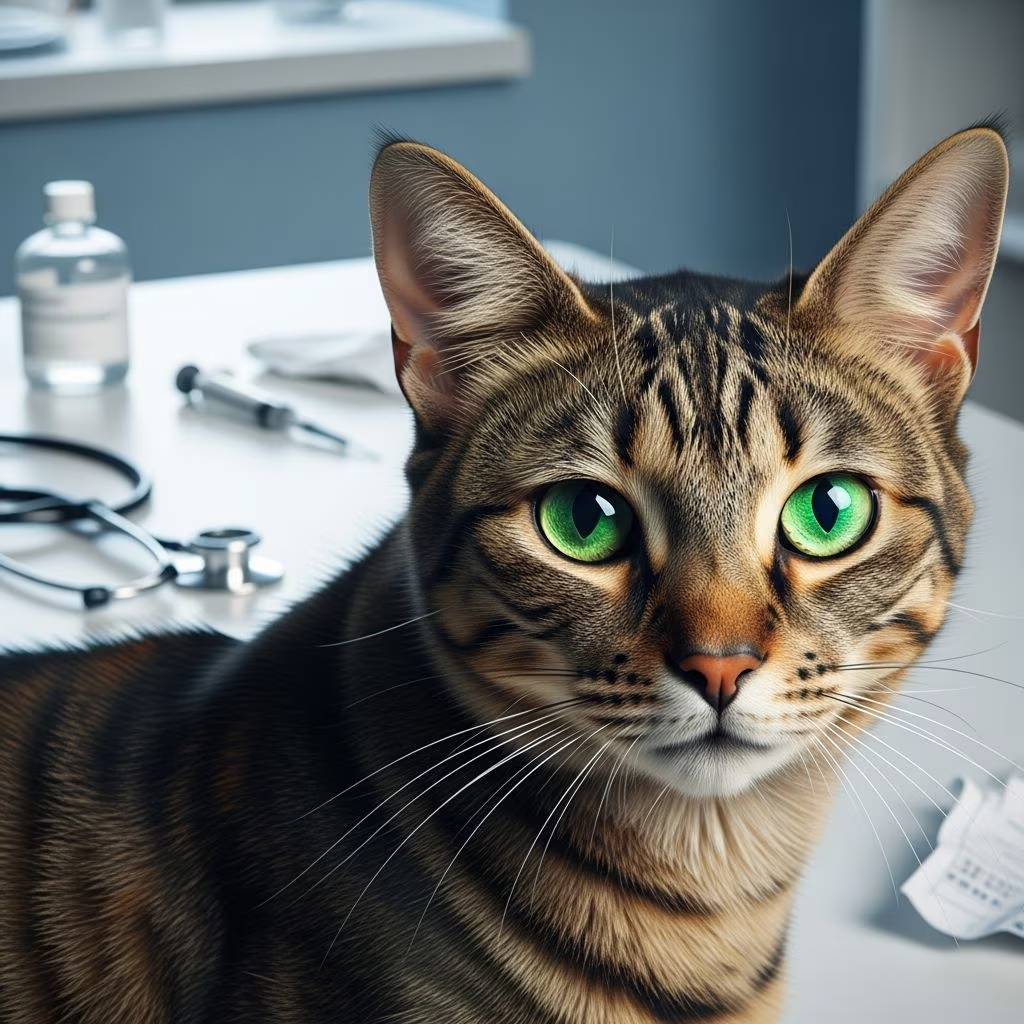
Hyperthyroidism is one of the most common endocrine disorders in older cats, characterized by the overproduction of thyroid hormones from enlarged thyroid glands in the neck, leading to an accelerated metabolism and various health issues.
What is Hyperthyroidism in Cats?
The thyroid glands, located on either side of the cat’s windpipe in the neck, produce hormones such as T4 (thyroxine) and T3 (triiodothyronine) that regulate metabolism, energy use, heart rate, and other vital functions. In hyperthyroidism, these glands become enlarged—often both in over 70% of cases—due to benign changes resembling toxic nodular goiter in humans, producing excessive hormones. This speeds up the body’s processes, causing cats to burn energy rapidly despite eating more. Primarily affecting cats over 10 years old, it impacts nearly all organs, potentially leading to secondary issues like heart disease, high blood pressure, kidney problems, and muscle wasting.
Though the exact cause remains unknown, environmental factors and genetics may contribute. Early detection is crucial as signs start subtly but worsen, sometimes masked by concurrent age-related diseases.
Symptoms of Hyperthyroidism in Cats
Symptoms develop gradually and vary, but classic signs include:
- Weight loss: Despite a good or increased appetite (polyphagia), cats lose muscle mass due to hypermetabolism.
- Increased thirst (polydipsia) and urination: Cats drink and urinate more frequently.
- Restlessness or hyperactivity: Affected cats are often irritable, vocalize more (especially at night), and seem agitated.
- Poor coat quality: Unkempt, greasy, or matted fur from neglect during excessive activity.
- Increased heart rate (tachycardia) and potential heart thickening, leading to murmurs or failure.
- Gastrointestinal issues: Mild diarrhea, vomiting, or in advanced cases, anorexia and lethargy.
- Heat intolerance: Seeking cool spots or panting when stressed, unusual for cats.
In advanced stages, weakness, aggression, or secondary conditions like hypertension damaging eyes, kidneys, or brain may appear. Not all cats show every symptom, complicating diagnosis.
Causes of Hyperthyroidism in Cats
Most cases (over 95%) stem from benign hyperplasia or adenoma in one or both thyroid lobes, rarely malignant adenocarcinoma. Unlike humans, iodine deficiency isn’t primary, but dietary iodine restriction aids treatment. Risk factors include age (peak at 12-13 years), indoor living, and possible environmental toxins, though unproven. Concurrent diseases like chronic kidney disease (common in seniors) can mask or complicate hyperthyroidism.
Diagnosis of Hyperthyroidism in Cats
Veterinarians start with a physical exam, palpating the neck for enlarged thyroid glands (goiter), checking heart rate, and blood pressure. Key diagnostics include:
- Blood tests: Elevated total T4 is diagnostic in most (90-95%) cases; borderline cases need T3, free T4, or TSH tests.
- Complete blood chemistry and urinalysis: Assess kidney function (azotemia risk post-treatment), liver enzymes (often elevated), and dilute urine (USG <1.035).
- Additional tests: ECG, echocardiography for heart changes; NT-proBNP for cardiomyopathy; blood pressure for hypertension.
Up to 10% of cats have normal T4 initially, requiring repeat testing or scintigraphy (thyroid scan). Evaluate comorbidities like kidneys and heart before treatment, as correcting thyroid can unmask issues.
Treatment Options for Hyperthyroidism in Cats
Four main treatments exist, chosen based on cat’s health, owner preferences, cost, and availability. All require lifelong monitoring of thyroid levels, kidneys, and blood pressure.
1. Medication (Anti-Thyroid Drugs)
Methimazole (Felimazole) or carbimazole blocks hormone production; dosed 1.25-2.5 mg twice daily orally. Effective in 80-90% but lifelong, with side effects like vomiting, appetite loss (10%), or rare liver/rare blood dyscrasias. Twice-daily dosing minimizes risks; transdermal options for hard-to-pill cats. Recheck blood in 2-4 weeks, adjust dose.
2. Radioactive Iodine Therapy (I-131)
Gold standard: Single injection destroys abnormal tissue selectively; 95%+ cure rate, normal T4 in 1-2 weeks, no anesthesia needed.[10] Hospitalization 3-7 days for radiation safety; not everywhere available, costs $1,500-3,000. Excellent for mild-moderate cases; re-treatment rare (5%).
3. Surgery (Thyroidectomy)
Removes enlarged glands; curative if both affected, but risks include parathyroid damage (low calcium), laryngeal paralysis, or recurrence if ectopic tissue. Best for young/healthy cats; requires anesthesia, pre-treatment stabilization.
4. Iodine-Restricted Diet
Hill’s y/d: Limits iodine for hormone synthesis; 80% effective in mild cases after 8-12 weeks if exclusive (no treats, prey, other food). Monitors needed; reverts if diet lapsed. Not curative, suits non-hunters.
| Treatment | Pros | Cons | Cure Rate |
|---|---|---|---|
| Medication | Non-invasive, adjustable | Lifelong, side effects | Control, not cure |
| I-131 | One-time cure, selective | Cost, availability | 95%+ |
| Surgery | Curative | Anesthesia risks | 90-95% |
| Diet | Non-drug | Strict compliance | 80% mild cases |
Prognosis and Management After Treatment
Successfully treated cats reverse signs: regain weight, calm down, improve coat. Monitor T4 every 1-3 months initially, then 6-12; kidney function may decline post-treatment (20-30%), needing fluids or diet. Hypertension resolves in most; persistent heart issues require evaluation. Appetite may overshoot initially—feed measured meals. Most live normal lifespans.
Preventing Hyperthyroidism in Cats
No proven prevention, but regular senior check-ups (yearly bloodwork post-7 years) enable early detection. Balanced iodine diet; minimize stressors. Research ongoing into causes.
Frequently Asked Questions (FAQs)
What are the first signs of hyperthyroidism in cats?
Early signs include subtle weight loss despite good appetite, increased thirst/urination, and mild restlessness.
Can hyperthyroidism in cats be cured?
Yes, I-131 therapy and surgery cure most cases; medication and diet manage lifelong.[10]
How much does radioactive iodine treatment cost for cats?
Typically $1,500-$3,000, varying by location; often most cost-effective long-term.
Is a special diet enough for hyperthyroid cats?
Only if mild and strictly exclusive; ineffective otherwise.
Can hyperthyroidism cause kidney failure in cats?
It masks kidney disease; treatment can reveal/unmask it, requiring management.
References
- Hyperthyroidism in cats — International Cat Care. 2025-01-29. https://icatcare.org/articles/hyperthyroidism-in-cats
- Hyperthyroidism in Cats — VCA Animal Hospitals. N/A. https://vcahospitals.com/know-your-pet/hyperthyroidism-in-cats
- Hyperthyroidism in Cats — Cornell University College of Veterinary Medicine. N/A. https://www.vet.cornell.edu/departments-centers-and-institutes/cornell-feline-health-center/health-information/feline-health-topics/hyperthyroidism-cats
- Hyperthyroidism in Animals — Merck Veterinary Manual. N/A. https://www.merckvetmanual.com/endocrine-system/the-thyroid-gland/hyperthyroidism-in-animals
- Hyperthyroidism in Cats: Our Complete Guide — Everypaw. N/A. https://www.everypaw.com/all-things-pet/hyperthyroidism-in-cats
- 2016 AAFP Guidelines for the Management of Feline Hyperthyroidism — Journal of Feline Medicine and Surgery (SAGE). 2016. https://journals.sagepub.com/doi/10.1177/1098612X16643252
- Management of Feline Hyperthyroidism Guidelines — American Association of Feline Practitioners. 2016. https://catvets.com/resource/management-of-feline-hyperthyroidism-guidelines/



