

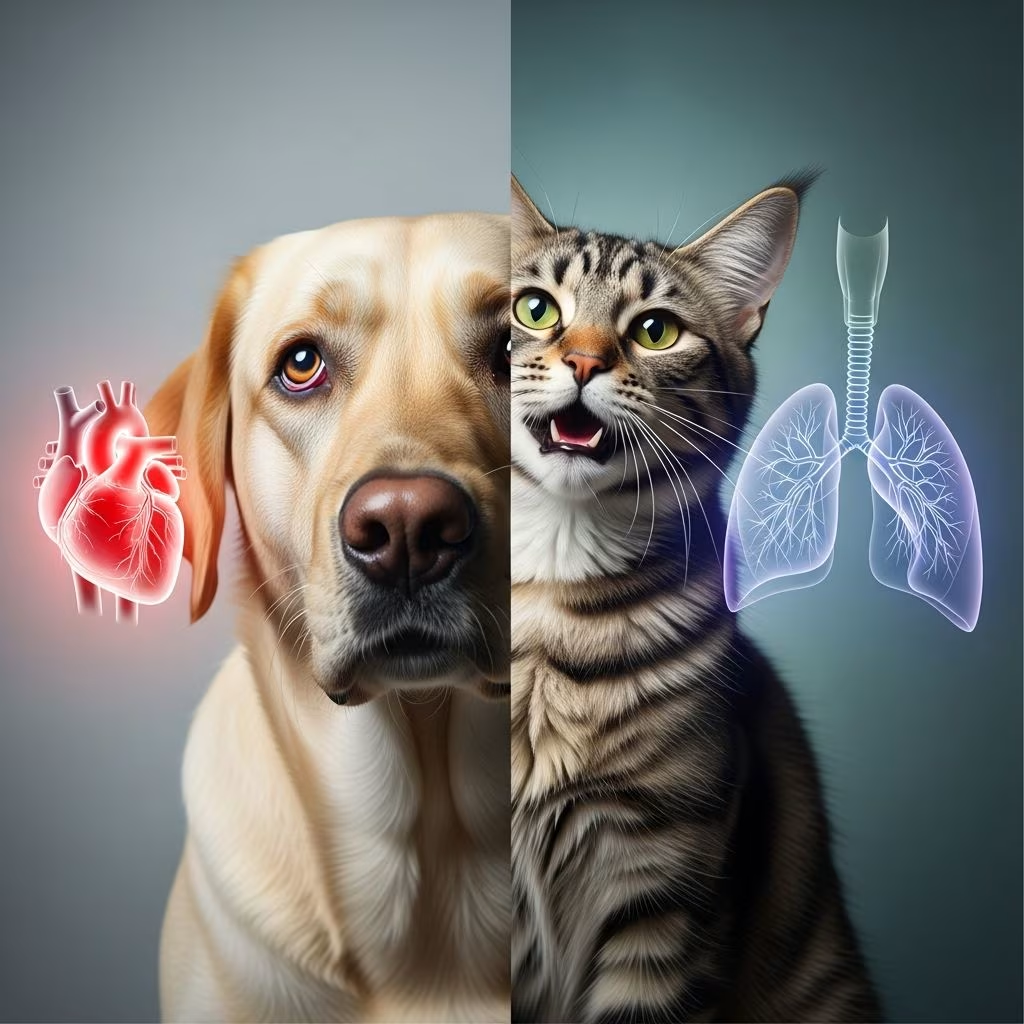
Hypertension, or high blood pressure, poses significant threats to the cardiovascular health of dogs and cats. This condition manifests in two primary forms: systemic hypertension, which elevates pressure in the body’s main arteries, and pulmonary hypertension, which increases pressure within the lungs’ blood vessels. While often silent in early stages, these disorders can lead to severe complications like organ damage, vision loss, and heart failure if not addressed promptly.
Understanding Systemic Hypertension in Companion Animals
Systemic hypertension occurs when arterial blood pressure exceeds normal levels, straining vital organs such as the kidneys, eyes, brain, and heart. In veterinary medicine, this is predominantly a secondary condition linked to underlying diseases rather than a primary idiopathic form, which is rare in pets unlike in humans.
Primary Causes and Risk Factors
- Renal disorders: Chronic kidney disease or failure is the leading cause in both dogs and cats, disrupting blood pressure regulation.
- Endocrine imbalances: Hyperthyroidism predominates in cats, while hyperadrenocorticism (Cushing’s disease), diabetes mellitus, and rare tumors like pheochromocytoma affect dogs.
- Other contributors: Conditions such as protein-losing nephropathy or erythrocytosis can exacerbate pressure buildup.
Older pets, particularly cats over 10 years and small-breed dogs, face heightened risks due to age-related organ decline.
Recognizing Clinical Manifestations
Many pets with mild to moderate systemic hypertension show no outward signs, making routine screening essential. When severe, the most frequent indicator is sudden blindness from retinal damage, including hemorrhages, detachments, tortuosity of vessels, and edema. Other signs include neurological issues like seizures or disorientation from brain lesions, nosebleeds, and rarely, aortic aneurysms. Bloodwork often reveals elevated kidney markers (BUN, creatinine) or high thyroxine levels in hyperthyroid cats.
Diagnostic Approaches for Systemic High Blood Pressure
Accurate diagnosis hinges on repeated blood pressure measurements, as single readings can be influenced by stress. Direct arterial puncture provides the gold standard but is invasive; instead, indirect Doppler ultrasonography on the radial artery (forelimb) or tail is standard, targeting systolic pressures.
| Pressure Category | Systolic BP (mm Hg) | Target Organ Damage Risk |
|---|---|---|
| Normotensive | <140 | Minimal |
| Prehypertensive | 140-159 | Low |
| Hypertensive | 160-179 | Moderate |
| Severely Hypertensive | ≥180 | High |
This classification guides intervention, with treatment recommended for consistent readings above 160 mm Hg accompanied by organ damage. Complementary diagnostics include fundoscopic exams for retinal changes, urinalysis, blood chemistry, and thyroid panels.
Treatment Strategies for Systemic Hypertension
Management prioritizes treating the root cause while using vasodilators to lower pressure. In cats, calcium channel blockers like amlodipine (0.625-1.25 mg/cat daily) or angiotensin receptor blockers such as telmisartan are first-line, often combined for optimal control. ACE inhibitors, beta-blockers, and diuretics play adjunct roles but are less potent alone. Dogs may respond similarly, with added emphasis on underlying disease therapy. Monitoring involves serial pressure checks and organ function tests to adjust dosing and avert complications like hypotension.
Pulmonary Hypertension: Pressures in the Lung Circuit
Pulmonary hypertension (PH) defines elevated pressure in the pulmonary arteries (>30 mm Hg systolic), overburdening the right heart and impairing lung oxygenation. Predominantly secondary in pets, it arises from diverse etiologies grouped by mechanism.
Key Etiologies Across Species
- Left-sided heart failure: Most common in dogs, causing post-capillary pressure backup.
- Lung pathologies: Chronic bronchitis, fibrosis, pneumonia, or asthma (especially cats) lead to hypoxic vasoconstriction.
- Thromboembolic events: Blood clots obstruct vessels, frequent in dogs.
- Parasitic invasions: Heartworm in dogs, lungworms in cats.
- Congenital defects: Shunts like patent ductus arteriosus increase flow.
Small senior dogs are particularly susceptible, with cats less commonly affected but at risk from respiratory issues.
Symptoms and Physical Findings
Early PH may be subclinical, but progression yields right heart failure signs: exercise intolerance, fainting (syncope), rapid labored breathing, coughing, lethargy, abdominal fluid buildup (ascites), and jugular vein distension. Radiographs may show enlarged pulmonary arteries or right heart enlargement.
Diagnosing Pulmonary Hypertension
Echocardiography by a veterinary cardiologist is the cornerstone, estimating pressures via tricuspid regurgitation jet velocity. Supportive tests include chest X-rays for vascular patterns, blood gases for hypoxia, and heartworm antigen screening. Direct catheterization is confirmatory but seldom used.
Therapeutic Interventions for Lung Hypertension
Tailor treatment to the cause: heartworm eradication can reverse PH, while bronchodilators aid chronic lung disease. Vasodilators like sildenafil (1-3 mg/kg PO q8-12h) are pivotal for symptomatic relief, reducing pressures, halting syncope, and easing ascites. Pimobendan benefits PH from left heart failure, and tadalafil offers similar potential. Long-term success depends on early detection and comorbidity management.
Preventive Measures and Prognosis
Regular veterinary check-ups with blood pressure screening in at-risk pets (seniors, kidney patients) enable early intervention. Heartworm preventives and prompt respiratory care mitigate PH risks. Prognosis varies: secondary systemic hypertension improves with cause control, while idiopathic PH carries guarded outcomes but quality of life enhancements via therapy.
Frequently Asked Questions (FAQs)
What are the first signs of hypertension in my dog or cat?
Sudden blindness, lethargy, or breathing difficulties; many cases are asymptomatic initially.
How often should I check my pet’s blood pressure?
Annually for seniors or those with kidney/thyroid issues; more frequently if diagnosed.
Is pulmonary hypertension curable?
Often manageable, reversible if cause-specific like heartworm, but chronic in lung disease cases.
Can diet help manage pet hypertension?
Low-sodium renal diets support kidney-related cases alongside medications.
What breeds are prone to these conditions?
Small breeds like Chihuahuas for PH; any older cat for systemic hypertension.
References
- Systemic and Pulmonary Hypertension in Dogs and Cats — Merck Veterinary Manual. 2023. https://www.merckvetmanual.com/circulatory-system/various-cardiovascular-diseases-in-dogs-and-cats/systemic-and-pulmonary-hypertension-in-dogs-and-cats
- Pulmonary Hypertension in Dogs and Cats — Crown Veterinary. 2025-05. https://crownvet.com/wp-content/uploads/2025/05/Pulmonary-Hypertension.pdf
- Radiographic Features of Pulmonary Hypertension in Dogs and Cats — Today’s Veterinary Practice. 2023. https://todaysveterinarypractice.com/radiology-imaging/radiographic-features-of-pulmonary-hypertension-in-dogs-and-cats/
- ACVIM Consensus Statement: Guidelines for the Identification… — PMC (PubMed Central). 2018-10-26. https://pmc.ncbi.nlm.nih.gov/articles/PMC6271319/
- Pulmonary Hypertension — MU Veterinary Health Center. 2024. https://vhc.missouri.edu/small-animal-hospital/small-animal-internal-medicine/diseases-and-treatments/pulmonary-hypertension/
- ACVIM Consensus Statement Guidelines for the Diagnosis… — Wiley Online Library. 2022. https://onlinelibrary.wiley.com/doi/10.1111/jvim.15725



