
Hypersensitivity Pneumonitis In Cattle: Prevention & Care
Understanding allergic lung inflammation in dairy and beef cattle operations
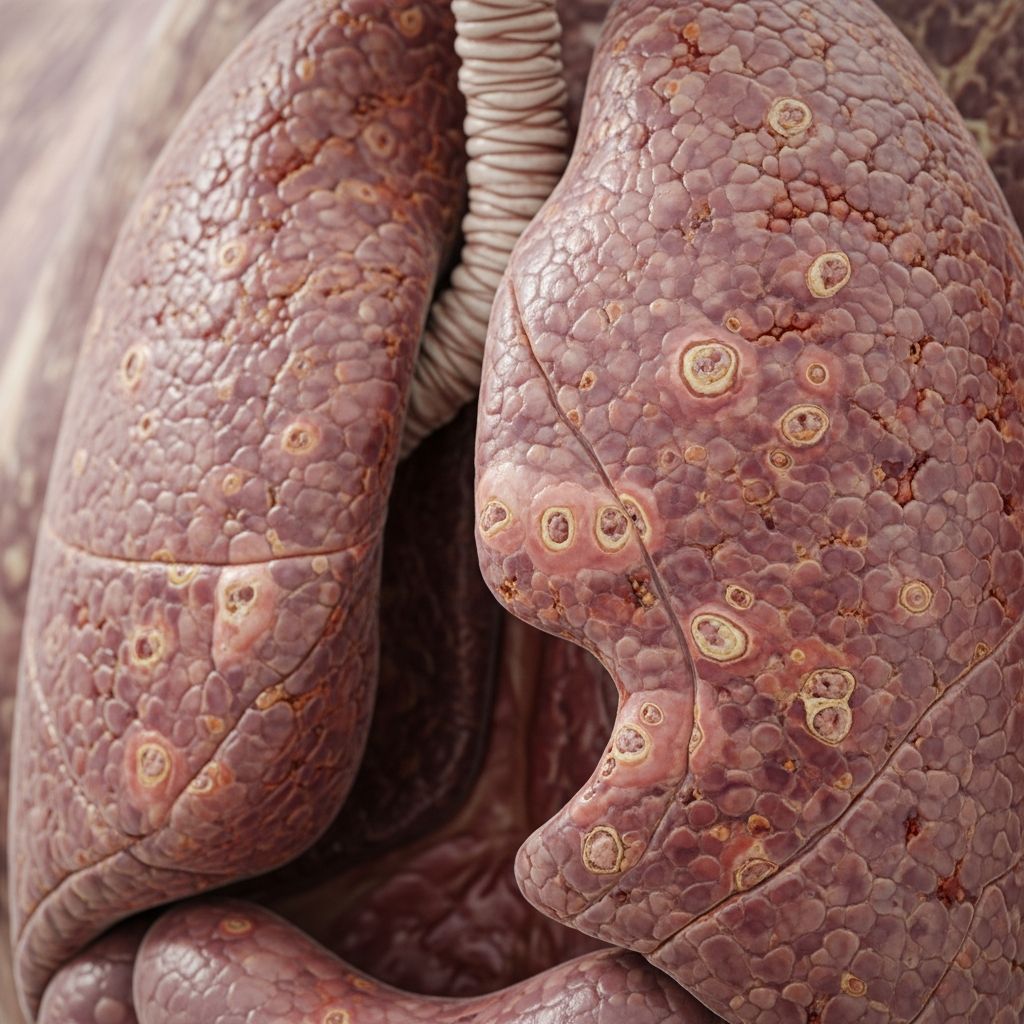
Introduction to Bovine Allergic Lung Disease
Hypersensitivity pneumonitis represents a distinct form of respiratory disease affecting cattle that differs fundamentally from infectious lung conditions. This allergic inflammatory disorder emerges when cattle inhale specific environmental antigens over extended periods, triggering an exaggerated immune response within the lungs. The condition is particularly relevant to agricultural operations, as the disease develops through repeated exposure to organic materials commonly found in farming environments rather than through pathogenic infection.
Understanding this condition is essential for cattle producers because it affects both dairy and beef operations, potentially impacting herd productivity and animal welfare. The disease progresses through distinct stages, with early recognition and management significantly influencing outcomes for affected animals.
Pathophysiological Mechanisms and Immune Response
The development of hypersensitivity pneumonitis in cattle involves complex immunological processes distinct from typical infectious respiratory diseases. When cattle first encounter an offending antigen through inhalation, their immune system produces specific antibodies to recognize and remember the exposure. Subsequent exposures to the same antigenic material trigger increasingly severe immune reactions as the animal becomes progressively sensitized.
The inflammatory response occurs through multiple immune pathways. Type III immune reactions involve the formation of immune complexes when inhaled antigens bind to immunoglobulin G (IgG) antibodies, activating the complement cascade and creating widespread inflammation in the lungs. Type IV reactions involve cell-mediated immunity, where T cells directly attack affected tissue. These dual mechanisms cause inflammation and eventual tissue damage, particularly affecting the terminal airways and alveolar structures where gas exchange occurs.
Importantly, not all cattle exposed to problematic antigens develop clinical disease. The development of symptoms depends on individual susceptibility, exposure intensity, and cumulative exposure duration. This variability explains why some animals in a herd may show severe symptoms while others with similar exposure histories remain unaffected.
Primary Antigen Sources in Agricultural Environments
Several specific environmental materials commonly encountered in cattle operations can trigger hypersensitivity pneumonitis. Understanding these sources enables producers to implement preventive measures.
Moldy Feed Materials
Hay and grain contamination with thermophilic actinomycetes represents the most significant source of antigens in cattle operations. When hay is stored with excessive moisture, particularly during humid conditions, thermophilic bacteria multiply extensively. Common organisms include Faenia rectivirgula (formerly known as Micropolyspora faeni) and related thermophilic actinomycetes. Silage improperly stored or with high moisture content can similarly harbor problematic microorganisms.
Grain storage under damp conditions promotes fungal and bacterial growth, creating a reservoir of antigens. Wheat and other cereal grains are particularly susceptible when moisture control is inadequate during storage periods.
Environmental Exposures
Beyond feed materials, various agricultural practices expose cattle to potential antigens. Dust from grain processing facilities contains concentrated bacterial spores and fungal elements. Bedding materials, particularly straw, may become moldy when exposed to moisture. Water systems, including drinking water exposed to contaminating organisms, can serve as additional antigen sources, though less commonly than feed materials.
Clinical Presentation and Disease Progression
Hypersensitivity pneumonitis in cattle manifests across three distinct clinical forms, each with characteristic symptoms and disease trajectories.
Acute Presentation
The acute form develops rapidly following heavy exposure to antigenic material, typically appearing 4 to 8 hours after exposure begins. Clinical signs emerge abruptly and include fever, chills, lethargy, and malaise resembling systemic illness. Cattle display cough and respiratory difficulty, with chest tightness noted in some cases. Animals may show reduced feed intake and general depression. In many acute cases, symptoms resolve spontaneously within 12 hours to several days if exposure ceases, with complete recovery occurring within weeks when the offending antigen is removed.
Subacute Manifestation
The subacute form develops through intermittent exposure to moderate antigen levels, progressing more gradually than acute disease. Symptoms emerge over days to weeks rather than hours, with cough and dyspnea as primary complaints. Affected cattle may show progressive weight loss and loss of appetite. This form represents a transitional stage; symptoms remain less severe than chronic disease but persist longer, potentially lasting weeks or months during continued exposure.
Chronic Progressive Form
Chronic hypersensitivity pneumonitis develops through recurrent exposure or from progression of acute or subacute cases. This form has an insidious onset, developing over months with gradually worsening symptoms. Progressive cough, increasing difficulty with breathing (particularly during exertion), severe weight loss, and generalized fatigue characterize chronic disease. Animals affected chronically show muscle wasting and respiratory distress at rest. The chronic form can lead to permanent scarring of lung tissue (pulmonary fibrosis), which causes progressive respiratory compromise even if exposure ceases.
Diagnostic Evaluation and Confirmation
Veterinary diagnosis of hypersensitivity pneumonitis relies on integrating clinical signs, exposure history, and diagnostic test results rather than relying on any single test.
Clinical Assessment
Veterinarians evaluate the animal’s history of exposure to problematic materials alongside the clinical signs observed. Animals with documented exposure to moldy hay or grain combined with appropriate respiratory symptoms warrant investigation for hypersensitivity pneumonitis. Physical examination reveals increased respiratory rate, audible breathing sounds (inspiratory crackles), and general condition changes reflecting systemic involvement.
Radiographic and Pulmonary Testing
Chest radiographs demonstrate characteristic findings including basal (lower lung) patchy infiltrates and increased lung density. Pulmonary function testing reveals restrictive ventilation defects, indicating reduced lung capacity. Oxygen saturation testing often shows decreased arterial oxygen levels at rest or particularly during exercise. Specialized testing measuring the lung’s ability to transfer oxygen across the alveolar membrane (diffusing capacity) reveals impairment typical of hypersensitivity pneumonitis.
Serological Testing
Blood testing for precipitating antibodies specific to suspected antigens provides confirmatory evidence. Animals with hypersensitivity pneumonitis develop detectable antibodies against thermophilic actinomycetes or other offending agents. The presence of these antibodies combined with compatible clinical and radiographic findings strongly supports diagnosis.
Lung Biopsy Considerations
Histological examination through transbronchial biopsy shows inflammatory changes compatible with hypersensitivity pneumonitis, including lymphocytic inflammation (lymphocytic alveolitis) and granulomatous changes. However, biopsy procedures are typically reserved for cases where diagnosis remains uncertain after other testing, due to the procedural risks involved.
Differential Diagnosis
Several other respiratory conditions can mimic hypersensitivity pneumonitis in cattle, requiring careful differentiation. Infectious respiratory diseases caused by bacteria or viruses present with similar symptoms but have different underlying causes and treatment approaches. Organic Dust Toxic Syndrome (ODTS), also called “grain fever,” represents a distinct condition triggered by high-level endotoxin exposure rather than immune sensitization; ODTS typically lacks the progressive lung damage seen with hypersensitivity pneumonitis.
Other considerations include aspiration pneumonia from improper feeding practices, allergic responses to specific medications or environmental chemicals, and primary infectious agents. Thorough diagnostic work, including exposure history and immunological testing, helps distinguish hypersensitivity pneumonitis from these alternative diagnoses.
Management and Treatment Strategies
Environmental Control and Exposure Reduction
The cornerstone of managing hypersensitivity pneumonitis involves eliminating or substantially reducing exposure to the offending antigen. For cattle affected by moldy hay contamination, immediate removal of problematic feed is essential. Replacement with high-quality hay stored under dry conditions prevents ongoing antigen exposure. Silage management improvements, including proper moisture content and anaerobic conditions, reduce fungal and bacterial multiplication.
Implementing moisture control in storage areas prevents mold formation. Using proper ventilation in hay and grain storage facilities maintains appropriate humidity levels. Regular inspection of stored feed allows early detection and removal of contaminated materials before cattle consume them.
Medical Management
While no specific pharmacological cure exists for hypersensitivity pneumonitis, supportive care alleviates symptoms during recovery. Corticosteroid administration reduces inflammatory responses and may be beneficial, particularly in acute cases with severe respiratory compromise. These medications suppress the exaggerated immune response driving lung inflammation.
Supportive measures including maintaining adequate nutrition and hydration support the animal’s recovery capacity. Some affected cattle benefit from housing modifications that ensure adequate air quality and reduce dust exposure.
Long-term Prognosis Considerations
In acute cases where exposure ceases promptly, cattle often recover completely with return to normal productivity. Subacute disease may require several weeks for symptom resolution. Unfortunately, chronic hypersensitivity pneumonitis with established pulmonary fibrosis has a guarded prognosis; permanent lung scarring results in incomplete recovery even after exposure elimination. These chronically affected animals may never return to normal respiratory function and productivity levels.
Herd-Level Prevention and Management
Producers can implement several strategies to prevent hypersensitivity pneumonitis across their cattle populations:
- Maintain strict moisture control during hay production, storage, and feeding to prevent fungal and bacterial growth
- Properly dry hay before baling to achieve moisture content below 20 percent
- Store hay in well-ventilated structures that protect from weather while allowing air circulation
- Inspect all stored feeds regularly for visible mold, discoloration, or off-odors indicating contamination
- Remove moldy or contaminated feed immediately rather than feeding to cattle
- Ensure adequate barn ventilation to minimize dust and airborne antigen concentrations
- Monitor cattle during initial exposures to new feed sources for development of respiratory signs
- Maintain records of feed sources and any health problems to identify problematic materials
- Educate farm workers on proper feed storage and handling techniques
Special Considerations for Different Farm Operations
Dairy operations utilizing large quantities of stored forage require particular attention to feed quality management, as extended feeding periods from stored hay increase cumulative antigen exposure. Beef operations with cattle exposed to grain-based supplements must ensure proper grain storage. Organic beef and dairy operations that emphasize hay-based diets without grain supplementation face distinct challenges in preventing feed contamination without chemical preservation methods.
Operations in humid climates face increased challenges in maintaining adequate hay dryness, necessitating more aggressive ventilation and storage management. In contrast, arid regions benefit from naturally lower moisture environments that inhibit mold growth.
Conclusion
Hypersensitivity pneumonitis represents an important occupational and environmental disease affecting cattle worldwide. The condition emerges through complex immunological mechanisms triggered by repeated exposure to specific antigens, particularly thermophilic actinomycetes in contaminated hay and grain. Recognizing the clinical signs, confirming diagnosis through appropriate testing, and implementing immediate exposure reduction measures are essential for managing affected animals and preventing herd-wide problems.
While acute cases often resolve with good prognosis following antigen removal, chronic disease with permanent lung damage carries poor long-term outcomes. Prevention through meticulous feed quality management, proper storage conditions, and worker education represents the most effective strategy for protecting cattle health and herd productivity. Producers investing in prevention avoid the productivity losses and animal welfare concerns associated with this preventable respiratory disease.
References
- Farmer’s Lung or Hypersensitivity Pneumonitis — Farmer Health Australia. https://farmerhealth.org.au/2014/03/20/farmers-lung
- Hypersensitivity Pneumonitis — National Center for Biotechnology Information (NCBI), National Institutes of Health. https://pmc.ncbi.nlm.nih.gov/articles/PMC1533805/
- Hypersensitivity Pneumonitis — Iowa Department of Health & Human Services, Center for Acute Disease Epidemiology. https://hhs.iowa.gov/health-prevention/providers-professionals/center-acute-disease-epidemiology/epi-manual/environmental-disease/hypersensitivity
- Hypersensitivity Pneumonitis: Causes, Symptoms & Treatment — Cleveland Clinic. https://my.clevelandclinic.org/health/diseases/17898-hypersensitivity-pneumonitis
- Diffuse Fibrosing Alveolitis in Cattle – Respiratory System — MSD Veterinary Manual. https://www.msdvetmanual.com/respiratory-system/non-infectious-respiratory-system-diseases-in-cattle/diffuse-fibrosing-alveolitis-in-cattle
Similar Articles








Read full bio of Sneha Tete


