

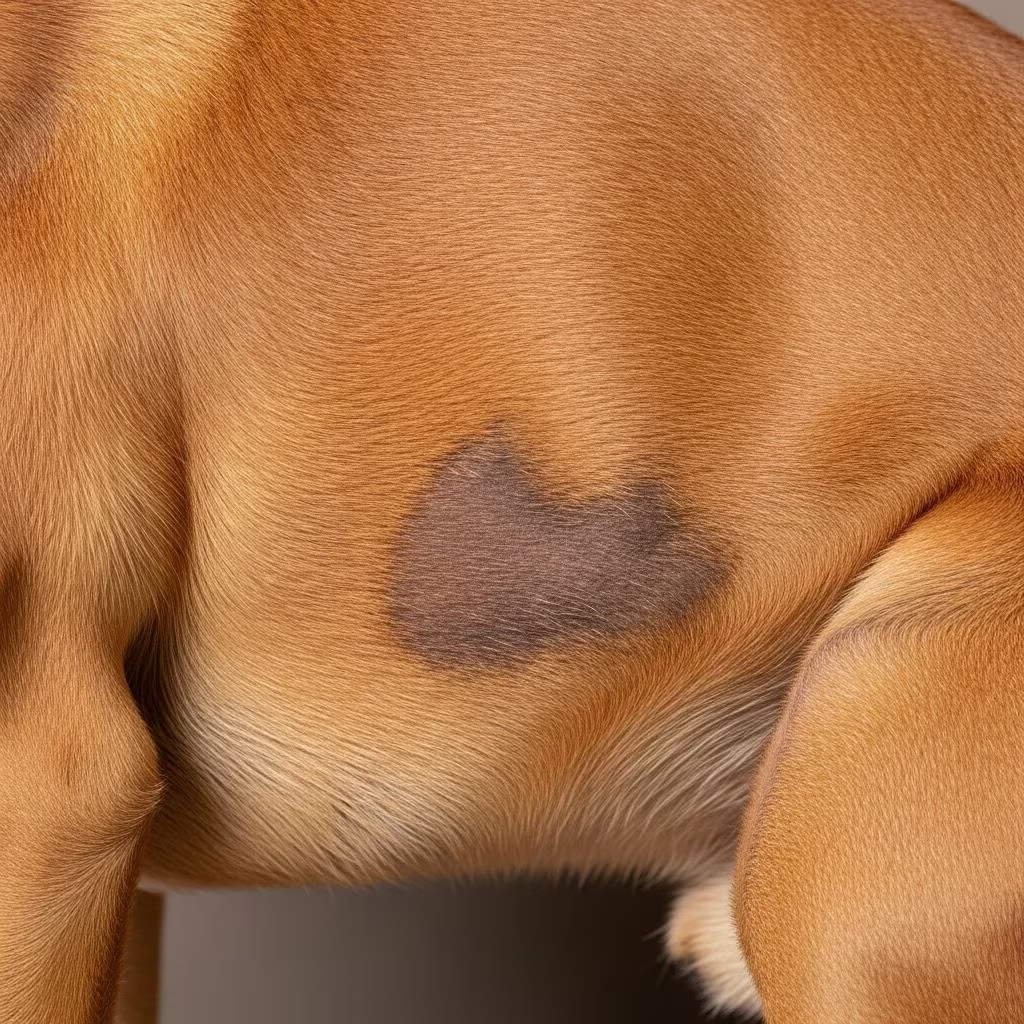
Hyperpigmentation in dogs refers to the darkening of the skin due to increased melanin production, often appearing as black or dark gray patches. This condition, also known as **melanoderma**, is common and can be primary (genetic) or secondary to underlying issues like inflammation or hormonal imbalances. While often benign, it signals potential health concerns requiring veterinary attention.
What Is Hyperpigmentation in Dogs?
**Hyperpigmentation** occurs when melanocytes in a dog’s skin produce excess melanin, the pigment responsible for coloration. This results in visible dark spots, patches, or diffuse darkening, most noticeable in lightly pigmented breeds on areas like the belly, armpits, groin, legs, or around the eyes.
The process is gradual and typically non-emergent, but accompanying symptoms like itching or hair loss indicate secondary causes. Skin may thicken (lichenification), become velvety, rough, scaly, or greasy, with possible odor from infections.
- Primary hyperpigmentation: Genetic, breed-specific (e.g., Dachshunds with acanthosis nigricans), appears early in life, affects armpits/legs.
- Secondary hyperpigmentation: Reaction to chronic irritation, most common, reversible if underlying cause is treated.
Symptoms of Hyperpigmentation in Dogs
Key signs include darkened skin patches that may start as small spots and spread. Common locations: axillae (armpits), ventral abdomen, inguinal area (groin), perianal region, and friction sites like elbows or hocks.
| Symptom | Description | Associated Concerns |
|---|---|---|
| Dark patches | Black/brown discoloration, focal or diffuse | May thicken or lose hair |
| Itching/scratching | Intense in secondary cases | Leads to self-trauma |
| Hair loss (alopecia) | Patchy or around dark areas | Exposes skin further |
| Redness/crusting | Edges of patches | Indicates infection |
| Odor/greasiness | Foul smell, oily feel | Yeast/bacterial overgrowth |
| Thickened skin | Velvety or leathery texture | Lichenification from chronicity |
Without intervention, patches can progress, leading to secondary infections or spread to neck, ears, or tail base. Genetic forms are usually non-pruritic initially.
Causes of Hyperpigmentation Patches
Over 90% of cases are **post-inflammatory**, triggered by resolved or ongoing skin issues. Melanin increases as skin heals from trauma, friction, or disease.
Primary Causes
- Acanthosis nigricans: Genetic disorder in Dachshunds, Pugs; symmetric black, velvety plaques in armpits, thighs by 1 year old; benign but progressive.
Secondary Causes
Chronic inflammation drives most cases, often with erythema resolving into dark centers.
- Allergies: Atopy, food, flea; causes licking/scratching, leading to darkened, itchy belly/armpits.
- Infections: Bacterial pyoderma, Malassezia dermatitis (yeasty odor), dermatophytosis (ringworm); healing lesions hyperpigment.
- Parasites: Demodex mites (demodicosis), fleas; burrow or bite-induced irritation.
- Hormonal imbalances: Hypothyroidism (weight gain, lethargy), hyperadrenocorticism (Cushing’s: thirst, potbelly), pseudo-Cushing’s.
- Friction/trauma: Obesity, collar rub, intertriginous areas; mechanical irritation.
- Other: Sun exposure (chronic UV), autoimmune (lupus), papilloma virus plaques, neoplasia.
Breeds prone: Dachshund, Pug, Schnauzer, Labrador (allergies), Shar-Pei (skin folds).
Diagnosis of Hyperpigmentation in Dogs
Vets start with history (onset, itch, diet) and physical exam, noting distribution and texture. Key is identifying underlying cause.
- Skin scrapes/cytology: Rule out mites, bacteria, yeast.
- Fungal culture: Dermatophytosis.
- Biopsy: Confirms acanthosis nigricans or neoplasia; shows epidermal hyperplasia, melanin incontinence.
- Bloodwork: Thyroid panel, Cushing’s tests (ACTH stim, LDDT).
- Allergy testing: Intradermal or serum for atopy.
Primary vs. secondary distinction guides prognosis: genetic incurable, inflammatory treatable.
Treatment for Hyperpigmentation in Dogs
No direct “cure” for pigmentation, but addressing root cause fades secondary cases over months.
Underlying Condition Management
- Anti-inflammatories: Steroids (prednisone), Apoquel, Cytopoint for allergies.
- Antimicrobials: Antibiotics (cephalexin) for bacteria, antifungals (ketoconazole) for yeast/Malassezia.
- Hormone therapy: Levothyroxine for hypothyroidism.
- Parasite control: Ivermectin for Demodex, flea preventives.
Skin Support
- Topicals: Medicated shampoos (chlorhexidine, miconazole), moisturizers (oils, sprays) to soften lichenified skin.
- Laser therapy: Reduces thickening in refractory cases.
- Diet: Hypoallergenic or novel protein trials.
For primary: Symptomatic—retinoids (etretinate) may lighten, but focus on comfort.
Prognosis and Management
Excellent for secondary if cause treated early; skin may normalize or lighten. Chronic cases persist but manageable. Monitor for progression or new symptoms.
- Prevent flares: Flea control, hypoallergenic diet, weight management.
- Regular grooming: Clip hair, clean folds.
Prevention of Hyperpigmentation
Minimize risks:
- Allergy management: Avoid triggers, annual flea meds.
- Skin hygiene: Weekly baths with gentle shampoo.
- Weight control: Reduces friction.
- Sun protection: Limit exposure, use dog-safe sunscreen.
- Early vet checks: At first dark spot.
When to See a Vet
Seek care if:
- New or spreading patches.
- Accompanied by itch, odor, hair loss, thirst/urination changes, lethargy.
- Non-healing or painful.
Early diagnosis prevents complications like chronic infections.
Frequently Asked Questions (FAQs)
Is hyperpigmentation in dogs dangerous?
Usually not, but indicates underlying issues; untreated secondary causes worsen skin health.
Can hyperpigmentation go away on its own?
Primary: No. Secondary: Yes, with treatment of cause; may take months.
What breeds are prone to hyperpigmentation?
Dachshunds (genetic), allergy-prone like Labs, Bulldogs; any breed with skin issues.
Does diet affect dog hyperpigmentation?
Yes, food allergies trigger it; hypoallergenic diets help.
How do you treat black skin on dogs’ bellies?
Treat underlying (allergies/infection), use topicals; vet diagnosis essential.
References
- Cutaneous hyperpigmentation in dogs — Scott DW, Paradis M. PMC. 2003-01-01. https://pmc.ncbi.nlm.nih.gov/articles/PMC8682925/
- Skin Turning Black (Hyperpigmentation) in Dogs — Vetster. 2024-01-01. https://vetster.com/en/symptoms/dog/skin-turning-black
- What Is Hyperpigmentation in Dogs? — Newtown Veterinary Specialists. 2022-03-15. https://www.newtownvets.com/site/blog/2022/03/15/what-is-hyperpigmentation-in-dogs
- Hyperpigmentation in Dogs — Irvine Pet Hospital. 2024-07-15. https://www.irvinepetcomplex.com/site/blog/2024/07/15/hyperpigmentation-dogs
- Why Is There Black Spots On Your Dog’s Skin — Chino Valley Animal Hospital. 2024-01-01. https://chinovalleyanimalhospital.com/blog/why-is-there-black-spots-on-your-dogs-skin/
- Hyperpigmentation in Dogs — PetMD. 2024-01-01. https://www.petmd.com/dog/conditions/skin/hyperpigmentation-dogs



