

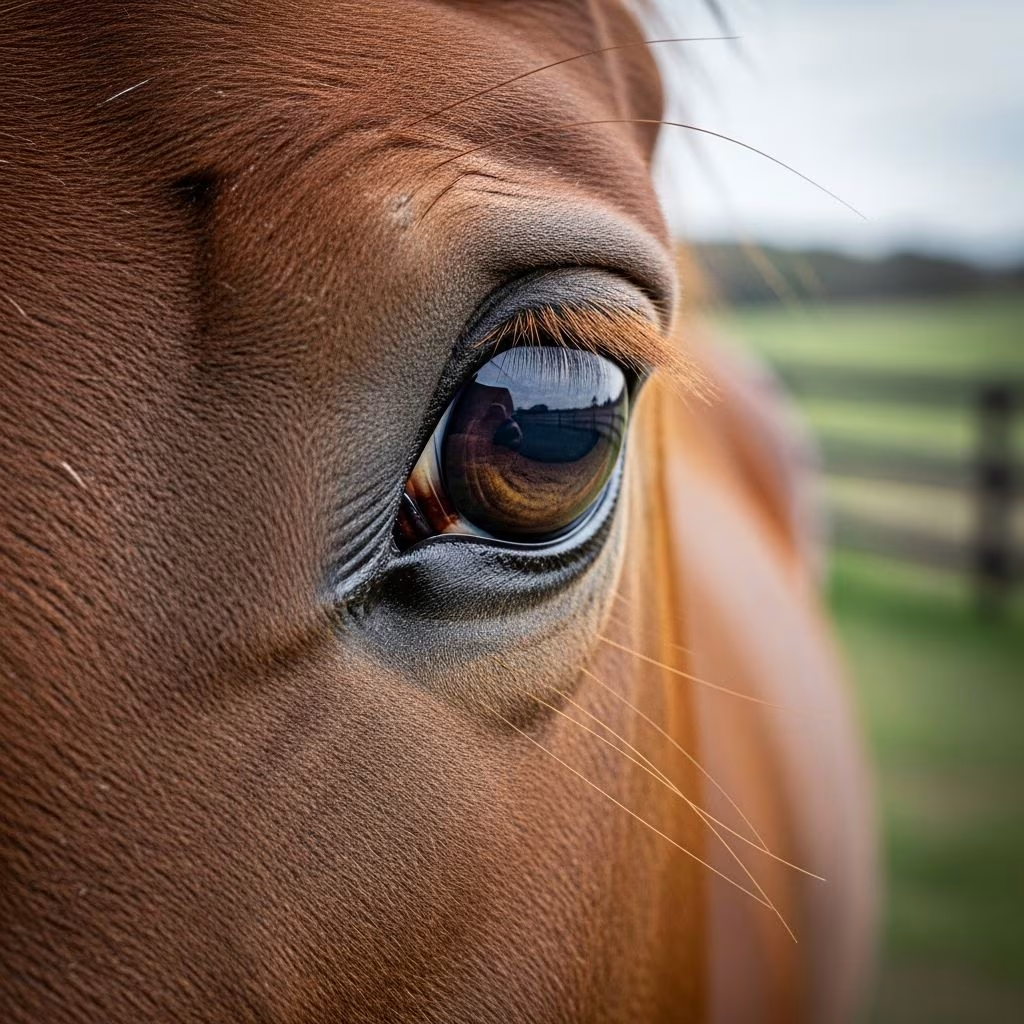
Hyperbilirubinemia, characterized by elevated levels of bilirubin in the blood, manifests as jaundice or icterus in large animals such as horses, cattle, sheep, and goats. This condition arises from disruptions in bilirubin metabolism, which involves production from heme breakdown, hepatic processing, and biliary excretion. Understanding its origins is crucial for veterinarians managing livestock and equine health.
Understanding Bilirubin Metabolism
Bilirubin originates from the degradation of hemoglobin in senescent red blood cells. Unconjugated bilirubin binds to albumin in plasma and is taken up by hepatocytes, where it undergoes conjugation with glucuronic acid to become water-soluble. Conjugated bilirubin is then secreted into bile for intestinal elimination. Disruptions at any stage—pre-hepatic (hemolysis), hepatic (processing failure), or post-hepatic (obstruction)—lead to hyperbilirubinemia.
In large animals, species differences influence bilirubin handling. Horses exhibit physiologic elevations during anorexia, while ruminants show modest increases even with severe liver damage unless hemolysis occurs.
Common Causes Across Species
- Pre-hepatic: Hemolytic anemias dominate in ruminants, causing indirect bilirubin spikes without liver involvement.
- Hepatic: Acute necrosis or chronic fibrosis impairs conjugation, leading to mixed bilirubin elevations.
- Post-hepatic: Rare biliary obstructions elevate direct bilirubin, more pronounced in horses than ruminants.
Physiologic factors include fasting in horses, where total bilirubin can reach 8-12 mg/dL without pathology.
Species-Specific Manifestations
Horses and Equines
Horses frequently develop hyperbilirubinemia from anorexia, with indirect bilirubin predominating. Hepatic diseases like toxic insults or pyrrolizidine alkaloid poisoning cause both fractions to rise, correlating with poor prognosis when exceeding certain thresholds. Foals face risks from neonatal isoerythrolysis or portosystemic shunts, potentially leading to kernicterus if indirect bilirubin surpasses 5 mg/dL.
Ruminants: Cattle, Sheep, and Goats
In cattle, bilirubin rarely elevates above 2 mg/dL without hemolysis, even in advanced liver failure. Sheep and goats mirror this, with icterus more tied to erythrocyte destruction than parenchymal damage. Obstructive causes are uncommon.
Diagnostic Approaches
Diagnosis integrates clinical signs (mucosal yellowing, lethargy), history (toxins, fasting), and lab tests. Key serum markers include:
| Parameter | Normal Range (mg/dL) | Elevation Indicates |
|---|---|---|
| Total Bilirubin | <0.5-2.0 (species variable) | Hemolysis, hepatic dysfunction, cholestasis |
| Direct Bilirubin | <0.3 | Cholestasis if >25-35% of total in horses |
| Indirect Bilirubin | Predominates in most cases | Pre-hepatic or hepatic uptake/conjugation issues |
Bile acids and enzymes (AST, GGT) aid differentiation. Urobilinogen in urine suggests patent bile flow; its absence flags obstruction. Scintigraphy assesses biliary patency and shunts in foals and lambs.
Genetic Hyperbilirubinemia Syndromes
Breed-specific disorders mimic human conditions:
- Gilbert-Like Syndrome: Southdown sheep show unconjugated hyperbilirubinemia due to conjugation defects, with variable icterus but no histopathology beyond pigment.
- Dubin-Johnson Syndrome: Corriedale sheep exhibit impaired conjugated bilirubin excretion, with black hepatocyte pigment and delayed bile acid clearance. Suspected in other breeds like Golden lion tamarins.
These are benign, fasting-exacerbated, and require genetic confirmation.
Clinical Implications and Prognosis
While enzyme elevations lack prognostic value, high bilirubin, bile acids, and SAA predict mortality in equine hepatic failure. Ruminants tolerate liver insults better, with bilirubin less indicative. Chronic cases may normalize bilirubin despite fibrosis.
Management Strategies
Treatment targets underlying causes:
- Supportive: IV fluids, dextrose for anorexic horses to reduce physiologic rises.
- Hemolysis: Address infections, toxins; transfusions if severe.
- Hepatic support: Hepatoprotectants like SAMe, silymarin; avoid hepatotoxins.
- Cholestasis: Ursodeoxycholic acid for bile flow; surgery for obstructions.
Monitor sequentially; neonates need intensive care to prevent neurotoxicity.
Advanced Imaging and Tests
Hepatobiliary scintigraphy visualizes function and detects shunts or atresia, valuable in ambiguous cases. Ultrasound identifies masses or dilation. Liver biopsy confirms genetics vs. acquired disease.
Prevention in Practice
Avoid hepatotoxins (alsike clover, moldy hay), ensure nutrition during stress, and screen high-risk breeds. Routine biochem panels in jaundiced animals guide early intervention.
Frequently Asked Questions (FAQs)
What causes yellow gums in my horse?
Jaundice from fasting, liver disease, or hemolysis; test bilirubin fractions.
Is hyperbilirubinemia always fatal in cattle?
No, often hemolysis-related and survivable with treatment.
How do I differentiate hepatic from hemolytic causes?
Indirect predominance and anemia suggest hemolysis; mixed with enzymes indicate liver issues.
Can foals recover from high bilirubin?
Yes, if addressed promptly to avoid kernicterus; monitor closely.
Are there vaccines for liver diseases causing this?
No, but prevent toxins and infections via management.
References
- Overview of Hepatic Disease in Large Animals — Merck Veterinary Manual. 2023. https://www.merckvetmanual.com/digestive-system/hepatic-disease-in-large-animals/overview-of-hepatic-disease-in-large-animals
- Bilirubin – eClinpath — eClinpath. 2023. https://eclinpath.com/chemistry/liver/cholestasis/bilirubin/
- Hyperbilirubinemia Syndromes in Large Animals — Merck Veterinary Manual. 2023. https://www.merckvetmanual.com/digestive-system/hepatic-disease-in-large-animals/hyperbilirubinemia-syndromes-in-large-animals
- Clinical Pathology Panels and Guidelines — Cornell University College of Veterinary Medicine. 2023. https://www.vet.cornell.edu/animal-health-diagnostic-center/veterinary-resources/testing-guidelines/clinical-pathology-panels-and-guidelines



