

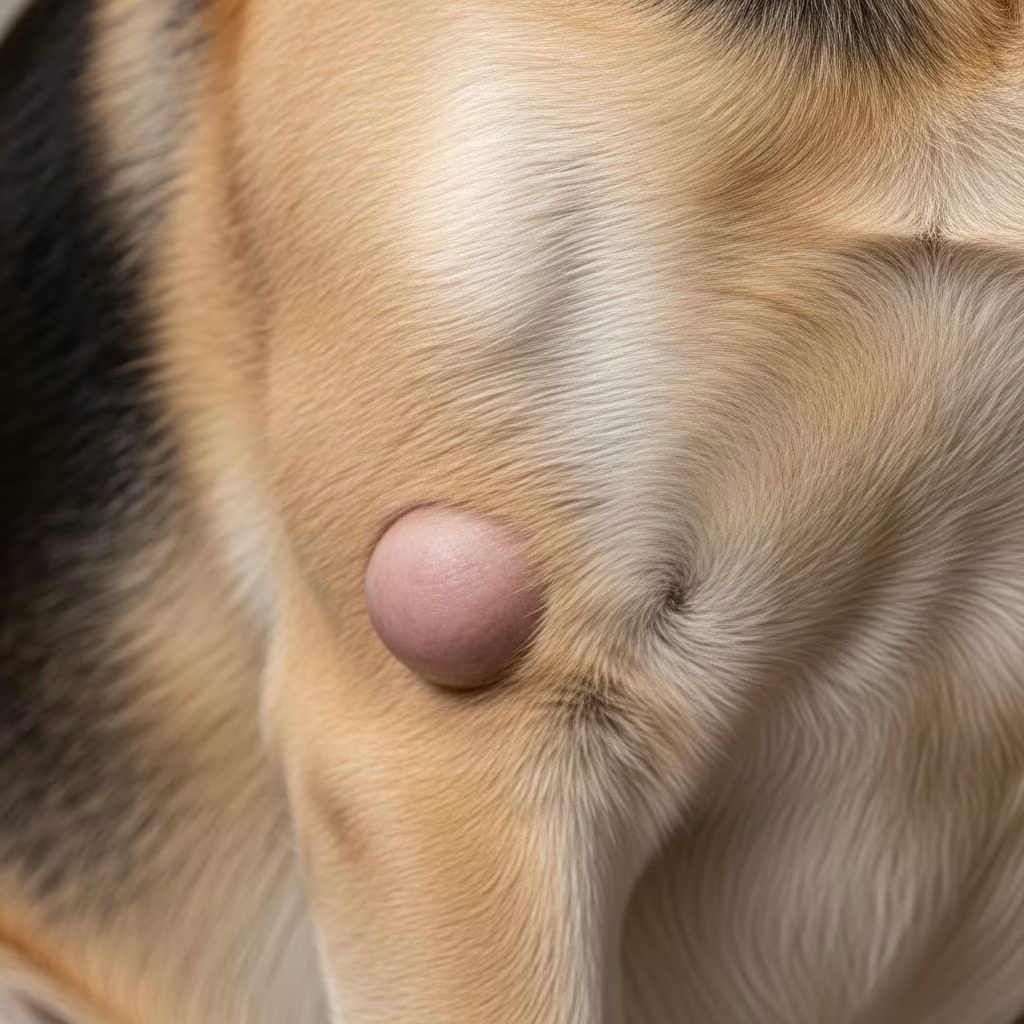
Fluid-filled sacs known as hygromas commonly develop over bony areas in dogs exposed to repeated pressure from hard floors. These non-cancerous swellings primarily affect large, heavy breeds and serve as the body’s protective response to chronic trauma.
Understanding the Nature of Canine Hygromas
Hygromas form when skin and underlying tissues over pressure points like elbows, hocks, or hips endure constant compression against unyielding surfaces. This leads to inflammation, poor circulation, and eventual encapsulation of serous fluid within a fibrous wall, acting like a natural cushion. Unlike tumors, these sacs rarely cause pain unless complicated by ulceration or infection, making early detection crucial for simple resolution.
Large breeds such as Great Danes, Mastiffs, and Labrador Retrievers bear higher risk due to their weight and body structure, which amplify impact during lying down. Short-haired dogs also face increased vulnerability as their thin skin offers minimal natural padding.
Primary Causes Behind Hygroma Development
The root trigger is repetitive trauma from dogs dropping onto or resting on rigid floors like tile, concrete, or hardwood. Sedentary lifestyles, mobility issues from arthritis or injury, and obesity exacerbate this by prolonging recumbency time.
- Hard flooring without cushioning compresses tissues over bones.
- Limited movement prevents natural pressure relief.
- Underlying conditions like joint pain keep dogs in one position longer.
Over time, this cycle promotes fluid accumulation as the body attempts self-protection, but without intervention, the sac thickens and persists.
Recognizing Early Warning Signs
Initial hygromas appear as soft, fluctuant lumps under the skin, often bilateral on elbows. They feel spongy and may grow slowly without discomfort, allowing dogs to remain active.
Progression brings firmer texture and visible skin thickening. Owners might notice:
- Swelling larger than a golf ball in advanced cases.
- Redness, warmth, or hair loss over the site.
- Excessive licking or chewing indicating irritation.
Severe indicators include rupture with clear to yellowish discharge, foul pus signaling infection, or ulceration exposing tissues. Prompt veterinary evaluation prevents escalation to abscesses or chronic wounds.
Diagnosis: Confirming a Hygroma
Vets diagnose via physical exam, palpating the fluid-filled nature and assessing skin integrity. Aspiration yields clear, straw-colored fluid, distinguishing from abscesses or tumors. Imaging like ultrasound evaluates capsule thickness, while biopsy rules out mimics in atypical cases.
| Condition | Key Features | Differentiation |
|---|---|---|
| Hygroma | Soft, fluctuant, non-painful unless infected | Clear fluid on aspiration; pressure-point location |
| Abscess | Firm, painful, hot | Pus-filled; responds to antibiotics |
| Tumor | Irregular, fixed | Biopsy required; may grow rapidly |
Bacterial cultures guide antibiotic choices if infection suspected.
Effective Prevention Strategies for Pet Owners
Proactive changes avert hygroma onset, especially for at-risk dogs. Prioritize soft resting environments:
- Provide orthopedic foam beds or donut-shaped cushions elevating pressure points.
- Cover hard floors with thick rugs, yoga mats, or interlocking foam tiles.
- Train dogs to shift positions regularly using treats or toys.
- Maintain ideal weight through diet and gentle exercise to reduce joint stress.
Custom protective gear like neoprene elbow sleeves distributes weight evenly during rest. Regular skin checks catch issues early.
Home Management for Mild Cases
Small, uninfected hygromas often resolve conservatively by eliminating trauma. Key steps include:
- Strict padding enforcement to promote fluid reabsorption over 4-8 weeks.
- Clean the area daily with mild antiseptic if licking occurs.
- Monitor for size reduction; measure weekly.
Avoid home drainage, as it risks infection and recurrence. Patience yields high success rates without medical intervention.
Veterinary Interventions: From Conservative to Advanced
When home efforts fail or complications arise, professional care escalates:
Drainage and Bandaging: Needle aspiration followed by compressive wraps, though fluid often refills without addressing cause.
Medications: NSAIDs reduce inflammation; antibiotics combat secondary infections based on cultures.
Advanced Therapies:
- Laser therapy boosts circulation, cuts swelling, and accelerates healing.
- Extracorporeal shock wave therapy disrupts fibrous walls, showing complete resolution in small studies.
Surgery reserves for chronic, ulcerated hygromas: excision with drainage, flushing, or grafts. Post-op care demands E-collars, strict padding, and wound monitoring to avert recurrence.
Complications and When to Seek Urgent Care
Untreated hygromas risk ulceration, deep infections, or cellulitis spreading systemically. Signs warranting immediate vet visit:
- Rapid enlargement or hardening.
- Discharge, odor, or fever.
- Limping, reluctance to lie down, or appetite loss.
Early action preserves skin viability and avoids costly surgeries.
Long-Term Prognosis and Lifestyle Adjustments
With consistent prevention, most dogs achieve full resolution or stable management. Recurrence drops dramatically using permanent soft surfaces and guards. Owners of predisposed breeds benefit from routine vet check-ups integrating joint health assessments.
Holistic support like weight control, joint supplements (glucosamine/chondroitin), and hydrotherapy enhances outcomes.
Frequently Asked Questions (FAQs)
Are hygromas painful for dogs?
Typically not, unless infected or ulcerated, when they cause discomfort prompting licking or avoidance.
Can hygromas resolve on their own?
Yes, small ones often shrink with padding and rest, as the body reabsorbs fluid naturally.
Is surgery always needed for hygromas?
No, it’s a last resort; conservative methods succeed in most cases.
How long does treatment take?
Weeks to months, depending on size and compliance with padding.
Which dogs need protective sleeves?
Large breeds on hard floors or with early hygromas.
References
- What Is Hygroma in Dogs? Causes, Symptoms, and … — K9 Carts. 2023. https://k9carts.com/blogs/resources/hygroma-in-dogs
- Hygroma in Dogs: Treatment, Prevention and Solutions — Walkin’ Pets. 2023. https://walkinpets.com/blogs/blog/hygroma-treatment-prevention-in-dogs
- Hygromas in Dogs: Treatment, Prevention — ToeGrips. 2023. https://toegrips.com/hygroma-dog/
- Everything You Need to Know About Hygroma in Dogs — American Kennel Club. 2023. https://www.akc.org/expert-advice/health/hygromas-in-dogs/
- How Do You Treat an Elbow Hygroma in Dogs? — DogLeggs. 2023. https://www.dogleggs.com/blog/how-do-you-treat-an-elbow-hygroma-in-dogs/
- Hygroma in Dogs – Integumentary System — Merck Veterinary Manual. 2023. https://www.merckvetmanual.com/integumentary-system/hygroma-in-dogs/hygroma-in-dogs
- Hygroma in Dogs — VCA Animal Hospitals. 2023. https://vcahospitals.com/know-your-pet/hygroma-in-dogs



