

Understanding Hygroma in Dogs
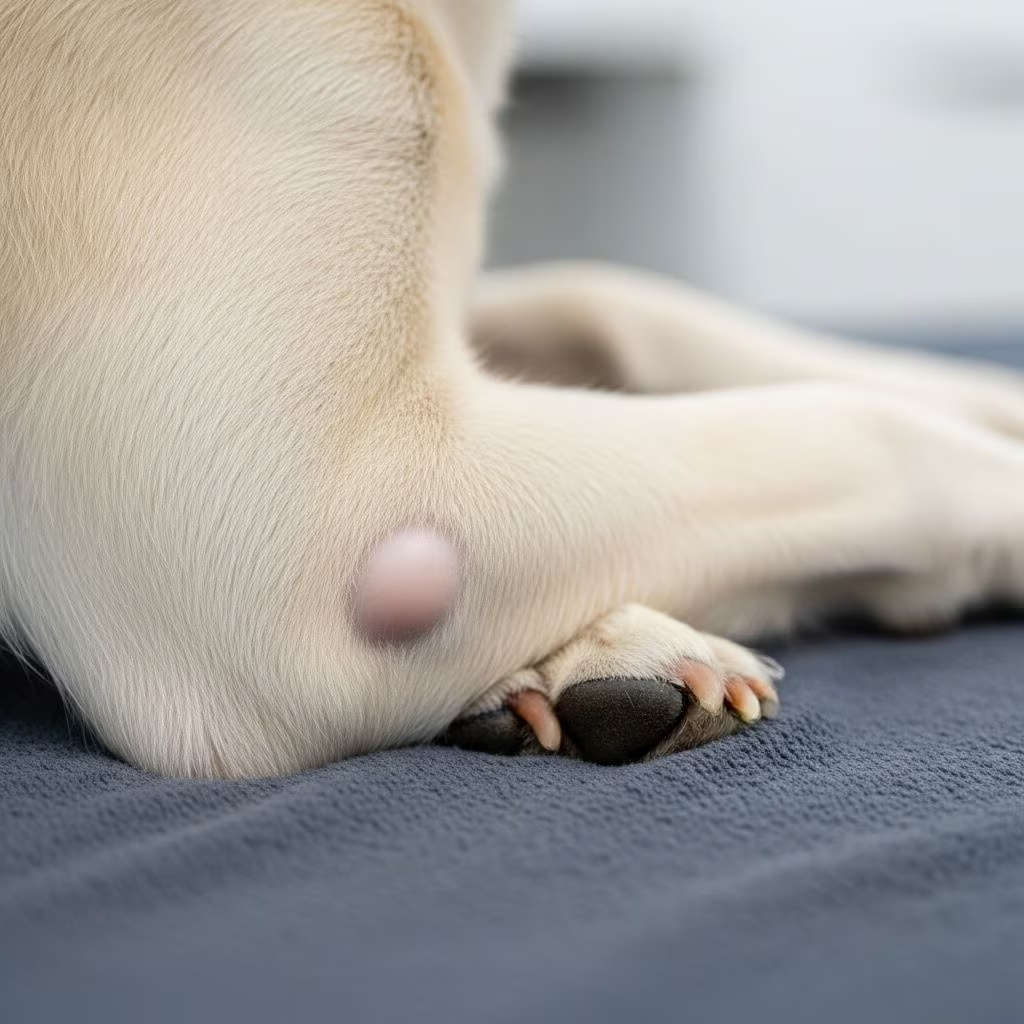
A hygroma is a fluid-filled sac that develops in response to repeated pressure or trauma on bony areas of a dog’s body. Unlike tumors, hygromas are benign swellings that form as your dog’s body attempts to protect itself from continuous pressure and irritation. These sacs most commonly appear over the elbows, but they can also develop on the hips, hocks (ankles), or other bony prominences where there is minimal cushioning from fat or muscle tissue. When your dog lies down repeatedly on hard surfaces, the constant pressure can trigger an inflammatory response that leads to the formation of these protective fluid-filled pockets.
Understanding what a hygroma is and how it develops is the first step toward managing this condition effectively. Many dog owners notice these swellings and become concerned, wondering if they indicate a serious health issue. The good news is that hygromas are not tumors and are generally treatable, especially when caught early and managed properly with appropriate preventive measures.
What Causes Hygromas and Which Dogs Are at Risk?
Hygromas are caused by repeated pressure or trauma to bony areas, triggering an inflammatory response in the tissue. The most common cause is when dogs lie down on hard flooring for extended periods. This repeated trauma is particularly prevalent in certain situations and dog populations.
Common Risk Factors
Several factors increase a dog’s likelihood of developing hygromas. Senior dogs and those with a sedentary lifestyle are at higher risk, as are large and giant breed dogs that spend considerable time lying down. Dogs who rest on hard surfaces such as hardwood, tile, or concrete floors face particular vulnerability. Additionally, dogs with limited mobility due to joint problems, arthritis, or paralysis may spend prolonged periods in the same position, creating ideal conditions for hygroma development. Dogs recovering from surgery or experiencing temporary mobility restrictions are also susceptible.
The body’s response to this repeated trauma is actually an attempt at self-protection. When continuous pressure irritates the tissue over a bony prominence, the body creates what is essentially a biological “pillow”—a fluid-filled sac designed to cushion the affected area. However, if the trauma continues due to ongoing pressure on hard surfaces, this protective mechanism can backfire, and the hygroma will continue to grow larger.
Breed and Age Considerations
While any dog can develop a hygroma, large and giant breed dogs face significantly higher risk due to their increased body weight and the greater pressure they exert when lying down. Breeds such as Labrador Retrievers, German Shepherds, and other heavy dogs frequently develop elbow hygromas. Senior dogs are particularly vulnerable because they tend to rest more frequently and may have reduced mobility, leading to longer periods of pressure on bony areas.
Recognizing Symptoms and Complications
Early Signs
In the early stages, a hygroma typically appears as a soft, fluid-filled lump over a pressure point, most commonly on the elbow. Initially, the lump may not cause your dog any discomfort or pain. Many owners notice the swelling only through visual inspection or when grooming their dog. The early presentation is often unremarkable—simply a noticeable bump that doesn’t seem to bother the dog.
Warning Signs of Progression
As a hygroma develops or if repeated pressure continues, several complications can emerge that signal the need for veterinary attention. Watch for these warning signs:
- The lump becomes firm or noticeably larger
- The skin over the hygroma becomes red, sore, or irritated
- Your dog begins licking or chewing at the affected area
- The skin appears thickened or hardened
- Clear fluid, colored discharge, or pus leaks from the lump
- Your dog seems reluctant to lie down or appears uncomfortable
- The area feels warm and swollen to the touch
Infection and Serious Complications
If a hygroma becomes infected, the situation becomes more serious and requires immediate veterinary intervention. Infections can lead to complications including abscesses, ulcerations, granulomas (masses of inflamed tissue), and tissue erosion. A prolonged infection and irritation can result in painful open wounds that are considerably more difficult to treat than the original hygroma. In severe cases, the hygroma can grow to such a size that it causes significant pain and discomfort, restricting your dog’s movement and quality of life.
Treatment Options for Hygromas
Medical Management and Home Care
The first and most important step in treating a hygroma is to provide adequate bedding with sufficient padding to prevent further trauma to the affected area. This foundational approach addresses the underlying cause and allows the body to reabsorb the fluid over time. Egg-shell foam or memory foam beds provide excellent cushioning and support. In areas where your dog enjoys relaxing, floors can be covered with interlocking foam tiles similar to those found in fitness clubs and daycare facilities, creating a soft surface throughout your home.
Additional home care measures include using padded elbow sleeves or wraps specifically designed to protect pressure points, encouraging your dog to change positions regularly when resting, and ensuring they have multiple comfortable resting spots throughout your home. These protective measures may be the only treatment required to stabilize a small, early-stage hygroma.
Veterinary Treatment Options
When hygromas are larger, chronic, or show signs of infection, veterinary intervention becomes necessary. Your veterinarian has several treatment options available:
Antibiotic Therapy: If infection is present, antibiotics are essential. Bacterial culture and susceptibility testing should be performed before initiating antimicrobial treatment to ensure the most effective medication is prescribed.
Laser Therapy: Low-level laser therapy has shown promise in treating hygromas, particularly smaller lesions. This therapy decreases inflammation and edema while helping to stimulate the healing process. Extracorporeal shock wave therapy represents another advanced option for select cases.
Drainage and Aspiration: In the past, veterinarians commonly treated hygromas through needle aspiration, using a syringe to draw out the fluid. However, this approach is less commonly recommended today because the hygroma often returns. When drainage is performed, it may be combined with wound flushing and the placement of Penrose drains or active drainage using closed-suction drains for chronic hygromas.
Surgical Removal: Surgery is typically considered a last resort and is only recommended when other treatments have failed or when the skin is severely damaged. Complete excision of all affected tissue is ideal, but the complication rate is high, including problems such as dehiscence (reopening of the surgical site). Due to these risks and the poor blood flow in affected areas, various skin grafting techniques have been developed to improve surgical outcomes. It is crucial to understand that surgery does not address the underlying cause of the hygroma, so protecting the involved area remains critical for proper healing after the operation.
Prevention Strategies
Preventing hygromas is significantly easier and more effective than treating established ones. Implementation of preventive measures is especially important for at-risk dogs, including senior dogs, large and giant breeds, and dogs with limited mobility.
- Provide soft, padded bedding such as orthopedic foam beds or memory foam mattresses
- Use interlocking foam tiles on hard floors in areas where your dog rests
- Encourage regular movement and position changes throughout the day
- Apply padded coverings or protective wraps over pressure points for vulnerable dogs
- Create multiple comfortable resting areas throughout your home with soft surfaces
- Maintain regular exercise appropriate for your dog’s age and mobility level
- Address mobility issues and joint problems promptly with your veterinarian
When to Contact Your Veterinarian
While not all hygromas require aggressive treatment, certain situations warrant prompt veterinary attention. Contact your veterinarian if you notice a persistent fluid-filled swelling over a pressure point, if the hygroma appears to be growing rapidly, if signs of infection develop such as redness or discharge, if your dog seems uncomfortable or reluctant to lie down, or if the area feels warm and swollen. Early intervention often prevents complications and leads to better outcomes.
Frequently Asked Questions About Hygromas
Q: Is a hygroma a tumor?
A: No, hygromas are not tumors. They are fluid-filled sacs that develop in response to repeated trauma and pressure on bony areas. They are benign swellings, not cancerous growths.
Q: What is the best treatment for hygromas?
A: The best treatment is prevention through proper padding and soft bedding. For existing hygromas, providing cushioned surfaces is the first step. Larger or infected hygromas may require laser therapy, drainage, antibiotics, or in severe cases, surgical removal.
Q: Can hygromas go away on their own?
A: Small hygromas can stabilize or diminish with proper rest and padding that removes the pressure stimulus. However, without addressing the underlying cause through environmental modifications, hygromas tend to persist or grow larger.
Q: Are hygromas painful?
A: Hygromas are usually not painful unless they become infected. Pain, reluctance to lie down, or sensitivity in the area may indicate infection or secondary complications that require veterinary attention.
Q: Can hygromas return after treatment?
A: Yes, hygromas can recur if the underlying cause—repeated pressure on hard surfaces—is not addressed. This is why protective bedding and environmental modifications are essential for long-term management and prevention of recurrence.
Q: Which dogs are most prone to developing hygromas?
A: Large and giant breed dogs, senior dogs, dogs with sedentary lifestyles, and dogs with mobility issues are at highest risk. Any dog that spends extended time lying on hard surfaces is susceptible.
Conclusion
Hygromas in dogs are manageable conditions that respond well to early intervention and proper environmental modifications. By understanding the causes and recognizing early signs, dog owners can prevent severe complications and keep their pets comfortable. The most effective approach combines prevention through padded surfaces with veterinary guidance tailored to each dog’s specific situation. While hygromas can develop into serious issues if left untreated, with appropriate care and attention, most dogs with hygromas lead comfortable, normal lives. Your veterinarian is your best resource for developing a personalized management plan that addresses your individual dog’s needs and circumstances.
References
- Hygroma in Dogs — VCA Animal Hospitals. 2024. https://vcahospitals.com/know-your-pet/hygroma-in-dogs
- Hygroma in Dogs – Integumentary System — MSD Veterinary Manual. 2024. https://www.msdvetmanual.com/integumentary-system/hygroma-in-dogs/hygroma-in-dogs
- Everything You Need to Know About Hygroma in Dogs — American Kennel Club. 2024. https://www.akc.org/expert-advice/health/hygromas-in-dogs/
- What Is Hygroma in Dogs? Causes, Symptoms, and Treatment — K9 Carts. 2024. https://k9carts.com/blogs/resources/hygroma-in-dogs



