

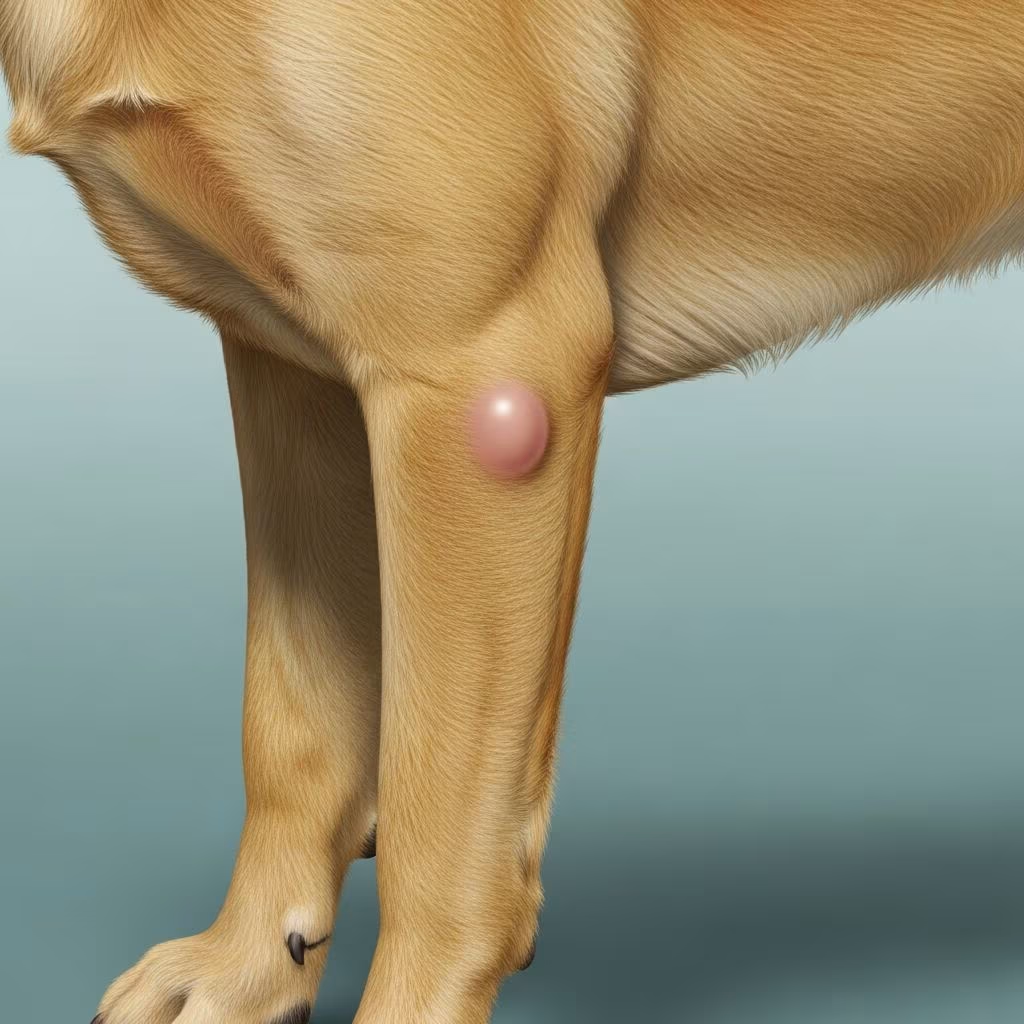
What Is a Hygroma in Dogs?
A hygroma is a fluid-filled swelling that develops over pressure points on a dog’s body, typically in areas where there is minimal fatty tissue or muscle to provide cushioning over the bone. These soft, fluid-filled sacs most commonly appear on a dog’s elbows, though they can also develop on the hips, hocks (ankles), and other bony prominences throughout the body. Understanding what a hygroma is and how it forms is essential for dog owners looking to prevent or manage this condition in their pets.
When a dog experiences repeated pressure or trauma to a specific area, the body responds by creating a protective fluid pocket. This fluid accumulation serves as a natural cushioning mechanism to protect the underlying bone and tissue from continued stress. In its early stages, a hygroma is typically soft and painless, causing no apparent discomfort to the dog. However, if the underlying pressure and irritation continue without intervention, the swelling can progressively enlarge, the fluid can become infected, and the surrounding tissue may harden or develop complications.
The condition gets its name from the Greek words “hygro” (fluid) and “oma” (swelling), accurately describing the nature of this medical issue. While hygromas are most frequently observed in large dog breeds, any dog exposed to the right combination of risk factors can develop this condition.
What Causes Hygromas in Dogs?
Hygromas develop as a direct result of repeated pressure and trauma to bony areas of a dog’s body. Understanding the specific causes and risk factors can help dog owners take preventive measures to protect their pets from developing these uncomfortable swellings.
Repeated Pressure on Hard Surfaces
The primary cause of hygromas is prolonged contact between a dog’s bony joints and hard flooring surfaces. Dogs that spend extended periods lying on tile, hardwood, concrete, or other unyielding surfaces are particularly susceptible to hygroma development. When a dog rests on these hard floors for hours at a time, the constant pressure causes tissue breakdown and triggers an inflammatory response. The body attempts to protect itself by creating a fluid-filled sac to cushion the affected area.
Large breed dogs are especially prone to this issue because their greater body weight concentrates more pressure on smaller surface areas when they lie down. Dogs that are sedentary or have a relatively inactive lifestyle are at higher risk, as are older dogs that may prefer to remain stationary for extended periods.
Limited Mobility and Joint Problems
Dogs experiencing mobility limitations are at significantly higher risk for hygroma development. Dogs with arthritis, joint disease, or other conditions that limit their ability to move freely are more likely to remain in the same position for extended periods. When a dog cannot easily change positions or shift their weight, pressure continues to build on the same bony areas, creating an ideal environment for hygroma formation.
Additionally, dogs recovering from surgery, those with spinal cord injuries, or pets experiencing paralysis are particularly vulnerable to hygroma development. These conditions often result in extended periods of immobility, during which the dog may unconsciously favor certain positions, putting continuous pressure on specific joints and bony prominences.
Other Risk Factors
Certain dog breeds, particularly large and giant breeds such as Labrador Retrievers, German Shepherds, Great Danes, and other heavy-boned dogs, have a higher predisposition to developing hygromas. Age also plays a role, with senior dogs more likely to develop these swellings due to their tendency toward decreased activity and their susceptibility to joint problems. Environmental factors, including the type of flooring in a dog’s primary living space, significantly influence hygroma risk.
Symptoms and Signs of Hygroma
Recognizing the early signs of hygroma development allows for prompt intervention and prevention of serious complications. While hygromas are not typically painful in their early stages, certain symptoms should prompt a veterinary consultation.
In the initial stages, you may notice a soft, fluid-filled swelling that appears over a bony area, most commonly on the elbow. This swelling is often mobile and may feel somewhat spongy to the touch. Early hygromas may cause no apparent discomfort, and your dog may show no signs of pain or reluctance to lie down.
As a hygroma progresses, several warning signs may develop that indicate the need for veterinary attention. The swelling may become firmer or increase in size over time. The skin overlying the hygroma may become red, inflamed, or appear raw. Your dog may begin licking, chewing, or paying excessive attention to the affected area. If the skin becomes damaged or the hygroma ruptures, fluid or pus may leak from the site.
Signs of infection represent a medical emergency and require immediate veterinary attention. These signs include warm or hot swelling to the touch, discharge that is colored or foul-smelling, increased pain or sensitivity in the area, reluctance to lie down or bear weight, lethargy, loss of appetite, or fever. Infected hygromas can develop into serious conditions including abscesses, ulcerations, or tissue erosion if left untreated.
How Are Hygromas Treated?
Treatment approaches for hygromas vary depending on the severity, size, and duration of the condition, as well as whether infection is present. A comprehensive treatment plan addresses both the immediate hygroma and the underlying cause of its development.
Home Care and Padding
The foundation of hygroma treatment, particularly in early stages, involves eliminating or significantly reducing the pressure that caused the condition to develop. Providing adequate padding and comfortable bedding is often the most effective and least invasive treatment approach.
Several home care strategies can help manage and prevent hygroma progression:
- Invest in high-quality, well-padded bedding such as egg-shell foam or memory foam orthopedic dog beds that provide superior cushioning and support
- Place interlocking foam tiles, similar to those used in fitness facilities, over hard flooring surfaces where your dog frequently rests
- Use area rugs or yoga mats to cover hard floors and create comfortable resting areas throughout your home
- Encourage your dog to switch sides periodically when lying down to redistribute pressure
- Employ padded elbow sleeves, protective wraps, or donut-shaped bandages specifically designed to protect pressure points
- Position beds away from air conditioning vents and drafty areas to encourage comfortable resting positions
For many dogs with early-stage hygromas, these conservative measures alone may be sufficient to allow the body to reabsorb the fluid and stabilize the swelling. The key is consistency in maintaining proper padding and monitoring the hygroma for any signs of worsening or infection.
Veterinary Treatments
When a hygroma is large, has become chronic, or shows signs of infection, veterinary intervention becomes necessary. Your veterinarian has several treatment options available:
Aseptic Needle Aspiration: In this procedure, your veterinarian uses a sterile needle and syringe to drain the fluid from the hygroma. While this provides immediate relief, the fluid frequently re-accumulates if the underlying pressure issue is not resolved. This procedure is typically recommended for smaller, recently developed hygromas and should always be combined with padding and other pressure-relief measures.
Antibiotic Therapy: If the hygroma has become infected, bacterial culture and susceptibility testing should be performed to identify the specific bacteria involved. Your veterinarian will prescribe appropriate antibiotics based on these results to eliminate the infection and prevent serious complications.
Anti-inflammatory Medications: These medications can help reduce swelling and pain associated with the hygroma. They may be particularly beneficial during the healing phase after other interventions.
Laser Therapy: Cold laser therapy has shown promise in hygroma treatment by decreasing inflammation, reducing edema, and stimulating the healing process. This non-invasive option may be recommended as an adjunctive treatment alongside padding and other conservative measures.
Extracorporeal Shock Wave Therapy: This emerging treatment uses sound waves to promote healing and reduce inflammation in affected tissues. While not yet widely available, some veterinary facilities now offer this innovative treatment option for chronic hygromas.
Surgical Treatment
Surgery is generally considered a last-resort treatment option for hygromas, as it does not address the underlying cause of the condition and carries a relatively high rate of complications. However, surgery may be necessary in certain situations.
Complete Surgical Excision: For large, chronic hygromas that fail to respond to conservative treatment, complete surgical removal of all affected tissue is considered the ideal surgical approach. However, this procedure carries significant risks, particularly in areas with limited blood flow, and complications such as wound dehiscence (reopening of the surgical site) occur frequently.
Surgical Drainage and Flushing: An alternative to complete removal involves opening the hygroma, thoroughly draining the contents, flushing the cavity with sterile solution, and potentially placing drain tubes to allow continued fluid drainage during healing. Some veterinarians employ closed-suction drain systems for improved results in chronic cases.
Skin Grafting: For extensive hygromas with significant skin damage or after surgical removal, skin grafting techniques may be necessary to promote proper healing and minimize scarring.
Importantly, if surgical treatment becomes necessary, aggressive padding and pressure relief must continue after surgery to prevent recurrence. The underlying cause must be addressed, or the hygroma will likely return.
Prevention of Hygromas
Preventing hygroma development is far simpler and more cost-effective than treating an established hygroma. Dog owners can implement several practical strategies to minimize their pet’s risk:
- Provide adequate padding and comfortable bedding, particularly for large breed dogs
- Encourage regular movement and exercise appropriate for your dog’s age and health status
- Address joint problems and arthritis promptly with appropriate veterinary care
- Cover hard flooring with rugs, mats, or foam tiles in areas where your dog frequently rests
- Ensure your dog has access to soft, supportive bedding throughout the home
- Monitor older or less mobile dogs closely for early signs of hygroma development
- Provide regular veterinary check-ups to identify and address conditions that might limit mobility
Prognosis and Long-term Management
The prognosis for dogs with hygromas is generally good, particularly when intervention occurs early and the underlying cause is addressed. Many dogs respond well to conservative treatment involving adequate padding and pressure relief. Some hygromas may spontaneously resolve or stabilize once pressure is eliminated.
Long-term management focuses on maintaining proper environmental modifications, ensuring continued use of padding and supportive bedding, and preventing recurrence. Dogs that have had one hygroma are at increased risk for developing additional hygromas, making continued prevention efforts essential throughout their lives.
Frequently Asked Questions About Hygromas in Dogs
Q: Are hygromas painful?
A: Early-stage hygromas are typically not painful. However, if a hygroma becomes infected, grows too large, or develops complications like ulcerations or abscesses, it can cause significant pain and discomfort. If your dog seems reluctant to lie down or the area appears warm and swollen, contact your veterinarian immediately.
Q: Can hygromas go away on their own?
A: With proper padding and pressure relief, small hygromas may stabilize or potentially resolve as the body reabsorbs the fluid. However, without addressing the underlying pressure, hygromas typically persist or worsen over time.
Q: What is the best bedding for a dog with a hygroma?
A: Orthopedic beds made with memory foam or egg-shell foam provide excellent support and cushioning. These materials conform to your dog’s body, distributing pressure more evenly than traditional bedding.
Q: How long does it take to treat a hygroma?
A: The timeline varies depending on severity and treatment approach. With conservative treatment and proper padding, some hygromas may improve within weeks to months. Surgical cases may take longer and require extended recovery and protective care.
Q: Will my dog need surgery for a hygroma?
A: Not necessarily. Many hygromas respond well to conservative treatment with padding and pressure relief. Surgery is typically reserved for large, chronic, or infected hygromas that fail to respond to other treatments.
Q: Can hygromas return after treatment?
A: Yes, particularly if the underlying pressure issue is not addressed. Continued padding and environmental modifications are essential to prevent recurrence even after successful treatment.
References
- Hygroma in Dogs — VCA Animal Hospitals. 2024. https://vcahospitals.com/know-your-pet/hygroma-in-dogs
- Hygroma in Dogs – Integumentary System — MSD Veterinary Manual. 2024. https://www.msdvetmanual.com/integumentary-system/hygroma-in-dogs/hygroma-in-dogs
- Hygromas in Dogs — Merck Veterinary Manual. 2024. https://www.merckvetmanual.com/dog-owners/skin-disorders-of-dogs/hygromas-in-dogs
- Everything You Need to Know About Hygromas in Dogs — American Kennel Club. 2024. https://www.akc.org/expert-advice/health/hygromas-in-dogs/
- What Is Hygroma in Dogs? Causes, Symptoms, and Treatment — K9 Carts. 2024. https://k9carts.com/blogs/resources/hygroma-in-dogs
- Hygroma in Dogs – Symptoms, Causes, Diagnosis, Treatment — Wag!. 2024. https://wagwalking.com/condition/hygroma



