

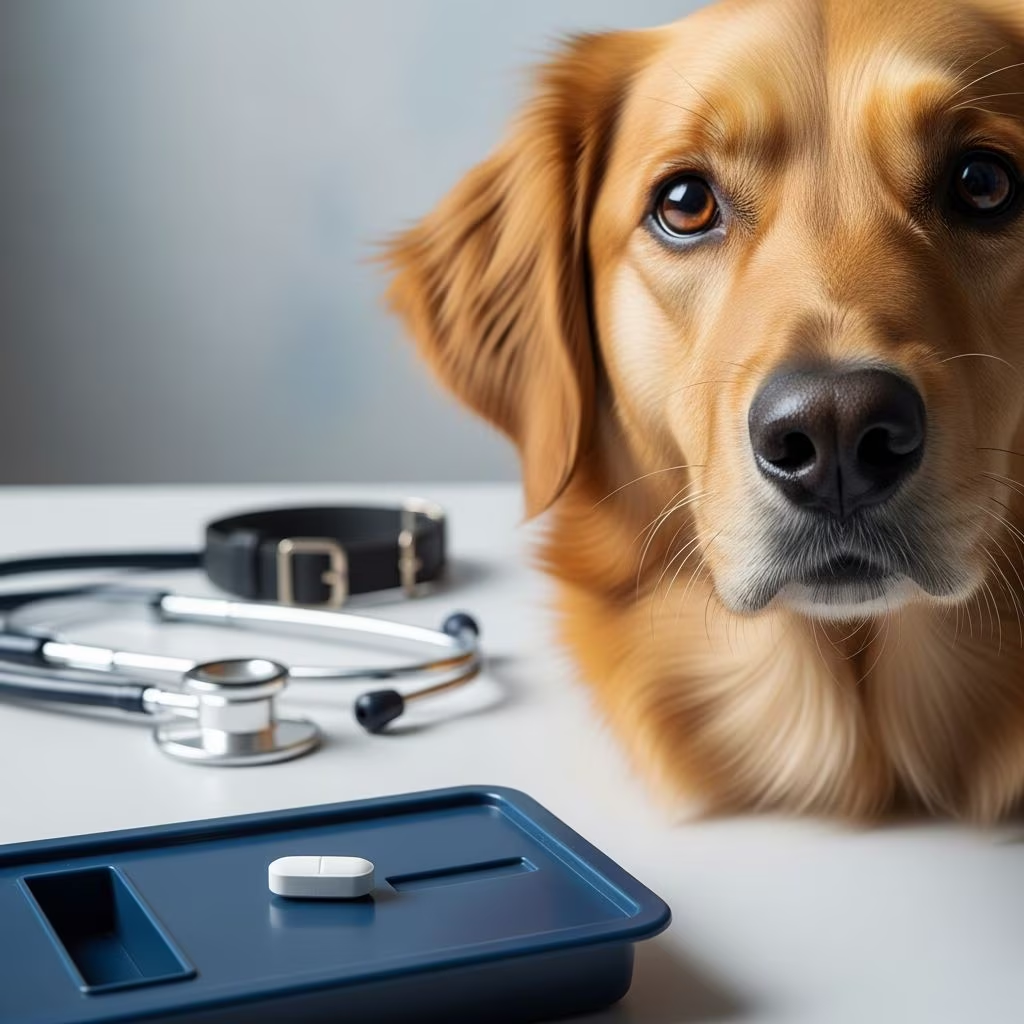
Hydroxyzine pamoate is a pharmaceutical agent commonly prescribed by veterinarians to address allergic conditions and anxiety-related behaviors in canine patients. Although not formally approved by the FDA for veterinary use, it has become an established therapeutic option in veterinary medicine. Understanding the potential adverse effects and safety considerations associated with this medication is essential for pet owners and veterinary professionals alike. This comprehensive guide explores the mechanisms, applications, risks, and management strategies related to hydroxyzine pamoate administration in dogs.
Understanding Hydroxyzine Pamoate: Pharmacological Foundation
Hydroxyzine pamoate functions as an antihistamine that operates by blocking histamine receptors throughout the body. Histamine is a natural chemical compound released during allergic reactions, responsible for triggering inflammation, itching, hives, and other immune-mediated responses. By inhibiting histamine’s effects, hydroxyzine pamoate provides relief from allergic symptoms while simultaneously exerting depressant effects on the central nervous system.
The central nervous system depression characteristic of hydroxyzine pamoate distinguishes it from many other antihistamines and expands its therapeutic applications. This property makes the medication particularly valuable for managing anxiety disorders, behavioral tension, and stress-related conditions in dogs. The combination of antihistaminic and anxiolytic properties creates a versatile treatment option for veterinarians managing complex cases involving both allergic and behavioral components.
Hydroxyzine pamoate is marketed under various brand names, with Vistaril being the most recognized formulation in human and veterinary medicine. The medication is available in capsule form, typically supplied in 25 mg and 50 mg strengths, making dose customization possible based on individual patient requirements.
Clinical Applications and Therapeutic Uses
The primary indication for hydroxyzine pamoate in canine medicine involves the management of allergic conditions manifesting through dermatological symptoms. Dogs experiencing hives, persistent itching, pruritus-related complications, and inflammatory rash conditions often respond favorably to hydroxyzine pamoate therapy. These allergic manifestations may originate from various sources, including environmental allergens, food sensitivities, parasitic infestations, or idiopathic dermatitis.
Beyond allergic management, veterinarians frequently employ hydroxyzine pamoate as a mild sedative and anxiolytic agent. Dogs exhibiting anxiety disorders, fear-based behavioral issues, or tension during stressful situations such as thunderstorms, fireworks, or veterinary visits may benefit from hydroxyzine pamoate administration. The medication provides short-term anxiety relief, making it particularly useful for situational stress management.
Additional therapeutic applications include managing nausea associated with motion sickness and reducing gastrointestinal distress. Some veterinarians utilize hydroxyzine pamoate as a pre-surgical or post-surgical medication to facilitate patient relaxation and recovery protocols.
Dosing Protocols and Administration Guidelines
Proper dosing represents a critical component of safe hydroxyzine pamoate use in canine patients. The standard dosing protocol for dogs involves calculating medication quantity based on body weight. The typical dose ranges from 1 mg per pound of body weight, administered every 6 to 8 hours. Dosage may be adjusted according to individual patient response, severity of condition, and veterinarian assessment.
For example, a 50-pound dog would typically receive a dose of 50 mg every 6 to 8 hours, translating to either two 25 mg capsules or one 50 mg capsule. Smaller dogs might require partial capsules or liquid formulations to achieve accurate dosing. Veterinarians may prescribe dosing schedules ranging from once daily to three times daily depending on clinical circumstances and treatment objectives.
Hydroxyzine pamoate is administered orally as capsules, tablets, or liquid suspension formulations. Owners should follow veterinary instructions precisely regarding frequency and quantity. The medication begins exerting therapeutic effects within 1 to 2 hours of administration, with peak effectiveness achieved approximately 2 hours after dosing. The duration of action typically extends 6 to 8 hours, though some patients experience effects lasting up to 12 hours.
Administration with food may enhance tolerability and reduce gastrointestinal side effects. However, specific feeding recommendations should follow veterinary guidance based on individual patient factors and concurrent medications.
Dosage Reference Table
| Patient Category | Typical Dose | Frequency |
|---|---|---|
| Dogs (general) | 1 mg per pound of body weight | Every 6-8 hours |
| Small dogs (under 15 lbs) | 5-10 mg | Every 6-8 hours |
| Medium dogs (15-50 lbs) | 15-50 mg | Every 6-8 hours |
| Large dogs (over 50 lbs) | 50+ mg | Every 6-8 hours |
Common Adverse Effects and Mild Reactions
While hydroxyzine pamoate is generally well-tolerated in dogs, adverse effects do occur. Understanding the distinction between mild, manageable side effects and serious reactions requiring veterinary intervention is crucial for responsible medication use.
The most frequently observed adverse effect is drowsiness or sedation. Dogs receiving hydroxyzine pamoate often exhibit reduced activity levels, increased sleeping duration, and diminished alertness. This effect typically represents an expected pharmacological action rather than a pathological complication, particularly when the medication is prescribed for anxiety management. However, the degree of sedation should be monitored to ensure it aligns with therapeutic objectives and does not excessively compromise quality of life.
Dizziness represents another common side effect, manifesting as loss of balance, incoordination, or apparent disorientation. Affected dogs may stumble, have difficulty navigating stairs, or demonstrate reluctance to move. These effects usually diminish as the body acclimates to the medication.
Gastrointestinal disturbances occur in some canine patients. Nausea, vomiting, and upset stomach may develop, particularly with initial doses or in sensitive individuals. These effects often resolve within several hours or improve with continued administration. Administering the medication with meals frequently reduces gastrointestinal irritation.
Dry mouth develops as a result of hydroxyzine pamoate’s anticholinergic properties. Affected dogs may exhibit decreased salivation and increased thirst. Ensuring constant access to fresh water helps mitigate this effect and supports proper hydration.
Blurred vision may occur but is typically temporary and mild. Dogs do not typically communicate visual changes clearly, so subtle behavioral shifts such as reluctance to navigate dimly lit areas might indicate compromised vision.
Confusion or behavioral changes occasionally develop, particularly in older dogs or those with pre-existing neurological conditions. Dogs may appear disoriented or demonstrate uncharacteristic behavior patterns.
Serious Adverse Reactions and Allergic Responses
Although uncommon, hydroxyzine pamoate can trigger serious allergic or hypersensitivity reactions requiring immediate emergency veterinary care. Pet owners should recognize warning signs indicating life-threatening complications.
True allergic reactions to hydroxyzine pamoate manifest through several critical symptoms:
- Hives or rash development across the skin surface
- Facial swelling, particularly affecting the muzzle, lips, tongue, or throat
- Difficulty breathing or respiratory distress
- Anaphylactic shock presenting with collapse and severe cardiovascular compromise
Dogs experiencing any combination of these symptoms require emergency veterinary medical attention immediately. Discontinue medication administration and transport the animal to an emergency veterinary facility without delay. Anaphylaxis represents a medical emergency capable of causing death within minutes if untreated.
Less common but potentially serious adverse effects include muscle tremors, involuntary muscle movements, or seizure activity. Hyperexcitability in some dogs contradicts the expected calming effect and may indicate idiosyncratic drug reactions. Low blood pressure occasionally develops, manifesting as weakness, collapse, or shock symptoms.
Special Populations and Contraindication Considerations
Certain canine populations require cautious hydroxyzine pamoate administration or may represent contraindications to therapy. Pregnant dogs, particularly those in the first trimester, should avoid hydroxyzine pamoate exposure due to potential teratogenic effects. Dogs with pre-existing seizure disorders may experience increased seizure frequency or severity with hydroxyzine pamoate administration.
Very young puppies and geriatric dogs demonstrate heightened sensitivity to medication effects. These age groups may experience more pronounced sedation, dizziness, or adverse reactions at standard dosages. Veterinarians often recommend dose reduction for these populations.
Dogs with underlying medical conditions require special consideration. Kidney disease, liver disease, heart disease, glaucoma, enlarged prostate, and urinary tract infections may be exacerbated by hydroxyzine pamoate or interact with the medication in unpredictable ways. Veterinarians should conduct baseline health assessments before initiating therapy in at-risk populations.
Dogs receiving concurrent medications may experience drug interactions affecting hydroxyzine pamoate efficacy or safety. Owners must disclose all current medications, supplements, and previous adverse drug reactions to their veterinarian before beginning treatment.
Overdose Management and Toxicity
Accidental overdose represents a critical medical emergency requiring immediate veterinary intervention. Dogs receiving excessive hydroxyzine pamoate doses may develop severe adverse effects distinct from typical side effect profiles.
Overdose symptoms include:
- Severe nausea and vomiting
- Profound drowsiness or loss of consciousness
- Seizure activity
- Slow or irregular breathing
- Severe drop in blood pressure
- Cardiovascular collapse
No specific antidote exists for hydroxyzine pamoate overdose. Veterinary management focuses on supportive care, including gastric decontamination if overdose is identified shortly after ingestion, intravenous fluid administration, respiratory support if needed, and cardiac monitoring. Activated charcoal administration may reduce continued absorption of remaining medication in the gastrointestinal tract.
Pet owners suspecting overdose should contact their veterinarian or emergency veterinary clinic immediately. Provide specific information regarding the dose ingested, time of ingestion, and current symptoms. Transport to a veterinary facility should not be delayed while awaiting advice.
Monitoring and Follow-Up Protocols
Dogs receiving hydroxyzine pamoate require ongoing monitoring to assess therapeutic response and detect emerging adverse effects. Owners should maintain detailed records regarding medication administration times, doses, observed behavioral changes, and any adverse reactions. This information proves invaluable during follow-up veterinary consultations.
Veterinarians typically schedule follow-up examinations 1 to 2 weeks after initiating hydroxyzine pamoate therapy to evaluate efficacy and tolerability. If the medication proves ineffective or side effects prove intolerable, veterinarians may adjust dosages, modify administration frequency, or consider alternative therapeutic options.
Some conditions require long-term hydroxyzine pamoate management, while others may be temporary. Veterinarians provide guidance regarding appropriate treatment duration. Even if clinical improvement occurs, abrupt medication discontinuation should be avoided without veterinary consultation, as rebound symptoms may develop.
Frequently Asked Questions
How quickly does hydroxyzine pamoate begin working in dogs?
Hydroxyzine pamoate typically begins exerting therapeutic effects within 1 to 2 hours of oral administration. Full therapeutic effects usually manifest within 2 hours, with duration extending 6 to 8 hours or longer depending on individual metabolism and the specific condition being treated.
Can hydroxyzine pamoate be given with food?
Yes, administering hydroxyzine pamoate with food is often recommended as it may reduce gastrointestinal side effects such as nausea and vomiting. However, follow your veterinarian’s specific instructions regarding feeding recommendations, as they may provide individualized guidance based on your dog’s condition.
Is hydroxyzine pamoate safe for long-term use?
Hydroxyzine pamoate can be used for extended periods when medically indicated and monitored appropriately. However, ongoing veterinary supervision is essential to assess continued efficacy, detect developing complications, and ensure the medication remains the most appropriate treatment choice.
What should I do if I miss a dose?
If you miss a scheduled dose, administer it as soon as remembered unless the next scheduled dose is approaching. Never double-dose to compensate for a missed administration. Contact your veterinarian for specific guidance regarding missed doses in your dog’s particular situation.
Can hydroxyzine pamoate be combined with other medications?
Hydroxyzine pamoate may interact with various medications. Always inform your veterinarian about all current medications, supplements, and previous adverse drug reactions before beginning hydroxyzine pamoate therapy. Your veterinarian will assess potential interactions and adjust treatment protocols accordingly.
Are certain dog breeds more susceptible to hydroxyzine pamoate adverse effects?
No specific breed predisposition to hydroxyzine pamoate adverse effects has been established. However, individual dogs demonstrate variable sensitivity regardless of breed. Dogs with underlying health conditions, advanced age, or very small body size may experience more pronounced effects.
When to Contact Your Veterinarian
Prompt veterinary communication is essential if your dog develops unexpected symptoms following hydroxyzine pamoate administration. Contact your veterinarian if your dog experiences:
- Persistent vomiting or inability to keep medication down
- Diarrhea or significant digestive disturbances
- Behavioral changes including aggression or uncharacteristic reactions
- Inability to stand or severe incoordination
- Collapse, weakness, or unresponsiveness
- Seizures or involuntary muscle contractions
- Difficulty breathing or respiratory distress
- Lack of improvement in intended symptoms after appropriate trial period
Seek emergency veterinary care immediately if your dog develops signs of allergic reaction (facial swelling, hives, difficulty breathing) or overdose symptoms (severe drowsiness, seizures, slow breathing).
Conclusion
Hydroxyzine pamoate represents a valuable therapeutic option for managing allergic conditions and anxiety-related disorders in canine patients. Understanding potential adverse effects, recognizing serious complications, and maintaining appropriate monitoring ensures safe and effective medication use. Pet owners should maintain open communication with their veterinarian, report emerging symptoms promptly, and never adjust dosages or discontinue treatment without professional guidance. With proper administration and monitoring, hydroxyzine pamoate can provide significant therapeutic benefit while minimizing associated risks.
References
- Hydroxyzine Pamoate for Dogs and Cats — 1800PetMeds. 2024. https://www.1800petmeds.com
- Hydroxyzine HCl Oral for Pets: Antihistamine Information — PetCareRx. 2024. https://www.petcarerx.com
- Hydroxyzine for Dogs: Uses, Dosages, and Side Effects — GoodRx. 2024. https://www.goodrx.com/pet-health
- Hydroxyzine – VCA Animal Hospitals — VCA Animal Hospitals. 2024. https://vcahospitals.com
- Hydroxyzine HCl: Antihistamine for Pets — Medi-Vet. 2024. https://www.medi-vet.com



