

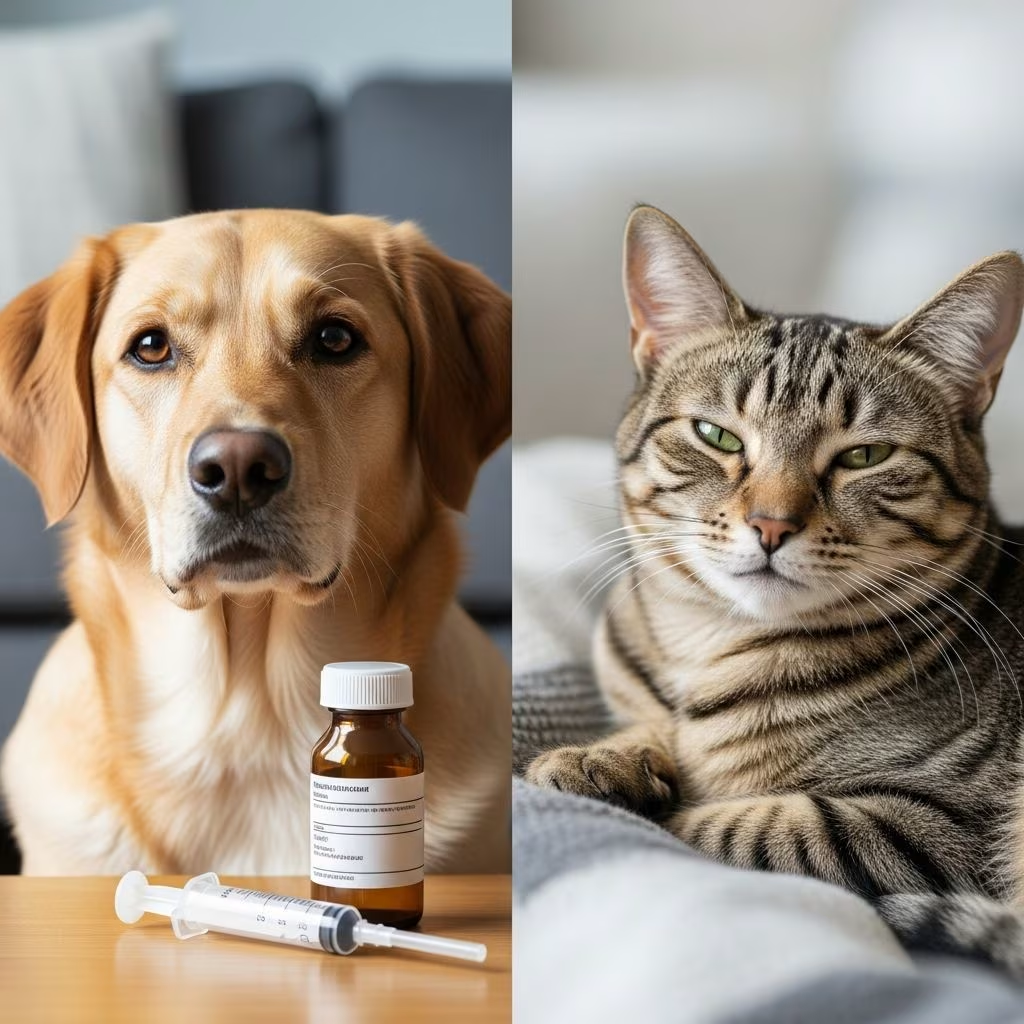
Hydroxyzine for Dogs and Cats: Complete Medication Guide
Hydroxyzine is an antihistamine medication commonly prescribed by veterinarians to provide relief for dogs and cats suffering from allergies, itching, and anxiety. This medication works by blocking histamine receptors in the body, reducing allergic reactions and their associated symptoms. Additionally, hydroxyzine has sedative properties that make it useful for calming anxious pets during stressful situations. Understanding how hydroxyzine works, its proper dosage, and administration guidelines is essential for pet owners to ensure their animals receive safe and effective treatment.
What Is Hydroxyzine?
Hydroxyzine is an antihistamine with dual therapeutic properties that benefit pets in multiple ways. The medication functions by blocking histamine, a chemical messenger in the body responsible for triggering allergic responses. By inhibiting histamine activity, hydroxyzine effectively reduces itching, hives, and other allergic skin reactions. Beyond its antihistamine properties, hydroxyzine also depresses central nervous system activity, making it valuable as a mild sedative or tranquilizer. This combination of effects makes hydroxyzine particularly useful for pets with both allergic skin conditions and anxiety-related issues. While hydroxyzine is not FDA-approved specifically for veterinary use, it represents a commonly accepted and well-established practice in veterinary medicine for treating various conditions in dogs and cats.
Uses of Hydroxyzine in Pets
Veterinarians prescribe hydroxyzine for several therapeutic purposes in dogs and cats:
Allergic Skin Conditions
One of the primary uses of hydroxyzine is treating allergic reactions affecting the skin. Dogs and cats commonly suffer from hives, itching, and rashes caused by environmental allergies, food sensitivities, or contact allergens. Hydroxyzine effectively reduces these symptoms by blocking the histamine response that triggers itching and inflammation. Pets with seasonal allergies often experience significant relief when given hydroxyzine during high-pollen periods or when exposed to known allergens.
Anxiety and Stress
The sedative properties of hydroxyzine make it an excellent option for managing anxiety in pets. Anxious dogs may benefit from hydroxyzine during thunderstorms, fireworks displays, or veterinary visits. Cats with separation anxiety or stress-related behaviors may also find relief through this medication. The calming effects help reduce nervous behaviors and promote a more relaxed state.
Mild Sedation
When pets require mild sedation for medical procedures or stressful situations, hydroxyzine can serve as a gentle option that causes drowsiness without completely incapacitating the animal.
Hydroxyzine Dosage for Dogs and Cats
Proper dosing is crucial for ensuring hydroxyzine’s effectiveness while minimizing the risk of adverse effects. Dosage calculations are primarily based on the pet’s body weight, and veterinarians may adjust doses based on individual response and specific health conditions.
Dosage for Dogs
The standard dosage for dogs is 1 mg per pound of body weight administered every 6 to 8 hours, though some dosing protocols recommend administration every 8 to 12 hours. Alternatively, dosing may be calculated at 0.5 to 2 mg per kilogram of body weight given every 6 to 8 hours as needed. For example, a 50-pound dog would typically receive 50 mg every 6 to 8 hours. The maximum recommended dose generally does not exceed 2 mg per pound twice daily. Your veterinarian will provide specific dosing instructions based on your dog’s weight, age, health status, and the condition being treated.
Dosage for Cats
Cats typically receive a dosage of 5 to 10 mg per cat administered every 8 to 12 hours, or alternatively 0.5 to 1 mg per pound of body weight. This lower dosing range reflects cats’ generally greater sensitivity to medications compared to dogs. As with dogs, your veterinarian will determine the appropriate dose for your individual cat based on weight and medical needs.
How to Give Hydroxyzine
Administration Methods
Hydroxyzine is available in multiple formulations to accommodate different pet needs and preferences:
- Tablets: Available in 10 mg, 25 mg, and 50 mg strengths, tablets can be given whole or crushed and mixed with food
- Capsules: Capsule formulations offer an alternative to tablets for pets that prefer this delivery method
- Liquid solution: Liquid forms allow for precise dose measurement and are particularly useful for pets requiring smaller doses or those with difficulty swallowing tablets
- Injectable form: Hydroxyzine can be administered as an injection in veterinary hospital settings when oral administration is not feasible
Feeding Considerations
Hydroxyzine may be given with or without food. However, if your pet experiences vomiting when the medication is given on an empty stomach, administer future doses with food to prevent gastrointestinal upset. When using liquid formulations, measure doses carefully to ensure accurate administration.
Timing and Frequency
Hydroxyzine works best when given on a regular basis prior to exposure to known allergens. The medication takes effect quickly, typically within 1 to 2 hours, with peak effectiveness often occurring around 3 hours after administration. Effects generally last 8 to 12 hours, depending on the individual pet and specific formulation used. If you miss a scheduled dose, give the medication as soon as you remember, unless the next scheduled dose is approaching within approximately one hour. In that case, maintain your regular schedule without doubling up on doses.
Important Considerations Before Using Hydroxyzine
Precautions and Contraindications
While hydroxyzine is generally safe for most pets, certain conditions warrant caution or may contraindicate its use. Use hydroxyzine with caution in pets that have glaucoma, as antihistamines may worsen this eye condition. Pets with difficulty urinating or enlarged prostate glands may experience worsening of urinary symptoms. Animals with heart disease, liver disease, or kidney disease require careful monitoring, as these conditions may affect how the body processes the medication. Pregnant animals, particularly those in later stages of pregnancy, should not receive hydroxyzine due to potential effects on fetal development. Lactating animals should also avoid this medication, as it may pass into breast milk. Additionally, working animals should receive hydroxyzine only when necessary, as the sedative effects may interfere with their job performance.
Allergy Testing Interactions
An important consideration is that hydroxyzine should not be given within two weeks of intradermal allergy testing. The medication can interfere with allergy test results, potentially leading to false negatives and inaccurate identification of allergens.
Product Selection
When giving hydroxyzine, ensure you use products containing hydroxyzine as the only active ingredient. Do not give combination products that contain hydroxyzine mixed with other medications unless specifically directed by your veterinarian, as this could result in unintended drug interactions or overdosing of certain components.
Possible Side Effects
While hydroxyzine is generally well-tolerated, some pets may experience side effects. The most common side effect is drowsiness or dizziness, which can affect your pet’s coordination and alertness. This effect typically diminishes with continued use as the body adjusts to the medication. In cases of overdose, excessive tiredness beyond normal drowsiness may occur. Other potential side effects may include dry mouth or urinary retention in sensitive individuals. Most side effects are mild and temporary, but contact your veterinarian if your pet experiences severe or persistent adverse reactions.
Onset and Duration of Action
Understanding how quickly hydroxyzine works helps pet owners know what to expect from treatment. Oral hydroxyzine typically begins working within 1 to 2 hours of administration, with some formulations potentially showing effects within one hour. Peak effectiveness usually occurs around 3 hours after administration. The medication’s effects generally persist for 8 to 12 hours, making it suitable for twice or three-times-daily dosing protocols depending on the specific condition and individual pet response.
Special Circumstances and Storage
Hospital Administration
In clinical settings, hydroxyzine may be administered intravenously for more immediate effects or when oral administration is not possible. Your veterinarian will determine the most appropriate route of administration based on your pet’s specific situation.
Storage and Handling
Store hydroxyzine tablets and capsules at room temperature in a dry location away from direct sunlight. Keep liquid formulations properly sealed and store according to package instructions. Always keep medications in their original containers with clear labeling to prevent accidental administration of incorrect doses.
When to Contact Your Veterinarian
Contact your veterinarian if your pet experiences severe or persistent side effects, shows no improvement in symptoms after several doses, develops new symptoms, or if you have concerns about the medication’s effectiveness. Additionally, inform your veterinarian about any other medications your pet is taking, as hydroxyzine may interact with certain drugs. Regular communication with your veterinary care team ensures your pet receives optimal treatment and any necessary adjustments to the medication regimen.
Frequently Asked Questions About Hydroxyzine
Q: Is hydroxyzine approved by the FDA for use in dogs and cats?
A: Hydroxyzine is not FDA-approved specifically for veterinary use; however, it is a widely accepted and commonly used medication by veterinarians for treating allergies and anxiety in both dogs and cats, a practice known as off-label use.
Q: How long can my pet safely take hydroxyzine?
A: Hydroxyzine can be used for both short-term and long-term management of allergies or anxiety as determined by your veterinarian. Regular monitoring and follow-up appointments help ensure continued safety and effectiveness.
Q: What should I do if my pet experiences an allergic reaction to hydroxyzine?
A: If your pet shows signs of an allergic reaction such as facial swelling, difficulty breathing, or severe itching, contact your veterinarian or emergency animal clinic immediately. These reactions are rare but require prompt medical attention.
Q: Can hydroxyzine be combined with other allergy medications?
A: Some pets may benefit from combination therapy with other medications, but this should only be done under veterinary guidance. Never combine medications without consulting your veterinarian first.
Q: How should I store hydroxyzine?
A: Store hydroxyzine tablets and capsules at room temperature away from moisture and direct sunlight. Keep liquid formulations sealed and stored according to package directions. Always maintain original labeling and keep out of reach of children and other pets.
Q: What if I accidentally give my pet too much hydroxyzine?
A: If you suspect an overdose, contact your veterinarian or poison control center immediately. Symptoms of overdose may include excessive drowsiness, confusion, or difficulty breathing. Prompt veterinary care is important.
References
- Antihistamine Dosages for Integumentary Disease in Animals — Merck Veterinary Manual. 2024. https://www.merckvetmanual.com/multimedia/table/antihistamine-dosages-for-integumentary-disease-in-animals
- Hydroxyzine for Dogs: Uses, Dosages, and Side Effects — GoodRx Pet Health. 2024. https://www.goodrx.com/pet-health/dog/hydroxyzine-for-dogs
- Hydroxyzine HCl 10 mg Tablets for Dogs and Cats — 1800PetMeds. 2024. https://www.1800petmeds.com/dog-or-cat/rx-medication/product/hydroxyzine-hcl/prod10175.html
- Hydroxyzine for Dogs — Wag Walking. 2024. https://wagwalking.com/treatment/hydroxyzine
- Hydroxyzine for Dogs: Side Effects, Dosage, and Uses — SingleCare. 2024. https://www.singlecare.com/blog/hydroxyzine-for-dogs/



