

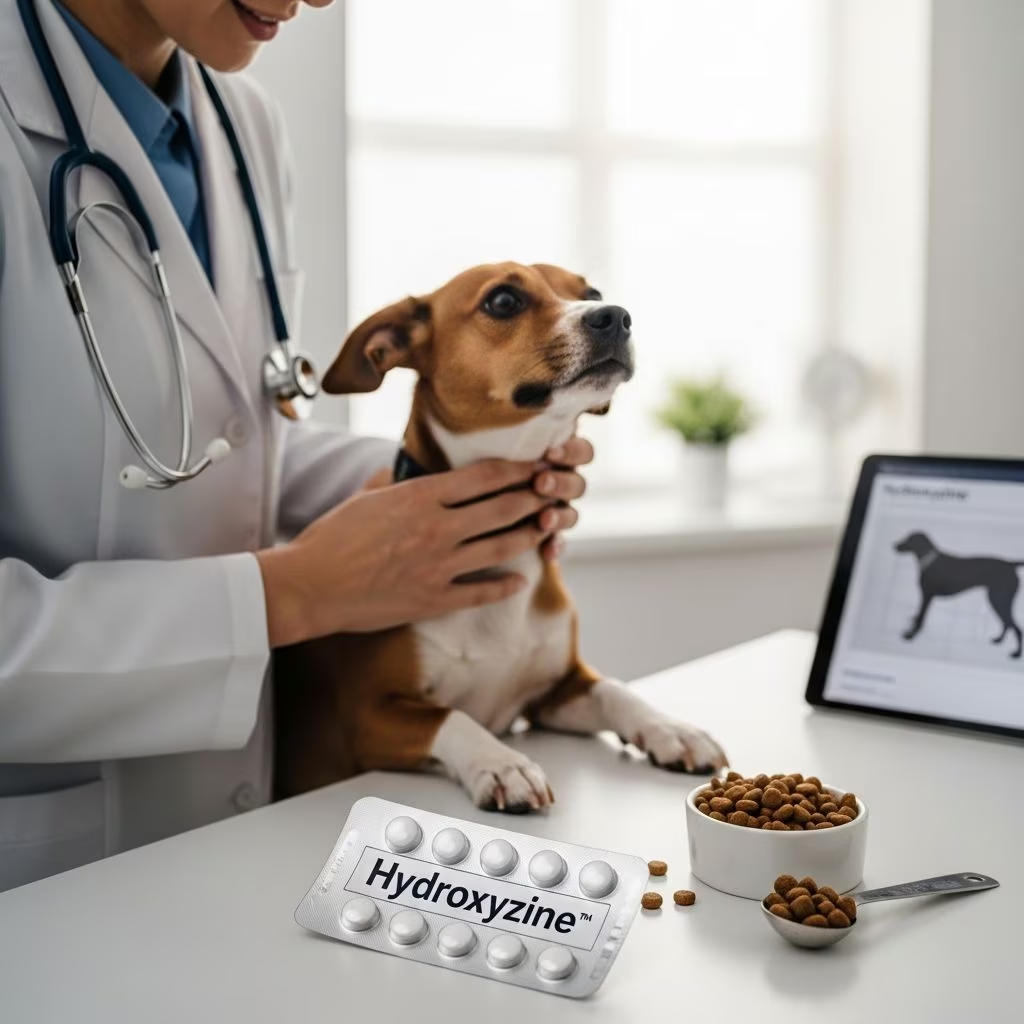
Understanding Hydroxyzine for Dogs and Cats
Hydroxyzine is a prescription antihistamine medication commonly prescribed by veterinarians to treat allergies and anxiety in dogs and cats. This medication works by blocking the effects of histamine in the body, helping to relieve itching, hives, and other allergic reactions. Additionally, hydroxyzine has sedative properties that make it useful for calming anxious pets during stressful situations. While hydroxyzine is not FDA-approved specifically for veterinary use, it is a well-established and commonly accepted practice among veterinarians to prescribe this medication to address various conditions in companion animals.
How Hydroxyzine Works
Hydroxyzine functions as a first-generation antihistamine that provides both therapeutic and mild sedative effects. The medication blocks histamine receptors throughout the body, which helps reduce the inflammatory response responsible for itching, swelling, and other allergic symptoms. Beyond its antihistamine properties, hydroxyzine also depresses activity in the central nervous system, making it effective for managing anxiety, tension, and stress-related behavioral issues in pets. This dual mechanism of action makes hydroxyzine particularly valuable for pets experiencing both allergic reactions and anxiety-related concerns.
The medication is particularly effective against skin-related allergic conditions including hives, itching, rashes, and other dermatological manifestations of allergies. Many pet owners find that hydroxyzine provides relief when their dogs or cats experience seasonal allergies or environmental sensitivities that trigger scratching and discomfort.
Forms and Administration of Hydroxyzine
Hydroxyzine is available in multiple formulations to accommodate different pet preferences and veterinary needs. The medication is typically dispensed as:
- Tablets in 10mg, 25mg, and 50mg strengths
- Liquid solutions for pets that cannot take tablets
- Capsules for easier administration
- Injectable form for hospital or clinical administration
The specific form prescribed will depend on your pet’s individual needs, size, and your veterinarian’s recommendation. Tablets and capsules should be administered by mouth, while liquid solutions must be measured carefully to ensure accurate dosing. Injectable hydroxyzine is typically reserved for clinical settings where precise dosing and immediate effect are necessary.
Dosage Guidelines for Dogs
The appropriate dosage of hydroxyzine for dogs depends primarily on body weight and the specific condition being treated. Generally, the standard dosing protocol for dogs follows these guidelines:
- Typical dose: 1 mg per pound of body weight
- Frequency: Every 6 to 8 hours, or as directed by your veterinarian
- Maximum daily dose: Generally not exceeding 2 mg per pound, given in divided doses
For example, a 50-pound dog would typically receive 50 mg per dose, administered once or twice daily depending on the severity of symptoms and veterinary recommendations. Smaller breeds require proportionally smaller doses, while larger breeds may need higher absolute amounts but maintain the same mg-per-pound ratio.
According to veterinary medicine references, the dosage range of 0.5 to 2 mg/kg given every 6 to 8 hours covers most therapeutic needs for dogs with allergic or anxiety-related conditions. Your veterinarian will determine the most appropriate dosage within this range based on your dog’s specific situation.
Dosage Guidelines for Cats
Cats typically require lower doses of hydroxyzine compared to dogs due to their smaller body size and different metabolism. The standard dosing for feline patients includes:
- Typical dose: 5 to 10 mg per cat
- Frequency: Every 8 to 12 hours
- Alternative calculation: 0.5 to 1 mg per pound of body weight
Since most cats weigh significantly less than dogs, absolute doses are substantially lower. A 10-pound cat might receive 5 to 10 mg per dose, while larger cats might receive up to 10 mg depending on their specific weight and condition. Always follow your veterinarian’s specific dosing instructions, as individual cats may have varying requirements based on health status and the condition being treated.
How Quickly Hydroxyzine Takes Effect
One of the advantages of hydroxyzine is its relatively rapid onset of action. When administered orally, hydroxyzine typically begins working within 1 to 2 hours of administration. The medication reaches peak effectiveness around 3 hours after dosing, and its effects generally last between 6 to 12 hours depending on the individual pet and dosage used. Some pets may experience effects as quickly as one hour after administration, though this varies based on metabolism and other factors.
For optimal results, hydroxyzine works best when administered on a regular, consistent schedule rather than on an as-needed basis. Veterinarians often recommend giving the medication prior to anticipated allergen exposure or stressful situations, such as before seasonal allergy season begins or before situations known to trigger anxiety in your pet.
Administration Instructions and Precautions
Proper administration of hydroxyzine ensures maximum effectiveness and minimizes potential complications. Follow these important guidelines:
- Administer tablets, capsules, or liquid orally as directed by your veterinarian
- The medication may be given with or without food
- If vomiting occurs when given on an empty stomach, administer future doses with food
- Measure liquid formulations carefully using appropriate measuring devices
- Maintain consistent dosing schedules at the advised frequency
- Do not discontinue or change dosing without veterinary guidance
If you miss a scheduled dose, administer hydroxyzine as soon as you remember. However, if the next scheduled dose is approaching within an hour, maintain your regular schedule without doubling up on doses. Never give two doses together to compensate for a missed dose, as this increases the risk of overdose and adverse effects.
Important Precautions and Contraindications
While hydroxyzine is generally well-tolerated in most pets, certain conditions warrant caution or may contraindicate its use. Use hydroxyzine with caution in pets that have:
- Glaucoma or other eye conditions
- Difficulty urinating or urinary obstruction
- Enlarged prostate gland
- Heart disease or cardiac complications
- Liver disease or hepatic dysfunction
- Kidney disease or renal impairment
- Late-stage pregnancy
- Lactation or nursing status
- Working animal status requiring alertness
Pets with any of these conditions should only receive hydroxyzine under close veterinary supervision with appropriate monitoring. Your veterinarian may recommend alternative medications or adjust dosing protocols to ensure safety. Additionally, do not administer hydroxyzine within two weeks before scheduled intradermal allergy testing, as the medication can interfere with test results.
Potential Side Effects
Most pets tolerate hydroxyzine well, but like all medications, side effects can occur. The most common side effects include:
- Drowsiness or sedation
- Dizziness or ataxia
- Mild gastrointestinal upset
- Vomiting, particularly on an empty stomach
These effects are typically mild and often decrease as the pet’s body adjusts to the medication. Overdose can result in excessive tiredness, increased side effects, or more severe central nervous system depression. If you suspect overdose or observe severe adverse reactions, contact your veterinarian or emergency veterinary clinic immediately.
Combination Products and Important Warnings
When administering hydroxyzine to your pet, ensure that you are using products containing hydroxyzine as the only active ingredient. Do not give combination products that contain hydroxyzine along with other medications or supplements unless specifically directed by your veterinarian. Combination products may contain ingredients that interact negatively with hydroxyzine or that your pet may not require, potentially causing adverse effects or reducing medication effectiveness.
When to Consult Your Veterinarian
Maintain regular communication with your veterinarian regarding your pet’s response to hydroxyzine therapy. Contact your veterinarian if:
- Your pet experiences severe or persistent side effects
- You notice no improvement in symptoms after several doses
- Symptoms worsen despite medication administration
- Your pet develops new or concerning symptoms
- You need to adjust the dosing schedule or medication
- Your pet’s health status changes significantly
Frequently Asked Questions
Q: Is hydroxyzine safe for long-term use in pets?
A: Hydroxyzine can be used long-term under veterinary supervision. However, your veterinarian may periodically reassess your pet’s condition to ensure continued appropriateness of the medication and dosage.
Q: Can I give hydroxyzine with other medications?
A: Always inform your veterinarian about all medications and supplements your pet is taking. Some medications may interact with hydroxyzine, so your veterinarian must review all treatments before prescribing this medication.
Q: What should I do if my pet vomits after taking hydroxyzine?
A: If vomiting occurs, try administering future doses with food. If vomiting persists, contact your veterinarian to discuss alternative formulations or medications.
Q: How long can my pet stay on hydroxyzine?
A: Duration of therapy depends on the underlying condition. Some pets may need short-term treatment for seasonal allergies, while others may benefit from longer-term therapy for chronic conditions. Your veterinarian will determine the appropriate duration.
Q: Can I stop giving hydroxyzine suddenly?
A: Do not discontinue hydroxyzine without consulting your veterinarian. While hydroxyzine is not typically associated with withdrawal effects, stopping medication abruptly may result in return of symptoms.
Q: Are there alternative medications to hydroxyzine?
A: Yes, several alternative antihistamines and anti-allergy medications exist. If hydroxyzine is not effective or causes side effects, your veterinarian can recommend alternatives tailored to your pet’s needs.
References
- Antihistamine Dosages for Integumentary Disease in Animals — Merck Veterinary Manual. 2024. https://www.merckvetmanual.com/multimedia/table/antihistamine-dosages-for-integumentary-disease-in-animals
- Hydroxyzine for Dogs — SingleCare. 2024. https://www.singlecare.com/blog/hydroxyzine-for-dogs/
- Hydroxyzine HCl for Dogs and Cats — 1800PetMeds. 2024. https://www.1800petmeds.com/dog-or-cat/rx-medication/product/hydroxyzine-hcl/prod10175.html
- Hydroxyzine for Dogs: Uses, Dosages, and Side Effects — GoodRx Pet Health. 2024. https://www.goodrx.com/pet-health/dog/hydroxyzine-for-dogs
- Hydroxyzine Treatment for Dogs — Wag!. 2024. https://wagwalking.com/treatment/hydroxyzine



