

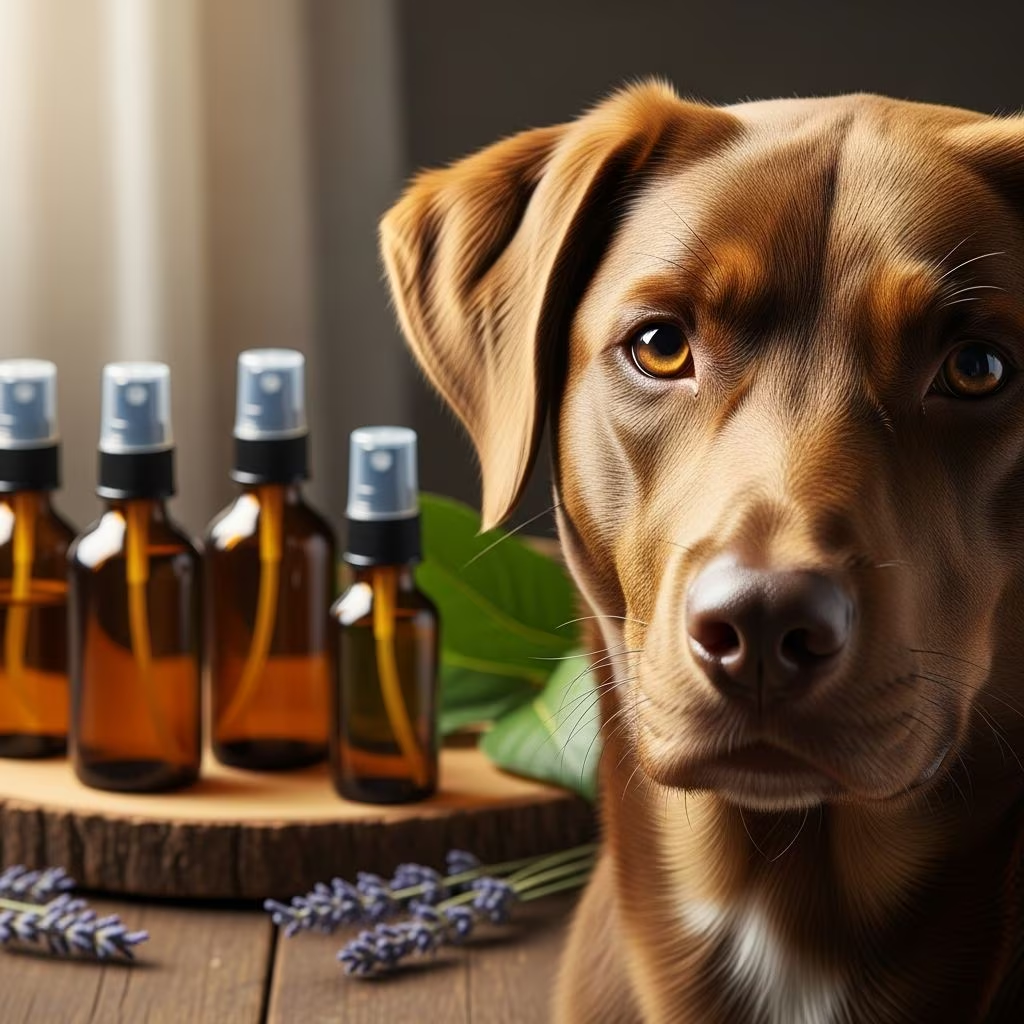
Hydrosols provide a mild yet potent option for enhancing canine health through aromatherapy, capturing water-soluble plant compounds during steam distillation. These aromatic waters deliver therapeutic effects similar to essential oils but with far greater safety for dogs’ sensitive systems.
What Are Hydrosols and Why Choose Them for Canines?
Hydrosols, also known as floral waters or distillates, emerge as the byproduct of essential oil production. When plant materials like lavender or chamomile undergo steam distillation, the vapor condenses into two layers: concentrated essential oils and the gentler hydrosol layer infused with hydrophilic acids, antioxidants, and trace volatiles. Unlike synthetic fragrance waters, true hydrosols retain natural, bioactive elements absent in pure oils.
For dogs, whose olfactory senses are exponentially sharper than humans’, hydrosols strike an ideal balance. They offer 20-30 times the concentration of herbal infusions without the potency risks of essential oils, which can provoke adverse reactions like skin burns or neurological issues in pets. Veterinary studies highlight essential oils’ potential toxicity, positioning hydrosols as a superior, low-risk alternative for topical and environmental use.
- Gentle potency: Mild enough for daily use on puppies, seniors, or sensitive breeds.
- Versatile application: Safe for misting, ingestion, or bathing.
- Natural synergy: Combines anti-inflammatory, antimicrobial, and calming properties.
Key Benefits of Hydrosols in Dog Wellness
Hydrosols address a spectrum of canine concerns, from dermatological woes to behavioral stress. Their pH-balanced, hydrating nature makes them particularly valuable for maintaining skin barrier function and promoting healing.
| Benefit | Hydrosol Examples | Supported Effects |
|---|---|---|
| Skin Healing | Helichrysum, Yarrow | Reduces inflammation, accelerates wound closure |
| Calming | Lavender, Neroli | Eases anxiety, aids sleep during travel |
| Antimicrobial | Tea Tree, Witch Hazel | Dries hot spots, prevents infections |
| Muscle Relief | St. John’s Wort | Soothes soreness post-exercise |
Research underscores their role in mood regulation; lavender hydrosol, for instance, influences canine serotonin pathways, mitigating separation anxiety or noise phobias. Systemically, they support mild allergies, digestion, and respiratory comfort when diluted in water or food.
Top Hydrosols for Common Canine Conditions
Skin Irritations and Hot Spots
Hot spots—moist, inflamed lesions from allergies or licking—respond swiftly to drying, antiseptic hydrosols. Organic tea tree hydrosol disinfects without the oil’s risks, such as paralysis reports in sensitive dogs. Apply via spritz 2-3 times daily; users report clearance in days.
Helichrysum, prized for regenerative prowess, tackles deeper wounds and eczema. Yarrow complements with astringent action, shrinking swelling. For chronic lick granulomas, combine with environmental diffusion.
Anxiety and Behavioral Support
Stress manifests in barking, pacing, or destructiveness. Neroli and lavender hydrosols promote relaxation via gentle misting on bedding or collars. During thunderstorms or vet visits, a few spritzes create a soothing aura.
Lemon balm enhances coat luster while masking odors, tolerated better than chemical sprays. For travel nausea, dampen a cloth nearby.
Ear and Oral Hygiene
Recurrent ear infections plague floppy-eared breeds. Witch hazel hydrosol maintains optimal pH, preventing ‘swamp ear’ buildup. Wipe gently with a cotton pad; its pleasant scent encourages compliance.
For dental care, peppermint hydrosol freshens breath and reduces plaque when brushed onto gums. Chamomile soothes inflamed mouths post-extraction.
Paw and Coat Maintenance
Post-walk paw soaks in calendula or lavender prevent cracks from de-icing salts or hot pavement. Lemon balm misting imparts shine and repels insects naturally.
Safe Application Methods for Hydrosols
Quality sourcing is paramount: opt for organic, steam-distilled products from reputable suppliers, verifying via pH strips (ideal 4.0-6.0). Patch-test on a small skin area first.
- Topical Spray: Fill a mister with undiluted hydrosol; apply 2-4 times daily to affected areas.
- Ingestion: Add 1-2 tsp per 20 lbs body weight to food or water bowls.
- Baths/Shampoos: Mix 1 oz per gallon for soothing suds.
- Diffusion: Use pet-safe nebulizers for ambient calming.
- Compresses: Soak cloth for hot spot poultices.
Start low: observe for 24 hours. Consult vets for pregnant, nursing, or medicated dogs.
Selecting and Storing Quality Hydrosols
Distinguish genuine hydrosols from adulterated waters by aroma intensity and cloudiness from natural particulates. Reputable vendors like Nature’s Gift provide lab-tested batches.
- Storage: Cool, dark place; shelf life 1-2 years refrigerated.
- Cost: $10-25 per 4 oz, reflecting purity.
- Blends: Avoid pre-mixed unless certified; single-note preferred for targeted therapy.
Potential Risks and Veterinary Integration
While safer, overuse may cause mild GI upset if ingested excessively. Never apply near eyes or mucous membranes undiluted. Essential oil enthusiasts should transition cautiously, avoiding high-phenol types like oregano.
Integrate with conventional care: hydrosols complement antibiotics for infections or anti-anxiety meds. A 2024 veterinary review affirms their adjunctive value in holistic protocols.
Real-World Success Stories
Owners report transformations: one dog’s chronic hot spots resolved with daily tea tree misting. Another’s storm phobia eased via lavender-diffused environments. Groomers note calmer sessions with bath additives.
FAQs on Canine Hydrosols
Are hydrosols safe for puppies?
Yes, their dilution suits all ages; dilute further for under 6 months.
Can I make hydrosols at home?
Home distillation risks contamination; purchase professional-grade.
How do hydrosols differ from essential oils for dogs?
Hydrosols are water-based, 1000x less concentrated, eliminating toxicity.
Which hydrosol for flea prevention?
Lavender or geranium; mist bedding weekly.
Do they expire?
Check for aroma changes; discard if off.
(Word count: 1678)
References
- Hydrosols Used in Canine Aromatherapy — Whole Dog Journal. 2023-01-15. https://www.whole-dog-journal.com/care/hydrosols-used-in-canine-aromatherapy/
- Hydrosols and Aromatherapy for Your Dog — PetCloud. 2024-05-20. https://www.petcloud.com.au/d/blog/hydrosols-and-aromatherapy-for-your-dog/
- Hydrosols and Aromatherapy for Your Dog — WagWalking. 2023-11-10. https://wagwalking.com/wellness/hydrosols-and-aromatherapy-for-your-dog
- 10 Ways to Use Hydrosols for Animal Care — Aromatic Wisdom Institute. 2024-02-28. https://www.aromaticwisdominstitute.com/hydrosols-animal-care/
- Hydrosols for Pets — The Safest Aromatherapy Option — Essential 3. 2023-08-05. https://essentialthree.com/hydrosols-for-pets/



