

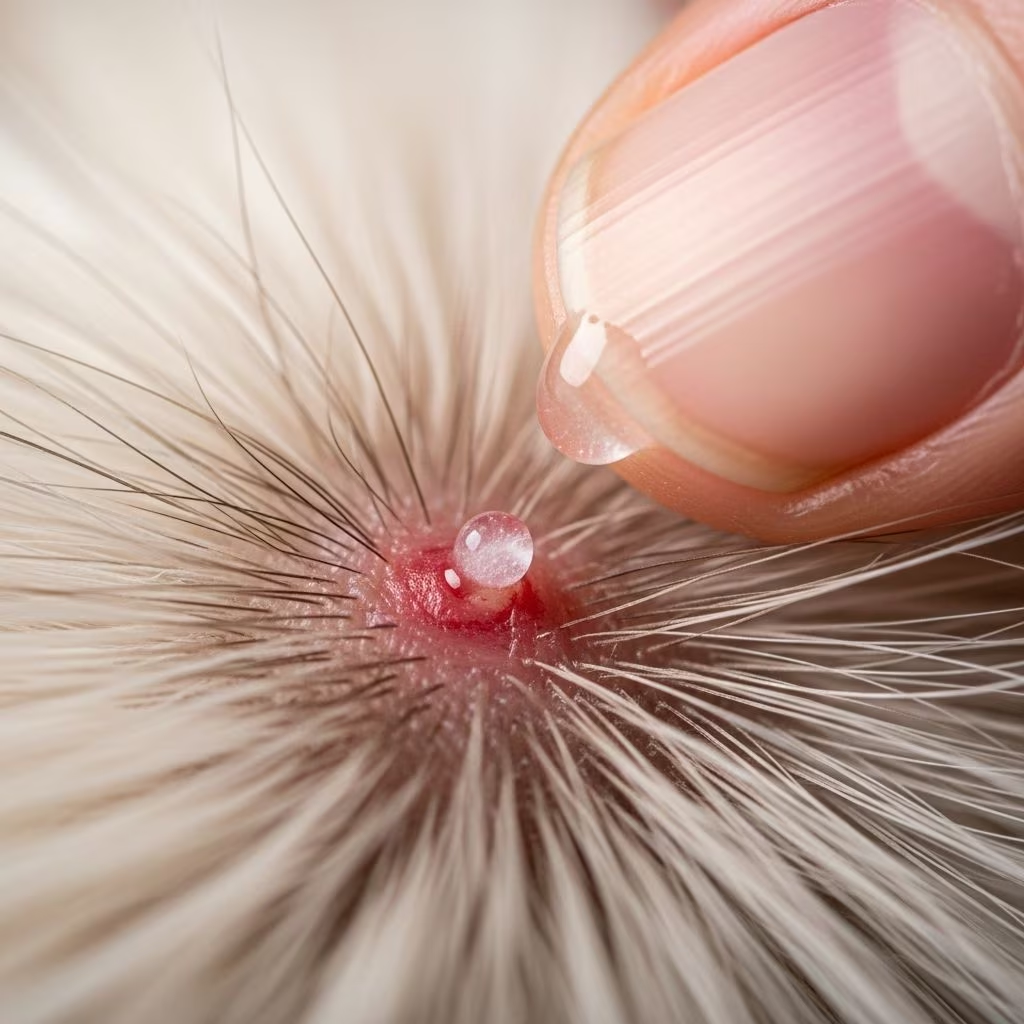
Flea bites cause intense itching and discomfort in pets, and hydrocortisone cream offers a mild topical solution to reduce inflammation when used correctly under veterinary guidance. This article explores its role in pet care, focusing on safe application for dogs and cats.
Understanding Flea Bites on Pets
Fleas are tiny parasites that feed on pet blood, leaving behind saliva that triggers allergic reactions. Pets often develop red, inflamed bumps clustered around the tail, groin, and legs, leading to excessive scratching and potential secondary infections.
- Common symptoms: Intense itching, hair loss, red papules, and restlessness.
- High-risk pets: Those with flea allergy dermatitis (FAD) experience worsened reactions.
- Why it persists: Flea saliva proteins provoke immune responses, amplifying discomfort.
How Hydrocortisone Works Against Flea Bite Reactions
Hydrocortisone, a mild corticosteroid, suppresses local immune activity, decreasing histamine release and inflammation at bite sites. For pets, 1% formulations calm skin flare-ups without strong systemic effects when applied sparingly.
It mimics the body’s cortisol to reduce swelling and itch, providing relief within hours. Unlike oral steroids, topical use minimizes side effects in short-term scenarios.
Safe Application Guidelines for Pets
Always consult a vet before use, as pet skin differs from human skin in absorption rates. Apply a thin layer to clean, dry affected areas once or twice daily for no more than 7 days.
| Pet Type | Recommended Strength | Frequency | Key Precautions |
|---|---|---|---|
| Dogs | 0.5-1% | 1-2 times/day | Avoid face, genitals; monitor for thinning skin |
| Cats | 0.5% max | Once/day | Cats are more sensitive; short-term only |
| Puppies/Kittens | Vet-approved only | As directed | Not for under 6 months without supervision |
Wash hands post-application and prevent licking by using an Elizabethan collar if needed.
Benefits of Hydrocortisone for Pet Flea Bites
- Rapid itch reduction: Eases scratching cycles that lead to wounds.
- Anti-inflammatory action: Minimizes swelling and redness for comfort.
- Supports healing: Allows skin recovery when combined with flea control.
- Accessible option: Over-the-counter for mild cases, vet-prescribed for stronger needs.
Potential Risks and Side Effects in Pets
While effective, improper use can cause issues. Prolonged application thins skin, increases infection risk, or leads to adrenal suppression in sensitive animals.
- Local effects: Dryness, folliculitis, or hyperpigmentation.
- Systemic risks: Rare with topical use but possible in cats or small pets.
- Contraindications: Avoid on open wounds, infected areas, or viral/fungal skin conditions.
Cats metabolize steroids poorly, heightening toxicity risks; limit exposure strictly.
Alternatives to Hydrocortisone for Flea Bite Relief
Not all cases suit steroids. Consider these vet-recommended options:
- Antihistamines: Oral diphenhydramine for mild allergies.
- Calamine lotion: Soothes without steroids.
- Oatmeal shampoos: Natural anti-itch baths.
- Prescription topicals: Stronger steroids like triamcinolone for severe FAD.
Integrating Flea Prevention with Treatment
Hydrocortisone treats symptoms, but eradicating fleas prevents recurrence. Use monthly topicals (e.g., fipronil), oral preventives, and environmental cleaning.
- Vacuum daily, focusing on pet bedding.
- Wash fabrics in hot water.
- Treat yard with pet-safe insecticides.
- Consult vet for tailored flea control plans.
When to Seek Veterinary Care Urgently
Discontinue hydrocortisone and visit a vet if:
- Symptoms worsen after 48 hours.
- Infection signs appear (pus, heat, fever).
- Pet shows lethargy, vomiting, or widespread rash.
- Bites cover large areas or cause anemia in kittens.
Severe FAD may require oral steroids or antibiotics.
Case Studies: Real-World Pet Relief
In one scenario, a dog with chronic flea bites saw 80% itch reduction after 5 days of 1% hydrocortisone plus flea shampoo, per veterinary reports. Another cat case resolved with combined antihistamine and minimal steroid use, avoiding side effects. These highlight proper protocol’s success.
FAQs on Hydrocortisone and Flea Bites in Pets
Can I use human hydrocortisone cream on my dog?
Low-strength (1%) versions may be okay short-term, but pet-specific formulations are safer. Vet approval is essential.
Is hydrocortisone safe for pregnant pets?
Use only under vet supervision; risks to fetuses exist.
How long until flea bite relief with hydrocortisone?
Improvement often starts in 1-2 days; full relief in 3-5 days.
What if my cat licks the cream?
Rinse immediately and monitor for drooling or illness; use cone collars.
Does hydrocortisone kill fleas?
No, it only treats symptoms. Pair with insecticides.
Long-Term Management Strategies
Build a comprehensive plan: regular vet check-ups, year-round preventives, and diet boosts for skin health (omega-3s). Monitor for resistance in flea populations and rotate products as advised.
Early intervention prevents FAD progression to chronic dermatitis, saving costs and pet comfort.
References
- Hydrocortisone for skin: steroid for skin conditions – NHS — NHS. 2023-10-12. https://www.nhs.uk/medicines/hydrocortisone-for-skin/
- Flea Bites: Symptoms, Causes & Treatment — Aptive Pest Control. 2024-05-15. https://aptivepestcontrol.com/pests/fleas/flea-bites-symptoms-causes-treatment/
- Flea bites: Management — Primary Care Notebook. 2023-08-20. https://primarycarenotebook.com/pages/dermatology/flea-bites/management
- Arthropod Bite reaction (Bug Bite, Insect Bite, Insect Sting) — Dermatology Advisor. 2024-02-10. https://www.dermatologyadvisor.com/home/decision-support-in-medicine/dermatology/arthropod-bite-reaction-bug-bite-insect-bite-insect-sting/
- Flea Bites: What They Look Like, Symptoms & Treatment — Cleveland Clinic. 2023-11-05. https://my.clevelandclinic.org/health/diseases/21718-flea-bites



