

What is Hydrocodone Homatropine Oral?
Hydrocodone homatropine oral is a combination antitussive (cough suppressant) medication used to treat coughing in dogs. This prescription medication contains two active components that work together to provide effective relief from persistent coughs and related respiratory discomfort. Understanding how this medication works and when it should be used is essential for pet owners seeking to help their dogs with chronic coughing issues.
The medication combines an opiate narcotic called hydrocodone with an anticholinergic agent known as homatropine. The hydrocodone component acts as the primary cough suppressant by working on receptors within the brain to reduce the coughing reflex. The homatropine component serves an important secondary purpose—it is primarily included in the formulation to help prevent misuse and abuse of the medication, ensuring that it remains a safe and controlled therapeutic option for veterinary use.
Uses and Indications for Dogs
Hydrocodone homatropine oral is prescribed by veterinarians for specific coughing conditions in dogs that require medical intervention. This medication is particularly valuable for managing chronic coughs that significantly impact a dog’s quality of life and comfort.
Primary Uses
Veterinarians prescribe hydrocodone homatropine oral primarily for treating coughing secondary to several common canine respiratory conditions:
– Tracheal collapse: A condition where the windpipe weakens and narrows, causing a chronic cough often described as honking or goose-like in sound- Kennel cough (tracheobronchitis): A highly contagious respiratory infection common in dogs with exposure to other dogs in group settings- Bronchitis: Inflammation of the airways that leads to persistent coughing and respiratory discomfort- Bronchial compression secondary to heart enlargement: Coughing that develops when an enlarged heart presses on the airways
When NOT to Use This Medication
It is critical to note that this medication is contraindicated in certain situations. Hydrocodone homatropine oral should not be used in cases where coughing is caused by uncontrolled congestive heart failure or pneumonia. In these conditions, suppressing the cough could prevent the dog’s body from clearing harmful secretions and may worsen the underlying disease process. Your veterinarian will conduct a thorough examination and may perform diagnostic tests to ensure this medication is appropriate for your dog’s specific condition.
How to Administer Hydrocodone Homatropine Oral
Proper administration of this medication is crucial for ensuring its effectiveness and your dog’s safety. Following your veterinarian’s instructions precisely will help achieve the best therapeutic outcomes.
Available Forms
Hydrocodone homatropine oral comes in two convenient forms:
– Liquid suspension: A syrup formulation that is often easier to administer to dogs of various sizes, particularly smaller dogs or those that may have difficulty swallowing tablets- Tablet form: A solid formulation suitable for dogs that tolerate tablets well
Administration Guidelines
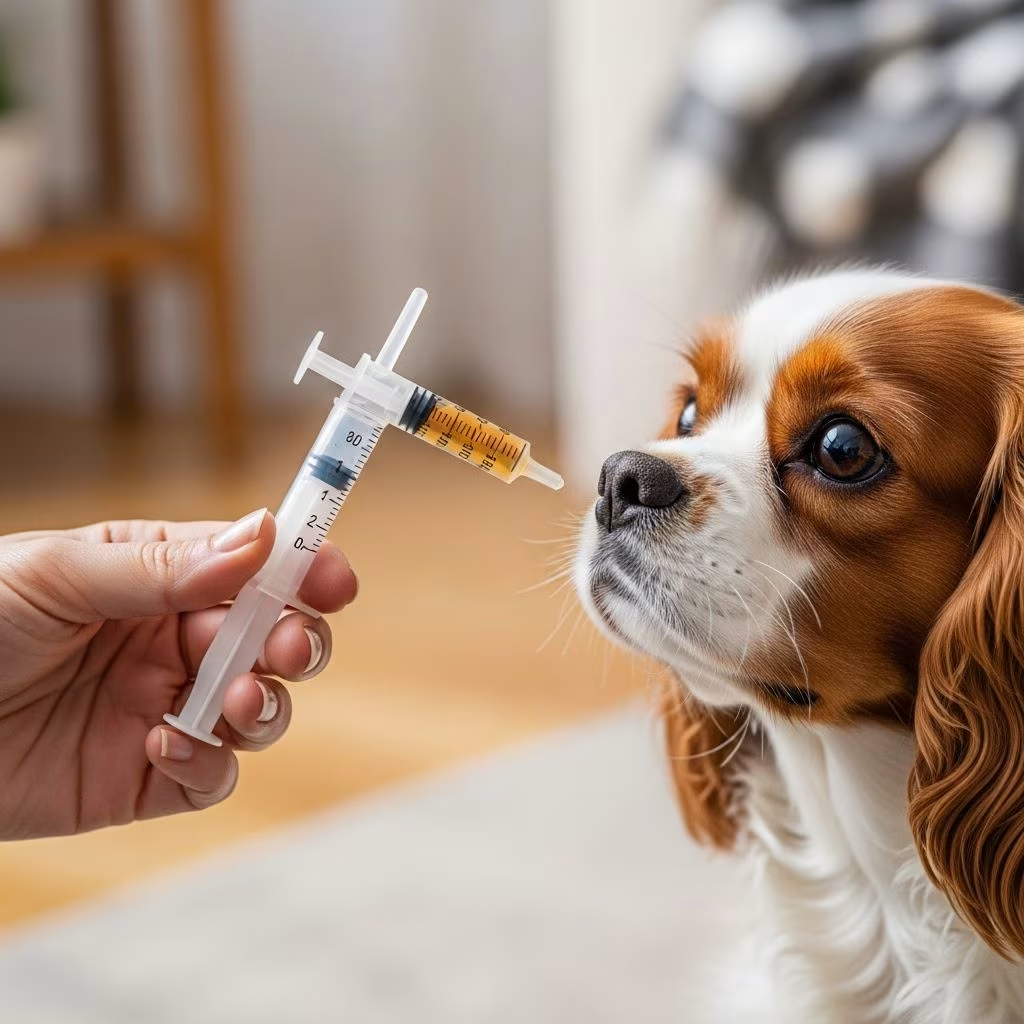
All forms of this medication are given orally, meaning by mouth. When administering the liquid suspension form, it is essential to measure the amount of medication very carefully using the syringe or measuring device provided by your veterinarian or pharmacy. Accurate dosing ensures therapeutic effectiveness while minimizing the risk of adverse effects.
This medication may be given either with food or on an empty stomach, offering flexibility in your dosing schedule. However, if your dog vomits or acts sick after receiving the medication on an empty stomach, try giving the next dose with a small amount of food or a small treat. This adjustment can improve tolerability and reduce gastrointestinal upset.
It is important to continue giving this medication to your pet for the entire time prescribed by your veterinarian, even if your dog appears to be feeling better. Completing the full course of treatment helps ensure sustained relief from coughing and prevents symptom recurrence.
Effectiveness and Duration of Action
Hydrocodone homatropine oral is a short-acting medication, meaning that its effects will last less than 24 hours in most dogs. Typically, this medication should take effect within 1 to 2 hours of administration. However, it is important to recognize that the duration of action may be extended in pets with kidney or liver disease, as these organs are responsible for metabolizing and eliminating the medication from the body.
Missed Dose Instructions
If you miss giving your dog a scheduled dose, give it as soon as you remember, and then wait the recommended time as prescribed by your veterinarian for the next dose. Do not attempt to make up for the missed dose by giving two doses at once, as this could increase the risk of side effects and overdose.
Potential Side Effects
While hydrocodone homatropine oral is generally well-tolerated in dogs, it may cause side effects in some animals. Understanding these potential reactions helps you monitor your dog appropriately and communicate any concerns to your veterinarian.
Common Side Effects
The following side effects are commonly observed and are typically mild:
– Mild sedation or sleepiness: The medication may cause your dog to be drowsy or less active than usual. This effect is generally temporary and tends to diminish with continued use- Constipation: Opioid medications commonly reduce gastrointestinal motility, potentially leading to difficulty with bowel movements. Ensure your dog has access to adequate water and monitor bowel movements- Itchiness: Some dogs may experience pruritus or skin itchiness as a mild side effect- Reduced appetite and vomiting: Your dog may show decreased interest in food or experience occasional vomiting
Rare but Serious Reactions
While uncommon, the following serious allergic reactions require immediate veterinary attention if they occur:
– Irregular breathing or difficulty breathing- Skin rash- Fever- Puffiness and swelling around the face or throat
It is important to watch for signs of allergic reactions over the entire course of treatment, as drug sensitivities can develop over time with repeated exposure. Your pet may have no reaction after the first few doses but may develop a sensitivity later. Contact your veterinarian immediately if you notice anything unusual or if you suspect an allergic reaction is occurring.
Risk Factors and Contraindications
Certain health conditions and patient factors require special consideration before using this medication. Your veterinarian will evaluate these factors to determine if hydrocodone homatropine oral is the right choice for your dog.
Do Not Use In
Hydrocodone homatropine oral should not be used in dogs that:
– Are allergic to any component of the medication and/or are allergic to similar medications (such as other opiates or atropine-like drugs)- Have diarrhea caused by a toxic substance
Use With Caution In
Your veterinarian should exercise caution when considering this medication for dogs with:
– Coughing of unknown origin (the underlying cause must be identified)- Severe kidney disease, thyroid disease, heart disease, adrenal disease, and/or liver disease- A history of head injury- Working dogs that need to remain alert to perform their job duties- Senior dogs that are old, weak, or frail and may be more sensitive to medication effects
Drug Interactions
Hydrocodone homatropine oral may interact with several other medications. It is crucial to inform your veterinarian about all medications, vitamins, supplements, and herbal therapies your dog is currently taking before starting this treatment. Important potential interactions include:
Drug Interaction Categories
– Antidepressants: Fluoxetine, amitriptyline, mirtazapine, trazodone, and selegiline may interact with this medication- Benzodiazepines: Alprazolam and diazepam may have additive effects- CNS depressants: Phenobarbital and antihistamines may increase sedation- Clopidogrel: An antiplatelet medication that may interact with hydrocodone- CYP3A inhibitors: Cimetidine and itraconazole may alter metabolism of the medication- Diuretics: Furosemide and other water pills may interact- Opioids and reversal agents: Buprenorphine and naloxone may interact due to overlapping opioid pathways- Other anticholinergics: Atropine and similar medications may have additive anticholinergic effects- Prokinetics: Cisapride and metoclopramide may interact- Rifampin: An antibiotic that may affect medication metabolism- Skeletal muscle relaxants: Dantrolene and methocarbamol may have additive effects
Frequently Asked Questions
Q: How quickly does hydrocodone homatropine oral start working?
A: This medication typically takes effect within 1 to 2 hours of administration. However, individual dogs may respond at slightly different rates depending on their metabolism and the presence of food in the stomach.
Q: Can I give this medication without food?
A: Yes, hydrocodone homatropine oral can be given with or without food. However, if your dog experiences vomiting or digestive upset when given on an empty stomach, try administering it with a small amount of food or a treat at the next dose.
Q: What should I do if my dog misses a dose?
A: If you miss a dose, give it as soon as you remember, then resume the regular dosing schedule. Never double up on doses to make up for a missed administration.
Q: Are there any long-term side effects of this medication?
A: While this is a short-acting medication with generally mild side effects, drug sensitivities can develop with repeated exposure over time. Monitor your dog throughout the treatment course for any unusual reactions.
Q: Why is homatropine included in this medication?
A: Homatropine is included primarily to prevent misuse and abuse of the medication by humans, making it a safer controlled substance for veterinary use while maintaining therapeutic effectiveness in dogs.
Q: Is this medication safe for senior dogs?
A: Senior dogs can receive this medication, but veterinarians exercise caution and may adjust dosing. Old, weak, or frail dogs may be more sensitive to the medication’s effects and require closer monitoring.
References
- Hydrocodone Homatropine Oral for Pets — VCA Animal Hospitals. Accessed November 2025. https://vcahospitals.com/know-your-pet/hydrocodone–homatropine-oral
- Drug Handout: Hydrocodone — CVCA Cardiac Care for Pets. Accessed November 2025. https://www.cvcavets.com/_files/pdfs/drug-handouts/cvca-drug-hydrocodone-half.pdf
- Hydrocodone for Dogs — PetMD. Accessed November 2025. https://www.petmd.com/pet-medication/hydrocodone-dogs
- ANTITUSSIVE HYCODAN (Hydrocodone Bitartrate and Homatropine Methylbromide) — U.S. Food and Drug Administration. 2017. https://www.accessdata.fda.gov/drugsatfda_docs/label/2017/005213s038lbl.pdf
- Tracheal Collapse — University of Tennessee College of Veterinary Medicine. Accessed November 2025. https://vetmed.tennessee.edu/wp-content/uploads/sites/4/Tracheal-collapse-PDF-brochure.pdf



