
Hydrocarbon Toxicity in Animals: Causes and Management
Understanding petroleum product poisoning in domestic and wild animals
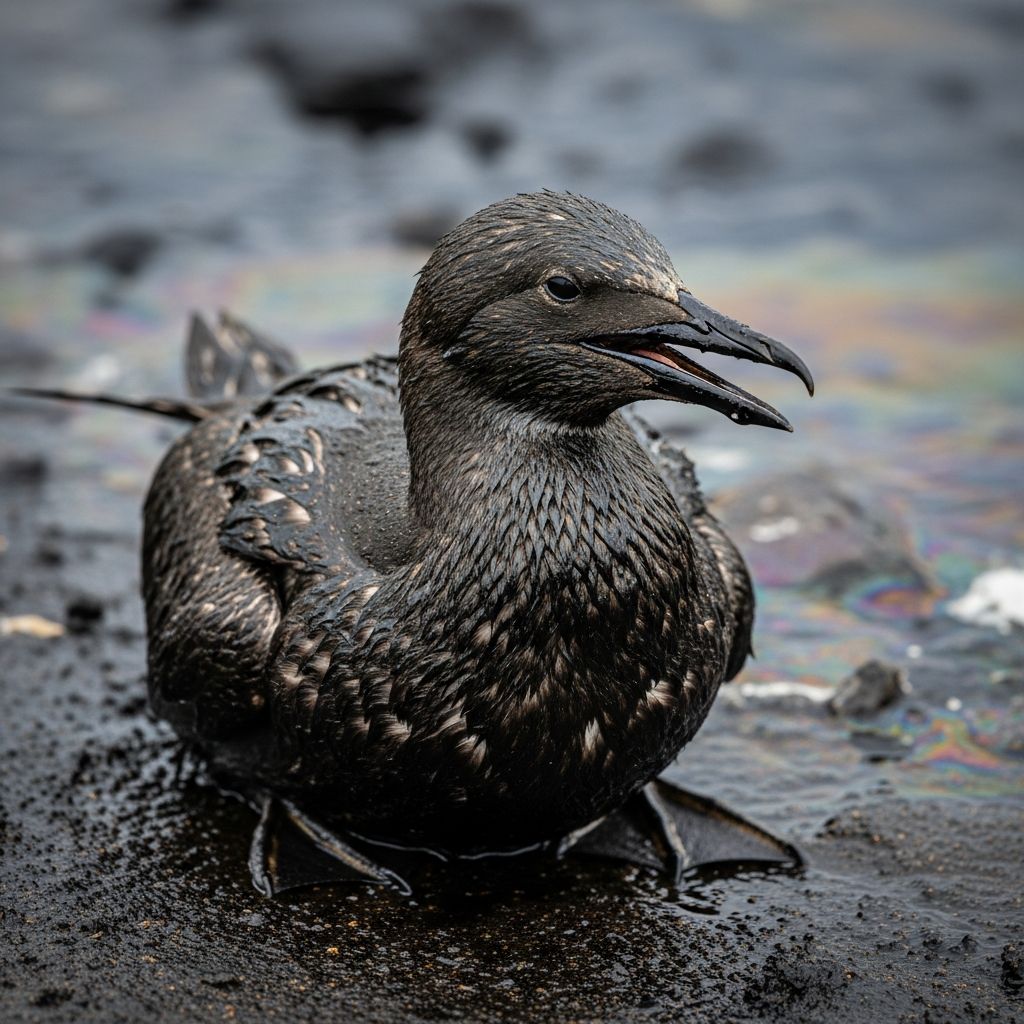
Understanding Petroleum Hydrocarbon Exposure in Animals
Petroleum hydrocarbon toxicity represents a significant veterinary concern that can affect domestic livestock, companion animals, and wildlife. This condition emerges when animals encounter crude oil, refined petroleum products, gasoline, diesel fuel, kerosene, naphtha, or other hydrocarbon-based substances through three primary exposure routes: ingestion, inhalation, and direct dermal contact. The severity of toxicity depends on multiple factors including the type of hydrocarbon product, the dose encountered, the duration of exposure, and the individual animal’s characteristics.
Accidental contamination events such as pipeline ruptures, storage tank failures, and transportation accidents create widespread exposure risks for animals sharing contaminated environments. Additionally, animals may encounter these substances through open or improperly stored containers in residential, agricultural, and industrial settings. For companion animals like dogs and cats, grooming of contaminated fur or direct ingestion from accessible containers presents a particular hazard.
Routes of Entry and Initial Impact
Understanding how animals encounter petroleum products is essential for prevention and rapid response. Animals exposed to these substances may experience multiple concurrent pathways of exposure, which can complicate clinical presentations and treatment outcomes.
Ingestion Pathway
When animals ingest petroleum products, the gastrointestinal system becomes the primary target organ. Small animals demonstrate characteristic oral irritation symptoms including excessive salivation, jaw chattering, coughing, and subsequent vomiting. Ruminant animals may experience bloating, altered digestive function, and appetite suppression. The gastrointestinal route carries particular danger because ingested liquids can be aspirated into the lungs, triggering aspiration pneumonia—often the most serious consequence of hydrocarbon ingestion.
Inhalation Exposure
Volatile and highly mobile hydrocarbon vapors present substantial respiratory risks. When animals inhale these substances, the lungs absorb the volatile components, leading to chemical inflammation of the pulmonary tissues. Acute inhalation exposure typically manifests within hours with coughing, rapid shallow breathing, and respiratory distress. Animals breathing highly volatile mixtures may develop severe pneumonia with oily nasal discharge, reluctance to move, and general weakness, frequently progressing to death within days.
Dermal Contact
Skin absorption represents a less dramatic but still significant exposure route. Animals with contaminated fur face dual risks: direct absorption through the skin and secondary ingestion during self-grooming. Long-haired animals with matted coats face heightened vulnerability to systemic absorption of hydrocarbons. While dermal exposure alone typically causes less severe systemic toxicity compared to inhalation or ingestion, it remains an important consideration in contamination scenarios.
Systemic Effects and Clinical Manifestations
Petroleum hydrocarbon toxicity produces multi-system effects that vary based on exposure characteristics and animal species. The clinical presentation depends on which body systems become affected by the toxic substance.
Respiratory System Involvement
The respiratory system experiences the most dramatic and potentially fatal effects from hydrocarbon exposure. Aspiration pneumonia develops when low-viscosity, volatile hydrocarbons enter the lungs, causing direct pulmonary tissue damage and secondary bacterial infection. Clinical signs include productive coughing, rapid breathing rate, shallow respiratory effort, body posture changes, and fluid discharge from nasal passages. Severe respiratory compromise can result in death within 48 hours of acute exposure, particularly when aspiration occurs.
Gastrointestinal Tract Effects
Petroleum products irritate the gastrointestinal mucosa, triggering a range of digestive disturbances. Animals display salivation, bloating, diarrhea or constipation alternation, loss of appetite, and progressive weight loss. In ruminants, bloat represents a particular concern requiring immediate decompression to prevent death. Blood component changes occur secondary to gastrointestinal inflammation, including initial white blood cell depression followed by elevation and alterations in other hematologic parameters.
Central Nervous System Changes
Absorbed hydrocarbons reach systemic circulation and can cross the blood-brain barrier, producing neurological effects. Animals may exhibit depression, altered consciousness, behavioral changes, or conversely, hyperexcitability and excitation states. These neurological manifestations can develop acutely in severe exposures or emerge gradually in chronic exposure scenarios.
Reproductive and Developmental Effects
Chronic or high-dose hydrocarbon exposure impairs reproductive function through mechanisms affecting hormone balance and fetal development. Production losses emerge from reduced conception rates, pregnancy complications, and fetal abnormalities. These reproductive effects typically require higher exposure doses than other health consequences and may not become apparent until several breeding cycles have passed.
Species-Specific Considerations
Different animal species demonstrate varying susceptibilities and clinical presentations when exposed to hydrocarbons, reflecting differences in anatomy, metabolism, and behavioral patterns.
Companion Animals
Dogs and cats face elevated poisoning risks due to behavioral grooming habits and access to common household petroleum products. In companion animals, drooling and coughing typically appear within one hour of toxic exposure, progressing to vomiting and abdominal discomfort. Severe cases may progress to respiratory failure and death within two hours. The prognosis improves significantly if respiratory and neurological signs resolve within the first 24 to 48 hours following exposure.
Livestock Animals
Cattle and other livestock encounter petroleum products primarily through environmental contamination of water supplies, feed, or pasture grazing areas. Large animals can inhale substantial quantities of volatile hydrocarbons from spill sites, triggering rapid development of pneumonia and respiratory collapse. Production losses in surviving animals continue due to decreased milk production, weight gain reduction, and reproductive complications.
Diagnostic Approaches and Identification
Accurate diagnosis requires integration of exposure history, clinical observations, and laboratory confirmation. Veterinarians must gather comprehensive information about potential hydrocarbon sources and the timeline of symptom development.
Historical and Physical Assessment
Detailed history regarding environmental conditions, recent accidents, and animal access to potential petroleum sources provides critical diagnostic context. Physical examination findings including respiratory rate abnormalities, lung auscultation changes, gastrointestinal distention, and neurological status guide initial assessment. The presence of oily odors on the animal’s fur or visible contamination supports suspected hydrocarbon exposure.
Laboratory and Imaging Studies
Radiographic imaging of the thorax reveals characteristic patterns of chemical pneumonia including alveolar infiltrates and interstitial changes. Complete blood profiles document white blood cell changes and electrolyte abnormalities associated with systemic toxicity. Urinalysis may show evidence of systemic absorption and organ involvement.
Tissue and fluid sampling provides definitive confirmation of hydrocarbon exposure. Samples including gastrointestinal contents, lung tissue, liver, kidney, perirenal fat, and the suspected source material should be collected for chemical analysis. Specialized testing identifies the hydrocarbon “fingerprint”—the unique chemical profile of the source material—allowing matching with biological samples from affected animals. Perirenal fat retains detectable hydrocarbon residues for extended periods, with some evidence suggesting detection possible up to 45 days following exposure in cattle.
Necropsy Findings
Post-mortem examination and histopathologic analysis become essential in fatal cases, particularly for chronic exposures where alternative diagnoses must be excluded. Necropsy findings typically reveal pulmonary edema, pneumonia evidence, and chemical irritation of gastrointestinal tissues.
Treatment Strategies and Supportive Care
No specific antidote exists for petroleum hydrocarbon toxicity, making treatment fundamentally dependent on prompt decontamination and aggressive supportive therapy.
Immediate Decontamination
Removing animals from contaminated environments represents the most critical immediate action. For dermal contamination, gentle washing with mild soap or detergent removes external hydrocarbon residues, reducing ongoing absorption and grooming-related ingestion. Care must be taken to avoid skin irritation while achieving effective cleansing.
Respiratory Support
Animals exhibiting respiratory distress require supplemental oxygen and may need mechanical ventilation in severe cases. Anti-inflammatory medications reduce pulmonary tissue damage and inflammation. Continued monitoring of oxygen saturation, cardiac function, and respiratory mechanics guides ongoing respiratory management. Some animals sustain permanent lung damage despite initial recovery, requiring extended anti-inflammatory therapy.
Gastrointestinal Management
For bloated ruminants, stomach decompression via stomach tube may become necessary to prevent death, though this procedure carries increased aspiration risk. Medications promoting bowel motility and emptying may be administered, though evidence for improved outcomes remains limited. Activated charcoal can be used in decontamination protocols, though induced vomiting should be avoided due to substantial aspiration risks.
Nutritional and Supportive Measures
Providing uncontaminated fresh water and adequate nutrition supports organ function and recovery. Maintaining electrolyte balance and addressing secondary infections that commonly develop alongside hydrocarbon toxicity constitute essential supportive measures.
Factors Influencing Prognosis
Recovery outcomes depend on multiple interconnected variables that collectively determine whether affected animals survive with full function, survive with permanent damage, or succumb to toxicity.
- Hydrocarbon type: Low-viscosity, volatile products cause more severe pulmonary damage than heavier hydrocarbons
- Exposure dose: Higher quantities increase systemic absorption and organ damage severity
- Duration of exposure: Chronic exposure produces different patterns than acute single incidents
- Animal species and age: Younger animals and certain species demonstrate different recovery capacities
- Timing of treatment: Early veterinary intervention dramatically improves survival probability
- Individual animal characteristics: Overall health status and pre-existing conditions affect resilience
Environmental and Legal Considerations
Hydrocarbon exposure incidents frequently trigger legal investigations and compensation claims. Comprehensive documentation of all aspects of the incident becomes essential for establishing causality and liability. Matching the source hydrocarbon to hydrocarbons identified in affected animals provides scientifically defensible evidence linking specific contamination sources to animal illness. Necropsy findings and tissue analysis support cause-of-death determinations and help exclude alternative diagnoses.
Prevention Strategies for Animal Owners and Managers
Secure Storage: Maintain petroleum products in properly sealed, clearly labeled containers stored in locations inaccessible to animals. Inspect containers regularly for leaks or deterioration.
Environmental Monitoring: Conduct assessments of potential hydrocarbon contamination threats affecting livestock, pasture resources, and water supplies. Establish early warning systems for pipeline breaks or storage tank failures.
Immediate Response Protocols: Develop clear procedures for rapid removal of animals from contaminated areas and provision of uncontaminated feed and water. Train personnel on recognition of exposure signs and emergency veterinary consultation procedures.
Veterinary Consultation: Establish relationships with veterinarians experienced in toxicology cases before emergencies occur. Having direct communication lines facilitates rapid expert guidance when suspected exposures develop.
Frequently Asked Questions
How quickly do symptoms appear after hydrocarbon exposure?
Clinical signs typically emerge within one hour of exposure, with respiratory symptoms and gastrointestinal distress appearing most rapidly. Severe respiratory cases may progress to life-threatening complications within two hours.
Can animals recover completely from hydrocarbon poisoning?
Many animals recover fully when exposure remains mild and treatment begins promptly. However, severe aspiration or neurological toxicity may cause permanent organ damage despite survival. Chronic exposure may result in persistent lung issues even after source removal.
Should vomiting be induced if a pet ingests petroleum products?
No—induced vomiting should be avoided due to substantial risk of aspiration, which dramatically worsens outcomes. Veterinary consultation is essential to determine appropriate decontamination approaches for individual cases.
How long can hydrocarbons be detected in animal tissues?
Some hydrocarbon compounds, particularly alkylated naphthalenes, remain detectable in perirenal fat for approximately 45 days following exposure in cattle, providing a diagnostic window for retrospective confirmation of exposure.
References
- Petroleum Product Poisoning of Cattle — Mississippi State University Extension. 2024. https://extension.msstate.edu/publications/petroleum-product-poisoning-cattle
- Petroleum Product Poisoning in Animals – Toxicology — Merck Veterinary Manual. 2024. https://www.merckvetmanual.com/toxicology/petroleum-product-poisoning/petroleum-product-poisoning-in-animals
- Petroleum Hydrocarbon Toxicity in Dogs (Canis) — Vetlexicon. 2024. https://www.vetlexicon.com/canis/internal-medicine/articles/petroleum-hydrocarbon-toxicity/
- Veterinary Guide to Canine Petroleum Hydrocarbon Toxicosis — Ask A Vet. 2025. https://askavet.com/blogs/news/vet-s-2025-guide-to-canine-petroleum-hydrocarbon-toxicosis
- Petroleum Product Poisoning – Special Pet Topics — MSD Veterinary Manual. 2024. https://www.msdvetmanual.com/special-pet-topics/poisoning/petroleum-product-poisoning
- Poisoning by Petroleum Products in Cats — PetMD. 2024. https://www.petmd.com/cat/conditions/respiratory/c_ct_petroleum_hydrocarbon_toxicos
- Petroleum Product Poisoning — Paws Universe. 2024. https://pawsuniverse.com/self-care/petroleum-product-poisoning/
Similar Articles








Read full bio of medha deb


