

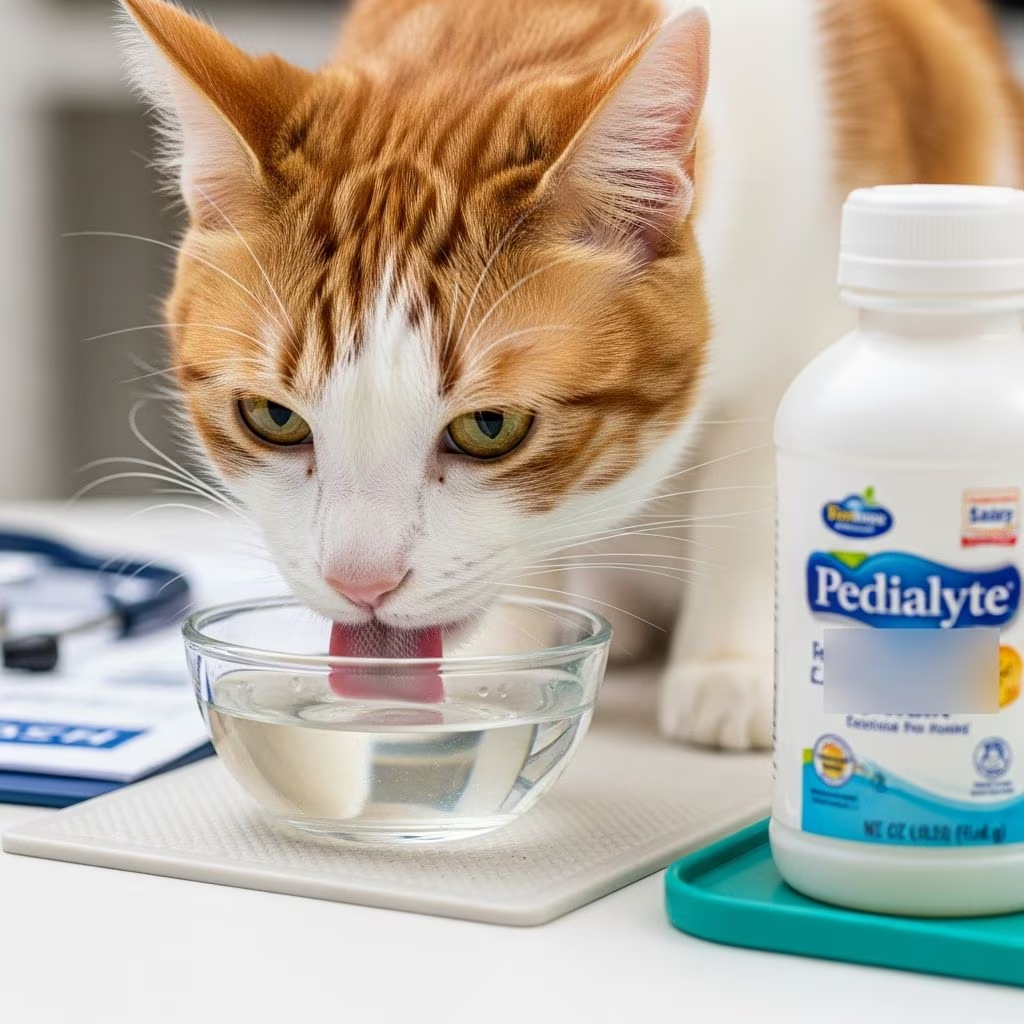
Dehydration poses a serious threat to cats, disrupting essential bodily functions and potentially leading to organ damage if not addressed promptly. This guide explores effective strategies, including the use of Pedialyte, to rehydrate felines safely at home or under veterinary supervision.
Understanding Dehydration in Felines
Cats lose more fluids than they consume when dehydration sets in, often due to illness, environmental factors, or dietary habits. Unlike dogs, cats have a naturally low thirst drive, making them particularly vulnerable, especially those on dry food diets.
Fluid balance is critical for circulation, digestion, temperature regulation, and waste elimination in cats. When disrupted, even mild cases can escalate, causing weakness and lethargy, while severe instances risk kidney failure or collapse.
Common Triggers of Fluid Loss in Cats
- Illnesses: Conditions like kidney disease, diabetes, and hyperthyroidism prompt excessive urination, rapidly depleting fluids.
- Gastrointestinal Issues: Vomiting and diarrhea cause immediate and substantial water loss.
- Environmental Stressors: Hot weather, heatstroke, or overheating increases panting and evaporation.
- Dietary Factors: Reliance on dry kibble provides insufficient moisture, compounded by picky drinking habits.
- Other Causes: Medications such as diuretics, dental pain reducing intake, or limited water access in multi-cat homes.
Spotting the Warning Signs Early
Early detection through observable symptoms can prevent progression to critical stages. Perform a simple skin tent test: gently pinch the skin on your cat’s scruff; it should snap back instantly. Delays indicate dehydration levels.
| Symptom | Mild Dehydration | Severe Dehydration |
|---|---|---|
| Skin Elasticity | Slow return (1-2 seconds) | Stays tented |
| Gums | Tacky, dry | Pale, very sticky |
| Eyes | Normal | Sunken |
| Behavior | Lethargy, reduced appetite | Weakness, collapse |
| Other | Thick saliva, dark urine | Rapid heart rate, cold extremities |
Pedialyte as a Home Hydration Aid
Pedialyte, an electrolyte solution designed for pediatric rehydration, can benefit mildly dehydrated cats by restoring sodium, potassium, and chloride alongside water. Dilute it with equal parts fresh water to avoid overwhelming the system, offering small amounts via syringe or bowl.
Flavors like unflavored or grape work best, as cats may reject others. Monitor intake to prevent overhydration, which could lead to electrolyte imbalances. Always consult a vet before starting, especially if underlying conditions exist.
Step-by-Step Pedialyte Administration
- Assess dehydration: Use skin test and symptoms; skip if severe.
- Dilute: Mix 1:1 with water.
- Offer gradually: 1-2 ml per pound of body weight every few hours.
- Observe: Watch for vomiting or refusal; discontinue if issues arise.
- Combine with food: Mix into wet food for appeal.
This approach supports mild cases but never replaces professional care.
Advanced Veterinary Interventions
For moderate to severe dehydration, veterinarians employ targeted therapies. Subcutaneous fluids, administered under the skin, provide slow absorption ideal for outpatient care. Intravenous (IV) fluids deliver rapid rehydration in hospitals, balancing electrolytes precisely.
Diagnosis involves physical exams, blood work assessing kidney values and electrolytes, and urinalysis checking concentration. Treatment plans address root causes, such as antibiotics for infections or insulin for diabetes.
Treatment Comparison Table
| Method | Suitability | Pros | Cons |
|---|---|---|---|
| Oral (Pedialyte/Water) | Mild cases | Easy, inexpensive | Not for vomiting cats |
| Subcutaneous | Moderate | At-home possible | Slower absorption |
| IV Fluids | Severe | Fast, monitored | Requires hospitalization |
Boosting Daily Water Consumption
Prevention hinges on proactive hydration habits. Cats prefer running water; install fountains to entice drinking. Multiple clean bowls around the home reduce territorial barriers.
- Switch to wet food: Up to 80% moisture content hydrates effectively.
- Flavor water: Add low-sodium tuna juice or chicken broth sparingly.
- Ice cubes: Licking provides fun, gradual intake.
- Feed frequency: Smaller, moist meals throughout the day.
Regular vet check-ups catch predisposing conditions early.
Special Considerations for Vulnerable Cats
Senior cats, kittens, and those with chronic illnesses like chronic kidney disease (CKD) or diabetes face heightened risks. CKD impairs urine concentration, perpetuating fluid loss; diabetes causes polyuria. Tailor hydration plans with vet guidance.
Outdoor cats in hot climates or during summer need constant cool water sources. Post-illness recovery demands vigilant monitoring to rebuild reserves.
Potential Risks and Monitoring
While Pedialyte aids recovery, improper use risks sodium overload or masking serious issues. Watch for persistent symptoms post-treatment, signaling unresolved problems. Severe signs like collapse or non-stop vomiting demand emergency care.
Frequently Asked Questions (FAQs)
Can all cats have Pedialyte?
Not ideal for every cat; consult a vet for those with heart or kidney issues to avoid electrolyte disruptions.
How much Pedialyte is safe daily?
Limit to 10-20 ml per kg body weight, diluted, split into doses; adjust based on vet advice.
What if my cat refuses fluids?
Try flavors, syringes, or wet food mixes; seek vet for forced methods if needed.
Is dehydration always visible?
No, early stages may only show via tests; annual blood work helps detect subclinical cases.
How long for recovery?
Mild: 24-48 hours; severe: days with monitoring.
Long-Term Prevention Blueprint
Integrate hydration into routines: Track water intake logs, annual wellness exams, and diet audits. For dry-food lovers, supplement with broth toppers. Educate multi-pet households on shared resources to avoid conflicts.
By prioritizing access and appeal, owners safeguard against this common yet preventable woe.
References
- Dehydration in Cats – Causes, Treatment and Associated Conditions — Vetster. 2023. https://vetster.com/en/conditions/cat/dehydration
- Cat Dehydration: Signs, Symptoms, and Treatments — Lane Veterinary. 2023. https://lanevet.com/blog/cat-dehydration-signs-symptoms-and-treatments/
- Dehydration in Dogs & Cats: Signs, Causes, Treatment & Prevention — UrgentVet. 2023. https://urgentvet.com/dehydration-in-dogs-cats-signs-causes-treatment-prevention/
- Hydration — Cornell University College of Veterinary Medicine. 2023. https://www.vet.cornell.edu/departments-centers-and-institutes/cornell-feline-health-center/health-information/feline-health-topics/hydration
- Cat Dehydration: Symptoms, Causes, and Treatments — WebMD. 2023. https://www.webmd.com/pets/cats/dehydration-cats



