

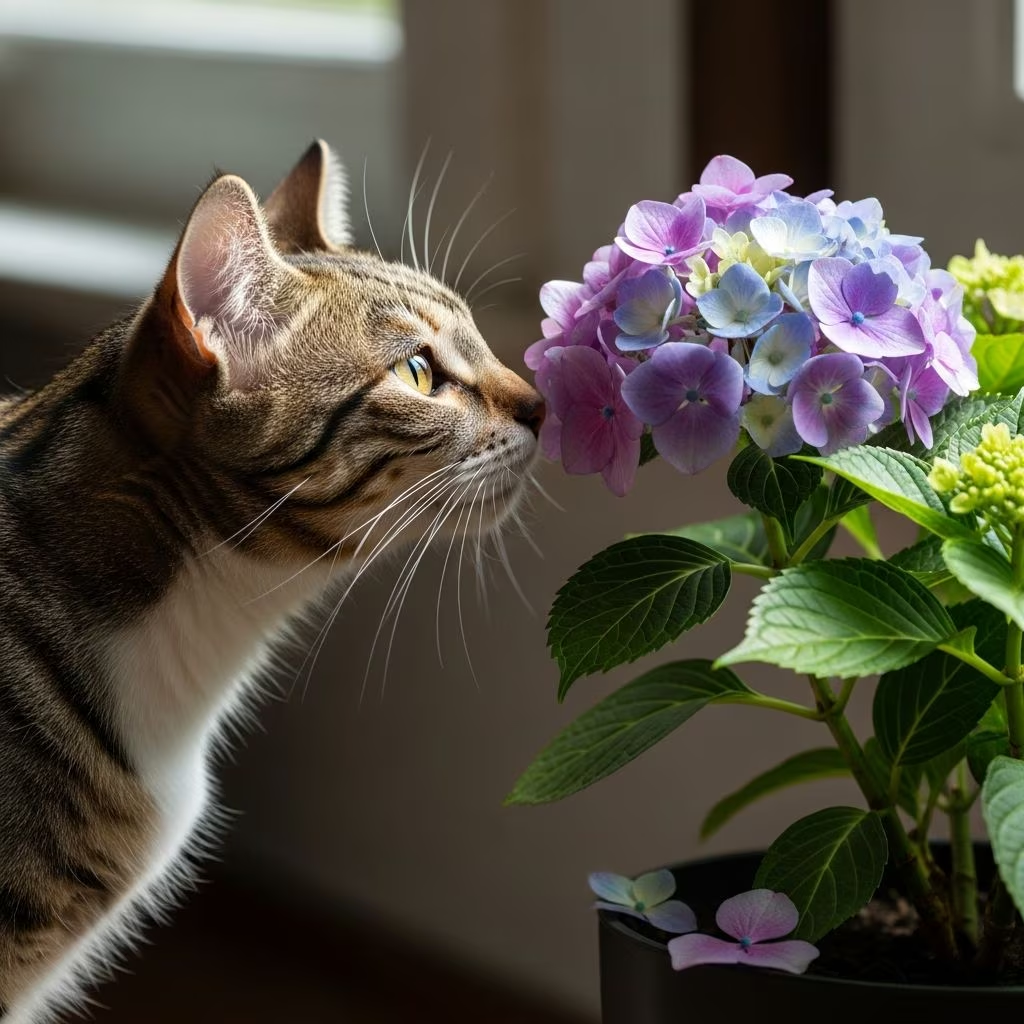
Hydrangeas rank among the most popular ornamental shrubs, prized for their lush blooms in shades of blue, pink, and white. However, these vibrant plants harbor a serious risk for cat owners. Every part of the hydrangea contains cyanogenic glycosides, natural compounds that release cyanide when chewed, potentially leading to gastrointestinal distress or worse in felines.
Cats, with their curious nature and small body size, face heightened vulnerability compared to larger pets. Even brief nibbling on leaves or flowers can trigger mild to moderate symptoms. This article explores the science behind the toxicity, clinical signs to monitor, immediate response protocols, veterinary interventions, and proactive measures to safeguard your home and garden.
The Science of Hydrangea Toxicity
Hydrangeas belong to the Hydrangeaceae family, encompassing species like Hydrangea arborescens, known by names such as hortensia or hills of snow. The primary toxin, amygdalin—a cyanogenic glycoside—concentrates most heavily in leaves and flowers, though stems and buds also pose risks.
When a cat bites into the plant, enzymes break down amygdalin, liberating hydrogen cyanide gas. This fast-acting substance disrupts cellular oxygen use, mimicking suffocation at the metabolic level. Fortunately, severe cyanide poisoning remains rare in cats due to low ingestion volumes and the plant’s moderate toxicity profile. Most incidents result in irritation rather than systemic crisis.
Cats’ unique metabolism exacerbates risks; their liver processes toxins less efficiently than dogs’, amplifying even small doses. Dose-dependency plays a key role: trivial nibbles often cause negligible effects, while substantial consumption heightens danger.
Recognizing Early Warning Signs in Your Cat
Poisoning symptoms typically emerge within hours of exposure, starting with mild gastrointestinal issues. Vigilance proves crucial, as early detection prevents escalation.
- Vomiting: Often the first indicator, sometimes containing plant fragments or blood.
- Diarrhea: Loose stools, potentially bloody in moderate cases.
- Lethargy and weakness: Reduced activity, hiding, or disinterest in play.
- Appetite loss: Refusal of food, coupled with drooling from oral irritation.
- Abdominal discomfort: Hunching, pawing at the belly, or vocalizing.
In rarer severe instances signaling cyanide overload, watch for accelerated breathing, pale or bluish gums, limb stiffness, collapse, or seizures. Skin contact may irritate, especially in cats prone to dermatitis.
| Symptom Severity | Common Signs | Action Required |
|---|---|---|
| Mild | Single vomit, mild lethargy | Monitor 24 hours; call vet if persists |
| Moderate | Repeated vomiting, diarrhea | Seek vet care promptly |
| Severe | Breathing issues, collapse | Emergency vet immediately |
This table summarizes progression, aiding quick assessment.
Immediate Steps if Exposure Occurs
Discovery of hydrangea chewing demands swift action. First, isolate the cat from the plant, removing any visible debris from their mouth gently. Never induce vomiting at home—risks outweigh benefits without professional guidance, potentially worsening aspiration or esophageal damage.
- Contact a vet or poison hotline like Pet Poison Helpline at 855-764-7661 for triage.
- Note ingestion time, amount, and symptoms for the clinician.
- Transport to a facility if signs appear; time sensitivity matters as toxins absorb rapidly.
For asymptomatic cases post-minor nibble, close observation suffices, but professional consultation ensures safety.
Veterinary Diagnosis and Care Protocols
Vets initiate with a thorough history and physical exam, followed by bloodwork, urinalysis, and possibly abdominal radiographs to exclude differentials like obstructions.
Treatment tailors to ingestion recency and severity:
- Decontamination: Emesis induction if recent and stable, activated charcoal to bind residual toxin.
- Supportive therapy: IV fluids for hydration, anti-emetics for nausea, gastroprotectants.
- Cyanide-specific: Rarely, hydroxocobalamin or sodium thiosulfate neutralizes severe cases.
- Monitoring: Vital signs, oxygenation, and blood gases until stabilization.
No direct antidote exists for cyanogenic glycosides; symptom management drives recovery. Most cats respond well, with mild cases resolving in 24-48 hours.
Recovery Expectations and Long-Term Outlook
Prognosis shines brightly for prompt interventions. Cats surviving initial hours without profound depression often fully recuperate, regaining appetite and vigor swiftly. Mild exposures yield excellent outcomes; even moderate ones rarely scar long-term if addressed timely.
Monitor hydration and elimination post-discharge. Resume normal diet gradually, watching for relapse. Full blood panels may confirm toxin clearance.
Proactive Strategies for a Cat-Safe Environment
Prevention trumps cure. Opt for cat-friendly flora like spider plants or catnip over hydrangeas. For gardens:
- Elevate potted hydrangeas on high shelves or hanging baskets.
- Install fences or netting around shrubs.
- Use bitter sprays as chewing deterrents.
- Supervise outdoor time; train with commands like “leave it.”
Indoors, redirect curiosity to toys. Educate household members on risks, especially with cut flowers.
Common Myths and Misconceptions Debunked
Myth 1: Only flowers are dangerous. Reality: All parts toxic, leaves worst.
Myth 2: Small bites harmless. Reality: Dose-dependent; better safe than sorry.
Myth 3: Home remedies suffice. Reality: Vet care essential.
Frequently Asked Questions
Are all hydrangea varieties equally toxic to cats?
Yes, all species contain cyanogenic glycosides, though concentrations vary slightly. Treat all as hazardous.
How long do symptoms take to appear?
Usually 1-6 hours, but delayed up to 12 in some cases. Monitor closely.
Can hydrangea poisoning cause permanent damage?
Rarely, with early treatment. Severe untreated cases risk organ strain.
What plants are safe alternatives for cat owners?
Cat grass, valerian, or blue fescue offer appeal without risk.
Should I remove hydrangeas from my yard?
If cats access it freely, yes. Otherwise, barrier methods work.
Broader Implications for Pet Guardians
Beyond hydrangeas, many ornamentals threaten pets. Awareness fosters safer habitats. Consult ASPCA lists for guidance. Integrating pet-safe landscaping enhances joy without jeopardy.
By prioritizing education and vigilance, cat owners cultivate thriving, hazard-free homes. Prompt response to incidents ensures fleeting scares, not lasting woes.
References
- Are Hydrangeas Poisonous to Cats? — PetMD. 2023. https://www.petmd.com/cat/poisons/are-hydrangeas-poisonous-to-cats
- Are Hydrangeas Poisonous to Cats: Assessing the Real Danger — GSVS. 2023. https://gsvs.org/blog/urgent-cat-hydrangea-toxicity/
- Hydrangea Are Toxic To Pets — Pet Poison Helpline. 2024. https://www.petpoisonhelpline.com/poison/hydrangea/
- Hydrangea – Toxic and Non-toxic Plants — ASPCA. 2024. https://www.aspca.org/pet-care/aspca-poison-control/toxic-and-non-toxic-plants/hydrangea



