

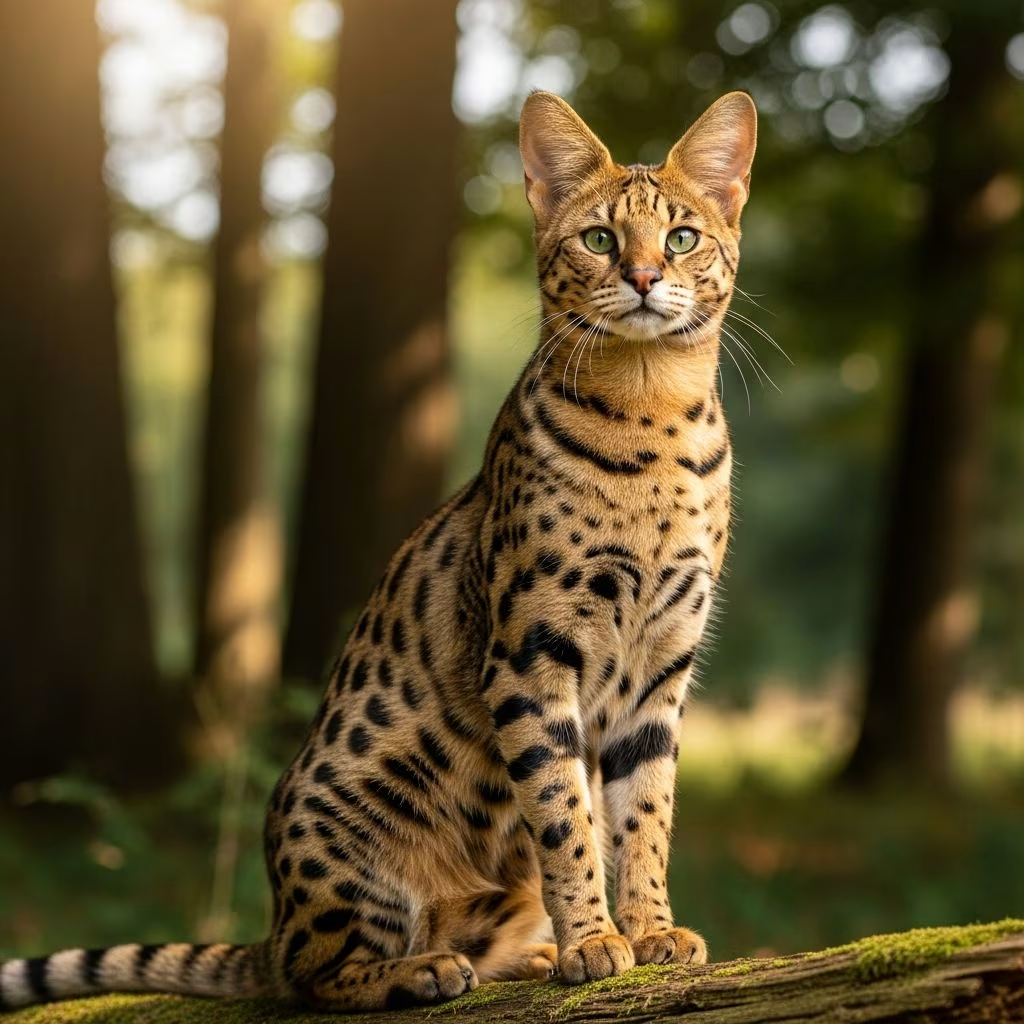
Hybrid cat breeds captivate cat enthusiasts by merging the striking appearances and dynamic behaviors of wild felines with the sociability of domestic cats. These designer breeds emerged from deliberate crosses between house cats and wild species, resulting in animals that boast exotic looks while often adapting well to home environments. Understanding their backgrounds, physical traits, personalities, and care requirements is essential for prospective owners.
Origins and Development of Hybrid Cats
The concept of hybrid cats dates back to the mid-20th century, when breeders sought to capture wild aesthetics in pets. Early experiments involved pairing domestic shorthairs with small wild cats like the Asian leopard cat, leading to foundational breeds. Over decades, selective breeding refined these hybrids, distancing them from wild ancestry—typically requiring four or more generations for registration with bodies like The International Cat Association (TICA).
Breeding challenges include size mismatches and differing gestation periods between wild and domestic parents, which can lower kitten survival rates. Despite hurdles, hybrids like Bengals gained popularity for their vivid patterns and athleticism. Today, these breeds balance novelty with domestication, though some remain rare due to ethical and legal concerns surrounding wild cat involvement.
Key Characteristics Across Popular Hybrids
Hybrid cats often share traits like muscular builds, spotted or marbled coats, and heightened energy levels. Sizes vary dramatically: some reach 20 pounds with long legs, mimicking servals or caracals, while others stay medium-framed. Coats range from short and glossy to woolly textures, with patterns evoking cheetahs, leopards, or bobcats.
- Spotted Patterns: Common in Bengals and Cheetohs, resembling big cat rosettes.
- Marbled Markings: Seen in Highlanders, offering a swirled, luxurious effect.
- Bobbed Tails: Featured in Pixie-Bobs and Highlanders for a lynx-like silhouette.
- Athletic Frames: Long legs and broad chests define Chausies and Serengetis.
Spotlight on Iconic Hybrid Breeds
Bengal Cats: Wild Beauty Domesticated
Bengals originated from crosses with Asian leopard cats in the 1960s, producing cats with glittering, leopard-spotted coats in shades of brown, snow, or charcoal. Adults weigh 8-15 pounds, stand 16 inches tall, and exhibit a sleek, muscular form. Their temperament blends playfulness with affection; they thrive on interactive play, climbing, and water splashing.
Savannah Cats: Tall and Regal Serval Hybrids
Bred from African servals and domestic cats (often Siamese), Savannahs are among the largest hybrids, with first-generation (F1) individuals towering up to 17 inches at the shoulder and weighing 20-25 pounds. Their ocelot-like spots and long necks command attention. Loyal and dog-like, they bond deeply with families but demand ample space and stimulation to curb destructive tendencies.
Chausie Cats: Jungle Cat Descendants
Resulting from jungle cat (Felis chaus) and Abyssinian pairings, Chausies sport a mountain lion-esque build: tall, powerful, and tawny-coated with subtle stripes. Weighing up to 16 pounds, they are TICA-recognized after four generations. Highly active, these cats excel in agility and require robust exercise routines.
Cheetoh and Serengeti: Spotted Speedsters
Cheetohs, from Bengal-Ocicat matings, dazzle with cheetah-mimicking spots and marbling on short, velvety fur. Serengetis, blending Bengals and Oriental Shorthairs, feature long limbs, large ears, and ebony-tabby coats up to 15 pounds. Both breeds are energetic, affectionate, and vocal, needing puzzle toys and vertical spaces.
Rarer Gems: Caracat, Jungle Curl, and Highlander
Caracats, Abyssinian-caracal hybrids, are ultra-rare (fewer than 30 worldwide), massive at 30 pounds, and primarily in Russia due to breeding difficulties. Jungle Curls mix jungle cats with American Curls, yielding dog-like guardians up to 25 pounds. Highlanders, from Desert Lynx and Jungle Curl lineage, offer bobtails and bobcat patterns in friendly, social packages.
| Breed | Wild Parent | Weight Range (lbs) | Key Trait |
|---|---|---|---|
| Bengal | Asian Leopard Cat | 8-15 | Glittering spots |
| Savannah | Serval | 12-25 | Long legs |
| Chausie | Jungle Cat | 10-16 | Muscular build |
| Caracat | Caracal | Up to 30 | Rare, large |
| Serengeti | None (Bengal hybrid) | 8-15 | Athletic, vocal |
Temperament and Behavior Insights
Hybrids often display dog-like qualities: fetching toys, following owners, and guarding homes. Bengals and Savannahs are intelligent explorers, while Chausies form strong family ties. However, their wild genes amplify energy—boredom leads to mischief like shredding furniture. Early socialization mitigates territorial aggression, especially toward other cats.
- High prey drive demands secure enclosures.
- Playful yet demanding of attention.
- Water affinity in Bengals and Savannahs.
Care Essentials for Thriving Hybrids
Nutrition and Health
These carnivores need high-protein diets mimicking wild prey—raw or premium kibble with novel proteins to avoid sensitivities. Bengals risk hypertrophic cardiomyopathy; Savannahs may face joint strains. Routine vet checks, dental care, and parasite prevention are vital. Short coats require weekly brushing; nail trims prevent scratches.
Exercise and Enrichment
Daily sessions of 30-60 minutes via wand toys, laser pointers, and cat wheels prevent obesity. Tall cat trees, window perches, and puzzle feeders engage their minds. Outdoor access via leashed walks or enclosures suits their adventurous spirits, but supervision is key.
Legal and Ethical Considerations
Regulations vary: some U.S. states ban F1 Savannahs or Caracats as exotic pets, requiring permits. Organizations like FOUR PAWS caution against hybrids due to wild instincts disrupting ecosystems if escaped. Ethical breeders prioritize health testing and distant generations from wild cats.
Adopting from rescues avoids supporting problematic breeding; verify TICA registration for legitimacy.
Pros and Cons of Hybrid Ownership
| Pros | Cons |
|---|---|
| Stunning, unique appearances | High energy needs space/time |
| Affectionate, trainable | Potential health issues |
| Intelligent, interactive | Legal restrictions |
| Dog-like loyalty | Costly (thousands per kitten) |
Frequently Asked Questions (FAQs)
Are hybrid cats good for families?
Many, like Ocicats and Serengetis, are sociable with children if socialized early. Supervise due to size and play vigor.
How much do hybrid kittens cost?
Prices range from $1,000 for later generations to $20,000+ for early Savannahs or rare Caracats.
Can hybrids live indoors only?
Yes, with ample enrichment; outdoor risks include predation and fights.
Do hybrid cats get along with dogs?
Often yes, their dog-like traits foster compatibility, but introduce gradually.
What generations are safest?
F4 and beyond minimize wild traits, enhancing domestic adaptability.
Choosing Your Hybrid Companion
Research breeders thoroughly, prioritizing health guarantees and temperament testing. Consider lifestyle: active homes suit Bengals; spacious ones fit Savannahs. Hybrids offer extraordinary bonds but demand commitment—rewarding for dedicated owners.
References
- 21 Hybrid Cat Breeds (With Info & Pictures) — Catster. 2023. https://www.catster.com/cat-breeds/hybrid-cat-breeds/
- 7 Hybrid Cats Breeds — Dial A Vet. 2023. https://www.dialavet.com/blog/7-hybrid-cats-breeds
- Wild Hybrid Cat Breeds l Bengals, Savannahs and More — Vital Essentials. 2024. https://www.vitalessentials.com/raw-guide/wild-cats-at-home-a-guide-to-understanding-and-caring-for-hybrid-cat-breeds-like-bengal-and-savannah—pros-and-cons
- Hybrid Cats | Health and Temperament Advice — Blue Cross. 2023. https://www.bluecross.org.uk/advice/cat/hybrid-cats
- Hybrid Cats – Problematic Exotic Breeds — FOUR PAWS USA. 2023. https://www.fourpawsusa.org/our-stories/publications-guides/hybrid-cats-problematic-exotic-breeds



