

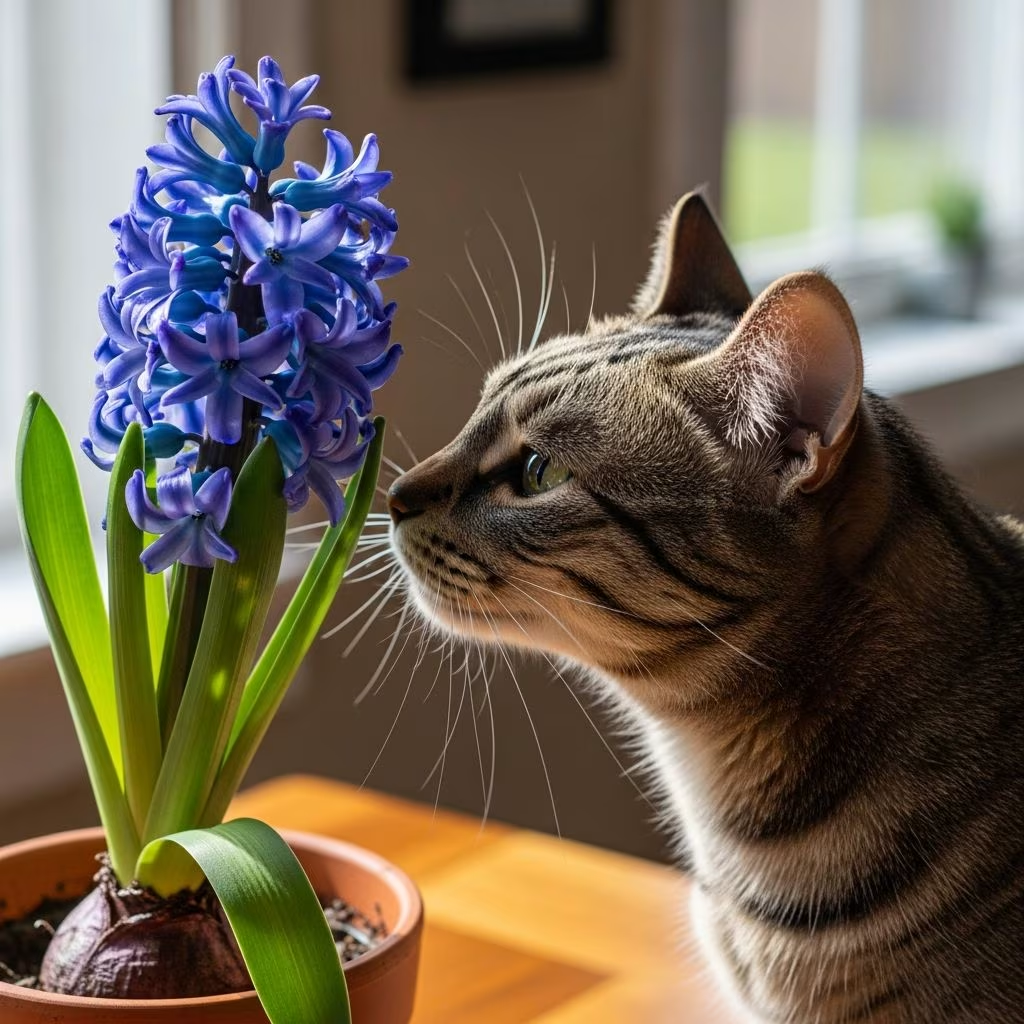
Hyacinth plants, prized for their vibrant spring blooms and fragrant clusters, harbor alkaloids that make them hazardous for feline companions. All parts, especially bulbs, can trigger gastrointestinal distress and allergic responses in cats upon ingestion or contact.
Understanding the Toxic Components in Hyacinths
Hyacinths belong to the Liliaceae family and produce narcissus-like alkaloids, concentrated primarily in the bulbs. These compounds irritate the digestive tract and skin, leading to immediate discomfort. Unlike water hyacinths, which pose milder risks with unidentified toxins, common garden hyacinths (Hyacinthus orientalis) demand caution around pets.
Scientific analysis reveals these alkaloids disrupt cellular functions, causing inflammation and fluid loss. Bulbs hold the highest toxin levels, but flowers, leaves, and even airborne particles from cut stems can provoke reactions. Cats’ sensitive systems amplify these effects, distinguishing hyacinth risks from less potent ornamentals.
Common Exposure Routes for Indoor and Outdoor Cats
Cats encounter hyacinths through chewing bulbs stored for planting, nibbling garden blooms, or brushing against potted plants indoors. Curious felines may dig up bulbs in yards or knock over vases, inhaling dust or sap. Even minimal contact, like pawing flowers, risks dermatitis.
- Indoor pots: Attractive to climbing cats seeking foliage.
- Garden beds: Dug-up bulbs during outdoor prowls.
- Floral arrangements: Fallen petals or water in vases.
- Stored bulbs: Forgotten in garages or cabinets.
Preventive placement high on shelves or in cat-free zones reduces incidents significantly.
Recognizing Early Warning Signs of Hyacinth Exposure
Symptoms emerge rapidly, often within hours. Initial signs include excessive drooling from mouth irritation, followed by vomiting and diarrhea. Skin contact yields redness or rashes.
| Symptom | Severity | Onset Time |
|---|---|---|
| Vomiting | Mild to Moderate | 1-4 hours |
| Diarrhea | Mild to Moderate | 2-6 hours |
| Drooling/Salivation | Mild | Immediate |
| Skin Dermatitis | Mild | Upon Contact |
| Lethargy | Moderate | 4-12 hours |
Monitor for dehydration indicators like sunken eyes or dry gums, signaling escalation.
Distinguishing Hyacinth Toxicity from Similar Plant Risks
Hyacinth symptoms overlap with daffodils, tulips, and amaryllis, all bulbous plants with alkaloids or lycorine. Daffodils mirror hyacinths closely, emphasizing bulb dangers. Lilies pose graver threats, inducing kidney failure absent in hyacinth cases.
- Daffodils: Identical alkaloids; bulb-focused toxicity.
- Tulips: Lactones cause drooling, heart irregularities.
- Lilies: Nephrotoxic; fatal without intervention.
- Cyclamen: Saponins lead to seizures, unlike hyacinth’s GI focus.
Veterinarians differentiate via plant identification and symptom profiles.
Immediate Response Protocols After Suspected Ingestion
Do not induce vomiting without veterinary guidance, as some toxins worsen with regurgitation. Rinse mouth with water if contact occurred; remove plant remnants. Contact a vet or poison hotline promptly, providing plant details and symptom timelines.
- Isolate cat from plant sources.
- Note ingestion amount and time.
- Call vet or ASPCA hotline.
- Transport to clinic if severe signs appear.
Supportive care like fluids combats dehydration effectively if addressed early.
Long-Term Health Implications and Recovery Outlook
Most cats recover fully with prompt treatment, as hyacinth toxicity rarely proves fatal. Gastrointestinal recovery spans 1-3 days; dermatitis heals in a week. Rare complications include secondary infections from prolonged diarrhea. Monitor kidney values briefly, though not primary targets.
Post-incident, assess home for other hazards. Annual check-ups ensure no lingering sensitivities.
Safe Landscaping Choices for Cat-Friendly Gardens
Opt for non-toxic alternatives thriving in similar conditions. Roses, sunflowers, and marigolds offer color without risks. Indoor-safe options include spider plants and Boston ferns.
| Toxic Plant | Safe Substitute | Benefits |
|---|---|---|
| Hyacinth | Snapdragon | Fragrant, bulb-free spikes |
| Daffodil | Petunia | Vibrant, trailing blooms |
| Tulip | Zinnia | Drought-tolerant annuals |
| Lily | Orchid (Phalaenopsis) | Long-lasting, elevated pots |
Create barriers like fencing or mulch to deter digging.
Indoor Plant Selection: Balancing Beauty and Safety
For apartments, elevate safe plants or use hanging baskets. Avoid bulb storage near litter boxes. Educate family on risks, especially children handling arrangements. Air-purifying palms and parlor ferns enhance spaces harmlessly.
Seasonal Precautions During Planting Seasons
Spring bulb planting heightens risks. Store purchases in sealed bins; plant promptly outdoors. Autumn hyacinth forcing for holidays requires quarantine periods. Label toxic zones in gardens with signage.
FAQs: Hyacinths and Feline Safety
Are all hyacinth varieties equally toxic to cats?
Yes, garden hyacinths (Hyacinthus orientalis) across colors contain similar alkaloids. Water hyacinths differ, posing lower threats.
Can cats get sick from smelling hyacinths?
Airborne particles may irritate sensitive cats, causing sneezing or watery eyes, though ingestion remains primary concern.
What if my cat ate a hyacinth bulb?
Bulbs demand urgent vet care due to high toxin concentration. Expect induced vomiting and activated charcoal.
How do I clean hyacinth residue from cat fur?
Gently wash with mild pet shampoo; dry thoroughly to prevent licking. Monitor for irritation.
Are there treatments at home for mild symptoms?
Offer water and bland food; withhold solids briefly. Vet consultation essential for accuracy.
Expert Insights on Preventing Plant Poisonings
Veterinary toxicologists stress education and environment modification. Integrate cat deterrents like citrus peels near plants. Regular household audits identify hidden dangers.
References
- Top 6 Poisonous Plants for Cats — Veterinary Emergency Group. 2023. https://www.veg.com/post/6-poisonous-plants-for-cats
- Garden Hyacinth – Toxic and Non-toxic Plants — ASPCA. 2024-01-15. https://www.aspca.org/pet-care/aspca-poison-control/toxic-and-non-toxic-plants/garden-hyacinth
- Houseplants and Ornamentals Toxic to Animals — Merck Veterinary Manual. 2025-06-20. https://www.merckvetmanual.com/toxicology/poisonous-plants/houseplants-and-ornamentals-toxic-to-animals
- Plants Toxic to Animals: H-M — University of Illinois LibGuides. 2024. https://guides.library.illinois.edu/c.php?g=745575&p=6264525
- Toxicity of House Plants to Pet Animals — PMC – PubMed Central. 2023-05-15. https://pmc.ncbi.nlm.nih.gov/articles/PMC10220692/
- 10 Garden Plants That Are Toxic to Pets — UC Davis One Health. 2024-03-10. https://www.ucdavis.edu/one-health/garden-plants-toxic-to-pets



