

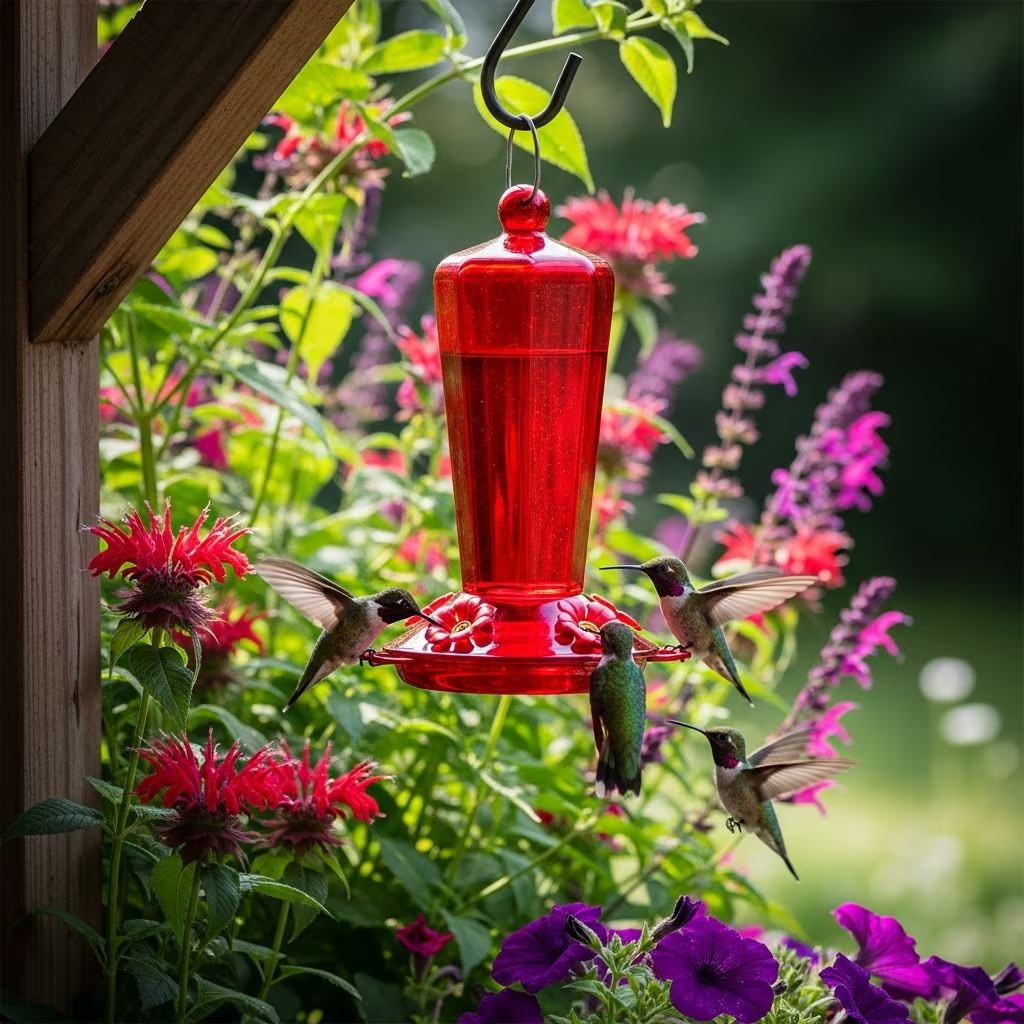
Hummingbird Feeder Placement: The Complete Guide to Attracting More Birds
Hummingbirds are among the most enchanting visitors to any backyard, with their iridescent plumage and incredible aerial acrobatics. However, simply hanging a hummingbird feeder and filling it with nectar isn’t enough to guarantee a thriving population of these tiny birds in your yard. The placement of your hummingbird feeder plays a critical role in determining how many birds you’ll attract, how safe they’ll be, and how long the nectar will stay fresh. Understanding the nuances of proper feeder placement can transform your backyard into a hummingbird haven.
Why Feeder Placement Matters
Hummingbirds are constantly on the hunt for nectar sources, and while they may eventually discover your feeder through exploration, strategic placement dramatically increases the likelihood of attracting them. Beyond visibility, proper placement addresses safety concerns, protects the nectar from spoiling too quickly, and creates an environment where hummingbirds feel secure enough to return regularly. The right location balances multiple factors including visibility, shelter, proximity to natural flowers, and protection from environmental hazards.
Key Placement Considerations
Visibility and Accessibility
The most fundamental aspect of hummingbird feeder placement is ensuring that the birds can actually see your feeder. Place your feeder in a highly visible location where hummingbirds actively patrol your yard. Ideally, position it near existing flowers or flowering plants that already attract hummingbirds. If you don’t have established flower beds, consider using containers or hanging baskets filled with red flowers to help guide hummingbirds to your feeder.
However, visibility shouldn’t come at the cost of safety. Position your feeder in an area that provides a wide, unobstructed view without leaving the birds feeling exposed and vulnerable. Hummingbirds are nervous creatures that prefer having nearby shelter and cover where they can rest between feeding sessions.
Proximity to Protective Cover
Hummingbirds need a sense of security when feeding. The ideal placement is 10 to 15 feet from trees, shrubs, or other appropriate hiding places. This distance allows birds to have a safe retreat where they can rest and stay out of direct sunlight. Too much open space makes hummingbirds feel exposed to predators, while placement too close to dense vegetation can provide cover for actual predators like cats and raccoons that might threaten the birds.
When positioning your feeder near protective cover, prune away excess branches and dense foliage directly around the feeder area. This creates a clear sightline for approaching hummingbirds while eliminating potential hiding spots for predators.
Height and Elevation
As a general rule, keep your hummingbird feeder between 5 to 6 feet from the ground. This elevation mimics the natural feeding height of hummingbirds, as they don’t typically feed on treetops in nature. Hanging your feeder too high can discourage birds from accessing it, while placing it too low creates unnecessary risks and doesn’t align with their natural feeding behavior.
When selecting a hanging location, consider structures like awnings, gazebos, or gutters that provide both elevation and natural shade during the hottest parts of the day.
Shade and Temperature Control
Nectar is susceptible to fermentation and spoilage, particularly during hot weather. Position your feeder where it will receive partial shade during the hottest part of the day, typically late afternoon. A location with morning sun but afternoon shade works particularly well, as it provides enough light to help hummingbirds see and locate the feeder while protecting the nectar from excessive heat.
Complete shade isn’t ideal because hummingbirds may have difficulty spotting the feeder, and they prefer to see the bright red components that signal a nectar source. The sweet spot is a location that receives dappled or partial shade rather than full sun or complete darkness.
Safety Considerations
Window Safety
One of the most critical safety concerns is protecting hummingbirds from window collisions. If you position your feeder too close to a window, hummingbirds can collide with the glass at high speeds, causing fatal injuries. The ideal distance is to place the feeder at least 15 to 20 feet away from windows. However, if you want to enjoy viewing the birds, you can hang the feeder just 3 to 4 feet from a viewing window, as birds cannot build up enough speed for a fatal collision at such close distances.
Another excellent option is to place feeders near kitchen or office windows where you can observe the birds safely without creating a collision hazard.
Predator Protection
Hummingbirds face threats from various predators including cats, raccoons, and larger birds. Avoid placing feeders in dense bushes or overgrown flower beds where predators could hide and ambush feeding birds. Instead, maintain clear sightlines around your feeder by pruning excess vegetation. Position your feeder where you can monitor it for signs of predator activity.
Additionally, keep feeders away from other bird feeding stations where larger, more aggressive birds might congregate and prey on hummingbirds or compete for space.
Wind Protection
Wind can cause feeders to sway excessively, leading to spills and leaks that waste nectar and attract unwanted insects. Choose a location that’s sheltered from strong breezes and wind gusts. If your yard is particularly windy, consider using a sturdier hanging mechanism or positioning the feeder closer to a structure that provides wind protection.
Creating an Ideal Hummingbird Environment
Incorporating Natural Flowers
While feeders are essential, hummingbirds also rely on natural nectar sources for nutrition. Position your feeder near beds of nectar-rich flowering plants like trumpet vine, bee balm, or cardinal flower. This combination of feeders and natural blooms creates an ideal feeding environment that attracts and sustains more hummingbirds. If natural flower beds aren’t available, hanging baskets or containers filled with red, pink, or orange flowers can serve the same purpose.
Providing Nearby Perches
Hummingbirds like to perch between feeding sessions to rest and guard their territory. If suitable perches aren’t naturally present near your feeder, consider adding thin branches or creating a small hummingbird swing where birds can rest. Perches allow hummingbirds to conserve energy and establish feeding territories, which encourages more frequent visits.
Multiple Feeders for Reduced Aggression
Hummingbirds are highly territorial and can be surprisingly aggressive toward each other at feeders. If you notice birds chasing each other away or if you have multiple hummingbirds in your area, use multiple feeders positioned well away from each other to reduce competition. Spacing feeders around different areas of your yard, even around corners or on opposite sides of structures, helps minimize territorial disputes and allows more birds to feed peacefully.
Proximity to Water Sources
Hummingbirds use bird baths and garden ponds just like other birds do. Positioning your feeder near existing water features encourages birds to visit more frequently, as they can bathe and drink while visiting your yard. If you don’t have a bird bath, consider installing one near your feeding area to create a complete hummingbird oasis.
Practical Placement Tips
Visibility and Color Considerations
Hummingbirds are strongly attracted to the colors red, pink, and orange, which they instinctively associate with nectar-rich flowers. Whenever possible, position your feeder where it catches sunlight and where the red components are clearly visible. Conversely, avoid placing feeders near yellow decorations, ornaments, or flowers, as yellow can confuse hummingbirds and doesn’t signal a reliable nectar source.
Accessibility for Maintenance
While bird placement is important, don’t overlook your own needs. Position the feeder somewhere easily accessible so you can regularly refill it, clean it, and monitor it for problems. A feeder that’s difficult to reach will become neglected, leading to spoiled nectar and pest infestations. Choose a location that balances the birds’ needs with your ability to maintain the feeder properly.
Strategic Placement for Beginners
If you’re initially struggling to attract hummingbirds, consider placing your feeder in a more open, visible location where it’s easily seen by passing birds. Once you begin attracting regular visitors, you can gradually move the feeder to a more desirable location. Move it slowly and incrementally so birds continue to find it, allowing them to discover the new location while following a familiar path.
Location-Specific Recommendations
Near Windows and Viewing Areas
Kitchen and office windows provide excellent viewing opportunities if positioned correctly. Hang feeders at least 3 to 4 feet from glass to prevent collisions while still allowing close observation. This distance is safe because hummingbirds cannot accelerate to dangerous speeds in such a short space.
Deck and Porch Placement
The edge of a porch or deck can be an ideal location, particularly if it offers afternoon shade. Ensure you’re positioned upwind from any smoke or strong odors like grills or barbecues, as these can deter hummingbirds. An eastward-facing garden bench location provides good viewing angles while avoiding harsh afternoon sun in your eyes.
Garden Integration
The most comprehensive approach is to place your feeder within a dedicated hummingbird garden. In this setting, you can scatter multiple feeders throughout the space alongside nectar-rich blooms and insect-rich vegetation. This creates a complete sanctuary that meets all the dietary and behavioral needs of hummingbirds, resulting in more frequent and sustained visits.
Seasonal Adjustments
Your placement strategy may need adjustment based on seasonal changes. In summer, prioritize shade to preserve nectar and keep the birds cool. During migration seasons in spring and fall, place feeders in highly visible locations to help passing birds discover them quickly. In winter, if you maintain feeders for year-round residents, consider locations that provide maximum shelter and protection from cold winds.
Frequently Asked Questions About Hummingbird Feeder Placement
Q: How far should a hummingbird feeder be from a window?
A: Ideally, place the feeder at least 15 to 20 feet from windows to prevent collisions. However, you can safely place it just 3 to 4 feet from a window for close viewing, as birds cannot build up dangerous speed at that distance.
Q: What height should I hang my hummingbird feeder?
A: The ideal height is between 5 to 6 feet from the ground, which mimics natural hummingbird feeding behavior. Avoid hanging it too high or too low, as these extremes discourage feeding.
Q: How far from protective cover should I place my feeder?
A: Position your feeder 10 to 15 feet from trees, shrubs, or other shelter. This provides birds with a safe retreat while preventing predators from hiding too close to the feeding area.
Q: Can I place my feeder in full sun?
A: While some sun exposure helps birds see the feeder, avoid full sun placement, especially during hot afternoons. Partial shade or dappled sunlight is ideal to prevent nectar fermentation while maintaining visibility.
Q: Should I use multiple feeders?
A: Yes, multiple feeders reduce competition and territorial aggression, especially if you have several hummingbirds visiting. Space them well apart around your yard.
Q: How often should I move my feeder?
A: Avoid frequent moves, as this confuses hummingbirds. However, you can gradually relocate a feeder to a better location by moving it incrementally over time while birds continue to find it.
Q: What colors should I avoid near my feeder?
A: Avoid yellow flowers, ornaments, and decorations near your feeder, as these don’t signal nectar sources to hummingbirds. Red, pink, and orange are the most attractive colors.
Q: Is it better to place feeders near flowers or in open spaces?
A: The ideal location combines both elements—visible to passing hummingbirds while near protective cover and natural flowering plants. This creates a safe, attractive environment that encourages regular visits.
References
- Starting Guide for Hummingbird Feeding — Kingsyard. 2025. https://www.kingsyard.com/blog/starting-guide-for-hummingbird-feeding/
- Tips for Placing Your Hummingbird Feeder — Agway of Cape Cod. 2025. https://agwaycapecod.com/tips-for-placing-your-hummingbird-feeder/
- 3 Tips for Placing Your Hummingbird Feeder — Perky-Pet. 2025. https://www.perkypet.com/articles/place-hummingbird-feeder
- Where to Hang a Hummingbird Feeder — Happy Gardens. 2025. https://happygardens.com/blogs/news/where-to-hang-a-hummingbird-feeder
- Suggested Placement for your Perky Pet® Hummingbird Feeder — Perky-Pet. 2025. https://www.perkypet.com/articles/place-hummingbird-feeder



