Creating Optimal Humidity Refuges for Reptile Health
Essential guide to building humidity retreats that support shedding and hydration
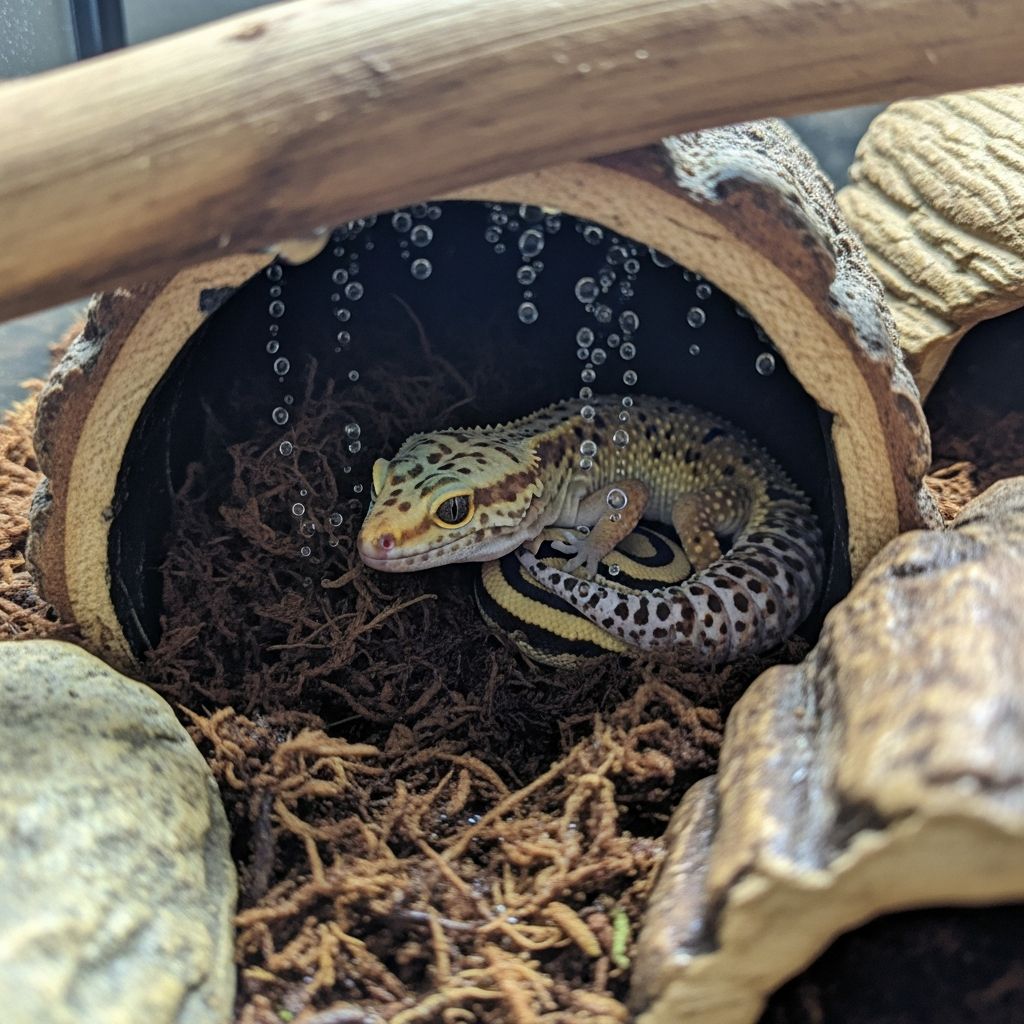
Maintaining proper environmental conditions is one of the most critical aspects of responsible reptile care. Among the various elements that contribute to a thriving captive environment, humidity management stands out as particularly important for species ranging from desert-dwelling leopard geckos to tropical boas. A humidity refuge—sometimes called a humidity box or humid hide—represents an elegant solution for keepers who want to provide localized moisture without significantly altering the overall enclosure conditions. This specialized retreat offers reptiles access to elevated humidity levels precisely when they need it most, particularly during shedding cycles or when they require supplemental hydration.
Understanding the Biological Need for Humidity Refuges
Reptiles have varying physiological requirements when it comes to moisture and humidity. Unlike mammals, reptiles cannot regulate their body temperature internally; instead, they rely on their environment to achieve optimal thermoregulation. However, humidity requirements extend beyond simple temperature regulation. Many reptile species benefit from periodic access to humid environments, regardless of whether they naturally inhabit arid or tropical regions.
The shedding process—technically called ecdysis—represents one of the most critical periods in a reptile’s life cycle when humidity refuges become invaluable. During shedding, reptiles require adequate moisture to help their old skin separate cleanly from the new skin beneath. Without sufficient humidity during this vulnerable period, shed skin can adhere to various body parts, creating a dangerous condition known as stuck shed. This complication can result in serious health consequences, including circulation problems, infection, and in severe cases, loss of digits or other tissue.
Additionally, even reptile species native to arid climates benefit from occasional access to humid microenvironments. For instance, leopard geckos, despite originating from semi-arid regions of Asia, face shedding complications when humidity levels remain too low consistently. By offering a dedicated humidity refuge, keepers can provide essential moisture without compromising the overall drier conditions these species prefer.
Selecting Appropriate Container Materials and Dimensions
The foundation of any effective humidity refuge begins with choosing the right container. The most practical option involves standard plastic shoeboxes or similar plastic storage containers, which offer several distinct advantages. These containers are readily available, affordable, and can be easily modified to suit specific needs.
When selecting a container, several factors warrant careful consideration. The size must accommodate your specific reptile comfortably, allowing the animal to position itself within the refuge without unnecessary compression. Ideally, the container should permit the reptile to touch all four interior walls simultaneously while still maintaining enough space to shift position or turn around. This balance ensures the reptile experiences the psychological security of a snug enclosure without feeling trapped.
The opacity of the container matters significantly for many species. Opaque or darker containers provide superior security and darkness, which many reptiles instinctively prefer when seeking refuge. This visual security reduces stress and encourages the animal to utilize the refuge regularly. However, individual animals may vary in their preferences, and some species tolerate transparent containers adequately. Observing your specific animal’s behavior will guide whether to choose opaque or semi-transparent options.
For construction material alternatives, high-quality plastic compounds like XPVC offer distinct advantages over standard plastic. These materials resist deformation, prevent mold accumulation, and withstand repeated moisture exposure without deteriorating. Such premium materials prove worthwhile for keepers maintaining long-term, serious breeding or care programs.
Substrate Selection and Moisture Management Strategies
The material filling your humidity refuge directly determines its effectiveness and longevity. Multiple substrate options exist, each presenting distinct advantages depending on your reptile species and available resources.
Sphagnum moss represents the gold standard for humidity refuges. This natural material possesses exceptional moisture-retention properties, staying damp far longer than alternative substrates. Sphagnum moss resists decomposition, minimizes bacterial growth, and provides a natural, aesthetically pleasing appearance. Its fibrous structure allows excellent moisture distribution throughout the container.
Coconut fiber substrate offers another reliable option. When dampened appropriately, coconut fiber maintains moisture for extended periods while remaining lightweight and easy to replace. This substrate works particularly well for species preferring a slightly earthier texture.
Paper towels and newspaper provide budget-friendly alternatives, though they require more frequent rewetting. These materials work adequately for temporary humidity refuges or species with moderate humidity needs. The primary disadvantage involves their relatively rapid drying, necessitating more frequent monitoring and adjustment.
Sponges and similar foam materials can function in humidity refuges, though they demand careful management. These materials can harbor bacterial and fungal growth if not properly maintained and replaced regularly.
Achieving proper moisture balance requires attention to your specific species’ needs. The substrate should feel damp to the touch but should never become waterlogged or develop standing water. Excess moisture creates conditions favorable to respiratory infections and bacterial proliferation. Conversely, substrate that dries too rapidly fails to maintain the elevated humidity the refuge is designed to provide. Regular monitoring—typically every two to three days—ensures optimal moisture levels.
Strategic Placement Within the Enclosure Environment
The location where you position the humidity refuge significantly impacts whether your reptile will actually utilize it. Placement should consider both thermal preferences and behavioral patterns specific to your species.
Generally, positioning the refuge toward the warmer end of the enclosure’s thermal gradient proves most effective. This placement allows reptiles to access elevated humidity while maintaining their preferred body temperature. Many reptiles will naturally gravitate toward warm areas during shedding cycles, and proximity to heat sources encourages refuge utilization.
The refuge should occupy a stable, accessible location where the reptile can reach it without navigating complex obstacle courses or competing with other enclosure decorations. Some species prefer ground-level placement, while climbing or arboreal species may benefit from elevated positioning within their enclosure structure.
Ensure adequate ventilation around the refuge. While moisture retention remains important, excessive enclosure-wide humidity can promote respiratory complications. The refuge should create a localized humid microenvironment without significantly elevating moisture levels throughout the entire enclosure. This is where the benefits of a separate, contained refuge truly shine—it provides concentrated humidity exactly where needed without forcing you to maintain elevated ambient humidity everywhere.
Maintenance Protocols and Cleanliness Standards
Regular maintenance distinguishes effective, long-lasting humidity refuges from ones that deteriorate rapidly or harbor pathogenic organisms. Establishing a consistent maintenance schedule protects your reptile’s health and extends the refuge’s functional lifespan.
Monitor moisture levels every two to three days, adding water as needed to maintain appropriate dampness. The substrate should never become soggy or develop a foul odor, which indicates bacterial or fungal overgrowth. If you notice any musty smell or visible mold, replace the substrate entirely rather than attempting to salvage it.
Weekly inspections should include checking for shed skin, feces, or other debris accumulating in the refuge. Remove any visible waste promptly. Once monthly, consider replacing the entire substrate with fresh material, even if the current substrate appears adequate. This preventative approach minimizes disease risk and ensures optimal conditions.
For plastic containers, mild cleaning with warm water and minimal soap—thoroughly rinsed afterward—maintains hygiene without using harsh chemicals that could harm your reptile. Never use bleach or other strong disinfectants unless absolutely necessary, as residues can irritate sensitive reptile skin.
Species-Specific Considerations and Humidity Requirements
While the basic humidity refuge design works across numerous species, specific reptiles benefit from customized approaches. Understanding your particular species’ natural habitat conditions and captive care requirements ensures you create an appropriate microenvironment.
Snakes, particularly species entering shedding cycles, derive substantial benefits from dedicated humidity refuges. When you observe the characteristic cloudy or blue-tinted eye appearance signaling impending shedding, ensuring an accessible, well-maintained humidity refuge becomes paramount. The refuge provides the moisture these animals need to successfully complete the shed in one intact piece.
Leopard geckos and other arid-habitat lizards require special attention. Despite their desert origins, they still experience shedding cycles and can develop stuck shed complications on their toes and digit crevices. This complication can result in severe consequences, including necrosis and digit loss. A modest humidity refuge prevents these serious problems without forcing keepers to maintain excessive ambient humidity that these species dislike.
Tropical species often benefit from humidity refuges as supplemental support, though they may also tolerate or even require higher overall enclosure humidity. The refuge serves as a concentrated moist area for shedding and hydration enhancement.
Frequently Asked Questions About Humidity Refuges
How often should I replace the substrate in the humidity refuge?
Replace the substrate completely once monthly as routine maintenance. Replace it immediately if you detect any musty odors, visible mold, or excessive soiling. Monitor moisture levels every two to three days, adding water as needed between full replacements.
Can I use a humidity refuge for reptiles from arid climates?
Yes. Species like leopard geckos, despite preferring generally dry conditions, still benefit from modest humidity refuges during shedding. The key is providing a localized humid area rather than elevating ambient humidity throughout the entire enclosure.
What happens if my reptile refuses to use the humidity refuge?
If your reptile consistently ignores the refuge, consider adjusting its placement, size, or material. Some animals require time to discover and become comfortable with new enclosure additions. Alternatively, your species may require different humidity management strategies entirely.
Is it possible to create a humidity refuge that is too humid?
Excessive moisture—particularly waterlogged conditions with standing water—creates ideal environments for bacterial and fungal growth. Maintain a damp substrate but avoid waterlogging. If the refuge smells musty or shows visible mold, it’s too wet.
Can multiple reptiles share a humidity refuge?
For solitary species, yes, though providing individual refuges when housing multiple animals reduces stress and disease transmission risk. For social or communal species, ensure the refuge is large enough to accommodate all inhabitants comfortably.
Troubleshooting Common Humidity Refuge Challenges
Even well-designed humidity refuges occasionally present challenges requiring adjustment. Recognizing and addressing these issues promptly maintains the refuge’s effectiveness.
If substrate dries excessively fast, you may be using materials with poor moisture retention. Transition to sphagnum moss or coconut fiber, or increase watering frequency. Conversely, if moisture accumulates excessively, improve ventilation, reduce water additions, or transition to more absorbent materials that distribute moisture more evenly.
Mold or fungal growth indicates excessive moisture combined with inadequate air circulation. Reduce moisture levels, increase the frequency of substrate changes, and ensure adequate ventilation around the refuge.
If your reptile avoids the refuge entirely, consider that temperature, size, or placement may be suboptimal. Experiment with repositioning, adjusting materials, or modifying dimensions to encourage utilization.
Conclusion: Investing in Proper Humidity Management
Constructing and maintaining an effective humidity refuge represents a straightforward yet profoundly beneficial investment in your reptile’s health and longevity. These specialized enclosure additions address fundamental biological needs while remaining simple and affordable to implement. By understanding your specific species’ requirements, selecting appropriate materials, establishing consistent maintenance routines, and remaining attentive to your animal’s behavior and health, you create an environment that supports successful shedding, proper hydration, and overall physiological wellbeing. The humidity refuge exemplifies how thoughtful enclosure design directly translates into improved captive care outcomes.
References
- How to Set Up a Humid Hide For Your Pet Reptiles and Why It’s So Important — Tye-Dyed Iguana (YouTube). Accessed January 30, 2026. https://www.youtube.com/watch?v=XDRReTW6QVY
- How to Make and Use Humidity Boxes — YouTube. Accessed January 30, 2026. https://www.youtube.com/watch?v=kS8gZXXK7S4
- Tutorial: How to Create a Humidity Hide! And Also How to Create a Nesting or Lay Box — Wisconsin Herpetological Society. Accessed January 30, 2026. https://www.wisconsinherps.org/educational-articles/tutorial-how-to-create-a-humidity-hide-and-also-how-to-create-a-nesting-or-lay-box
- The Importance of Hides in Your Reptile’s Enclosure — Zen Habitats. Accessed January 30, 2026. https://www.zenhabitats.com/blogs/reptile-care-sheets-resources/the-importance-of-hides-in-your-reptiles-enclosure
- Small Humid Hide / Lay Box, XPVC — Recoil Reptiles. Accessed January 30, 2026. https://www.recoilreptiles.com/product-page/small-humid-hide-lay-box-xpvc
Similar Articles






Read full bio of medha deb