

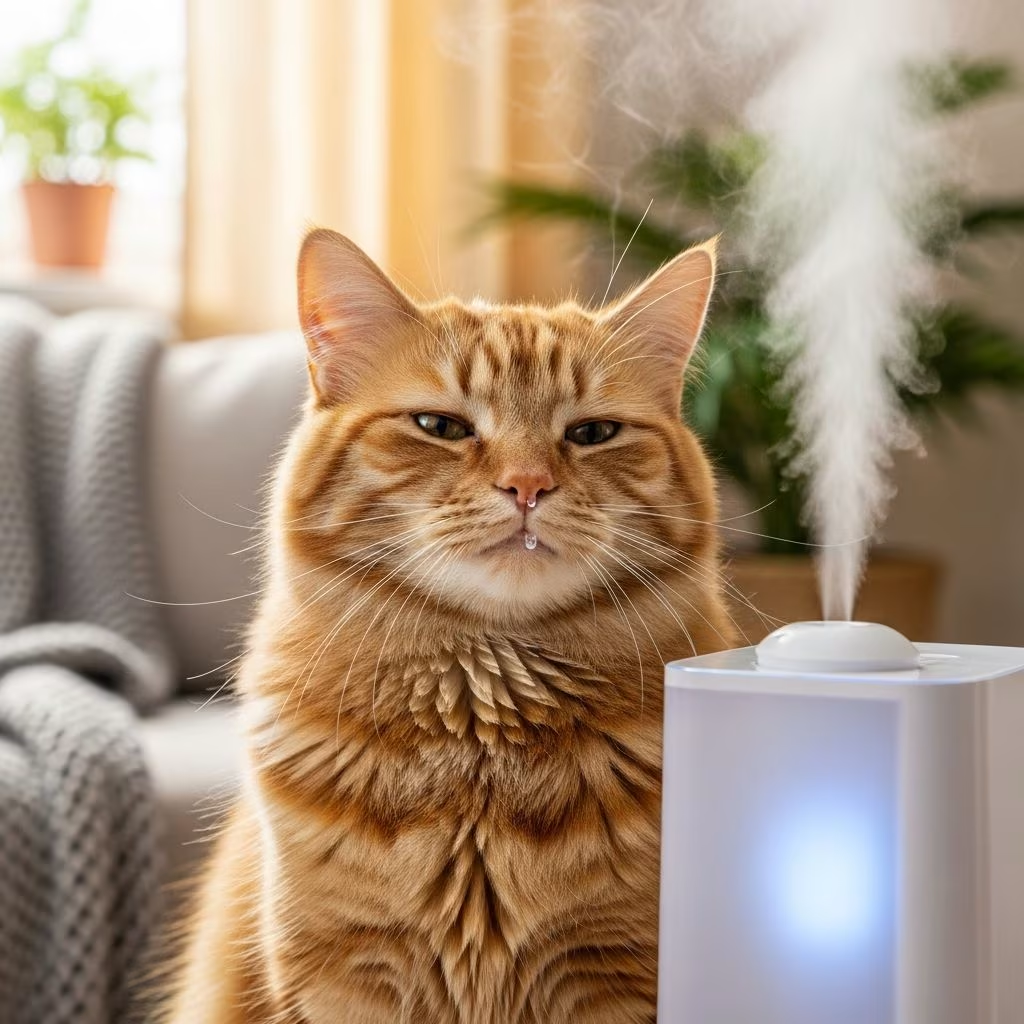
Cats suffering from nasal congestion often struggle with breathing, eating, and overall comfort due to inflamed airways or thick mucus buildup. Humidifiers provide moist air that can loosen secretions and soothe irritated passages, offering a simple home remedy alongside veterinary care.
Understanding Feline Nasal Congestion
Nasal congestion in cats typically stems from upper respiratory tract infections (URIs), rhinitis, or sinusitis, leading to symptoms like sneezing, discharge, and mouth breathing. These conditions impair airflow, making daily activities challenging for felines.
Common indicators include noisy breathing, facial pawing, reduced appetite from diminished smell, and lethargy. Early recognition allows for timely intervention to prevent complications like dehydration or secondary infections.
Primary Causes of Congestion in Cats
Viral pathogens dominate as triggers for congestion. Feline herpesvirus (FHV-1) and feline calicivirus (FCV) spread via direct contact or aerosols, affecting kittens and stressed adults most severely. These viruses cause acute inflammation that may persist chronically.
- Viral origins: FHV-1 leads to recurrent sneezing and discharge; FCV often includes oral ulcers.
- Bacterial involvement: Secondary infections like Chlamydia felis or Mycoplasma exacerbate swelling and purulent discharge.
- Other factors: Allergens, fungi, or foreign bodies contribute less frequently but require specific diagnostics.
Chronic cases involve ongoing inflammation, potentially from unresolved viral carriers or idiopathic rhinitis, where no clear pathogen is identified.
How Humidifiers Aid Congested Cats
Humidifiers add moisture to dry air, thinning mucus and reducing nasal swelling for easier breathing. Veterinary sources recommend them for URIs and rhinitis to mimic natural humidity levels.
Steam from a hot shower or a cool-mist device loosens debris, promoting productive sneezing. Place the unit near your cat’s resting area, ensuring clean water to avoid bacterial growth. Sessions of 20-30 minutes multiple times daily can yield noticeable relief.
| Method | Benefits | Precautions |
|---|---|---|
| Cool-Mist Humidifier | Moistens air safely; reduces bacteria risk | Clean daily; use distilled water |
| Steam Bathroom | Quick humidity boost; no equipment needed | Supervise to prevent stress; avoid oils |
| Nebulizer | Targeted fine mist for chronic cases | Vet-guided; train cat tolerance |
Recognizing Symptoms That Demand Action
Monitor for clear or colored nasal/eye discharge, conjunctivitis, coughing, fever, or appetite loss. Severe signs like open-mouth breathing or rapid decline signal emergencies, possibly pneumonia.
- Sneezing with thick mucus
- Mouth breathing or labored efforts
- Eye/nasal crusting
- Weight loss from poor eating
Chronic symptoms recur under stress, necessitating long-term management.
Veterinary Diagnosis and Treatment Options
Consult a vet for swabs, imaging, or bloodwork to pinpoint causes. Treatments target underlying issues while supporting comfort.
Antibiotics combat bacterial overgrowth; antivirals or antifungals address specifics. Anti-inflammatories like corticosteroids ease swelling but require monitoring.
- Supportive care: Fluids prevent dehydration; nutritional aids encourage eating.
- Invasive options: Nasal flushes under anesthesia clear blockages in stubborn cases.
- Surgical interventions: Rare rhinotomies for tumors or polyps.
Implementing Safe Home Care Routines
Combine humidity with gentle face wiping using warm cloths to remove crusts. Ensure a stress-free, dust-free environment; isolate from other pets if infectious.
Encourage hydration via wet food or fountains. Appetite stimulants may help if smell is impaired. Avoid over-the-counter human decongestants, as they harm cats.
Preventing Recurrent Congestion Episodes
Vaccinations against FHV-1 and FCV reduce severity, though not fully preventive. Maintain hygiene, minimize stressors, and schedule wellness checks for carriers.
Boost immunity with balanced nutrition and parasite control. Early URI detection via monitoring halts progression.
Potential Risks and When to Escalate Care
Untreated congestion risks pneumonia, fatty liver from anorexia, or vision issues from eye involvement. Humidifiers are low-risk but ineffective alone for severe or chronic disease.
Seek immediate vet help for non-improvement in 48 hours, worsening symptoms, or dehydration signs like tacky gums.
Frequently Asked Questions
Can all cats benefit from a humidifier?
Most with congestion respond well, especially URI cases, but confirm with a vet to rule out contraindications.
How long should I run the humidifier?
Intermittent use, 20-30 minutes several times daily, maintains moisture without excess.
Is a warm or cool mist better?
Cool mist is safer, preventing burns and bacterial proliferation.
What if symptoms persist despite humidity?
Professional evaluation is essential for antibiotics or further tests.
Are essential oils safe in humidifiers for cats?
No; many are toxic. Use plain water only.
Long-Term Management for Chronic Conditions
For persistent rhinitis, integrate nebulization, inhalers like AeroKat, and periodic flushes. Lifestyle adjustments and stress reduction are key to minimizing flares.
Regular vet follow-ups track progress and adjust protocols, ensuring quality of life.
References
- Nasal Infections In Cats – Causes, Symptoms & Treatment — Beyond Pets. 2023. https://beyondpets.com/pet-health-plus/nasal-infections-in-cats/
- Congested Kitty? Feline Upper Respiratory Infections 101 — WesVet. 2023. https://wesvet.com/congested-kitty-feline-upper-respiratory-infections-101/
- Feline Rhinitis: Causes, Symptoms, And Treatments — Trudell Animal Health. 2024. https://trudellanimalhealth.com/blogs/blog/feline-rhinitis-causes-symptoms-and-treatments
- Cat Colds: Symptoms, Causes, and Treatment — PetMD. 2024. https://www.petmd.com/cat/conditions/respiratory/cat-colds
- Chronic upper respiratory tract disease — International Cat Care. 2023. https://icatcare.org/articles/chronic-upper-respiratory-tract-disease
- Rhinitis and Sinusitis in Cats – Cat Owners — Merck Veterinary Manual. 2024. https://www.merckvetmanual.com/cat-owners/lung-and-airway-disorders-of-cats/rhinitis-and-sinusitis-in-cats
- What to do if your cat has a cold — Four Paws. 2023. https://www.fourpawsusa.org/our-stories/publications-guides/cat-cold-what-to-do



