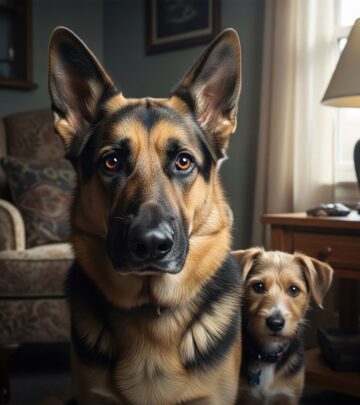
Humans and Dog Aggression Study
New research reveals humans struggle to recognize dog aggression, even dog owners—no clear advantage detected.
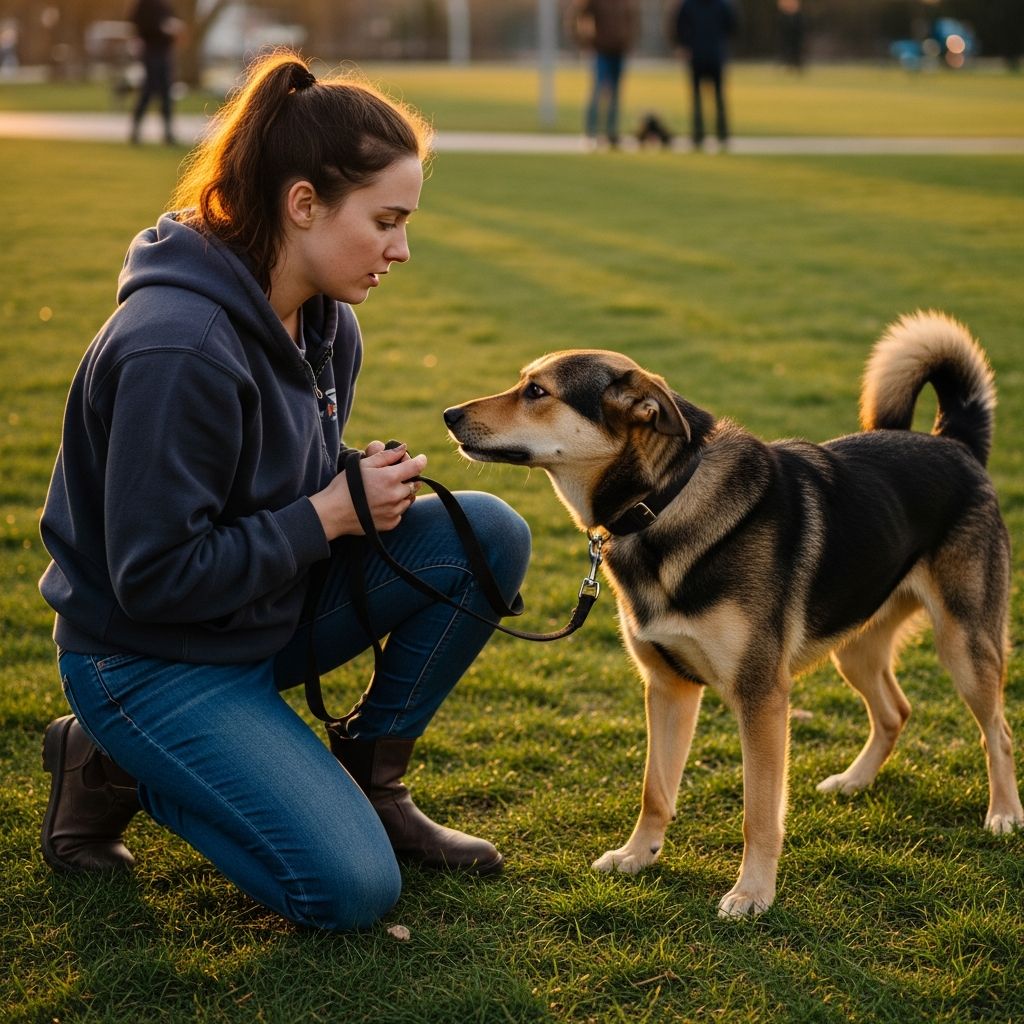
Recent research challenges common assumptions about our ability to read canine body language. A study published in Scientific Reports reveals that humans—whether experienced dog owners or not—struggle equally to identify aggression in dogs, with accuracy rates hovering between 50% and 80% depending on context. This finding underscores the subtle nature of dog aggression signals and the risks of misinterpretation in everyday interactions.
Key Findings from the Study
The research, led by Dr. Juliane Bräuer and colleagues, tested participants’ ability to recognize aggressive behaviors and predict outcomes in video clips featuring primates, dogs, and humans. Contrary to expectations, dog parents showed no advantage over non-owners in decoding dog aggression. Participants predicted outcomes accurately in 50-80% of cases, but performance dropped significantly for dogs and humans compared to primates.
- Poor Performance Across Groups: Both dog owners and strangers misidentified aggressive interactions in dogs at similar rates.
- Context Matters: Videos of clear primate hierarchies were easier to interpret than nuanced dog or human signals.
- Myth Busted: Experience with dogs does not reliably improve aggression recognition skills.
This study builds on prior work showing humans often overlook early warning signs in dogs, potentially leading to bites or escalated conflicts. Dr. Bräuer noted the surprise in these results, as previous experiments hinted at owner advantages that did not materialize here.
Why Humans Struggle to Spot Dog Aggression
Dogs communicate through a complex mix of postures, facial expressions, and vocalizations that differ from human cues. Aggression in dogs often starts subtly—stiffening, lip curling, or averted gazes—before escalating. Humans, evolutionarily tuned to primate and conspecific signals, miss these because they are ambiguous or conflict with friendly behaviors like play bows.
Comparative analysis in the study highlighted interspecies differences. Primates display overt dominance (e.g., charging, screaming), which participants read easily. Dog signals, however, blend tolerance and threat, as seen in wolf-dog comparisons where wolves show more bidirectional agonism than dogs’ steep hierarchies.
| Species | Aggression Recognition Accuracy | Key Challenge |
|---|---|---|
| Primates | High (70-80%) | Overt signals |
| Dogs | Low-Moderate (50-60%) | Subtle, mixed cues |
| Humans | Moderate (60%) | Cultural biases |
Environmental factors exacerbate this. Pet dogs, unlike wolves, develop rigid dominance under domestication, leading to monopolized resources and threats primarily from dominants. Subordinate dogs retreat silently, masking tension.
Dog Aggression Myths Debunked
Myth 1: Dog Owners Are Experts. The study disproves this—dog parents performed as poorly as novices. Daily cohabitation breeds overfamiliarity, blinding owners to red flags they see in strangers’ dogs.
Myth 2: Rough Play Always Escalates. Research on dog play shows asymmetrical roughhousing (e.g., one dog pinning repeatedly) rarely turns aggressive if relationships are established. No escalations observed in hundreds of hours.
Myth 3: Breeds Predict Aggression. Life history and owners matter more. Females show 40% less owner-directed aggression; brachycephalic dogs 79% more. Owner gender predicts stranger aggression—women’s dogs 73% less aggressive.
- Female dogs: Lower aggression risk toward owners.
- Brachycephalic breeds: Higher risk due to morphology.
- Male owners: Linked to more stranger-directed bites.
Science Behind Dog vs. Wolf Aggression
A pivotal PMC study compared dogs and wolves raised identically, testing food competition. Wolves displayed higher tolerance: both dominants and subordinates monopolized food equally and challenged each other bidirectionally. Dogs showed steeper hierarchies—dominants alone threatened and controlled resources, subordinates cofed silently.
Key stats:
- Agonistic behaviors: Wolves (185 total, mostly threats); Dogs (92, mostly threats).
- Tests with aggression: 32% overall (dogs 27%, wolves 38%).
- Cofeeding aggression: Dominant dogs more likely; no rank difference in wolves.
This suggests wolves’ tolerance enabled pack cooperation, foundational to dog-human bonds. Yet, captive dogs fight more intensely than wolves, contradicting domestication theories of reduced aggression.
“Wolves are sufficiently tolerant to enable wolf–wolf cooperation, which might have been the basis for dog–human cooperation.”
Factors Influencing Dog Aggression
Brazilian researchers analyzed 665 pet dogs, linking aggression to morphology, environment, and owners. Physical traits like weight, snout length (brachycephalic highest risk), and sex interplay with life history.
| Factor | Impact on Aggression | Odds Ratio |
|---|---|---|
| Female Sex | 40% lower toward owners | 0.60 |
| Brachycephalic Snout | 79% higher toward owners | 1.79 |
| Female Owner | 73% less toward strangers | 0.27 |
Household type and early experiences amplify risks. Separation anxiety affects 86% of dogs moderately/severely, often mimicking aggression.
Recognizing True Dog Aggression Signals
Learn these signs to stay safe:
- Stiff Body: Frozen posture, hard stare, raised hackles.
- Facial Cues: Lip curl, wrinkled muzzle, closed mouth with tension.
- Posture: Forward lean, raised tail stiffly, weight shifted front.
- Audible Warnings: Growls, snarls (not play barks).
- Displacement: Yawning, lip licking under stress.
Play aggression mimics but includes bows, relaxed mouths, take-turns (though not 50/50). Escalate only if signals intensify without play markers.
Frequently Asked Questions (FAQs)
Q: Do dog owners recognize aggression better than strangers?
A: No, studies show no advantage—both groups perform poorly (50-60% accuracy).
Q: Is rough play a sign of aggression?
A: Rarely; asymmetrical play persists without escalation in established pairs.
Q: Are some breeds more aggressive?
A: No, life history, sex, morphology, and owners predict better than breed.
Q: Why are wolves less aggressive than dogs?
A: Wolves show bidirectional tolerance; dogs have rigid hierarchies with dominant-only threats.
Q: How can I reduce my dog’s aggression?
A: Early socialization, positive training, vet checks for pain; female owners see lower rates.
Implications for Dog Owners and Safety
This research urges caution: misreading signals contributes to 4.5 million U.S. dog bites yearly. Train observation skills via videos/apps. Professional behaviorists help decode packs. Promote tolerance like wolves through multi-dog harmony training.
For breeders/trainers: Select for tolerance, avoid steep hierarchies. Public education on cues prevents tragedies.
Future studies may use AI for signal detection, bridging human-canine gaps.
References
- Testing the myth: tolerant dogs and aggressive wolves — Range, F. et al. PMC/NCBI. 2015-05-12. https://pmc.ncbi.nlm.nih.gov/articles/PMC4424647/
- Is Your Dog’s Rough Play Appropriate? — Kinship. 2023. https://www.kinship.com/dog-behavior/your-dogs-rough-play-appropriate
- Aggressiveness of pet dogs is influenced by life history and owner’s characteristics — Ayrosa, F. et al. University of São Paulo/EurekAlert. 2023-11-01. https://www.eurekalert.org/news-releases/976479
- How to Recognize the Signs of Dog Aggression — Kinship. 2024. https://www.kinship.com/dog-behavior/humans-and-dog-aggression-study
Similar Articles






Read full bio of medha deb