

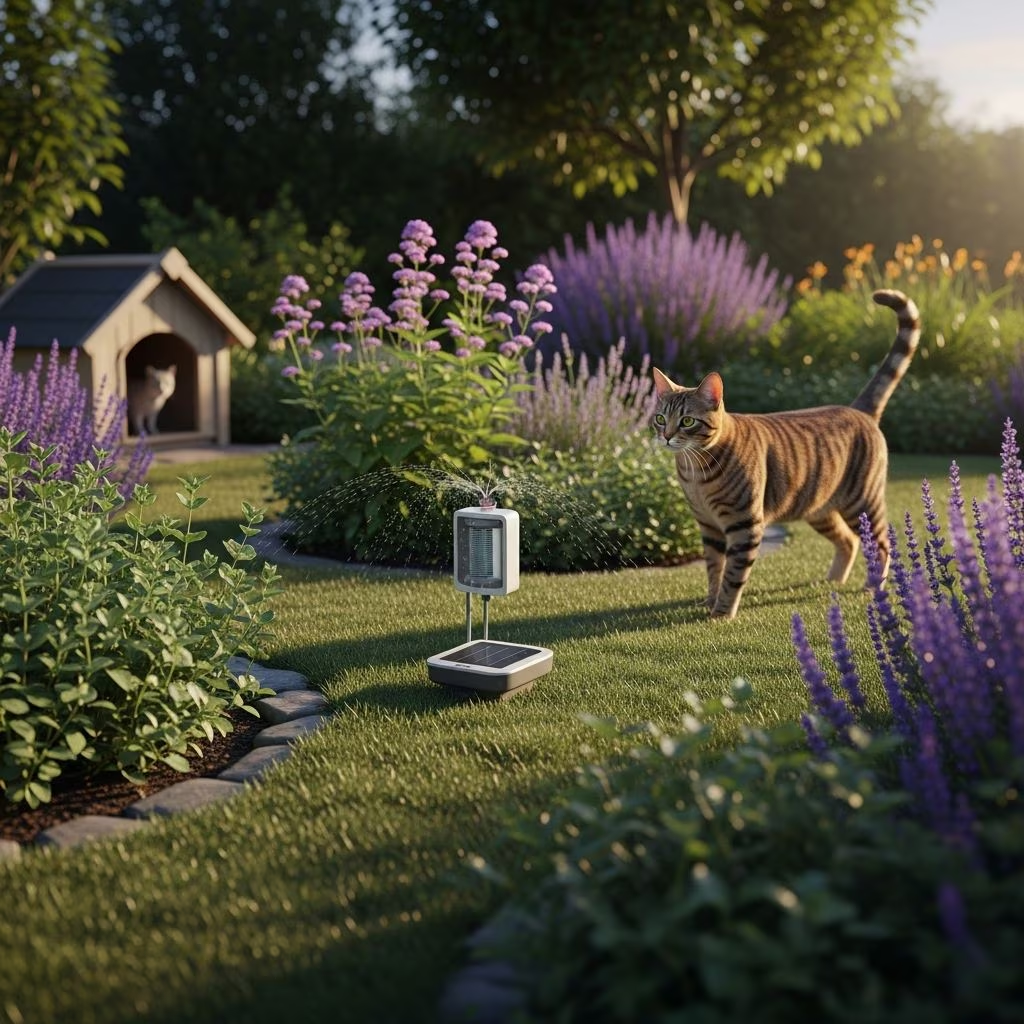
Stray and feral cats often seek food, shelter, and safe spots to eliminate in residential areas, leading to frustrations for homeowners. Rather than resorting to harmful methods, compassionate deterrence focuses on making your space unappealing while respecting these animals’ welfare. This guide outlines practical, evidence-based approaches drawn from animal care organizations, emphasizing prevention, natural barriers, and technology.
Understanding Stray Cat Behavior
Cats are drawn to yards by accessible food, soft soil for digging, and comfortable resting spots. They mark territories with urine or feces to communicate, which can persist if scents aren’t neutralized. Recognizing these patterns allows targeted interventions that redirect cats to less problematic areas without confrontation.
Community cats, including strays and ferals, thrive in human environments but respond well to non-invasive discouragement. Programs like Trap-Neuter-Vaccinate-Return (TNVR) reduce populations and nuisance behaviors long-term, complementing on-site deterrents.
Eliminate Attractants First
The foundation of deterrence is removing incentives. Secure garbage with tight lids or bungee cords to prevent scavenging. Clean barbecues thoroughly and cover them, as lingering food odors lure felines. Bird feeders and fruit trees should be monitored; clean spills promptly to avoid drawing cats.
- Lock trash receptacles to block easy access.
- Cover vehicles with tarps if cats climb on them, minimizing paw prints and scratches.
- Harvest fallen fruit immediately from trees.
Natural Scent-Based Repellents
Cats have acute senses of smell, making strong odors effective barriers. Scatter citrus peels, such as oranges or lemons, around gardens—their sharp scent repels without toxicity. Vinegar sprays or essential oils like lavender, eucalyptus, lemongrass, or citronella create invisible fences.
Household staples shine here: sprinkle coffee grounds, cayenne pepper, or dried rue herb in targeted zones. Rue, a hardy perennial, can be planted as a living deterrent. These methods are inexpensive and eco-friendly but require reapplication after rain.
| Repellent | Application Area | Pros | Cons |
|---|---|---|---|
| Citrus Peels | Gardens, mulch | Readily available, pleasant for humans | Needs frequent refresh |
| Coffee Grounds | Flower beds, entry points | Recycles waste, mild aroma | May attract other pests initially |
| Rue Herb | Plant borders | Long-lasting plant solution | Slow to establish |
| Vinegar Spray | Surfaces, soil | Strong odor neutralizer | Temporary, rinse off plants |
Physical Barriers for Gardens and Soil
Prevent digging by altering soil texture. Lay chicken wire flat under topsoil, rolling sharp edges inward for safety. Lattice branches, wooden chopsticks, or pine cones embedded eight inches apart create uncomfortable footing.
Commercial options like Cat Scat mats feature blunt plastic spikes that deter without injury. Cover bare earth with river rocks, lava rocks, or concrete pavers—attractive mulches that cats avoid. Plastic carpet runners, nubby side up, work well in planters.
- Chicken wire: Anchor deeply, check for trapped kittens.
- Stones/Pinecones: Aesthetic and multi-purpose.
- Spiked mats: Portable for small areas.
Technology-Driven Solutions
Motion-activated devices offer hands-off protection. Ultrasonic repellents emit high-frequency sounds inaudible to humans, startling cats upon approach. Position at entry points like doorways or garden edges; solar-powered models suit large areas.
Sprinklers like ScareCrow or CatStop connect to hoses, detecting motion up to 30-45 feet and releasing brief water bursts. Cats quickly learn boundaries, avoiding the zone entirely. These cover backyards effectively and spare other wildlife if calibrated properly.
Oscillot fencing adds rolling bars to existing fences, spinning under a cat’s grip to prevent climbing. Ideal for warm climates, it’s adaptable for exclusion.
Neutralizing Odors and Markings
Existing scents reinforce return visits. Thoroughly clean urine or feces with enzyme-based removers or white vinegar, which breaks down proteins. Avoid ammonia-based cleaners, as they mimic urine.
For persistent issues, combine with scents: garlic, mustard, or pipe tobacco scattered lightly. Regular maintenance prevents re-marking.
Creating Alternative Spaces
Redirect cats compassionately by offering alternatives. Plant catnip or catmint in a designated “welcome zone,” paired with a sandbox litter area using peat moss or dirt (clean weekly). Provide sheltered spots away from your property to encourage relocation.
Feeders, if managed, at set times with minimal portions reduce roaming. Fountains or large pots in safe areas mimic preferred lounging spots.
Combining Methods for Best Results
Single tactics may falter due to habituation; layer approaches. For example, use sprinklers for broad coverage, scents in gardens, and barriers on soil. Monitor and adjust—cats adapt, so rotate deterrents.
TNVR amplifies efforts: sterilized cats exhibit less spraying and roaming, stabilizing populations humanely.
Frequently Asked Questions
Are ultrasonic devices safe for other pets?
Most are cat-specific, but test positioning to avoid distressing dogs. Bird-friendly models exist.
How often to reapply natural repellents?
After rain or every few days; plants like rue offer permanence.
Will deterrents harm cats?
All recommended methods are non-toxic and stress-free, focusing on discomfort over injury.
What if cats persist?
Contact local TNR groups for TNVR support and community solutions.
Can I use predator urine products?
Avoid them due to inhumane sourcing; natural alternatives suffice.
Long-Term Community Strategies
Collaborate with neighbors for feeding stations and shelters in communal areas. Educate on TNVR to curb breeding and behaviors. These steps foster coexistence, benefiting all.
References
- Humane & Natural Stray & Feral Cat Deterrents & Repellents — Alley Cat Allies. Accessed 2026. https://www.alleycat.org/community-cat-care/humane-deterrents/
- How to keep stray cats away — Humane World for Animals. Accessed 2026. https://www.humaneworld.org/en/resources/how-keep-stray-cats-away
- How to Keep Stray Cats Out of Your Yard & Garden — YouTube (Pest Control Specialist). Accessed 2026. https://www.youtube.com/watch?v=hyQBDC_GFco
- Humane Outdoor Cat Deterrents — Best Friends Animal Society. Accessed 2026. https://bestfriends.org/pet-care-resources/humane-outdoor-cat-deterrents



