
Humane Raccoon Deterrence Guide
Protect your home and pets from raccoons using safe, effective, and humane strategies that prioritize wildlife welfare.
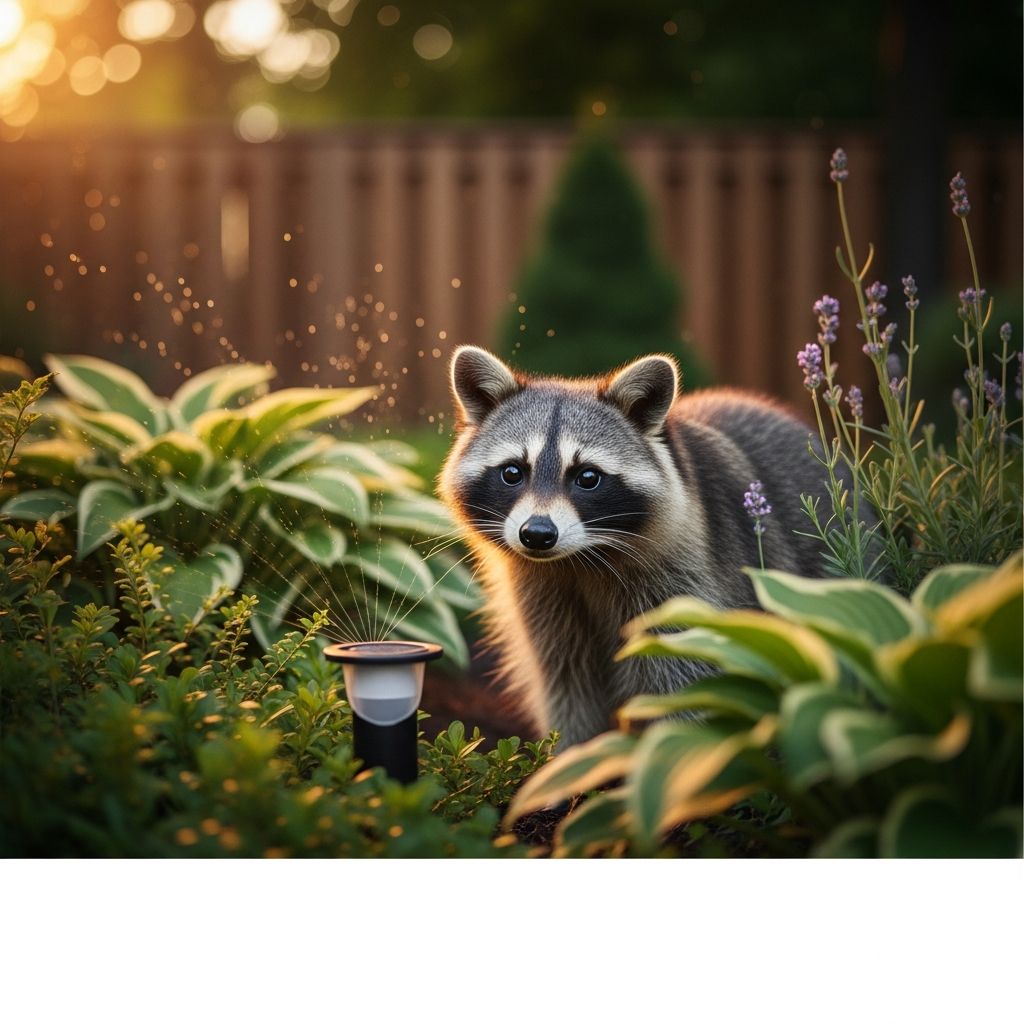
Raccoons are clever nocturnal visitors that can pose challenges for homeowners, especially those with dogs or gardens. These adaptable creatures seek food, shelter, and water, often turning backyards into their playgrounds. Fortunately, humane deterrence methods exist to encourage them to relocate without harm. This guide outlines practical steps grounded in expert recommendations to safeguard your property while respecting wildlife.
Understanding Raccoon Behavior and Attractions
Raccoons possess an acute sense of smell, detecting food from afar, and dexterous paws capable of manipulating latches or squeezing through small gaps. They favor urban environments for easy meals like unsecured garbage or pet food. Recognizing signs such as paw prints, scat, or tipped bins helps in early intervention.
Common attractants include outdoor pet bowls left overnight, accessible compost piles, and low-hanging fruit. By addressing these, you diminish their interest in your space. Raccoons also den in attics, under decks, or chimneys during breeding seasons, typically spring and fall.
Essential Prevention Tactics for Your Yard
Prevention forms the cornerstone of raccoon management. Start by eliminating incentives that draw them close.
- Fortify Waste Management: Opt for heavy-duty bins with locking mechanisms or bungee cords. Position them in sheds or garages until pickup day, and rinse interiors to erase scents.
- Control Pet and Wildlife Feeding: Feed dogs indoors after dusk. For bird feeders, employ baffle-protected designs or retrieve them nightly. Harvest fallen fruits promptly.
- Maintain Landscaping Barriers: Trim branches overhanging roofs or fences, as raccoons climb effortlessly. Clear brush piles and keep wood stacks distant from structures.
These adjustments create an inhospitable environment, prompting raccoons to forage elsewhere.
Fortifying Your Home Against Intruders
Structural vulnerabilities invite raccoons indoors. Conduct a thorough inspection focusing on eaves, vents, and foundations.
| Area | Vulnerable Feature | Reinforcement Solution |
|---|---|---|
| Roofline | Gaps in soffits, loose shingles | Metal flashing, hardware cloth (1/4-inch mesh) |
| Vents/Chimneys | Openings larger than 3 inches | Sturdy caps, fine wire mesh screens |
| Decks/Sheds | Crawl spaces, lattice panels | Galvanized steel skirting, buried 12 inches deep |
| Foundation | Cracks or holes | Concrete patching, steel wool filler |
Seal after confirming no occupants remain inside to avoid trapping vulnerable young. Raccoons enlarge openings over time, so use durable, chew-resistant materials.
Non-Lethal Deterrents and Repellents
Technology and natural repellents offer contactless discouragement.
- Motion-Activated Devices: Install sprinklers, floodlights, or ultrasonic emitters along perimeters. Sudden water bursts or lights startle raccoons effectively.
- Scent-Based Options: Apply capsaicin sprays or predator urine mimics around gardens and entryways. Reapply after rain.
- Audio Disturbances: Position radios on talk stations near activity zones for several nights to disrupt rest.
Combine methods for amplified results, rotating them to prevent habituation.
Humane Trapping and Relocation Protocols
When deterrence falls short, live trapping provides a compassionate solution. Use large cage traps (32x10x12 inches) baited with marshmallows, fish, or peanut butter. Place in shaded, trail-frequented spots and camouflage with foliage.
Check hourly to minimize stress, covering trapped animals with blankets for calm. Release at least 10 miles away in wooded habitats with water sources, per local laws. Note: Many regions mandate permits; consult wildlife agencies.
Engaging Professional Wildlife Experts
For infestations involving attics or aggression, professionals excel with specialized tools like one-way exclusion doors. These permit exit but block reentry, ideal post-evacuation. Experts also perform fecal analysis and structural repairs, ensuring long-term exclusion.
Choose licensed operators prioritizing humane practices, avoiding poisons that cause suffering. Costs vary by scope, but prevention averts repeated expenses.
Garden and Pool Safeguards
Raccoons raid produce and splash in pools. Encircle gardens with 4-foot electric fencing or floppy-top fences that collapse under weight. For ponds, float tennis balls to obscure appeal.
Cover compost with screens and bury it deeply. Motion lights around pools deter midnight dips.
Seasonal Considerations for Raccoon Activity
Activity peaks in fall (pre-hibernation foraging) and spring (maternal denning). Intensify measures then, verifying kits aren’t orphaned during removals—wait for mothers’ nightly forays.
Legal and Ethical Dimensions
Regulations differ; some areas protect raccoons year-round. Relocation distances and methods require compliance to prevent fines. Embrace coexistence: These animals control pests naturally.
Frequently Asked Questions
Are raccoons dangerous to dogs?
Yes, they can transmit diseases like leptospirosis or rabies, and fights may injure pets. Supervise outdoor time.
How long until deterrents work?
Consistency yields results in 1-2 weeks; persistence is key against adaptable raccoons.
Can I use ammonia or mothballs?
Avoid; they’re toxic to pets and wildlife, with limited efficacy.
What if a raccoon is injured?
Contact animal control; do not approach.
Do lights alone suffice?
Best combined with food removal for comprehensive deterrence.
Long-Term Success Strategies
Monitor quarterly, adapting to seasonal changes. Educate neighbors for community-wide impact. By fostering an unwelcoming yet safe habitat, you protect loved ones humanely.
References
- Smart Strategies to Manage and Prevent Raccoon Nuisance — IPM Pest Control. 2023. https://www.ipmpestcontrol.com/smart-strategies-to-manage-and-prevent-raccoon-nuisance/
- 10 Proven Ways to Keep Raccoons Off Your Property — Attic Fanatics. 2024. https://theatticfanatics.com/proven-ways-to-keep-raccoons-off-your-property/
- Tips to Keep Raccoons Out of Your Home and Yard — AAAC Wildlife Removal. 2023. https://fort-worth.aaacwildliferemoval.com/raccoon-removal/how-to-get-rid-of-raccoons/
- Raccoon Prevention Methods — ABC Humane Wildlife. 2022. https://abcwildlife.com/blog/raccoon-prevention-methods/
- Top 5 Humane Animal Removal Techniques for Homeowners — Critter Evictor TX. 2024. https://critterevictortx.com/top-5-humane-animal-removal-techniques-for-homeowners/
- What to do about raccoons — Humane World for Animals. 2023. https://www.humaneworld.org/en/resources/what-do-about-raccoons
- How To Identify & Get Rid Of Raccoons — Orkin. 2025. https://www.orkin.com/pests/raccoons
Similar Articles








Read full bio of Sneha Tete


