

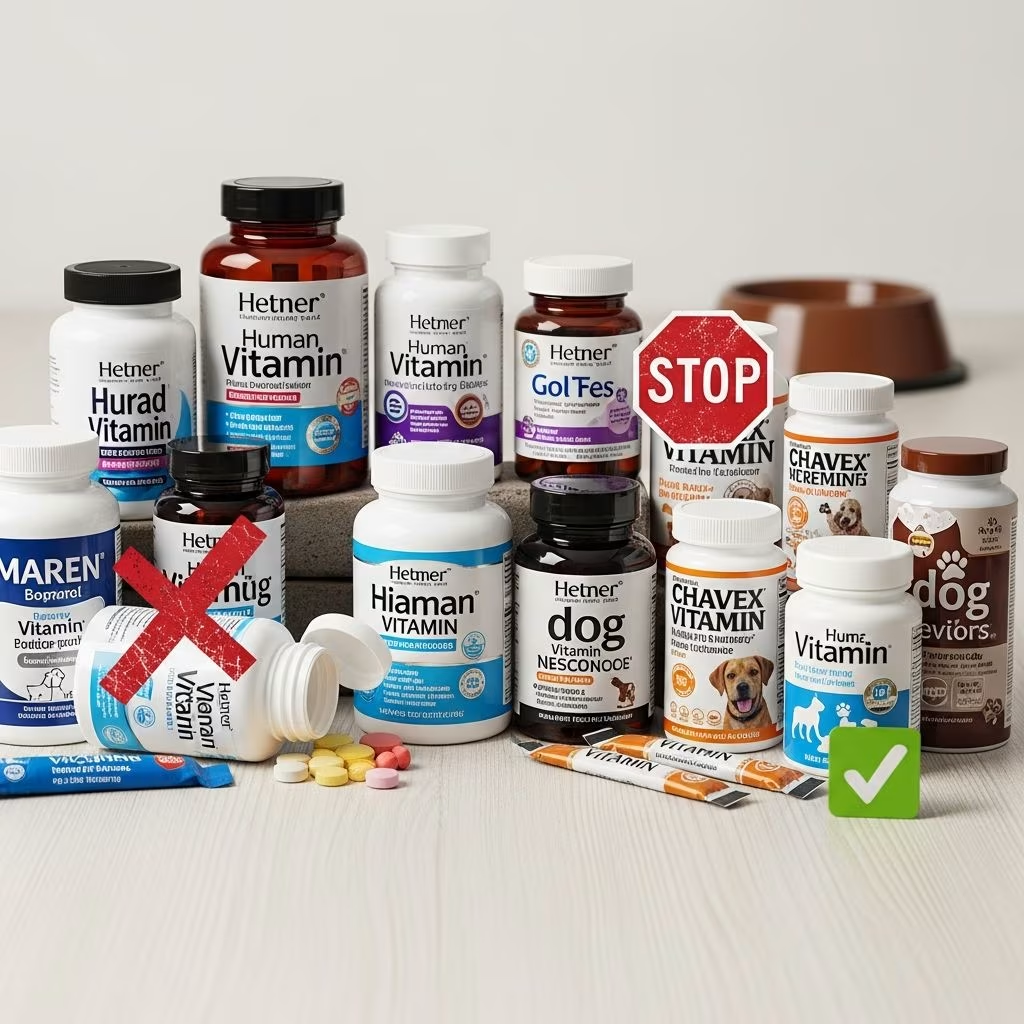
Pet owners often wonder whether they can share their vitamin supplements with their dogs as a convenient way to support their health. However, the straightforward answer from veterinary professionals is clear: human vitamins and supplements are not formulated for dogs and should never be given without veterinary guidance. While dogs and humans share some nutritional needs, the differences in metabolism, body composition, and dietary requirements mean that doses safe for people can be dangerous for our canine companions.
Why Dogs Have Different Nutritional Needs Than Humans
Understanding the fundamental differences between human and canine nutrition is essential for responsible pet ownership. Dogs require the same six basic nutritional categories as humans: water, protein, fats, carbohydrates, vitamins, and minerals. However, the proportions and concentrations of these nutrients differ significantly between species.
Pet multivitamins designed specifically for dogs are typically formulated to contain only about 20 percent of the daily requirement for that nutrient, whereas human supplements often contain 100 percent of the recommended daily allowance. This substantial difference means that a human vitamin formulation could deliver five times the necessary amount of a given nutrient to a dog, creating an immediate toxicity risk. Additionally, human supplements may include ingredients and binders that are safe for people but potentially harmful to dogs, such as certain fillers, flavorings, or sweetening agents.
Dogs also metabolize nutrients differently than humans do. Their digestive systems process vitamins and minerals at different rates, and their bodies store fat-soluble vitamins in different ways. What constitutes a safe dose for a 150-pound adult human might be dangerously excessive for a 30-pound dog, even accounting for body weight differences.
The Most Dangerous Human Vitamins for Dogs
Certain vitamins and minerals found in common human supplements pose particularly severe health risks to dogs. Understanding which substances are most problematic can help pet owners recognize potential poisoning situations and respond quickly.
Vitamin D: The Most Critical Concern
Vitamin D stands out as one of the most dangerous nutrients for canine health. Unlike water-soluble vitamins that dogs cannot store and excrete excess amounts through urine, vitamin D is fat-soluble. When a dog consumes too much vitamin D, the excess accumulates in fatty tissues and the liver rather than being eliminated from the body. This bioaccumulation creates a compounding toxicity risk, particularly dangerous because symptoms may not appear immediately.
Symptoms of vitamin D toxicity can manifest within 12 hours of ingestion. Initial signs include vomiting, diarrhea, loss of appetite, abdominal pain, depression, excessive thirst, and increased urination. Between 24 and 48 hours after exposure, these initial symptoms often escalate dramatically. The dog may develop hypercalcemia, a dangerous buildup of calcium in the bloodstream. This condition can progress to acute kidney failure, difficulty breathing, irregular heartbeat, internal bleeding, and tissue mineralization affecting the heart, gastrointestinal tract, and kidneys. In severe cases, vitamin D toxicity can be fatal.
Dogs exposed to significant vitamin D doses require immediate veterinary intervention to prevent irreversible organ damage and death.
Vitamin A: Silent Accumulation
Vitamin A toxicity develops through chronic exposure rather than typically occurring from a single dose, though both scenarios are possible. Toxicity can result from dogs consuming excessive fish oil supplements, cod liver oil, or liver products over an extended period. In rare cases, ingesting an entire bottle of vitamin A supplements at once can trigger acute toxicity.
The amount of vitamin A needed to cause toxic effects varies by species but generally requires 10 to 1,000 times the dietary requirement. Because vitamin A accumulates in body tissues over time, repeated consumption of foods high in this vitamin or vitamin A supplements can silently build to toxic levels before symptoms become apparent.
Iron: Rapid and Severe Damage
While not technically a vitamin, iron is a mineral essential for oxygen transport and energy production. Iron appears in many human multivitamins and household items such as hand warmers and certain fertilizers. For dogs, iron poisoning progresses in distinct stages, each more severe than the last.
Stage 1 (0-6 hours): Within the first six hours after iron ingestion, dogs typically exhibit loss of appetite, vomiting, diarrhea that may contain blood, abdominal discomfort, and lethargy. Many pet owners might dismiss these symptoms as minor digestive upset.
Stage 2 (6-24 hours): Symptoms may temporarily improve or even disappear entirely, creating a false sense of security. Pet owners might believe the crisis has passed.
Stage 3 (12-36 hours): Symptoms return with severe intensity. Dogs may experience shock, rapid heart rate, cardiovascular collapse, tremors, and jaundice (yellowing of the eyes, ears, and gums). Severe iron poisoning can be fatal during this stage.
Prenatal vitamins pose particular danger because they contain especially high concentrations of iron designed to meet the increased needs of pregnant women. A dog gaining access to prenatal vitamins requires emergency veterinary attention.
Calcium: Compounded Risk
Calcium appears frequently in human multivitamins and calcium supplements. While a single large dose of calcium alone might cause only transient symptoms, the real danger emerges when calcium combines with high vitamin D intake. The concurrent ingestion of elevated calcium and vitamin D creates a synergistic toxic effect requiring veterinary treatment.
Dogs exposed to high calcium levels may develop gastrointestinal upset, constipation, and distinctive chalky, white stools. When combined with vitamin D toxicity, the effects escalate to life-threatening hypercalcemia.
Additional Toxic Ingredients in Human Supplements
Beyond vitamins and minerals themselves, human supplements often contain other ingredients that pose hazards to dogs. Pet owners frequently overlook these secondary components when considering supplement safety.
Xylitol, an artificial sweetener commonly used in sugar-free human vitamins and supplements, can trigger severe hypoglycemia (dangerously low blood sugar) in dogs and cause acute liver failure. Even small amounts of xylitol can be life-threatening.
Coffee extracts and other stimulant ingredients in some supplements can cause restlessness, hyperactivity, increased heart rate, and potentially dangerous cardiovascular effects in dogs.
Copper, sometimes included in multivitamins in small amounts, can cause gastrointestinal upset and potentially more serious complications in dogs with underlying copper storage disorders.
Niacin (Vitamin B3), while typically causing only mild and self-limiting effects, can produce skin flushing and itching that may distress both the dog and the owner.
Dosage Disparities: Why Size and Formulation Matter
| Vitamin/Mineral | Human Supplement Typical Dose | Canine-Safe Dose | Risk Level |
|---|---|---|---|
| Vitamin D | 1,000-4,000 IU daily | Species & weight dependent | CRITICAL |
| Vitamin A | 700-3,000 mcg daily | Much lower for dogs | HIGH |
| Iron | 8-18 mg daily | Lower requirements | HIGH |
| Calcium | 1,000-1,200 mg daily | 0.27 g/kg/day maximum | MODERATE-HIGH |
The dosage disparities between human and canine formulations reflect fundamentally different physiological requirements. A vitamin dose appropriate for a 150-pound human may represent a massive overdose for a 50-pound dog. Pet owners cannot simply divide human vitamin dosages by body weight and achieve safe amounts; the formulation itself is designed for human metabolism and absorption patterns.
Recognizing Vitamin Toxicity Symptoms
Rapid recognition of poisoning symptoms allows for timely veterinary intervention that can prevent permanent organ damage or death. Pet owners should watch for:
- Persistent vomiting or vomiting with blood
- Severe diarrhea, especially bloody or black stools
- Complete loss of appetite lasting more than a few hours
- Abdominal pain or distension
- Excessive thirst and urination
- Lethargy or depression lasting beyond a few hours
- Difficulty breathing or labored breathing
- Irregular heartbeat or visible cardiac distress
- Tremors or seizures
- Yellowing of the eyes, ears, gums, or skin
- Drooling or excessive salivation
- Weight loss or dehydration
Any of these symptoms following potential vitamin or supplement ingestion warrant immediate emergency veterinary care. Time is critical with toxicities, and delays in treatment can determine whether a dog survives with full recovery or develops permanent organ damage.
What Veterinarians Recommend Instead
Rather than attempting to supplement a dog’s diet with human vitamins, veterinarians recommend several evidence-based approaches to supporting canine health through nutrition.
High-Quality Commercial Dog Food: Complete and balanced commercial dog foods formulated by veterinary nutritionists contain all essential nutrients in appropriate proportions for dogs. These formulations undergo testing and quality control to ensure safety and nutritional adequacy. For most healthy dogs eating quality commercial food, no additional supplementation is necessary.
Veterinary-Formulated Supplements: When supplementation is genuinely needed, veterinarians can recommend products specifically formulated for dogs. These supplements use appropriate dosages, safe ingredients, and formulations tested for canine safety. Examples include joint supplements with glucosamine for arthritic dogs or omega-3 supplements for skin and coat health.
Professional Assessment: Rather than assuming supplementation is beneficial, veterinarians can assess individual dogs for actual nutritional deficiencies or health conditions that might benefit from supplementation. Many dogs have no need for supplements beyond quality food.
Balanced Home-Cooked Diets: Dogs on home-cooked diets may require supplementation to achieve nutritional balance, but such supplementation should be carefully formulated by veterinary nutritionists rather than based on human supplement products.
Key Takeaways for Pet Owners
- Never give human vitamins or supplements to dogs without explicit veterinary approval
- Vitamin D, vitamin A, iron, and calcium present the greatest toxicity risks
- Human supplements often contain additional ingredients harmful to dogs, such as xylitol
- Dosages in human vitamins far exceed safe amounts for most dogs
- Symptoms of vitamin toxicity can develop rapidly and become life-threatening within hours
- Emergency veterinary care is essential if a dog ingests human vitamins
- Consult with a veterinarian before giving any supplement to a dog
- Quality commercial dog food provides complete nutrition for most healthy dogs
Frequently Asked Questions
Can a dog survive eating human vitamins?
Survival depends on the type and amount of vitamin consumed, the dog’s size and health status, and how quickly treatment is received. Some exposures cause only mild symptoms, while others can be fatal. Prompt veterinary care significantly improves survival odds and reduces organ damage risk.
What should I do if my dog accidentally eats my vitamins?
Contact your veterinarian or emergency veterinary clinic immediately. Provide information about the type of vitamin, the amount consumed, and when ingestion occurred. Follow all veterinary recommendations for monitoring or treatment without delay.
Are there any human vitamins completely safe for dogs?
No human vitamin formulation is appropriate for dogs without veterinary guidance. Even vitamins considered relatively safe in small amounts can be dangerous at the concentrations found in human supplements.
Can I give my dog one human multivitamin occasionally?
Even occasional exposure to human multivitamins poses risk, particularly from toxic ingredients like xylitol or excessive mineral concentrations. No amount of human vitamin supplementation is recommended without veterinary approval.
How do I know if my dog needs vitamin supplements?
Most healthy dogs eating quality commercial food require no supplements. A veterinarian can assess whether specific conditions or dietary changes warrant supplementation and can recommend appropriate veterinary-formulated products.
References
- What Human Vitamins Can I Give My Dog? — Paramount Pet Health. 2024. https://www.paramountpethealth.com/blogs/articles/what-human-vitamins-can-i-give-my-dog
- Can Dogs Take Human Vitamins & Supplements? — Purina US. 2024. https://www.purina.com/articles/dog/health/nutrition/can-dogs-take-human-vitamins
- Vitamin D Toxicity in Dogs — U.S. Food and Drug Administration. 2024. https://www.fda.gov/animal-veterinary/animal-health-literacy/vitamin-d-toxicity-dogs
- Are Human Vitamins and Supplements Dangerous for Pets? — PetMD. 2024. https://www.petmd.com/dog/nutrition/are-human-vitamins-and-supplements-dangerous-pets
- Toxicoses in Animals From Human Multivitamins and Supplements — Merck Veterinary Manual. 2024. https://www.merckvetmanual.com/toxicology/toxicoses-from-human-vitamins-minerals-and-dietary-supplements/toxicoses-in-animals-from-human-multivitamins-and-supplements
- Which Supplements and Vitamins Are Dangerous for Pets? — ASPCA. 2024. https://www.aspca.org/news/which-supplements-and-vitamins-are-dangerous-pets
- 9 Human Medications Dangerous To Dogs — Atlantic Vet Seattle. 2024. https://atlanticvetseattle.com/9-human-medications-dangerous-to-dogs/



