

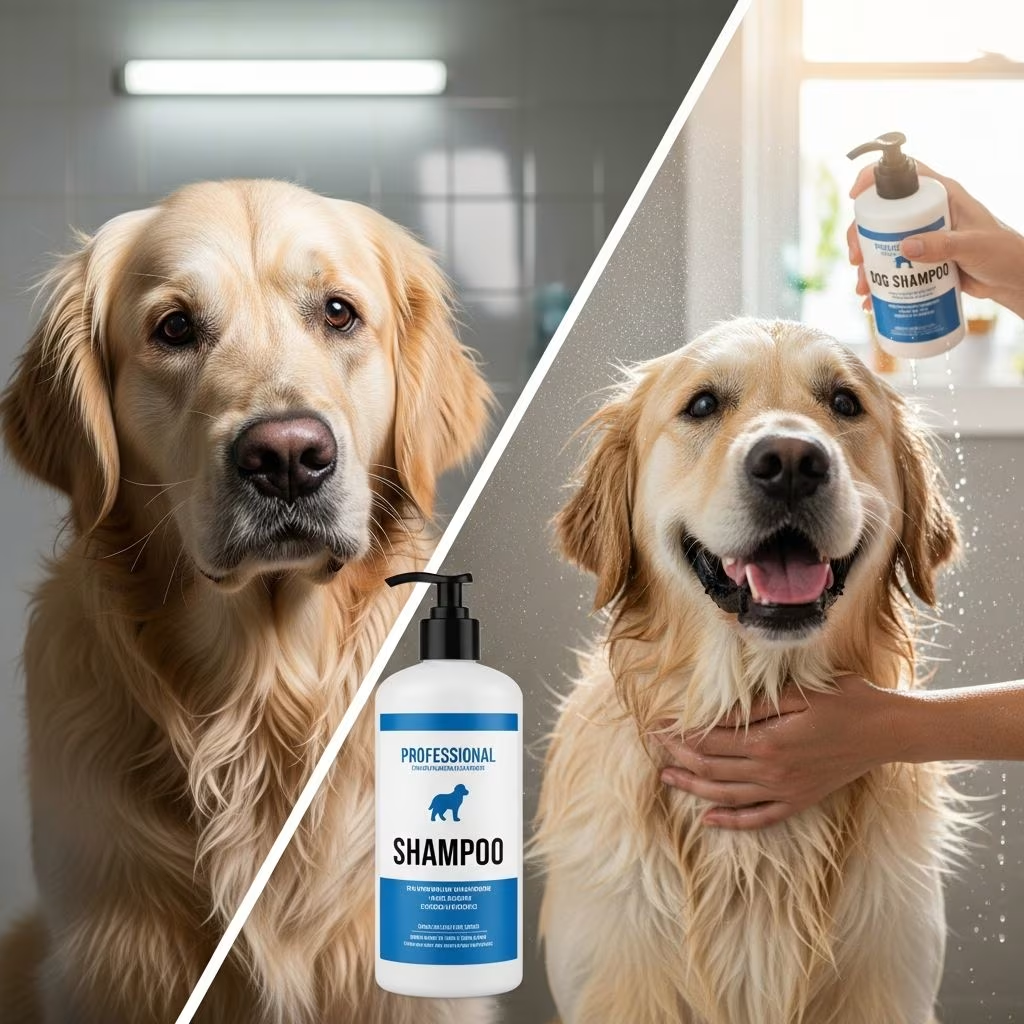
Dogs require specialized grooming products because their skin differs significantly from human skin in structure, pH balance, and oil production. Using human shampoo can lead to serious health issues, making it essential to choose canine-formulated alternatives for safe bathing.
Fundamental Differences in Canine and Human Skin
The skin serves as the body’s primary barrier against environmental threats, and its health relies on maintaining a precise chemical balance. Human skin maintains a pH of approximately 5.5 to 5.7, which is mildly acidic to support our thicker epidermis and sebaceous glands that produce oils suited to our needs.
In contrast, dog skin has a pH range of 6.2 to 7.4, closer to neutral. This higher pH accommodates their thinner skin, higher density of hair follicles, and unique microbiome that protects against pathogens. Dogs also produce different sebum types, essential for waterproofing their coat and regulating body temperature.
These biological variances mean products designed for humans disrupt a dog’s natural defenses. Veterinary experts emphasize that ignoring these differences invites avoidable complications during routine care.
Immediate Health Risks from Human Shampoos
Applying human shampoo triggers rapid negative reactions due to its formulation. Harsh detergents and surfactants strip away protective oils, leaving skin exposed and uncomfortable.
- Irritation and Redness: The acidic nature causes inflammation, leading to redness and persistent itching that prompts excessive scratching.
- Dryness and Flaking: Natural moisture barriers erode, resulting in brittle skin and a dull coat prone to dandruff-like flakes.
- Eye Discomfort: Unlike tear-free pet formulas, human products sting on contact, potentially causing corneal damage or infections.
Owners often notice these signs within hours, as dogs rub against surfaces or lick affected areas excessively. Prompt intervention prevents escalation, but repeated exposure compounds damage.
Long-Term Consequences for Your Dog’s Well-Being
Chronic use of inappropriate shampoos erodes the skin’s acid mantle, the thin protective layer that wards off bacteria, fungi, and parasites. Over time, this vulnerability manifests in severe conditions.
| Problem | Symptoms | Potential Complications |
|---|---|---|
| Hot Spots | Moist, inflamed patches | Bacterial infections requiring antibiotics |
| Allergic Reactions | Rashes, hives, swelling | Anaphylaxis in sensitive breeds |
| Excessive Shedding | Thinning fur, bald spots | Chronic dermatitis |
| Infections | Foul odor, pus | Systemic illness if untreated |
Disrupted oil production leads to overbathing cycles, where owners wash more frequently to combat odors, worsening the cycle. Veterinary dermatologists report increased cases of yeast overgrowth and folliculitis linked to improper grooming. Long-term, weakened skin immunity heightens susceptibility to environmental allergens and parasites.
Why pH Balance Matters in Pet Grooming
pH, or potential of hydrogen, quantifies acidity or alkalinity on a scale from 0 to 14. Optimal skin pH preserves the microbiome—beneficial bacteria that outcompete harmful ones.
- Human shampoos (pH 5.5) acidify dog skin, killing good bacteria and allowing pathogens to thrive.
- Dog-specific shampoos match the 6.2-7.4 range, preserving this ecosystem.
Research from veterinary sources confirms that pH mismatches alter skin barrier function, increasing transepidermal water loss by up to 20-30% and elevating infection risk. Maintaining balance ensures resilience against daily exposures like pollen or dirt.
Identifying the Best Dog Shampoos
Selecting the right product involves considering your dog’s breed, coat type, and health needs. Look for labels indicating “pH-balanced for dogs” and avoid those with sulfates, parabens, or artificial fragrances.
- For Sensitive Skin: Hypoallergenic, oatmeal-based formulas soothe irritation without stripping oils.
- For Fleas/Ticks: Medicated options with natural insecticides like neem or pyrethrin.
- For Dry Coats: Moisturizing shampoos with aloe vera or coconut oil.
- For Puppies: Extra-mild, tear-free varieties.
Brands endorsed by organizations like the American Kennel Club prioritize gentle cleansing agents. Always patch-test new products on a small area.
Step-by-Step Guide to Safe Dog Bathing
Proper technique maximizes benefits and minimizes stress. Frequency varies: short-haired breeds every 4-6 weeks; long-haired every 2-4 weeks, or as needed for odor/dirt.
- Prepare Supplies: Lukewarm water (100-102°F), dog brush, towel, and shampoo.
- Brush First: Remove loose fur and mats to ensure even cleaning.
- Wet Thoroughly: Soak from neck down, avoiding ears and eyes.
- Lather Gently: Use 1-2 teaspoons, massage for 5 minutes, then rinse completely.
- Condition if Needed: Apply rinse-out conditioner for tangles.
- Dry Properly: Towel dry, then air dry or low-heat blow dry.
Avoid hot water, which opens pores and dries skin. Post-bath, limit exposure to cold drafts.
Breed-Specific Grooming Considerations
Different breeds have unique needs influenced by coat texture and skin thickness.
- Double-Coated (e.g., Huskies): Infrequent baths preserve insulating undercoat; use clarifying shampoos sparingly.
- Single-Coated (e.g., Poodles): Regular washing prevents matting; moisturizing formulas essential.
- Wrinkle-Faced (e.g., Bulldogs): Focus on gentle cleaners to avoid fold infections.
- Water Breeds (e.g., Labradors): Quick-drying products reduce chill risk.
Tailor routines to lifestyle—active outdoor dogs may need more frequent care.
FAQs: Common Questions on Dog Bathing
Is baby shampoo okay for dogs in a pinch?
Baby shampoo is milder but still too acidic (pH ~5.5). Use only once; switch to dog products immediately.
How often should I bathe my dog?
Every 4-8 weeks unless soiled. Overbathing strips oils, causing issues.
What if my dog hates baths?
Use positive reinforcement, non-slip mats, and waterless shampoos for touch-ups.
Can natural ingredients replace shampoo?
Vinegar rinses (1:1 water) balance pH temporarily, but not for full cleanses.
Does diet affect coat health?
Yes—omega-3 supplements improve skin barrier function alongside proper grooming.
Preventive Tips for Lifelong Skin Health
Beyond shampoo choice, holistic care sustains vitality. Regular brushing distributes oils, while diet rich in fatty acids supports sebum production. Monitor for changes like sudden itching, signaling allergies or parasites. Annual vet check-ups catch issues early.
Investing in quality grooming yields a happier, healthier companion. Prioritize education on canine biology to avoid common pitfalls.
References
- Why Using Human Shampoo on Dogs Is a Bad Idea — ST ARGO. 2023. https://st-argo.com/blogs/our-advice/experts-guide-the-proper-way-to-wash-your-dog
- The Dangers of Using Human Shampoo on Pets — Dirty Dog Self Serve Dog Wash. 2023. https://dirtydogselfservedogwash.com/dirty-dog-blog/dog-health/pet-shampoo-safety
- PetMD: Can You Use Human Shampoo on Dogs? — PetMD (Veterinary source). 2024. https://www.petmd.com/dog/general-health/can-you-use-human-shampoos-on-dogs
- Can You Use Human Shampoo on Dogs? — AKC (American Kennel Club). 2023. https://www.akc.org/expert-advice/health/human-shampoo-on-dogs/
- True or False: It’s okay to use human shampoos on pets — VCA Animal Hospitals (Veterinary chain). 2023. https://vcahospitals.com/resources/lifestyle-dog/supplies/true-or-false-it-s-okay-to-use-human-shampoo-on-pets
- Can You Use Human Shampoo on Dogs? — Purina. 2024. https://www.purina.com/articles/dog/health/routine-care/can-you-use-human-shampoo-on-dogs



