
Human Painkillers Poisoning Pets: Vet Guide To Emergencies
Discover why common human pain relievers like NSAIDs and acetaminophen can turn deadly for dogs, cats, and other animals, and learn vital prevention tips.
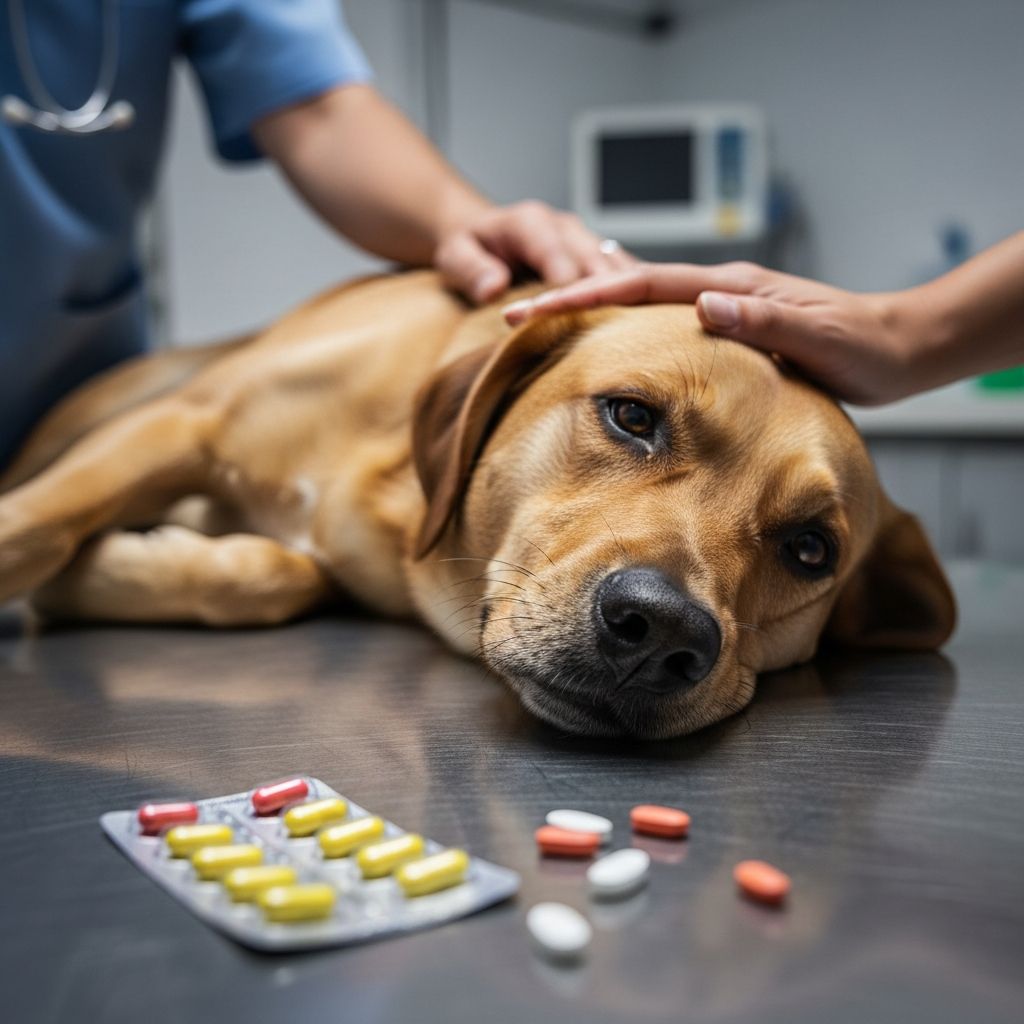
Every year, countless pets suffer from accidental exposure to human pain medications, leading to emergency veterinary visits and sometimes fatal outcomes. Dog and cat owners often administer over-the-counter drugs like ibuprofen or acetaminophen in misguided attempts to alleviate discomfort, unaware of the species-specific toxicities these substances carry. This comprehensive guide delves into the mechanisms, clinical manifestations, and management strategies for these common toxicoses, drawing from veterinary toxicology principles to equip pet guardians with life-saving knowledge.
Why Pets Are Vulnerable to Human Medications
Animals metabolize drugs differently from humans due to variations in liver enzymes, kidney function, and gastrointestinal physiology. Cats, for instance, lack efficient glucuronidation pathways, making them particularly susceptible to certain analgesics. Dogs, while more tolerant to some compounds, can still develop severe gastrointestinal ulcers or renal failure from routine human doses. Ferrets, birds, and small mammals face similar perils, with exposure often stemming from curious chewing or owner error.
Statistics from animal poison control centers highlight dogs as the primary victims, followed by cats. Early intervention dramatically improves prognosis, underscoring the need for rapid recognition of symptoms like vomiting, lethargy, or abdominal pain.
Non-Steroidal Anti-Inflammatory Drugs: The Most Common Culprits
NSAIDs such as ibuprofen, naproxen, aspirin, and less common ones like celecoxib or diclofenac inhibit cyclooxygenase enzymes, disrupting prostaglandin synthesis essential for gastric mucosal protection, renal blood flow, and platelet function. In pets, this leads to a cascade of issues including ulceration, hemorrhage, and organ failure.
Ibuprofen Toxicity
Dogs experience gastrointestinal upset at doses exceeding 25 mg/kg, with renal damage emerging around 175-300 mg/kg. Higher intakes over 400 mg/kg provoke central nervous system disturbances like seizures and ataxia. Cats succumb at roughly half these thresholds due to deficient metabolism.
- Early signs: Vomiting, diarrhea, loss of appetite.
- Progressive effects: Melena (dark, tarry stools), pale gums, weakness.
- Severe outcomes: Acute kidney injury, coma.
Treatment involves decontamination with emetics or activated charcoal, fluid therapy to support kidneys, and gastroprotectants like sucralfate. Proton pump inhibitors such as omeprazole mitigate ulceration.
Aspirin and Its Gastrointestinal Ravages
Aspirin, or acetylsalicylic acid, erodes the stomach lining even at therapeutic levels in dogs (25 mg/kg every 8 hours), causing erosions in 50% of cases within days. Chronic dosing at 35-50 mg/kg leads to ulcers in weeks, while acute overdoses above 450 mg/kg induce hyperthermia, panting, and neurological crises. Cats tolerate it poorly, with rapid onset of acidosis and coagulopathies.
| Species | Toxic Dose (mg/kg) | Primary Effects |
|---|---|---|
| Dogs | 100-300 chronic; 450+ acute | GI ulcers, hyperthermia, seizures |
| Cats | Lower tolerance | Acidosis, mucosal bleeding |
Other NSAIDs: Naproxen and Beyond
Naproxen proves especially nephrotoxic, with doses over 5-10 mg/kg causing vomiting and renal shutdown. Piroxicam and indomethacin, though rarer, inflict similar GI and renal insults.
Acetaminophen: A Silent Threat to Cats and Dogs
Acetaminophen (paracetamol) metabolizes into toxic metabolites that deplete glutathione, leading to methemoglobinemia, hepatic necrosis, and hemolysis. Cats are hypersensitive due to sluggish glucuronidation; toxicosis strikes at 10-40 mg/kg. Dogs require over 100 mg/kg for initial signs, but repeated low doses accumulate damage.
Symptoms in dogs include icterus (jaundice), facial/paw edema, tachycardia, and trembling. Cats exhibit rapid cyanosis, dyspnea, and liver failure. Immediate administration of N-acetylcysteine replenishes glutathione, alongside blood transfusions for anemia and supportive care.
Opioids and Tramadol: Central Nervous System Disruptors
Tramadol, a synthetic opioid with serotonin/norepinephrine reuptake inhibition, enjoys off-label use in veterinary medicine but poses overdose risks. Dogs clear it faster than cats, necessitating adjusted dosing. Toxicity manifests as sedation, vomiting, seizures, and behavioral changes. When combined with acetaminophen, dual toxicoses compound dangers.
Veterinary opioids like those in multimodal analgesia require caution; alpha-2 agonists (e.g., dexmedetomidine) cause cardiovascular depression if overdosed.
Gabapentin and Gabapentinoids: Sedation Overload
Gabapentin, used for neuropathic pain, binds calcium channels to quell hyperalgesia. While no defined toxic dose exists for pets, high therapeutic levels induce profound lethargy, ataxia, and vomiting—mirroring human overdose signs like hypotension and tachycardia.
Recognition and Emergency Response
Pet owners must act swiftly upon suspecting ingestion:
- Prevent further exposure: Remove access to the drug.
- Collect product details: Name, strength, amount ingested.
- Contact a vet or poison hotline immediately—do not induce vomiting without guidance.
- Monitor for dehydration, bleeding, or neurological changes.
Decontamination peaks efficacy within 1-2 hours; activated charcoal binds remaining toxin. Diagnostics include bloodwork for renal/hepatic panels, coagulation profiles, and urinalysis.
Veterinary-Safe Pain Management Alternatives
Instead of human drugs, veterinarians prescribe species-specific analgesics:
- NSAIDs: Carprofen, meloxicam (dogs); robenacoxib (cats).
- Opioids: Buprenorphine, fentanyl patches.
- Others: Gabapentin, alpha-2 agonists in controlled settings.
Multimodal approaches combining these minimize doses and side effects, enhancing recovery perioperatively.
Prevention Strategies for Pet Owners
Education is paramount:
- Store medications securely, out of paw reach.
- Never medicate without veterinary approval.
- Recognize pain signs: Limping, whining, reluctance to move.
- Use pill-proof containers for multi-pet homes.
Frequently Asked Questions
What should I do if my dog ate ibuprofen?
Call your vet or poison control urgently. Provide dose details for tailored decontamination and supportive therapy.
Can cats have aspirin?
Absolutely not; even small amounts risk fatal acidosis and ulceration.
How long do symptoms take to appear after NSAID ingestion?
GI signs within hours; renal effects in 24-48 hours.
Are there safe human painkillers for pets?
No; always consult a vet for pet-formulated options.
Long-Term Prognosis and Research Insights
With prompt care, most cases resolve favorably, though chronic kidney disease may linger post-NSAID exposure. Ongoing research refines antidotes and metabolism studies, emphasizing multimodal analgesia to curb reliance on single agents.
Pet owners play a crucial role in prevention, ensuring analgesics remain a human privilege.
References
- Analgesics Used in Animals — MSD Veterinary Manual. 2023. https://www.msdvetmanual.com/therapeutics/pain-assessment-and-management/analgesics-used-in-animals
- Toxicoses From Human Analgesics in Animals — Merck Veterinary Manual. 2023. https://www.merckvetmanual.com/toxicology/toxicoses-from-human-analgesics/toxicoses-from-human-analgesics-in-animals
- Poisoning of Dogs by Human Analgesics, Antipyretics — Folia Veterinaria. 2024-10-15. https://reference-global.com/download/article/10.2478/fv-2024-0038.pdf
- Exploring the Confluence of Animal Medicine — PMC (NCBI). 2024. https://pmc.ncbi.nlm.nih.gov/articles/PMC12172238/
- Get the Facts about Pain Relievers for Pets — FDA.gov. 2023-05-01. https://www.fda.gov/animal-veterinary/animal-health-literacy/get-facts-about-pain-relievers-pets
- Be Careful Giving Human Medication to Animals — ANSES.fr. 2022. http://www.anses.fr/en/content/be-careful-giving-human-medication-animal
Similar Articles








Read full bio of Sneha Tete


