
Human Pain Meds: Safe for Pets?
Discover why common human painkillers like ibuprofen and acetaminophen can poison dogs and cats, and learn safer alternatives from vets.
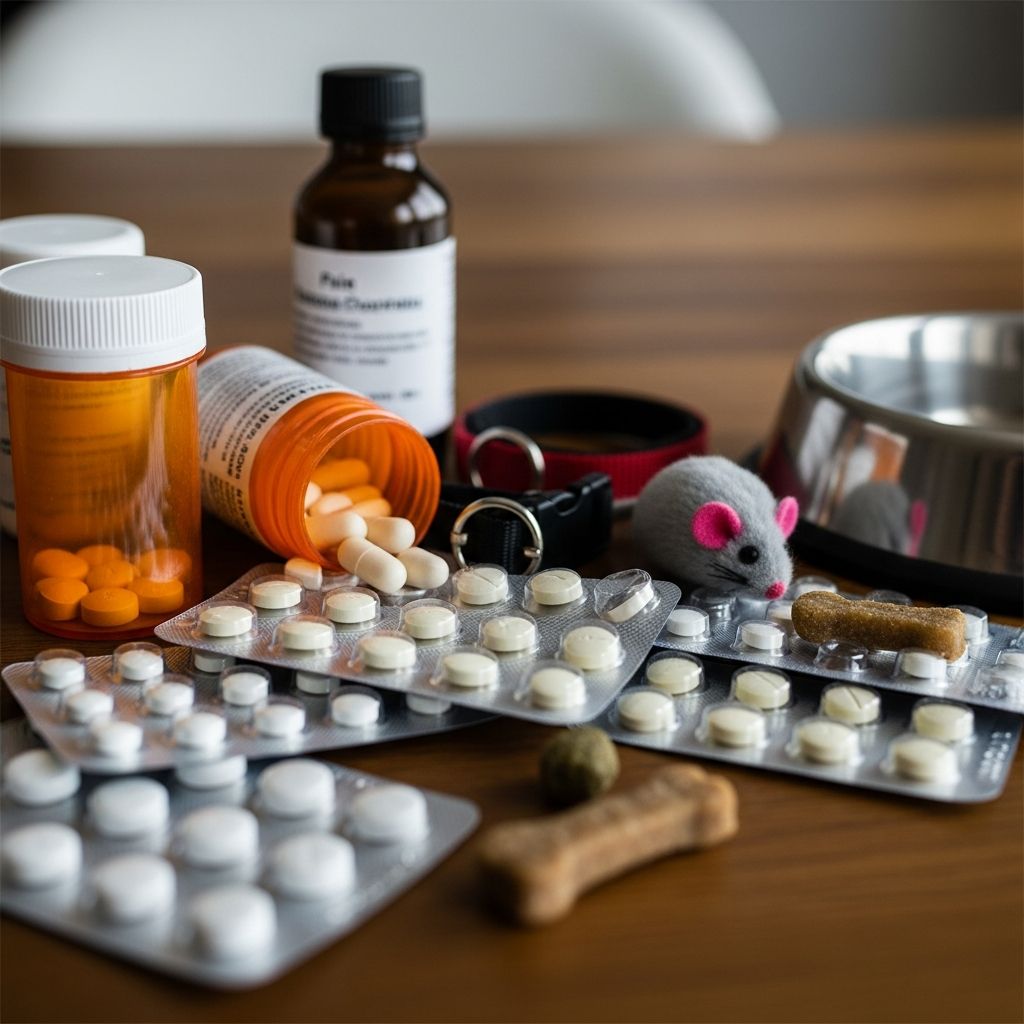
Pet owners often face heartbreaking moments when their dogs or cats show signs of discomfort, like limping or whining. In a rush to help, many reach for their own medicine cabinet, assuming over-the-counter pain relievers will provide quick relief. However, this well-intentioned act can lead to severe toxicity, organ failure, or even death. Dogs and cats metabolize drugs differently from humans, making common painkillers like ibuprofen and acetaminophen dangerously potent for them.
The Hidden Dangers in Your Medicine Cabinet
Household pain medications top the list of pet toxins reported to poison control centers. Non-steroidal anti-inflammatory drugs (NSAIDs), such as ibuprofen (found in Advil and Motrin) and naproxen (Aleve), are designed to reduce pain, fever, and swelling in people. But in pets, even a single pill can trigger gastrointestinal ulcers, bleeding, and acute kidney failure. Cats and small mammals like ferrets face amplified risks due to their size and slower drug clearance.
Acetaminophen (Tylenol) poses another major threat. Safe for humans and children, it ravages feline red blood cells, impairing oxygen transport and causing methemoglobinemia—a condition where blood turns chocolate-brown and fails to function. In dogs, it induces liver damage, with symptoms escalating to failure in high doses. Veterinary experts emphasize that no pet should receive these without professional guidance, as their bodies lack the enzymes to break them down safely.
Why Pets Can’t Handle Human Dosages
The physiology of dogs and cats differs fundamentally from ours. Human drugs may linger longer in their systems, absorb more rapidly, or reach toxic blood levels. For instance, NSAIDs inhibit protective stomach prostaglandins in pets more aggressively, leading to ulcers. Cats, being strict carnivores, possess limited glucuronyl transferase—an enzyme crucial for acetaminophen detoxification—making even tiny amounts lethal.
Body size exacerbates the issue. A 10-pound cat ingesting one 200mg ibuprofen tablet exceeds a fatal dose, while dogs under 20 pounds risk similar catastrophe from accidental access. Repeated exposure, even at low levels, compounds damage, as seen in cases where owners dosed pets thinking ‘a little won’t hurt’.
Symptoms of Pain Med Toxicity: Act Fast
Recognizing poisoning early can save lives. Initial signs include vomiting (often bloody), diarrhea, lethargy, and abdominal pain. As kidneys falter, pets show increased thirst, reduced urination, and weakness. Acetaminophen toxicity brings unique red flags: pale or blue gums, rapid breathing, and tremors in cats; jaundice and swelling in dogs.
- Gastrointestinal distress: Vomiting, black tarry stools indicating ulcers
- Neurological effects: Stumbling, seizures from secondary impacts
- Organ failure signs: Excessive drinking, collapse, coma
If suspected, rush to an emergency vet—do not wait. Treatments like induced vomiting, activated charcoal, IV fluids, and organ-support drugs can mitigate damage if administered promptly. Delays often result in irreversible harm.
Common Culprits Beyond Basic Painkillers
Pain relief isn’t limited to NSAIDs and acetaminophen. Aspirin, another NSAID, thins blood excessively in pets, promoting bleeding ulcers. Opioids like oxycodone cause respiratory depression, sedation, and coma when misused. Even ‘safe’ combos in cold meds, like decongestants with pain relievers, spike heart rates and blood pressure.
| Medication Type | Examples | Pet Risks | Affected Species |
|---|---|---|---|
| NSAIDs | Ibuprofen, Naproxen, Aspirin | Ulcers, Kidney Failure | Dogs, Cats, Small Mammals |
| Acetaminophen | Tylenol | Liver Damage, Anemia | Cats (Worst), Dogs |
| Opioids | Oxycodone, Hydrocodone | Breathing Slowdown, Coma | Dogs, Cats |
| Decongestants | Pseudoephedrine | Heart Issues, Tremors | Dogs Primarily |
Veterinary-Approved Pain Management Options
Fortunately, safer alternatives exist. Vets prescribe pet-specific NSAIDs like carprofen (Rimadyl) or meloxicam for dogs, with strict dosing to avoid repeats. For cats, options are limited—robenacoxib (Onsior) for short-term use, as multiples risk kidney issues. Gabapentin aids nerve pain, while buprenorphine offers potent relief without GI havoc.
Non-drug therapies complement meds: rest, cold/heat packs, acupuncture, laser therapy, and joint supplements like glucosamine. Always consult a vet for tailored plans, considering age, weight, breed, and health history.
Prevention: Securing Your Home and Habits
Curiosity drives pets to counters and shelves—dogs sniff pills, cats bat them down. Store meds in locked cabinets, use child-proof containers, and dispose of extras safely. Educate family: no sharing, even for ‘mild’ pain.
- Lock cabinets and use pill organizers out of reach.
- Carry pet meds separately from human ones.
- Post reminders: ‘Pets can’t take my pills.’
- Report exposures to vet or poison hotline immediately.
Travel tip: Pack only vet-prescribed pain relief, labeled clearly.
Real-Life Lessons from Vet Clinics
Cases abound: A dog comatose from stolen ibuprofen, trembling and unresponsive. Cats succumbing to Tylenol meant for headaches. These underscore: Human relief ≠ pet relief. Vets stress professional assessment over guesswork.
FAQs: Pet Pain Med Myths Busted
Q: Can I give my dog baby aspirin?
A: Rarely safe; vets may use buffered aspirin short-term, but human versions risk overdose. Consult first.
Q: What if my cat ate one Tylenol?
A: Seek emergency care immediately—even fragments cause damage.
Q: Are there OTC options for pets?
A: No reliable ones; veterinary products only.
Q: How do I know if my pet is in pain?
A: Watch for limping, hiding, appetite loss. Vet exams pinpoint causes.
Q: What’s the vet cost for safe pain relief?
A: Varies; consults start low, preventing costly tox crises.
Empowering Pet Owners for Safer Care
Knowledge guards against tragedy. Prioritize vet visits for pain signals, embrace species-specific treatments, and fortify your home. Your pet’s trust deserves this vigilance—pain managed right keeps tails wagging.
References
- Human Medication Hazards for Pets — Oregon Veterinary Medical Association. Accessed 2026. https://www.oregonvma.org/care-health/companion-animals/health-safety/human-medication-hazards-for-pets
- Human pain relievers are toxic to dogs and cats — Cornell University Veterinary Specialists. Accessed 2026. https://www.cuvs.org/blog/human_pain_relievers_are_toxic_dogs_and_cats
- Human Medications Not for Pets — University of Illinois College of Veterinary Medicine. Accessed 2026. https://vetmed.illinois.edu/pet-health-columns/keep-human-medications-away-from-pets/
- Get the Facts about Pain Relievers for Pets — U.S. Food and Drug Administration (FDA). Accessed 2026. https://www.fda.gov/animal-veterinary/animal-health-literacy/get-facts-about-pain-relievers-pets
- 10 Human Medications That Are Toxic to Pets — Urgent Pet Care Omaha. Accessed 2026. https://urgentpetcareomaha.com/10-human-medications-that-are-toxic-to-pets/
Similar Articles








Read full bio of medha deb


