

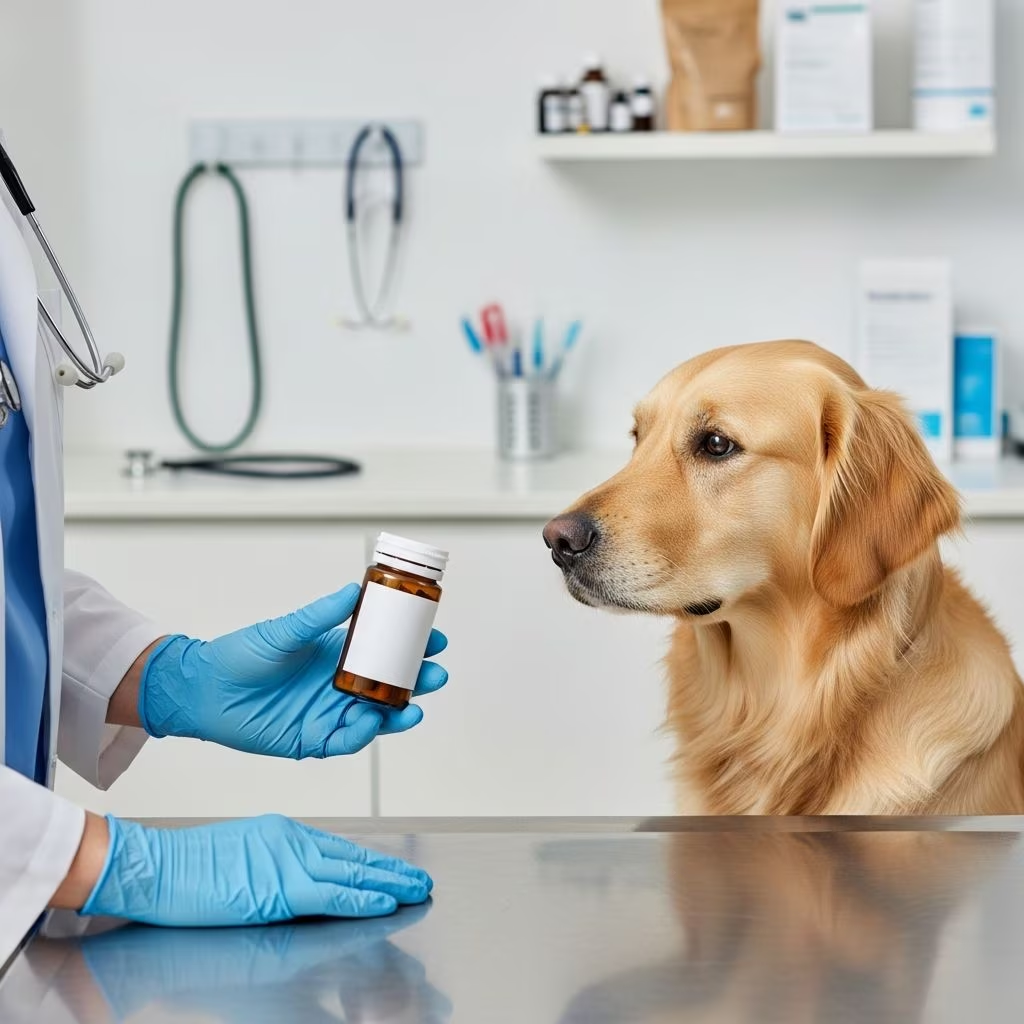
Pet owners often face dilemmas when their furry companions show signs of discomfort, allergies, or digestive issues. While veterinary-specific treatments are ideal, certain over-the-counter human medications can be safely used under professional guidance. This guide outlines vet-approved options, highlights dangerous alternatives, and stresses the importance of consulting a veterinarian before administration.
Why Pets Can’t Take Most Human Drugs
Animals metabolize medications differently from humans due to variations in liver enzymes, kidney function, and body size. What relieves a person’s headache could trigger organ failure in a dog or cat. For instance, nonsteroidal anti-inflammatory drugs (NSAIDs) like ibuprofen and naproxen cause stomach ulcers, kidney damage, and bleeding in pets, even in tiny doses. Acetaminophen, found in Tylenol, destroys red blood cells in cats and leads to liver toxicity in dogs.
Antidepressants, beta-blockers, and ADHD medications pose additional risks, causing seizures, heart issues, or hyperactivity. Always secure pills away from curious pets, as many are flavored and appealing.
Safe Antihistamines for Allergy Relief
Antihistamines top the list of vet-recommended human meds for managing pet allergies, itching, and motion sickness. They block histamine, reducing symptoms like sneezing and hives.
- Diphenhydramine (Benadryl): Commonly used for dogs and cats at 1-2 mg per pound of body weight every 8-12 hours. Avoid in pets with glaucoma, high blood pressure, or pregnancy.
- Cetirizine (Zyrtec): Effective for itchy skin in dogs; dose at 0.5 mg per pound once daily. Generally well-tolerated.
- Loratadine (Claritin): Suitable for allergy control in dogs; 0.2 mg per pound daily. Skip if the formula includes pseudoephedrine.
Monitor for drowsiness or hyperactivity, and confirm with your vet, as some pets react unpredictably.
Antacids and Stomach Settlers for Digestive Woes
Gastrointestinal upset is common in pets, and select antacids can provide quick relief when vet-approved.
| Medication | Pet Type | Typical Dose | Uses |
|---|---|---|---|
| Famotidine (Pepcid) | Dogs & Cats | 0.25-0.5 mg/lb, 1-2x daily | Acid reflux, ulcers |
| Omeprazole (Prilosec) | Dogs | 0.5-1 mg/lb daily | Stomach protection |
| Ranitidine (Zantac) | Dogs & Cats | 0.5-1 mg/lb, 2x daily | Heartburn, nausea |
These reduce stomach acid but aren’t suitable for all cases. Bismuth subsalicylate (Pepto-Bismol) is controversial—avoid due to aspirin-like effects that risk ulcers or diagnostic interference.
Pain Management: Proceed with Extreme Caution
Human painkillers are largely off-limits, but vets occasionally prescribe buffered aspirin for short-term use in dogs at 5-10 mg per pound every 12 hours. Never for cats. Modern alternatives like FDA-approved carprofen (Rimadyl) or grapiprant (Galliprant) are safer for arthritis or post-surgery pain. Opioids such as tramadol (for dogs with other meds) or buprenorphine (for pancreatitis) may be dispensed for home use.
Key Warning: Never self-dose pain meds; even vet-prescribed ones require monitoring for liver or kidney strain.
Eye and Respiratory Aids
- Artificial Tears/Saline Drops: Safe for dry eyes or debris removal in dogs and cats. Use preservative-free versions multiple times daily as needed.
- Cough Suppressants: Dextromethorphan-only formulations may be okay for dogs in low doses, but combinations with other drugs are risky.
For congestion, saline nasal drops help, but avoid decongestants like pseudoephedrine, which cause agitation or heart problems.
Anti-Diarrheal and Anti-Nausea Options
Lomotil (diphenoxylate with atropine) can control diarrhea in dogs at vet-directed doses, but use sparingly to avoid constipation. For nausea, ondansetron is sometimes prescribed, far superior to OTC remedies.
Dosage Essentials: Weight Matters
Pet dosing hinges on body weight, unlike human age-based guidelines. A 10-pound cat needs drastically less than a 50-pound dog. Factors like age, breed, and health conditions alter tolerances—puppies, seniors, and those with liver issues demand extra care.
Pro Tip: Use a gram scale for precision and track administration times.
When to Skip Human Meds Altogether
Opt for pet-formulated products for reliability. Examples include:
- Cerenia for nausea.
- Apoquel or Cytopoint for allergies.
- Gabapentin for neuropathic pain.
These minimize risks and interactions.
Emergency Signs of Medication Toxicity
Watch for vomiting, diarrhea, lethargy, seizures, yellow gums, or bloody stool. Induce vomiting only if advised (hydrogen peroxide at 1 tsp per 5 pounds for dogs), then rush to a vet or poison hotline.
FAQs
Can I give my dog Tylenol for pain?
No, acetaminophen risks liver failure and anemia. Use vet-prescribed NSAIDs instead.
Is Benadryl safe for cats with allergies?
Yes, at 1 mg per pound, but consult your vet first.
What if my pet ate human pills accidentally?
Contact a vet or ASPCA Poison Control immediately—do not wait for symptoms.
Are generic human meds okay for pets?
Usually, if the active ingredient matches and your vet approves the dose.
How do I store meds safely?
In locked cabinets, away from counter-surfers. Use child-proof containers.
Empowering pet owners with knowledge prevents tragedies. Always prioritize a veterinary consult—it’s the safest path to your companion’s well-being.
References
- Can I Give My Pet Human Medications? — HART For Animals. 2023. https://hartforanimals.org/pet-health-blog/can-i-give-my-pet-human-medications
- Human Medications Not for Pets — University of Illinois Veterinary Medicine. 2024-01-15. https://vetmed.illinois.edu/pet-health-columns/keep-human-medications-away-from-pets/
- Human Medications that are Safe for Sick Pets — Pet Wellness Clinics. 2023. https://petwellnessclinics.com/articles/human-medications-safe-for-sick-pets
- Which Over-the-Counter Human Medications are Safe for Dogs — PetMD. 2025-06-10. https://www.petmd.com/dog/general-health/which-over-counter-human-medications-are-safe-dogs
- Top 10 Human Medications That Poison Pets — i20 Animal Medical. 2024. https://www.i20animal.com/services/top-10-human-medications-that-poison-pets



