

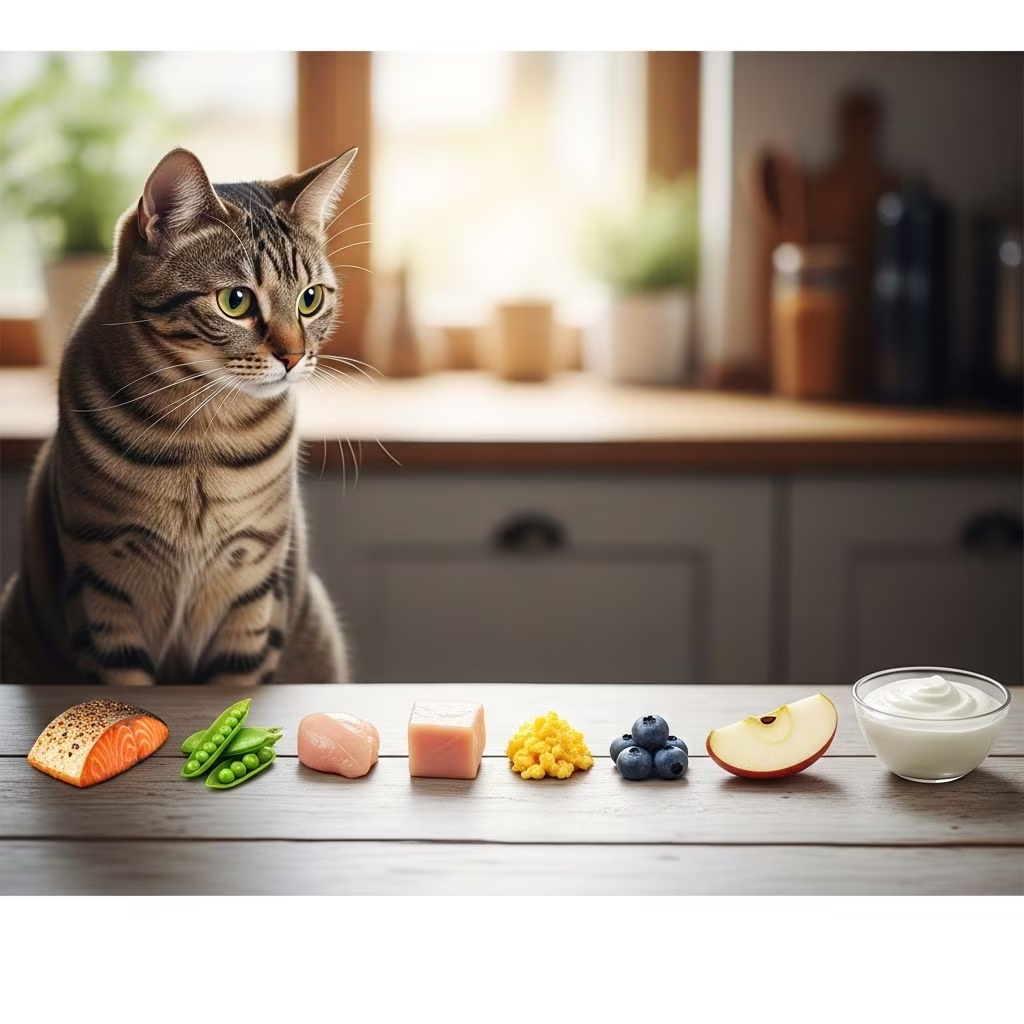
Human Foods Safe for Cats: A Complete Nutritional Guide
As a cat owner, you’ve likely wondered whether your feline companion can enjoy some of the foods from your dinner table. While cats are obligate carnivores with specific dietary needs, there are indeed several human foods that are safe and even beneficial for them when prepared correctly. This comprehensive guide explores which human foods your cat can safely consume, their nutritional benefits, and proper preparation methods to ensure your pet’s health and safety.
Protein-Rich Meats: The Foundation of Feline Nutrition
Cooked Chicken and Turkey
Cooked, unseasoned chicken and turkey are excellent protein sources for cats. These lean meats provide essential nutrients including vitamin B6, selenium, phosphorus, and Omega-6 fatty acids. Chicken is particularly popular in commercial cat food formulations because of its lower calorie content compared to beef while delivering substantial protein per ounce. When preparing chicken or turkey for your cat, ensure it is thoroughly cooked, free from bones, and contains no seasoning, salt, or spices that could upset their digestive system.
Cooked Beef
Cooked, unseasoned beef serves as a rich protein source and provides valuable vitamins A, B, and C. While beef offers excellent nutritional value, it contains more calories than chicken, so portion control is important. Always remove any bones and avoid feeding your cat raw beef, as it may contain harmful bacteria such as salmonella, E. coli, or listeria.
Fish and Seafood
Fish is a well-known feline favorite. Cooked fish such as salmon, tuna, and sardines provide excellent sources of protein and Omega-3 fatty acids, which support overall cat health. These fatty acids are particularly beneficial for maintaining healthy skin and coat quality. However, never feed your cat raw fish, as it may contain parasites and harmful bacteria. Additionally, while cooked fish is safe, it should not become the primary protein source in your cat’s diet due to potential thiamine deficiency from prolonged consumption. Other cooked lean meats including liver and lamb are also safe options when properly prepared.
Nutrient-Dense Vegetables for Digestive Health
Green Beans
Steamed green beans are an excellent vegetable choice for cats. They provide fiber that can help regulate bowel movements and address both diarrhea and constipation. Green beans are also packed with calcium, potassium, and iron, making them nutritionally dense. Prepare them by steaming without salt, spices, or seasonings, and serve them soft to aid digestion.
Broccoli
Steamed or cooked broccoli is safe for most cats and offers significant health benefits. This cruciferous vegetable is packed with antioxidants that help reduce free radicals in your cat’s body. Broccoli also contains vitamin C, carotenoids, and dietary fiber. Additionally, broccoli can assist with regular bowel movements similar to green beans. Always serve broccoli cooked and in small portions, as some cats may find raw broccoli difficult to digest.
Peas
Cooked peas are starchy vegetables containing substantial fiber, making them beneficial for cats experiencing occasional constipation. Peas provide vitamin C, vitamin A, and potassium. If offering garden or snow peas, remove them from the pod first, as pea pods are not easily digestible. Always cook peas thoroughly before serving.
Carrots
Cooked carrots are a low-calorie treat rich in beta-carotene and fiber. Carrots support digestive health, vision, skin quality, and overall wellness. They can be served cooked and soft to prevent choking hazards. The crunchy texture of raw carrots can appeal to some cats, but cooked carrots are safer and easier to digest.
Other Safe Vegetables
Additional vegetables safe for cats in moderation include cucumber, which is hydrating with few calories and contains vitamins C and K. Spinach is nutrient-dense and full of iron, though it should be avoided for cats with urinary tract stone history or urinary concerns due to its oxalate content. Corn and zucchini are also safe options when cooked and prepared without seasonings.
Fruits: Sweet Treats for Feline Friends
Pumpkin
Cooked, pureed pumpkin is particularly valuable for digestive health. When fed in moderation, pumpkin helps with digestion and is especially beneficial for cats with constipation or diarrhea. Use plain canned or cooked pumpkin without added sugar or spices. The fiber content makes pumpkin an excellent supplementary food for digestive regulation.
Berries
Blueberries are high in antioxidants and safe to give whole or mashed as occasional treats. Strawberries are rich in vitamin C, fiber, and antioxidants, while raspberries are low in sugar and full of fiber, offering a tangy treat option. These berries provide nutritional benefits while being generally well-tolerated by most cats.
Melons
Cantaloupes are favorites among felines due to their tasty-smelling amino acids and are hydrating with vitamins A and C. Seedless watermelon is safe without the rind and seeds, and cats often enjoy its juicy texture, particularly during warm weather.
Other Safe Fruits
Apples (or unsweetened applesauce) provide fiber and vitamin C, while bananas, though high in potassium, should be offered rarely due to high sugar content. Always remove seeds from any fruit offered to prevent choking and toxicity risks.
Whole Grains: Energy and Nutrition
Like humans, cats can benefit from small amounts of whole grains in their diet. Oatmeal is particularly beneficial, offering energy-packed nutrients including B vitamins. Raw oatmeal is high in protein, healthy fats, and amino acids, helping sustain your cat’s energy without excessive simple carbohydrates. You can feed cooked oatmeal in moderation, prepared with water rather than milk to avoid digestive upset. Many common cat food brands include oats as an ingredient because of their nutritional profile.
Dairy Products: Limited Options for Lactose-Intolerant Cats
Most cats are lactose intolerant, making dairy products generally unsuitable. However, plain yogurt can be a safe dairy option for cats who tolerate it. A spoonful of unsweetened, unflavored yogurt may be offered occasionally. Always avoid yogurts with added sugar or artificial flavors and sweeteners, particularly xylitol, which is toxic to cats.
Foods to Avoid: Protecting Your Cat’s Health
While many human foods are safe, several are toxic or harmful to cats. Never feed your cat:
- Chocolate and caffeine-containing products
- Onions and garlic (toxic to feline red blood cells)
- Grapes and raisins (can cause kidney failure)
- Avocado (contains persin, toxic to cats)
- Raw dough containing yeast
- Foods containing xylitol artificial sweetener
- Raw fish and raw meat (risk of parasites and harmful bacteria)
- Excess salt and seasonings
- Bones that can splinter and cause injury
Safe Preparation Guidelines for Human Foods
When preparing human foods for your cat, follow these essential guidelines:
- Cook thoroughly: All meats and most vegetables should be cooked to eliminate bacteria such as salmonella, E. coli, and listeria
- Remove bones: All bones must be removed to prevent choking and intestinal blockage
- Avoid seasonings: Never add salt, spices, garlic, or onion to foods prepared for your cat
- Serve appropriate portions: Human foods should be treats comprising no more than 10% of daily caloric intake
- Cool before serving: Allow cooked foods to cool to appropriate temperatures
- Introduce gradually: Introduce new foods slowly to monitor for adverse reactions
- Puree when necessary: For older cats or those with dental issues, puree vegetables and soft foods
Nutritional Considerations for Obligate Carnivores
It’s crucial to remember that cats are obligate carnivores requiring nutrients from animal-based proteins. While vegetables, fruits, and grains can be beneficial supplements, they should never replace high-quality meat-based cat food. Any human foods offered should complement a complete and balanced commercial cat diet formulated to meet feline nutritional requirements. Consult your veterinarian before making significant dietary changes or introducing new foods, particularly for cats with existing health conditions.
Commercial Cat Food Products with Human-Grade Ingredients
If you’re interested in human-grade ingredients for your cat, several commercial options provide nutritious alternatives. Products like salmon and pollock toppers that are 100% human-grade with no artificial preservatives offer rich protein and hydration essential for kidney health. Minced chicken in bone broth gravies packed with niacin (vitamin B3) and vitamin A can strengthen your cat’s immune system. These products combine the appeal of human-grade ingredients with complete nutritional formulation suitable for cats.
Frequently Asked Questions
Q: Can cats eat raw vegetables?
A: While some raw vegetables like cucumber can be safe, most vegetables are better served cooked. Cooked vegetables are easier for cats to digest and reduce choking risks. Always introduce new foods gradually and in small portions.
Q: How much human food can I give my cat daily?
A: Human foods should comprise no more than 10% of your cat’s daily caloric intake. The remaining 90% should come from complete and balanced commercial cat food. Treats should be given sparingly to maintain proper nutrition and weight.
Q: Is tuna safe for cats to eat regularly?
A: While cooked tuna is safe occasionally, it shouldn’t be a regular diet staple. Frequent tuna consumption can lead to thiamine deficiency and mercury accumulation. Offer tuna as an occasional treat rather than a dietary staple.
Q: Can cats eat eggs?
A: Cooked eggs can be safe for cats and provide protein. However, they should be given occasionally and in small amounts. Always cook eggs thoroughly and avoid adding seasonings or butter.
Q: What should I do if my cat eats something toxic?
A: Contact your veterinarian or animal poison control immediately if your cat ingests toxic foods like chocolate, grapes, onions, or foods containing xylitol. Provide information about what was consumed and when.
Q: Are there any vegetables cats absolutely cannot eat?
A: Yes, avoid feeding cats onions, garlic, and foods in the allium family, as they’re toxic to feline red blood cells. Also avoid avocado, which contains persin. When in doubt, consult your veterinarian before introducing new foods.
Q: Can kittens eat the same human foods as adult cats?
A: Kittens should primarily eat kitten-formulated food to support growth and development. While some human foods are safe for kittens, introduce them cautiously and in very small portions. Consult your veterinarian about age-appropriate treats.
Conclusion: Balancing Nutrition and Enjoyment
Offering safe human foods can enrich your cat’s diet and strengthen your bond while providing valuable nutrients. By understanding which foods are safe, how to prepare them properly, and maintaining appropriate portion sizes, you can confidently share certain meals with your feline companion. Always prioritize high-quality commercial cat food as the foundation of your cat’s diet, and use human foods as occasional supplements. When introducing any new food, observe your cat for adverse reactions and consult your veterinarian with questions about your cat’s specific nutritional needs and health status.
References
- Human Foods for Cats to Enjoy, and What to Avoid — Pet Supplies Plus. https://www.petsuppliesplus.com/resources/learning-center/articles/cat-got-your-snack
- What Human Foods Can Cats Eat? — The Honest Kitchen. https://www.thehonestkitchen.com/blogs/pet-wellness/human-foods-cats-can-eat
- Top 11 Healthiest Human Foods That Cats Can Eat [Vet-Approved] — Sloop Vets. https://www.splootvets.com/post/top-10-healthiest-human-food-that-cats-can-eat
- What ‘Human Foods’ Are Safe for Cats? — PETA. https://www.peta.org/living/animal-companions/human-food-cats/
- Human Foods Cats and Dogs Can Eat and Foods to Avoid — MedVet. https://www.medvet.com/human-foods-cats-dogs-to-eat-and-avoid/
- List of Human Foods Cats Can And Can’t Eat — Pawlicy Advisor. https://www.pawlicy.com/blog/food-cats-can-and-cant-eat/



