

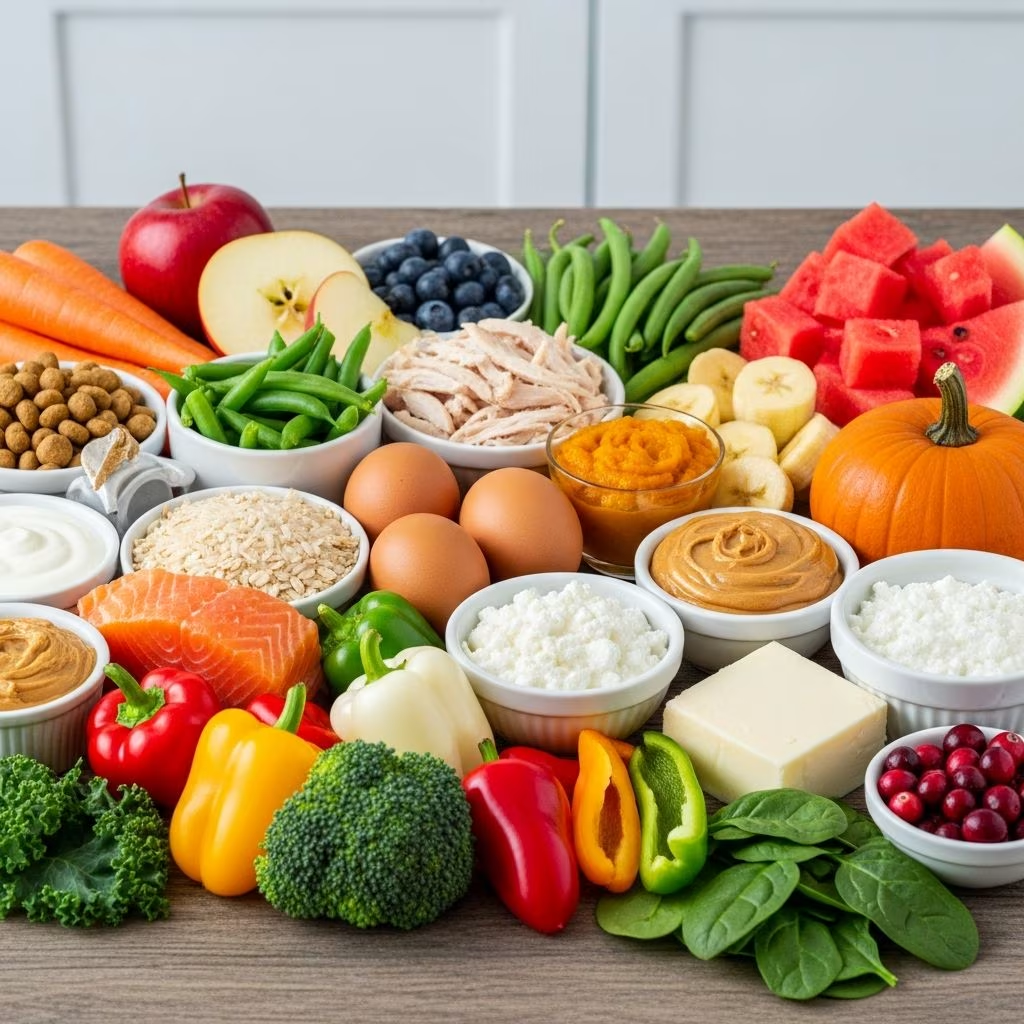
Dogs are cherished family members, and we naturally want to share our favorite foods with them. While many human foods are unsafe for dogs, a surprising variety are perfectly safe and can even provide nutritional benefits for your furry companion. Understanding which human foods are dog-friendly helps you treat your pup responsibly while keeping them healthy and happy.
Important Note: Before introducing any new food into your dog’s diet, always consult with your veterinarian to ensure it’s appropriate for your individual pet.
Fruits Your Dog Can Enjoy
Apples
Crunchy, sweet, and brimming with nutrients, apples are a dog-friendly fruit that many pups enjoy. These nutritious treats offer several benefits for canine health:
- Low in calories and rich in prebiotic fiber, which supports healthy digestion and gastrointestinal function
- May freshen your dog’s breath by helping remove odor-causing plaque and tartar from teeth
- Provide natural crunchiness that can promote dental health
Preparation Tip: Always remove the core and seeds before offering apples to your dog. Apple seeds contain compounds that can be toxic, and the core presents a choking hazard.
Bananas
Soft, naturally sweet, and packed with potassium, bananas make an excellent treat for dogs. They offer energy-boosting carbohydrates and are relatively low in calories, making them suitable for most dogs.
Blackberries
Naturally sweet with a slightly tart flavor, blackberries are tasty and nutritious additions to your dog’s diet:
- High in water content for helpful hydration
- Rich in fiber to support digestive health
- Low in calories, making them ideal for weight management programs
Blueberries
Another excellent dog-safe fruit, blueberries offer impressive nutritional benefits:
- Low in calories and high in fiber
- Rich in antioxidants, vitamins C and K
- Support your dog’s immune system function
- May help protect against age-related cognitive decline
Cranberries
These tart berries are packed with antioxidants and quercetin, a plant pigment that boosts immune system function. Important: Feed your dog fresh cranberries only. Dried and canned varieties are typically loaded with added sugar, which is not ideal for canine health.
Mango
Sweet and juicy, mango is high in fiber, proteins, antioxidants, and minerals beneficial to your dog’s health. Small amounts of mango may also help alleviate digestive issues, including upset tummies, diarrhea, and constipation. Always remove the pit before serving, and offer in moderation due to natural sugar content.
Vegetables Dogs Can Safely Consume
Broccoli
This cruciferous vegetable can be offered to dogs in small amounts. It contains vitamins and minerals but should be given sparingly as excessive amounts may cause digestive upset.
Corn
As a good source of carbohydrates and insoluble fiber, corn can be a nutritious addition to your dog’s balanced diet. Important considerations:
- Only feed plain corn without butter, salt, or pepper
- Remove corn from the cob before serving, as cobs present a serious choking hazard
- Offer corn in moderation as part of a balanced diet
Cucumbers
Low in calories and high in water content, cucumbers make refreshing treats for dogs, particularly on warm days. They’re excellent for hydration and contain beneficial vitamins and minerals.
Lettuce and Other Greens
While lettuce such as romaine is safe for dogs and provides some vitamins and fiber, better nutritional options exist. Common dog-safe lettuce varieties include:
- Arugula
- Butterhead (recommended for higher fiber content)
- Green leaf lettuce
- Iceberg (minimal nutritional value)
- Red leaf lettuce
- Romaine
While iceberg lettuce is not toxic, its high water content means minimal nutritional benefits. Excessive amounts of any lettuce variety can cause digestive issues.
Peas
Peas are a common ingredient in quality dog food for good reason. They provide comprehensive nutritional support:
- Packed with vitamins and minerals supporting vision, skin, digestion, and immune system
- Support heart and nerve function
- Low in calories and high in fiber
Important Note: Dogs with kidney problems should avoid peas due to their purine content.
Sweet Potatoes
Due to their stellar nutritional profile, sweet potatoes are common ingredients in premium dog foods and treats. Key benefits include:
- High in beta-carotene, an antioxidant supporting immune system, vision, and skin health
- Excellent source of digestion-boosting fiber
- Rich in vitamins and minerals essential for overall health
Preparation Method: Only serve plain, well-cooked sweet potatoes. Avoid raw sweet potatoes, which are tough to chew and can cause intestinal blockages. Never offer sweet potato fries or processed varieties containing garlic, oils, and added sugars.
Zucchini
High in antioxidants and fiber, zucchini makes a healthy, low-calorie treat for your pup. This nutritious vegetable is abundant in:
- Vitamins A, B6, C, and K
- Essential nutrients for vision, skin, coat, metabolism, and bone health
- Minimal calories, ideal for weight-conscious dogs
Preparation Tip: Raw zucchini can be difficult for dogs to digest. It’s best to serve it cooked to maximize digestibility and nutritional absorption.
Proteins and Other Treats
Peanut Butter
This creamy spread is an excellent source of protein and healthy fats for dogs. Additional benefits include:
- Good source of vitamin B6 and niacin
- Vital nutrients supporting enzyme and nervous system function
- High palatability, making it an effective training treat
Critical Warning: When buying peanut butter, carefully read the ingredients list and avoid any containing xylitol, a sugar substitute that is highly toxic to dogs. Even small amounts can cause serious health complications including liver failure and low blood sugar.
Popcorn
Treating your dog to a few pieces of plain, air-popped popcorn is a safe treat high in fiber. Important restrictions:
- Avoid butter-flavored microwave popcorn, which contains diacetyl, an artificial butter flavoring potentially harmful to dogs
- Never offer popcorn with salt, caramel, or other seasonings
- Ensure all kernels are popped to prevent dental damage
Foods to Avoid: Toxic Foods for Dogs
While many human foods are safe, certain items are dangerous or toxic for dogs. Understanding which foods to avoid is crucial for your pet’s safety:
- Alcohol: Causes intoxication and serious health complications
- Avocados: Contain persin, which can cause digestive upset
- Chocolate, Coffee, and Caffeine: Contain theobromine, toxic to dogs
- Corn on the Cob: Presents severe choking and obstruction hazard
- Grapes and Raisins: Can cause kidney failure
- Onions, Garlic, Chives, and Leeks: Damage red blood cells and cause anemia
- Stone Fruits (Cherries, Plums, Apricots, Peaches): Pits contain cyanide and present choking hazards
- Xylitol: Causes dangerous drops in blood sugar and liver damage
Safe Feeding Guidelines
When introducing human foods to your dog’s diet, follow these essential guidelines:
- Proportion Rule: Human foods and treats should comprise no more than 10% of your dog’s daily calories. The remaining 90% should come from a vet-recommended dog food
- Portion Control: Start with small amounts to assess tolerance and prevent digestive upset
- Preparation: Remove harmful parts (seeds, pits, cores) and cook when necessary
- Seasonings: Never add salt, sugar, spices, or oils
- Veterinary Consultation: Always check with your veterinarian before introducing new foods, especially for dogs with health conditions
Frequently Asked Questions About Human Foods for Dogs
Q: Can dogs eat raw vegetables?
A: Many raw vegetables are safe, including carrots and cucumbers. However, some like raw sweet potatoes are difficult to digest and should be cooked. Always monitor your dog for choking hazards.
Q: What should I do if my dog eats something toxic?
A: Contact your veterinarian or an animal poison control center immediately. Provide information about what was eaten and how much. Time is critical in cases of toxicity.
Q: Can senior dogs eat human foods?
A: Yes, but senior dogs may have specific dietary needs and health conditions. Consult your veterinarian to ensure human foods won’t interfere with medications or health management.
Q: Are there human foods that help with dog breath?
A: Yes, crunchy fruits and vegetables like apples and carrots can help freshen breath by reducing plaque buildup. However, these cannot replace regular dental care and professional cleanings.
Q: How often can I give my dog human food treats?
A: Human food treats can be offered daily as long as they stay within the 10% daily calorie limit. The remaining 90% of calories should come from balanced commercial dog food.
Q: Can dogs with allergies eat human foods?
A: Dogs with food allergies require careful food selection. Consult your veterinarian before introducing any new foods, including human foods, to prevent allergic reactions.
Conclusion
Sharing human foods with your dog can strengthen your bond while providing nutritional benefits when done responsibly. The 23 foods listed in this guide—from apples and blueberries to sweet potatoes and zucchini—offer vitamins, minerals, fiber, and other nutrients that complement a balanced diet. By following proper preparation methods, adhering to portion guidelines, and consulting with your veterinarian, you can safely introduce these foods into your dog’s diet. Remember that these treats should never replace high-quality commercial dog food, which provides complete and balanced nutrition specifically formulated for canine health. Always prioritize your dog’s safety and well-being by avoiding toxic foods and maintaining appropriate feeding proportions.
References
- 23 Human Foods Dogs Can Eat, From Apples to Zucchinis — Chewy. 2024. https://www.chewy.com/education/dog/food-and-nutrition/human-foods-dogs-can-eat
- What Can Dogs Not Eat? 14 Toxic Foods for Dogs — Chewy. 2024. https://www.chewy.com/education/dog/food-and-nutrition/what-can-dogs-not-eat
- Can Dogs Eat Sweet Potatoes? — Chewy. 2024. https://www.chewy.com/education/dog/food-and-nutrition/can-dogs-eat-sweet-potatoes
- Can Dogs Eat Lettuce? — Chewy. 2024. https://www.chewy.com/education/dog/food-and-nutrition/can-dogs-eat-lettuce
- Can Dogs Eat Yogurt? — Chewy. 2024. https://www.chewy.com/education/dog/food-and-nutrition/can-dogs-eat-yogurt



