7 Human Food Trends Pets Love Too
Discover 7 popular human food trends your dog can safely enjoy as healthy treats.
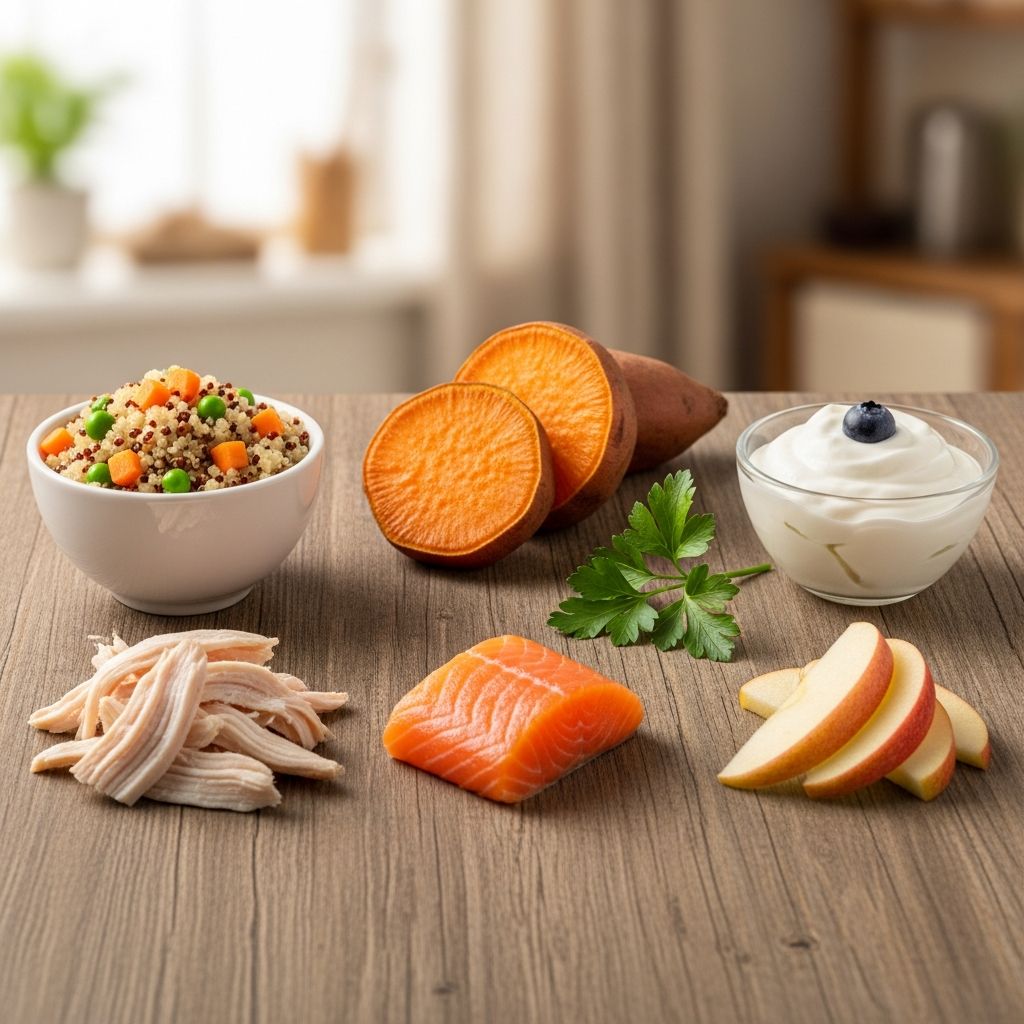
Pet nutrition has evolved significantly over recent years, with many dog owners seeking to incorporate healthier, more natural foods into their pets’ diets. As human food trends continue to emphasize wellness and nutrition, many of these trends have proven to be beneficial for our canine companions as well. From superfoods rich in antioxidants to sustainably-sourced proteins, dogs can enjoy many of the same nutritious options that promote human health. Understanding which trending foods are safe and beneficial for your dog can help you make informed decisions about their diet while keeping them healthy and happy.
1. Superfoods: Blueberries and Other Antioxidant-Rich Fruits
Superfoods have become a major health trend for humans, and blueberries lead the charge as a nutritional powerhouse that dogs can safely enjoy. These small but mighty berries are packed with antioxidants, vitamins C, K, and A, which may help reduce the likelihood of diseases, disorders, and age-related issues in dogs. The antioxidants in blueberries support your dog’s immune system and can contribute to overall wellness.
In addition to blueberries, other dog-safe fruits trending in human nutrition include strawberries, which provide vitamin C and fiber, and bananas, which are full of magnesium for good bone health. However, due to their high sugar content, bananas should only be offered as an occasional treat. When introducing any new fruit to your dog’s diet, start with small portions to ensure their digestive system tolerates it well.
2. Plant-Based and Vegetable-Forward Diets
The rise of vegetable-forward eating has influenced pet nutrition as well, with many dog owners incorporating more vegetables into their pets’ meals. Dogs can safely enjoy a variety of nutrient-dense vegetables that support their health and digestion.
Carrots are an excellent vegetable option for dogs, offering multiple benefits beyond basic nutrition. The crunchy texture helps remove plaque from teeth, while the orange root vegetable provides a good source of vitamin A. Cold or frozen carrots can also be helpful for teething puppies, providing something to chew on while easing discomfort.
Green beans are another plant-based trend that dogs can enjoy. Plain green beans are a healthful, low-calorie snack that serves as a good source of protein while containing calcium, iron, and vitamin K. Dogs can eat green beans either cooked or raw, though you should avoid seasoning them and chop them up to prevent choking hazards.
Pumpkin has emerged as a superfood for both humans and dogs, particularly appreciated for digestive health. Cooked and chopped-up pumpkin is nutritious, offering fiber and beta-carotene to help with digestion and improve coat appearance. Pumpkin is also low in calories and fat, making it an excellent choice for overweight dogs. When purchasing canned pumpkin for your dog, ensure it is pure pumpkin and not pumpkin pie filling, which contains additives that could be harmful.
Spinach represents another leafy green option trending in wellness diets. Cooked spinach is a great source of fiber, vitamin A, vitamin K, vitamin C, and potassium. Being leafy and soft, cooked spinach does not require the same chopping preparation as other vegetables, making it a convenient addition to your dog’s meals.
3. Omega-3 Fatty Acids: Fish and Seafood
The popularity of omega-3 fatty acids in human nutrition has also benefited dog health, as fish and seafood are excellent sources of these beneficial compounds. Salmon has become increasingly recognized as a superfood for dogs, supporting healthy skin, a shiny coat, and overall joint health. Cooked, unseasoned salmon provides both protein and omega-3 fatty acids that contribute to your dog’s wellness.
Beyond salmon, other fish options like tuna and sardines offer similar nutritional benefits. Sardines are particularly valuable because their soft bones provide a boost of calcium when left intact—sardines are the only fish where bones can remain. The B vitamins found in shrimp can help maintain a dog’s digestive system and promote healthy blood circulation. However, ensure all fish is fully cooked and that you remove bones (except in the case of sardines) to prevent choking hazards.
It is crucial to cook fish before feeding it to a dog, as uncooked fish can contain harmful parasites. Additionally, limit your dog’s fish intake to no more than two servings per week to maintain nutritional balance.
4. Lean Proteins and Ethical Sourcing
As consumers increasingly demand ethically-sourced proteins, the trend toward high-quality lean meats has extended to pet nutrition. Cooked, unseasoned chicken, turkey, and beef are all excellent sources of protein for your dog. These meats provide essential amino acids necessary for muscle development and maintenance.
Chicken is particularly versatile and commonly used in commercial dog foods and home-cooked meals. Plain, boiled chicken with no seasoning is an especially good option when a dog has an upset stomach. When preparing chicken for your dog, ensure all bones are removed, as they pose a choking risk and can splinter.
Turkey represents another lean protein option that has gained popularity in dog nutrition. Cooked turkey is safe for dogs to eat, but it must be plain and unseasoned. Many commercial dog foods contain turkey because it is a good source of protein. Before giving cooked turkey to your dog, remove the fat, skin, and bones, as too much fat can cause pancreas issues.
Beef is also a nutritious protein source when properly prepared. Cooked, unseasoned beef provides protein and essential nutrients, though it should be given in moderation as part of a balanced diet.
5. Natural and Minimally Processed Treats
The human trend toward natural and minimally processed foods has influenced pet treat selection, with many owners opting for whole foods rather than heavily processed options. Several naturally nutritious foods fit this category perfectly for dogs.
Apples are nutritious, whole-food treats that provide vitamins and support dental health through their fibrous texture. However, feed apples in small pieces, as larger pieces can potentially lodge in the esophagus. Always remove seeds before serving, as they contain compounds that may be harmful to dogs.
Watermelon offers hydration and vitamins A, C, and B6, making it particularly appealing during warm months. The high water content helps keep dogs hydrated, though you must remove the rind and seeds before serving, as these pose choking hazards or can cause intestinal blockages.
Peanut butter has maintained its popularity as a dog treat, providing protein and healthy fats when unsalted and without added sugar. Plain peanut butter can be a delicious way to deliver medications or simply serve as a satisfying treat, though it should be given in moderation due to its caloric content.
6. Grain-Free and Ancient Grain Options
Following human dietary trends, grain-free and ancient grain options have influenced dog food formulations. For dogs that can tolerate grains, certain options offer nutritional benefits aligned with wellness trends.
Oatmeal represents a wholesome grain option for dogs. Cooked oatmeal contains vitamin B, which helps maintain a healthy coat, and linoleic acid, a type of omega-6 fatty acid that maintains the strength of dogs’ skin. Thanks to its richness in soluble fiber, oatmeal has become an increasingly common ingredient in commercial dog food. Plain, cooked oatmeal makes an excellent occasional treat or breakfast addition.
7. Low-Calorie and Weight-Management Options
As obesity becomes a concern for both humans and pets, low-calorie treat options have gained prominence in dog nutrition trends. Several foods mentioned above serve double duty as nutritious and weight-conscious choices.
Cucumbers exemplify the low-calorie treat trend, offering a safe, refreshing snack for dogs, especially those who are overweight. Cucumbers contain plenty of vitamins and minerals, such as vitamin K, while remaining extremely low in calories. They can be served raw or frozen, providing a satisfying crunch without nutritional concerns.
Green beans also fit within weight-management strategies, being low in calories and fat while providing fiber, vitamin C, and other nutrients that support overall health. For dogs prone to weight gain, green beans make an excellent treat option that satisfies chewing urges without contributing excessive calories.
Important Preparation Guidelines
When incorporating human food trends into your dog’s diet, proper preparation is essential to ensure safety and maximize nutritional benefits. Follow these guidelines:
- Always cook meats, fish, and most vegetables thoroughly before serving to your dog
- Remove all bones from fish, chicken, and other meats to prevent choking hazards
- Avoid seasoning, salt, garlic, onions, and other spices that may be harmful to dogs
- Remove seeds from fruits like apples and watermelon
- Cut foods into appropriate sizes to prevent choking, especially for smaller dogs or puppies
- Introduce new foods gradually to allow your dog’s digestive system to adapt
- Offer treats as supplements to a complete, balanced diet, not as meal replacements
Foods Dogs Should Never Eat
While many human foods are safe for dogs, certain items are toxic and should never be offered, regardless of trends. The following foods pose serious health risks:
- Chocolate and caffeine-containing products
- Avocado, grapes, and raisins
- Xylitol (artificial sweetener)
- Onions, garlic, and chives
- Raw meat and eggs
- Macadamia nuts
- Alcohol and bread dough
- Cinnamon in large quantities
- Citrus fruits in excess
Portion Control and Balance
Following human food trends doesn’t mean dramatically changing your dog’s diet. Treats, including human foods, should comprise no more than 10% of your dog’s daily caloric intake, with their regular dog food making up the remaining 90%. This balance ensures they receive complete nutrition while enjoying occasional treats. Always consult with your veterinarian before making significant dietary changes, particularly if your dog has existing health conditions, dietary sensitivities, or is taking medications.
Frequently Asked Questions
Q: Can dogs eat all types of berries?
A: Not all berries are safe for dogs. While blueberries, strawberries, and raspberries are safe, grapes and raisins are toxic and should never be given to dogs, even in small amounts.
Q: How often can my dog eat human foods from these trends?
A: Human foods should be offered as occasional treats, comprising no more than 10% of your dog’s daily caloric intake. Most dogs thrive on a consistent, complete commercial or veterinary-approved diet with occasional healthy treats.
Q: Is it safe to feed my dog raw fish or meat?
A: No, raw fish and raw meat can contain harmful parasites and bacteria. Always thoroughly cook these foods before offering them to your dog. The only exception is commercially-prepared raw diets specifically formulated for dogs, which undergo special processing for safety.
Q: My dog has a sensitive stomach. Which trending foods should I try?
A: For dogs with sensitive stomachs, start with plain, cooked chicken and pumpkin, which are gentle on digestion. Introduce new foods very gradually, one at a time, over several weeks to monitor for adverse reactions. Consult your veterinarian before adding new foods to a sensitive dog’s diet.
Q: Can puppies eat the same human foods as adult dogs?
A: Puppies can eat many of the same foods as adults, but in smaller portions appropriate for their size and developmental stage. Avoid hard or choking-hazard foods, and ensure all nutrition supports proper growth and development. Consult your veterinarian for age-appropriate feeding guidelines.
Q: How do I know if my dog has an allergic reaction to a new food?
A: Signs of food allergies or sensitivities include itching, vomiting, diarrhea, excessive gas, or skin irritation. If you notice any of these symptoms after introducing a new food, discontinue it immediately and contact your veterinarian.
References
- Which people foods are safe for dogs? — Medical News Today. 2024. https://www.medicalnewstoday.com/articles/324453
- Top 10 Healthiest Human Foods That Dogs Can Eat [Vet-Approved] — Sploot Vets. 2024. https://www.splootvets.com/post/healthiest-human-foods-dogs-can-eat
- 19 Healthy and Safe Foods You Can Feed Your Dog — CareCredit. 2024. https://www.carecredit.com/well-u/pet-care/healthy-food-for-dogs/
- Human Foods Dogs Can Eat: 10 Safe and Unsafe Foods — East Valley Companion Care. 2024. https://evcc.com/blog/what-human-foods-for-dogs/
- People Foods Dogs Can and Can’t Eat — American Kennel Club. 2024. https://www.akc.org/expert-advice/nutrition/human-foods-dogs-can-and-cant-eat/
- Sharing is Caring: Foods You Can Safely Share with Your Pet — ASPCA. 2024. https://www.aspca.org/news/sharing-caring-foods-you-can-safely-share-your-pet
Similar Articles








Read full bio of medha deb