

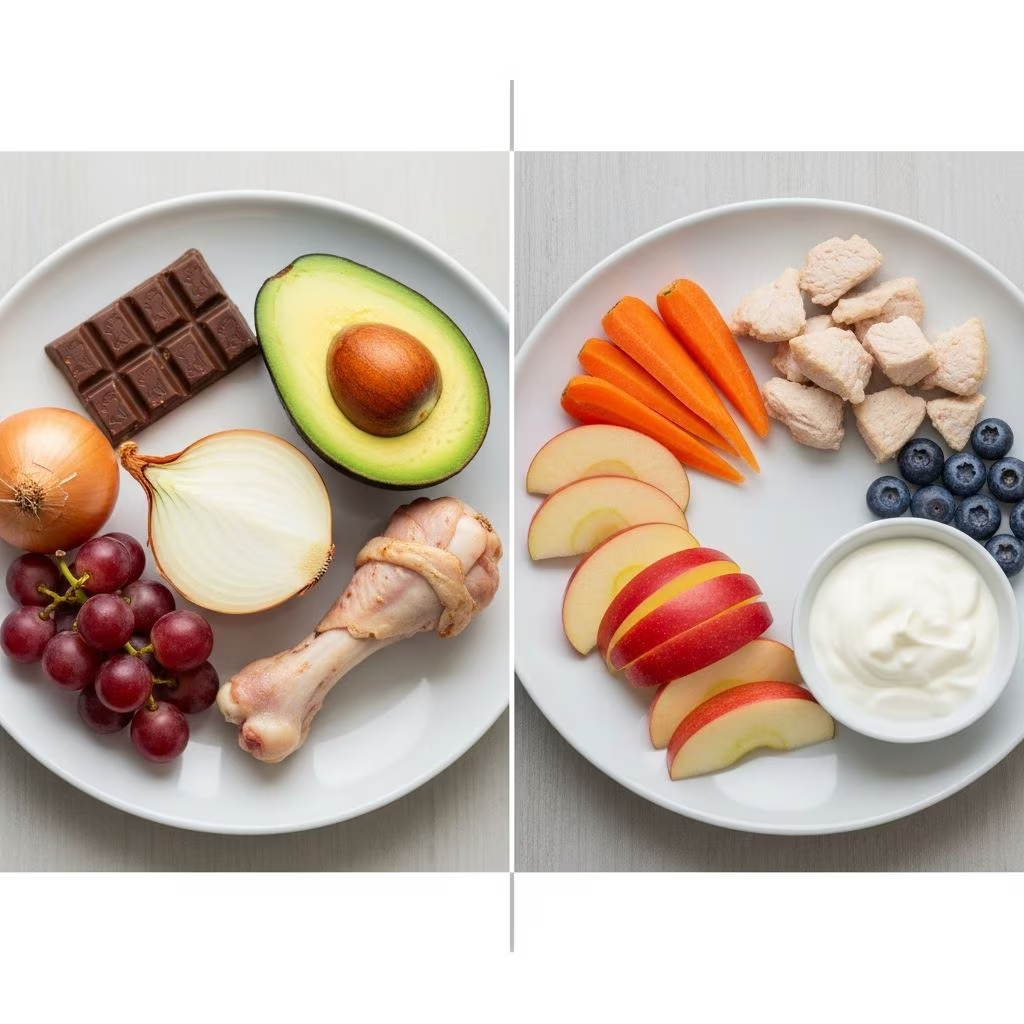
Pet owners often find themselves tempted to share food with their beloved dogs, especially when those pleading eyes look up from beneath the dinner table. While the gesture comes from a place of affection, feeding dogs human food can have serious consequences for their long-term health and behavior. Understanding the risks and learning appropriate alternatives helps ensure your canine companion lives a long, healthy life.
Why Dogs Cannot Process Human Meals Like We Do
Dogs and humans have fundamentally different digestive systems and nutritional requirements. Human meals are formulated for human bodies and human metabolism, which operates quite differently from canine physiology. When dogs consume food meant for human consumption, their bodies struggle to process the unfamiliar components, often resulting in immediate and long-term health complications.
The primary issue is that typical human food contains excessive fat content. Dogs’ digestive tracts are not equipped to handle the rich, heavily seasoned dishes that grace our dinner tables. Additionally, human meals often lack the specific balance of nutrients that dogs require for optimal health. This mismatch between what we eat and what dogs need creates a perfect storm for nutritional imbalance and digestive distress.
Gastrointestinal Complications From Table Food
One of the most immediate consequences of feeding dogs table scraps is digestive upset. When you introduce rich, unfamiliar foods into your dog’s digestive system, the results can range from uncomfortable to serious.
- Vomiting and nausea: Dogs often vomit when exposed to sudden dietary changes, particularly foods with high fat content. This protective response indicates that the dog’s digestive system is rejecting the food.
- Diarrhea and loose stools: Improper foods disrupt the delicate balance of your dog’s gastrointestinal flora and intestinal linings, leading to inflammation and loose stools.
- Pancreatitis: This serious inflammatory condition occurs when the pancreas becomes inflamed, often triggered by high-fat foods. Pancreatitis can range from mild to life-threatening and frequently requires hospitalization and intensive veterinary care.
The inflammation in the gastrointestinal tract isn’t limited to immediate symptoms. Repeated exposure to table scraps can cause chronic digestive issues that persist long after a single meal. The intestinal lining becomes irritated, and the beneficial bacteria that aid digestion become disrupted, creating ongoing digestive dysfunction.
Toxic Foods Hidden in Human Meals
Beyond digestive concerns, numerous common human foods are directly toxic to dogs. Many of these substances can cause severe organ damage, neurological problems, or even death. The danger is compounded because toxic ingredients often appear in unexpected foods.
Common Toxic Substances
- Chocolate and cocoa: Contains theobromine, which dogs cannot metabolize efficiently, leading to heart problems and neurological damage.
- Grapes and raisins: These innocent-seeming fruits cause kidney failure in dogs, and the mechanism behind this toxicity remains not fully understood by veterinarians.
- Xylitol (artificial sweetener): Found in sugar-free gums, candies, and baked goods, xylitol causes rapid insulin release and severe hypoglycemia, potentially leading to death.
- Onions and garlic: These common cooking ingredients damage red blood cells in dogs, causing hemolytic anemia and potentially life-threatening oxygen deprivation.
- Macadamia nuts: Trigger weakness, tremors, hyperthermia, and neurological damage.
- Avocado: Contains persin, which causes digestive upset and potentially more serious complications.
- Alcohol: Even small amounts cause intoxication, seizures, and respiratory failure in dogs.
The danger intensifies because toxic ingredients hide in prepared dishes. A seemingly harmless slice of bread might contain raisins. Soup might be flavored with garlic or onions. Desserts might use xylitol as a sweetener. Without carefully inspecting every component of your meal, you could unknowingly poison your dog.
Weight Gain and Associated Health Conditions
Obesity represents one of the most widespread health problems in pet dogs today. A significant portion of America’s dog population carries excess weight, and table scraps contribute substantially to this epidemic. The mathematics of pet obesity is straightforward: extra calories accumulate, leading to weight gain that spirals into multiple health complications.
Consider the caloric impact of seemingly small portions. A single slice of cheese or a few bites of meat might seem inconsequential to humans, but for a small dog, these scraps represent a significant portion of their daily caloric needs. Over weeks and months, these accumulated calories cause substantial weight gain.
Health Consequences of Canine Obesity
| Obesity-Related Condition | Impact on Dogs |
|---|---|
| Joint and Bone Disease | Extra weight strains joints and causes arthritis, osteoarthritis, and mobility problems |
| Diabetes | Obesity significantly increases diabetes risk and complicates management of the disease |
| Cardiovascular Disease | Excess weight increases blood pressure and strain on the heart |
| Kidney Disease | Obesity contributes to kidney dysfunction and failure |
| Shortened Lifespan | Obese dogs have significantly reduced life expectancy |
The interconnected nature of these conditions means that one complication often triggers others. A dog with arthritis from obesity becomes less active, which causes further weight gain, which worsens both arthritis and increases diabetes risk. This vicious cycle becomes increasingly difficult to reverse as it progresses.
Behavioral Problems Stemming From Table Feeding
Beyond physical health consequences, feeding dogs from the table creates behavioral issues that can be challenging to correct. Dogs quickly learn to associate human mealtimes with food rewards, and they develop increasingly persistent strategies to obtain these rewards.
Common Behavioral Issues
- Constant begging: Dogs station themselves near the dining table, whining and staring intently at diners. This behavior becomes increasingly annoying and difficult to manage during meals and social gatherings.
- Counter surfing: Dogs learn that unattended food surfaces provide opportunities for theft, leading to jumping onto counters and tables to steal food.
- Food aggression: Some dogs develop possessive behaviors around food, potentially snapping at family members who approach them during eating.
- Refusing regular food: Dogs become picky eaters, refusing their nutritionally balanced kibble in anticipation of more palatable table scraps.
- Stealing from guests: Dogs may snatch food directly from visitors’ hands or plates, creating unsafe and uncomfortable situations.
These behavioral problems extend beyond mere inconvenience. A dog that steals food from guests or snaps during meals poses safety risks. Behavioral issues also undermine training and obedience, making dogs more difficult to control in various situations.
Allergic Reactions and Food Sensitivities
Many dogs have sensitivities to specific ingredients commonly found in human food. Even dogs without diagnosed allergies can develop adverse reactions when exposed to new or unusual foods. These reactions might include itching, skin irritation, vomiting, diarrhea, or respiratory symptoms.
The problem compounds because many human foods contain processed ingredients, preservatives, and seasonings that dogs rarely encounter in their regular diet. Exposure to these unfamiliar substances can trigger immune responses and allergic reactions. Additionally, some dogs have genetic predispositions to allergies, making them particularly vulnerable to adverse reactions from table food.
Safe Human Foods in Appropriate Portions
While most table scraps should be avoided, certain human foods can be offered to dogs in very limited quantities when properly prepared. These foods should never constitute a meaningful portion of a dog’s diet but can serve as occasional treats under controlled circumstances.
Generally Safe Options
- Lean cooked meats: Plain chicken, turkey, or beef without bones, skin, seasoning, or fatty content can be offered in small amounts as treats.
- Certain vegetables: Carrots, green beans, and peas provide vitamins and can aid dental health without significant risks.
- Specific fruits: Blueberries and bananas offer nutritional value and can serve as low-calorie treats.
- Plain cooked eggs: Eggs provide protein but should be offered occasionally and without added oil or seasoning.
- Plain white rice or sweet potato: These can be helpful for dogs with digestive upset but should never replace complete dog food.
Even with these safe options, the critical principle is moderation. Treats and table food should never exceed 10 percent of your dog’s total daily caloric intake. This guideline ensures that your dog receives complete nutrition from their primary diet while allowing for occasional variety.
Maintaining a Complete and Balanced Diet
Commercial dog foods are formulated by veterinary nutritionists to provide complete and balanced nutrition tailored to dogs’ specific needs. These diets account for the precise ratios of protein, fat, fiber, vitamins, and minerals that dogs require for optimal health. Table scraps, by contrast, are random combinations of foods designed for human nutrition, lacking this careful balance.
When you supplement your dog’s diet with table food, you disrupt the nutritional balance that their regular food provides. You might increase fat content without increasing necessary vitamins. You might add excessive sodium without adding beneficial minerals. This nutritional imbalance compounds over time, creating deficiencies and health problems that don’t appear immediately but manifest over months and years.
Building a Stronger Bond Without Food
Many dog owners feel that sharing food strengthens their bond with their pets. However, healthy relationships with dogs can be built through numerous activities that don’t involve food-related risks. These alternatives provide genuine engagement and companionship while supporting your dog’s health.
- Regular walks and outdoor playtime
- Interactive games and fetch sessions
- Training sessions that challenge your dog mentally
- Grooming and petting that provide physical affection
- Puzzle toys and enrichment activities
- Car rides to new destinations
- Swimming or other water activities
These activities create meaningful interactions that strengthen your relationship while supporting physical exercise, mental stimulation, and behavioral development. Your dog will value your attention and time far more than extra food.
Frequently Asked Questions
Can my dog occasionally have a small piece of chicken from my dinner?
Occasionally offering a small piece of plain, cooked chicken without bones or seasoning is generally acceptable. However, this should be truly occasional and must be factored into the dog’s total daily caloric intake. The practice carries some risk and is best avoided if possible.
What should I do if my dog has eaten something toxic?
Contact your veterinarian or an animal poison control center immediately. Do not wait for symptoms to appear. Provide the veterinarian with information about what your dog consumed and when. Early intervention often determines outcomes for toxic exposures.
How can I stop my dog from begging at the table?
Consistently refuse to provide table scraps and instruct all family members and guests to do the same. Never reward begging with food or attention. Instead, direct your dog to a designated location away from the dining area during meals. Reward calm behavior in that location with praise and non-food treats like toys.
Is my dog’s commercial food insufficient if they seem hungry?
Dogs often appear hungry even when they’ve eaten adequate nutrition. Discuss portion sizes and feeding frequency with your veterinarian to ensure appropriate amounts. If your dog genuinely requires more food, consult your veterinarian about adjusting their diet rather than supplementing with table scraps.
What is the appropriate treat limit for dogs?
All treats, including table food, should comprise no more than 10 percent of your dog’s total daily caloric intake. For a 50-pound dog consuming 1,200 calories daily, this means treats should total no more than 120 calories. This calculation helps maintain nutritional balance.
Conclusion
Feeding dogs table scraps represents a common but harmful practice that compromises both physical health and behavioral training. The risks—including digestive complications, toxic exposure, obesity, behavioral problems, and nutritional imbalance—substantially outweigh any perceived benefits of sharing human meals with your pet. Instead, commit to feeding your dog complete and balanced commercial nutrition, provide occasional treats from approved foods in minimal quantities, and strengthen your relationship through non-food-based activities. Your dog will live a longer, healthier, and happier life as a result of these choices.
References
- Should Dogs Eat Table Food? Understanding the Risks and Benefits — Houndsy. 2024. https://www.houndsy.com/blogs/modern-tails/should-dogs-eat-table-food-understanding-the-risks-and-benefits
- Why You Shouldn’t Feed Your Dog from the Table — Sykesville Veterinary Clinic. 2024. https://sykesvillevetclinic.com/news/shouldnt-feed-dog-table/
- The Dangers of Feeding Your Dog Table Scraps — East Valley Animal Hospital. 2024. https://www.eastvalleyanimal.com/dangers-of-feeding-table-scraps/
- Why You Shouldn’t Let Your Dog Eat Table Scraps — PetMD. 2024. https://www.petmd.com/dog/nutrition/why-you-shouldnt-let-your-dog-eat-table-scraps
- Is it safe to feed my dog table scraps? — Aristopet. 2024. https://aristopet.com.au/tips-and-advice/is-it-safe-to-feed-my-dog-table-scraps/
- Client handout: No to feeding pets table scraps — DVM360. 2024. https://www.dvm360.com/view/client-handout-no-feeding-pets-table-scraps
- 4 Reasons Why You Should Not Feed Your Dog Table Scraps — Evolution Veterinary. 2024. https://evolutionvet.com/about-us/patient-stories/should-your-dog-eat-table-scraps/



