

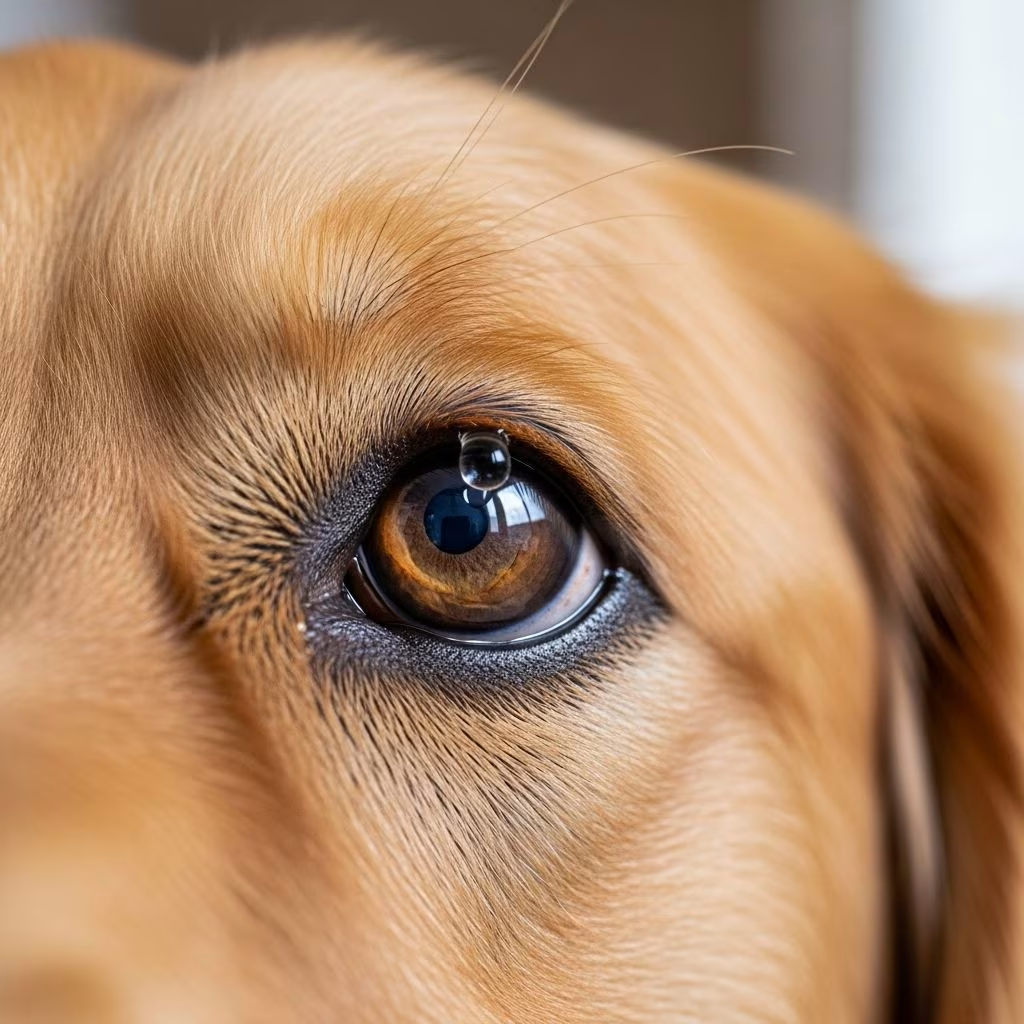
Pet owners often face dilemmas when their dogs show signs of eye discomfort, such as redness or watering. A common temptation is reaching for human eye drops from the medicine cabinet, assuming they offer quick relief. However, this practice poses significant dangers due to physiological differences between humans and dogs, differing drug formulations, and potential for toxicity. Veterinary guidelines consistently advise against it, emphasizing professional diagnosis instead.
Why Human Eye Drops Differ from Canine Needs
Dogs’ eyes have unique anatomical features compared to human eyes. For instance, dogs possess a larger conjunctival surface area, which allows greater absorption of applied substances. Their tear production, pH levels, and drainage systems also vary, altering how medications interact with ocular tissues. These factors can amplify drug effects, leading to unintended consequences.
Human formulations prioritize human physiology, incorporating preservatives, concentrations, and active ingredients unsuitable for canines. What soothes a human eye might irritate or poison a dog’s, especially given dogs’ tendency to lick residues from their fur or faces.
Common Ingredients Posing Threats to Dogs
Several components in over-the-counter human eye products are hazardous for dogs. Here’s a breakdown:
- Tetrahydrozoline hydrochloride: Found in redness-relief drops, this vasoconstrictor narrows blood vessels. In dogs, it risks systemic absorption, potentially causing low blood pressure or heart issues if licked.
- Imidazoline derivatives: Present in many drops and nasal sprays, these can trigger severe poisoning upon ingestion, with symptoms appearing in as little as 15 minutes.
- Zinc sulfate and preservatives: These irritants can inflame canine eyes further, exacerbating conditions.
- Brimonidine (in glaucoma drops): Toxic even in small amounts, it depresses heart rate and blood pressure.
- Atropine: Used for pupil dilation, ingestion of just a few drops can be fatal due to its potent effects.
Even “lubricating” or saline drops aren’t universally safe, as they may lack efficacy for dog-specific issues or contain additives causing reactions.
Potential Health Risks and Symptoms
Applying human eye drops topically or through accidental ingestion can lead to a spectrum of adverse effects. Dogs’ smaller size and grooming habits heighten exposure risks.
| Risk Category | Description | Possible Symptoms |
|---|---|---|
| Toxicity from Overdose | High concentrations overwhelm canine metabolism | Lethargy, vomiting, seizures, coma |
| Allergic or Irritant Reactions | Preservatives provoke inflammation | Swelling, increased redness, discharge |
| Systemic Absorption | Drugs enter bloodstream via eyes | Bradycardia, hypotension, drooling |
| Underlying Condition Worsening | Wrong treatment delays proper care | Persistent pain, vision loss |
Symptoms may onset rapidly, necessitating immediate veterinary intervention. Brachycephalic breeds, with prominent eyes, face amplified vulnerabilities.
When Might a Vet Recommend Human Products?
Rarely do veterinarians endorse human eye drops, and only under strict supervision for specific, mild cases like artificial tears—never without prior approval. The FDA has not approved human drops for veterinary use, underscoring the need for canine-formulated alternatives. Recalls of certain human drops highlight contamination risks, with reports of pet infections prompting warnings.
Safe Alternatives for Dog Eye Care
Opt for vet-prescribed options tailored to diagnosed conditions:
- Sterile saline flushes: For mild debris removal, but not as medication substitutes.
- Antibiotic drops/ointments: For bacterial infections, like those from injury.
- Anti-inflammatory meds: Corticosteroids or NSAIDs for allergies or uveitis, dosed precisely.
- Specialty drops: For glaucoma (e.g., latanoprost analogs) or dry eye (cyclosporine).
Application tips include using one drop per eye, maintaining an E-collar to prevent rubbing, and storing meds securely.
Recognizing Eye Problems in Dogs
Early detection prevents escalation. Watch for:
- Excessive tearing or squinting.
- Cloudy corneas or color changes.
- Pawing at eyes or light sensitivity.
- Visible third eyelid or unequal pupil sizes.
Causes range from allergies and foreign bodies to infections, glaucoma, or cataracts. Self-treatment masks symptoms, risking permanent damage.
Steps to Take if Exposure Occurs
- Remove residue: Gently rinse eyes with vet-approved saline.
- Monitor closely: Note symptoms like vomiting or weakness.
- Contact professionals: Call your vet, a veterinary ophthalmologist, or poison hotline (e.g., Pet Poison Helpline).
- Seek emergency care: For severe signs like collapse or breathing issues.
Act swiftly—delays compound risks.
Preventive Measures for Pet Safety
Proactive habits safeguard your dog:
- Store all meds out of reach.
- Secure counters and trash from curious noses.
- Schedule routine eye exams, especially for breeds prone to issues (e.g., Bulldogs, Shih Tzus).
- Educate household members on risks.
Invest in pet-safe first-aid kits with vet-recommended supplies.
Understanding Veterinary Ophthalmology
Specialists diagnose via exams, fluorescein staining, tonometry (eye pressure), and imaging. Treatments match conditions precisely, from surgery for entropion to lifelong meds for chronic dry eye. Consulting one ensures optimal outcomes over guesswork.
Frequently Asked Questions (FAQs)
Are there any human eye drops safe for dogs?
Generally no; even artificial tears require vet clearance due to potential additives.
What if my dog licks eye drops off its fur?
Rinse immediately and contact a vet—ingredients like imidazoline can cause rapid toxicity.
How do I know if my dog’s eye issue is serious?
Any persistent redness, pain, or vision changes warrant professional evaluation.
Can allergies cause dog eye problems?
Yes, but human allergy drops won’t help and may harm; vets diagnose true causes.
Why do recalls affect pet owners?
Contaminated human drops used on pets risk infections, as FDA notes.
Key Takeaways for Responsible Pet Parenthood
Prioritize veterinary guidance for eye care. Human eye drops, while convenient, jeopardize your dog’s well-being through mismatched chemistry and heightened absorption risks. Safe, effective solutions exist via professionals, ensuring your furry companion’s eyes remain healthy and bright.
References
- Can I Give Human Eye Medications to My Dog? Part 2 — Pet Health Harbour. 2023. https://pethealthharbour.com/eyes/can-i-give-human-eye-medications-to-my-dog-part-2/
- Eye Drop Poisoning in Dogs — Pet Poison Helpline. 2024. https://www.petpoisonhelpline.com/pet-tips/eye-drop-poisoning-in-dogs/
- FDA Warns Veterinarians, Pet Owners about Recalled Eye Drops — AVMA. 2023. https://www.avma.org/news/recalls-alerts/fda-warns-veterinarians-pet-owners-about-recalled-eye-drops-humans
- FDA Reminds Veterinarians and Pet Owners about Eye Drop Recalls — FDA.gov. 2024-03-13. https://www.fda.gov/animal-veterinary/cvm-updates/fda-reminds-veterinarians-and-pet-owners-about-eye-drop-recalls
- Can I Use Human Eye Drops For My Dog? — Northwest Animal Eye Specialists. 2022-04-15. https://www.northwestanimaleye.com/site/blog/2022/04/15/can-i-use-human-eye-drops-for-my-dog



