

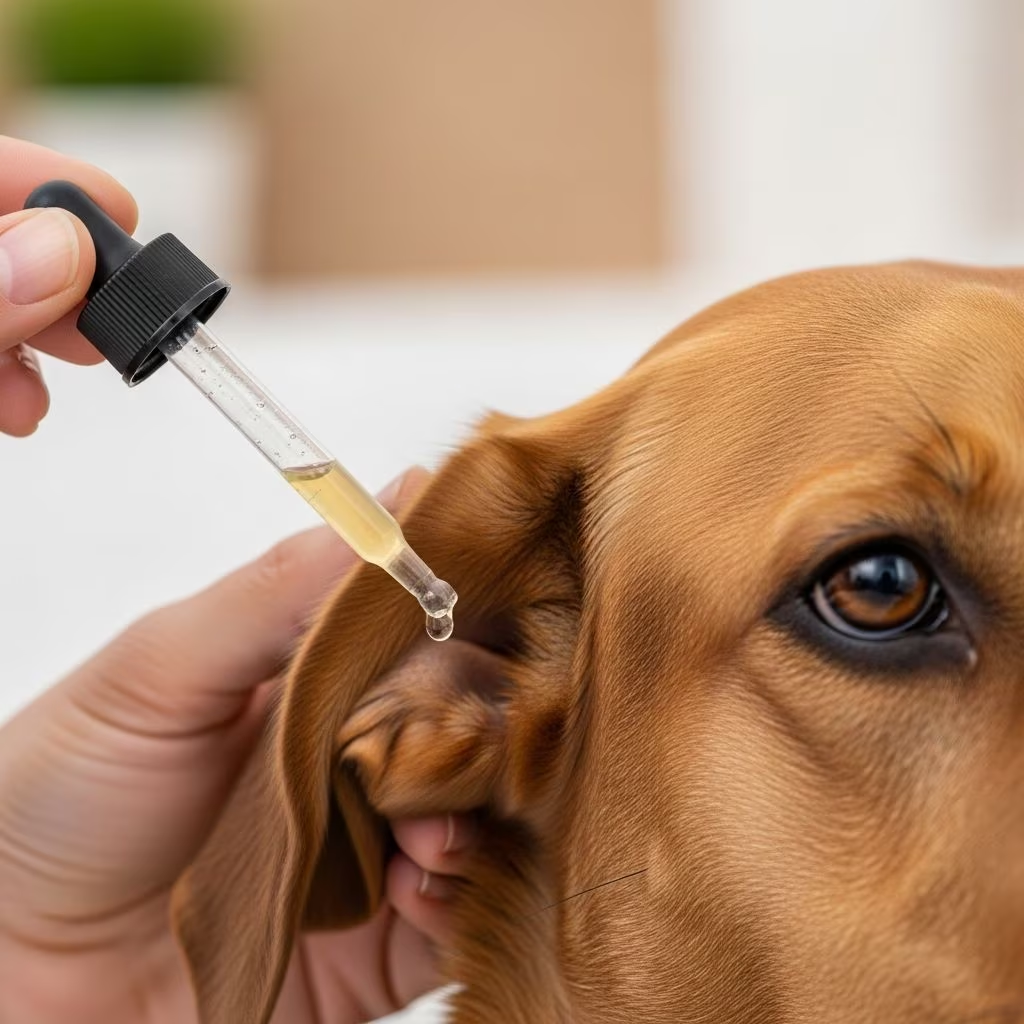
Human ear drops are not safe for dogs unless explicitly prescribed by a veterinarian, as they can cause irritation, toxicity, or fail to address underlying issues.
Why Dog Ears Differ from Human Ears
Dogs possess unique ear anatomy that sets them apart from humans. Their ear canals are L-shaped, which traps moisture, debris, and wax more easily, creating an ideal environment for infections. Floppy-eared breeds like Cocker Spaniels or Basset Hounds face higher risks due to poor ventilation. In contrast, human ear canals are straighter, allowing better drainage. This structural difference means treatments designed for people often miss the mark for canines.
Additionally, canine skin pH levels and microbial flora vary significantly. What soothes human ears might disrupt a dog’s delicate balance, leading to worsened inflammation or secondary infections. Veterinary experts emphasize that self-medicating ignores these physiological variances, potentially escalating minor problems into chronic conditions.
Dangers of Applying Human Ear Products to Pets
Over-the-counter human ear drops typically target wax buildup, swimmer’s ear, or mild pain with ingredients like lidocaine or hydrocortisone. While lidocaine might numb skin under vet supervision for minor procedures, its concentration in human formulas often exceeds safe canine doses, risking systemic absorption and toxicity symptoms such as tremors or lethargy.
Essential oils like tea tree, common in some anti-itch drops, pose severe threats. Studies link concentrated exposure to drooling, ataxia, and even coma in dogs due to their liver’s limited detoxification capacity. Homeopathic options lack scientific backing and delay proper care, allowing infections to deepen into the middle ear.
Prescription human drops complicate matters further. They may combat bacterial issues irrelevant to fungal or yeast overgrowths prevalent in dogs. Sharing antibiotics ignores resistance patterns unique to veterinary pathogens, fostering superbugs and prolonging suffering.
| Human Ear Drop Type | Common Ingredients | Potential Risks for Dogs |
|---|---|---|
| Pain Relief | Lidocaine, Benzocaine | Overdose, numbness masking pain, toxicity |
| Anti-Itch/Dry Skin | Tea Tree Oil, Menthol | Poisoning, tremors, skin burns |
| Wax Removal | Carbamide Peroxide | Irritation, ruptured eardrums |
| Prescription Antibiotic | Neomycin, Polymyxin | Ineffective against yeast, resistance buildup |
Recognizing Ear Problems in Your Canine Companion
Early detection prevents complications. Watch for these hallmark signs of canine ear distress:
- Intense head shaking or tilting to one side
- Frequent pawing or rubbing at the ear
- Visible redness, swelling, or heat in the canal
- Dark, waxy, or pus-like discharge
- Foul, yeasty, or bacterial odor
- Sensitivity to touch, yelping when handled
- Hearing loss, unresponsiveness to commands
- Balance issues, circling, or uncoordinated gait
These symptoms often stem from infections but can signal mites, allergies, or polyps. Unlike humans, dogs rarely complain verbally, so behavioral changes like irritability or withdrawal are key indicators.
Root Causes Behind Canine Ear Infections
Ear troubles rarely occur in isolation. Primary culprits include:
- Bacterial and Yeast Proliferation: Moisture from swimming or baths fosters Malassezia yeast or Pseudomonas bacteria.
- Allergies: Food or environmental triggers cause chronic inflammation in 50% of cases.
- Ear Mites: Highly contagious parasites in puppies or multi-pet homes.
- Foreign Objects: Grass seeds or foxtails lodged deep.
- Hormonal Imbalances: Hypothyroidism alters ear environment.
- Excessive Ear Hair: Traps debris in breeds like Poodles.
Untreated, infections penetrate the eardrum, risking hematomas or neurological damage. Breeds with pendulous ears or narrow canals, such as Labs or Shar-Peis, require vigilant monitoring.
Veterinary Diagnosis: The Essential First Step
A thorough exam involves otoscopy to visualize the canal, cytology for microbe identification, and sometimes imaging or cultures. Vets pinpoint whether it’s outer, middle, or inner ear involvement, tailoring therapy accordingly. Costs average $150 for initial visits, but prevention saves long-term expenses.
Never clean visibly infected ears at home; it spreads infection. Use only vet-recommended cleaners post-resolution to maintain hygiene.
Safe and Effective Treatment Options for Dogs
Vet-prescribed therapies include:
- Topical drops with antibiotics (gentamicin), antifungals (clotrimazole), and steroids for inflammation.
- Systemic meds for severe cases or allergies.
- Ear flushing under sedation for deep debris.
- Underlying issue management, like hypoallergenic diets.
Treatment duration spans 7-30 days; compliance is crucial to avoid relapses. OTC vet products like enzymatic cleaners suit maintenance, not active infections.
Preventive Strategies for Healthy Canine Ears
Proactive care minimizes risks:
- Dry ears thoroughly after water exposure.
- Weekly cleaning with vet-approved solutions.
- Manage allergies via diet trials or testing.
- Regular grooming to remove hair mats.
- Parasite preventives covering mites.
Schedule bi-annual vet ear checks, especially for prone breeds. Balanced nutrition supports immune health, reducing infection susceptibility.
Frequently Asked Questions About Dog Ear Care
Can I clean my dog’s ears at home?
Yes, with gentle, vet-formulated cleaners. Apply, massage base, let shake, then wipe externally. Avoid Q-tips or water.
How much does treating a dog ear infection cost?
Expect $100-300, covering exam, meds, and follow-ups.
Are floppy ears always prone to infections?
They increase risk due to trapped moisture, but hygiene mitigates it.
What if my dog has chronic ear problems?
Investigate allergies or anatomy surgically, like total ear canal ablation in extremes.
Is apple cider vinegar safe for dog ears?
Diluted mildly for yeast, but only vet-approved; acidity irritates broken skin.
Long-Term Management for Recurrent Issues
Chronic cases demand holistic approaches: hypoallergenic shampoos, omega-3 supplements, and environmental controls. Track symptoms in a journal for vet insights. Surgical options exist for conformational defects, restoring quality of life.
Pet insurance often covers ear care, offsetting costs. Educating yourself empowers better guardianship.
References
- Can You Use Human Ear Drops on Dogs? Vet-Verified Facts & Info — Dogster. 2023. https://www.dogster.com/dog-health-care/can-you-use-human-ear-drops-on-dogs
- Can Dogs Use Human Ear Drops? — WagWalking. 2023. https://wagwalking.com/sense/can-dogs-use-human-ear-drops
- Causes and Treatment of Dog Ear Infection — SuperTails. 2024. https://supertails.com/blogs/healthcare/causes-and-treatment-of-dog-ear-infection



