

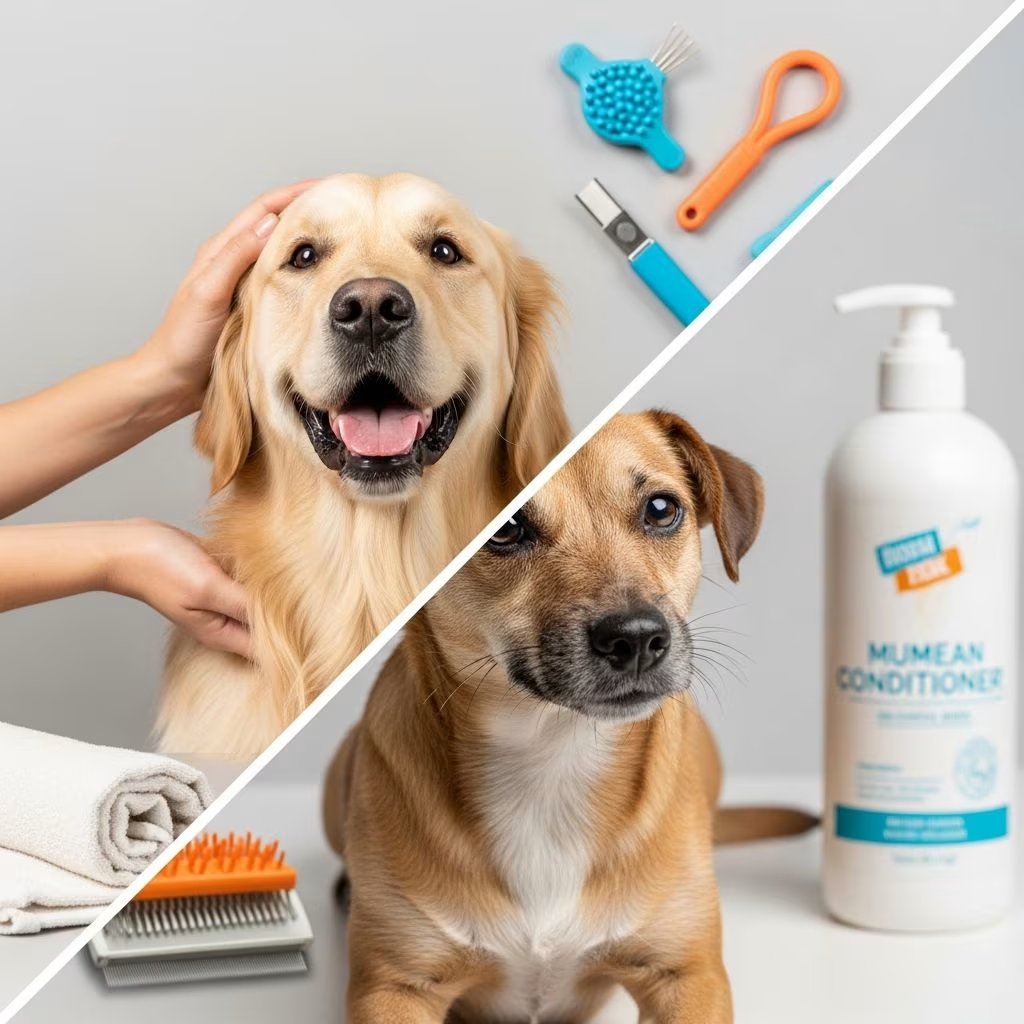
Using human conditioner on dogs is generally not recommended because it disrupts their skin’s natural pH balance and can lead to dryness, irritation, and infections. Dog-specific products are formulated to match canine skin physiology, ensuring a healthy coat without harm.
Why Canine Skin Differs from Human Skin
Dogs possess skin that is structurally and chemically distinct from human skin, influencing how grooming products interact with their bodies. Human skin typically features 10-15 layers of cells, renewing every 28 days, with a pH around 5.5—acidic to support its protective barrier. In contrast, dog skin has only 3-5 layers, regenerates every 20-21 days, and maintains a neutral pH of 6.2-7.5.
This thinner epidermis makes dogs more vulnerable to irritants. Their abundant hair follicles trap dirt efficiently but also absorb shampoo residues easily, heightening sensitivity. The acid mantle—a protective film on skin—relies on precise pH; human products strip it away, exposing dogs to bacteria, parasites, and allergens.
The Science of pH in Pet Grooming
pH measures acidity or alkalinity, critical for skin health. Human conditioners and shampoos target 5.5 pH to preserve moisture and fend off microbes. Dog formulas aim for 6.5-7.5 to avoid stripping natural oils, preventing dull coats and inflammation.
| Aspect | Human Skin | Dog Skin |
|---|---|---|
| pH Level | 5.5 (Acidic) | 6.2-7.5 (Neutral) |
| Skin Layers | 10-15 | 3-5 |
| Cell Renewal | ~28 days | ~20 days |
| Hair Follicles | Fewer, coarser | More, finer |
Mismatched pH from human conditioner dries the skin, prompts scratching, and invites infections like yeast overgrowth.
Risks of Applying Human Conditioner to Dogs
Human conditioners often include fragrances, sulfates, and silicones optimized for human hair, which can overwhelm a dog’s sensitive coat. Residues linger due to dense fur, leading to ingestion during self-grooming and potential digestive upset.
- Dryness and Flaking: Acidic formulas remove protective sebum, causing itchy, flaky skin.
- Allergic Reactions: Floral or fruity scents trigger sensitivities in dogs.
- Infections: Disrupted barrier allows bacterial or fungal entry, worsening with repeated use.
- Coat Damage: Over-softening tangles fur unnaturally, complicating grooming.
Short-term use might seem harmless, but cumulative exposure escalates problems, especially for breeds with thin coats like Chihuahuas or allergies-prone ones like Bulldogs.
When Might Human Conditioner Be Okay in a Pinch?
In emergencies—like a midnight mud roll with no dog products—a single diluted human conditioner rinse may suffice without immediate harm, as pH varies by breed and infrequency minimizes impact. Opt for fragrance-free, mild varieties, use lukewarm water, and rinse thoroughly with cool water to reduce irritation.
However, avoid soap bars or hand washes entirely; they exacerbate drying. Post-emergency, monitor for redness or scratching, and switch to pet-safe options promptly.
Ideal Conditioners and Shampoos for Dogs
Dog conditioners prioritize gentle surfactants, oatmeal, aloe, or coconut oils that hydrate without residue. They clean effectively for dirty pets while supporting coat health—unlike human versions focused on styling.
- Hypoallergenic Formulas: For sensitive skin, free of dyes and perfumes.
- Moisturizing Blends: With shea butter or jojoba to restore oils.
- Specialty Types: Flea-repellent, de-shedding, or whitening for targeted needs.
Always select products labeled for dogs, vet-approved, and pH-balanced. Frequency: Bath monthly unless soiled, conditioning after shampooing.
Step-by-Step Guide to Safe Dog Grooming
- Brush First: Remove loose fur to prevent matting.
- Wet Thoroughly: Use lukewarm water; avoid hot streams.
- Apply Shampoo: Massage gently, focusing on body—not eyes or ears.
- Rinse Completely: Prevent residue with cool water.
- Condition: Apply from mid-back to tail, leave 2-3 minutes, rinse well.
- Dry Gently: Towel pat or low-heat blow-dry; air-dry short coats.
Incorporate weekly brushing and monthly baths for shine. For long-haired breeds, detangling sprays aid.
Signs Your Dog Needs Grooming Product Changes
Watch for excessive shedding, bald patches, foul odor, or constant licking. These signal pH imbalance or allergies from improper products. Consult a vet for persistent issues; they may recommend medicated conditioners.
Alternatives to Traditional Bathing
Not every cleanup requires full baths. Dry shampoos, grooming wipes (dog-specific), or waterless sprays refresh between washes. For faces or paws, unscented pet wipes suffice—never human baby wipes long-term.
- Waterless Foam: Spritz, brush out dirt.
- Pet-Safe Wipes: For spot cleans.
- Oatmeal Sprays: Soothe itchiness.
Common Myths About Cross-Species Grooming
Myth: “Baby Products Are Gentle Enough.” Their acidity still mismatches dog pH, risking dryness.
Myth: “Occasional Use Harms No One.” Even sporadic applications build residue, sensitizing skin over time.
Myth: “Human Conditioner Makes Fur Shinier.” Temporary gloss fades to dullness from oil stripping.
Choosing the Right Products by Breed and Coat Type
| Breed Type | Recommended Conditioner Focus |
|---|---|
| Short-Haired (Labs, Beagles) | Hydrating, deodorizing |
| Long-Haired (Collies, Yorkies) | Detangling, moisturizing |
| Sensitive Skin (Bulldogs, Pugs) | Hypoallergenic, oatmeal-based |
| Shedding Breeds (Huskies) | De-shedding with conditioners |
Tailor to lifestyle: Active dogs need tear-free; puppies require milder formulas.
Frequently Asked Questions (FAQs)
Can I mix human and dog conditioner?
No—diluting doesn’t fix pH issues and may worsen residue buildup.
How often should I condition my dog?
With every bath, 4-6 times yearly for most; more for oily breeds.
What if my dog licks conditioner off?
Dog formulas are ingestible; human ones risk stomach upset—rinse immediately.
Are natural human conditioners safe?
Even organic ones carry pH and fragrance risks; stick to pet-labeled.
Does conditioner help with dog allergies?
Pet-specific soothing ones can; human versions often aggravate.
Long-Term Benefits of Proper Grooming
Consistent use of canine conditioners fosters a robust coat, reduces vet visits for skin issues, and enhances bonding during grooming sessions. Healthier skin means happier, itch-free dogs ready for play.
References
- What is the True Difference Between Dog Shampoo and Human Shampoo — Neakasa. 2023. https://neakasa.com/blogs/all/what-is-the-true-difference-between-dog-shampoo-and-human-shampoo
- Can You Use Human Shampoo on Dogs? — American Kennel Club (AKC). 2023-05-15. https://www.akc.org/expert-advice/health/human-shampoo-on-dogs/
- Can You Use Human Shampoo on Dogs? — Elanco (Your Pet and You). 2024. https://yourpetandyou.elanco.com/us/health-and-care/can-you-use-human-shampoo-on-dogs
- Can You Use Human Shampoo on Dogs? — PetMD. 2024-08-20. https://www.petmd.com/dog/general-health/can-you-use-human-shampoos-on-dogs
- Differences Between Dog Shampoos & Human Shampoos — YouTube (Holistic Pet Professional). 2015. https://www.youtube.com/watch?v=kTpOqeI2oD0
- What’s the straight dope on pet shampoos? — Straight Dope Forums. 2023. https://boards.straightdope.com/t/whats-the-straight-dope-on-pet-shampoos/1007344



