

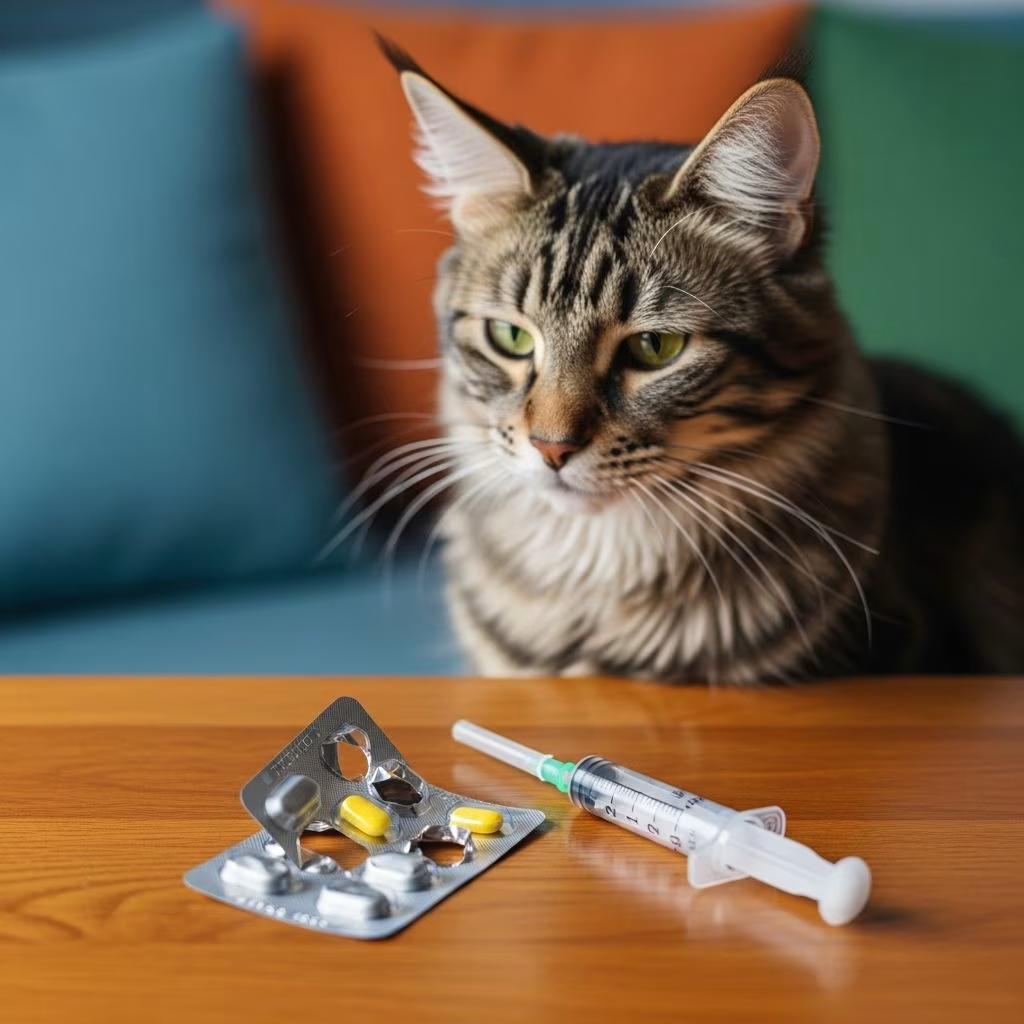
Administering human antibiotics to cats without veterinary supervision poses significant health risks due to differences in metabolism, dosage requirements, and potential toxicity. Veterinary-prescribed antibiotics tailored to feline physiology ensure effective treatment while minimizing harm.
Why Feline Physiology Matters in Medication Choices
Cats possess unique metabolic pathways that process drugs differently from humans, affecting how antibiotics are absorbed, distributed, and eliminated. For instance, certain fluoroquinolones like ciprofloxacin are poorly metabolized in cats, leading to reduced efficacy and heightened toxicity risks. Human doses, calibrated for larger body sizes, often exceed safe levels for cats, potentially causing organ damage or severe side effects.
Veterinarians evaluate factors such as the cat’s weight, age, kidney function, and the specific bacterial infection when selecting antibiotics. This precision prevents under-treatment, which allows infections to persist, or over-treatment, fostering antibiotic resistance—a growing global concern where bacteria evolve to withstand common drugs.
Common Human Antibiotics and Their Feline Compatibility
Some antibiotics overlap between human and veterinary medicine, but safety hinges on proper formulation and dosing. Below is a table summarizing key examples:
| Antibiotic | Human Use | Feline Use | Safety Notes |
|---|---|---|---|
| Amoxicillin | Broad-spectrum for respiratory, skin infections | Approved for UTIs, respiratory, skin issues | Safe at 10-22 mg/kg; avoid in penicillin-allergic cats |
| Amoxicillin-Clavulanate | Enhanced penicillin for resistant bacteria | Skin, dental infections | Vet-prescribed only; digestive side effects common |
| Clindamycin | Bone, dental infections | Similar uses in cats | Effective but monitor for vomiting |
| Cephalexin | Skin, urinary infections | Approved for cats | Low toxicity profile |
| Ciprofloxacin | Broad-spectrum | Not recommended | Poor metabolism in cats; use alternatives |
Amoxicillin stands out as one of the most frequently prescribed for cats, targeting gram-positive and some gram-negative bacteria by disrupting cell wall synthesis. The FDA approves it for feline upper respiratory, urinary tract, and skin infections, with dosages ranging from 10 mg/kg for gram-positive infections to 22 mg/kg for gram-negative ones, administered 2-3 times daily.
Dosage Differences: A Critical Distinction
Human antibiotic tablets, like 500mg amoxicillin, are dangerously excessive for cats, often leading to overdose symptoms such as vomiting, diarrhea, or neurological issues. Veterinary guidelines specify precise milligram-per-kilogram calculations: for urinary tract infections, 11-15 mg/kg every 8-12 hours for 3-5 days; for sepsis, up to 22-30 mg/kg every 8 hours. Self-dosing ignores these nuances, risking inefficacy or toxicity.
- Weight-based precision: A 5kg cat needs roughly 50-110mg amoxicillin per dose, far below human standards.
- Frequency adjustments: Cats may require more frequent dosing due to faster clearance rates.
- Duration limits: Overextending treatment promotes resistance without eradicating the infection.
Potential Risks and Side Effects
Inappropriate use amplifies side effects, which are typically mild under vet supervision but severe otherwise. Common issues include gastrointestinal upset (vomiting, diarrhea, appetite loss), accounting for most reactions. Allergic responses, though rare, manifest as facial swelling, hives, or anaphylaxis—especially in penicillin-sensitive cats.
Toxicity arises from drugs cats can’t efficiently excrete, damaging kidneys or liver. Persistent infections from wrong antibiotic choices exacerbate conditions, potentially requiring hospitalization. Long-term, misuse contributes to multidrug-resistant bacteria, complicating future treatments for pets and humans alike.
When Veterinary Antibiotics Differ from Human Ones
Not all feline antibiotics have human equivalents; some are vet-exclusive due to species-specific formulations. For example, certain combinations target anaerobic bacteria common in cat abscesses. Vets may use the ‘prescribing cascade,’ allowing human drugs only when vet options are unavailable, always with adjusted protocols. Pharmacies can sometimes fill vet prescriptions if generics match, but this requires confirmation.
Recognizing When Your Cat Needs Antibiotics
Not every illness warrants antibiotics—viral infections like feline calicivirus mimic bacterial ones but don’t respond. Symptoms signaling bacterial issues include fever, purulent discharge, lethargy, and localized swelling. Diagnostic tools like cytology, cultures, or bloodwork guide accurate prescribing, avoiding unnecessary use.
- Pus-filled wounds or abscesses from fights.
- Persistent sneezing with green discharge.
- Urinary straining with bloody urine.
Early vet visits prevent escalation; home remedies lack evidence against bacteria and delay proper care.
Alternatives for Penicillin-Sensitive Cats
For allergic cats, vets select beta-lactam alternatives like cephalosporins or non-related classes such as macrolides, sulfa drugs, or doxycycline. These target similar pathogens without cross-reactivity. Clindamycin suits dental or bone infections, while trimethoprim-sulfa addresses urinary issues.
Preventing the Need for Antibiotics
Proactive care reduces infection risks: maintain vaccinations, provide clean litter boxes, spay/neuter to curb fights, and schedule regular check-ups. Dental hygiene prevents oral bacteria buildup, a common antibiotic trigger.
Frequently Asked Questions
Can I give my cat leftover human amoxicillin?
No. Even if the drug matches, dosages and durations differ, risking overdose or treatment failure. Always seek a fresh vet prescription.
Are all human antibiotics toxic to cats?
Not all, but many are due to metabolic differences. Safe ones like amoxicillin require vet approval.
What if my cat vomits after an antibiotic dose?
Contact your vet immediately; it may indicate allergy, overdose, or intolerance. Never continue without advice.
How quickly do antibiotics work in cats?
Improvement often appears in 48-72 hours for responsive infections, but complete the course as prescribed.
Can antibiotics cause long-term harm?
Proper use rarely does, but misuse fosters resistance and disrupts gut flora, potentially leading to chronic issues.
Steps to Take if You Suspect an Infection
- Observe symptoms and isolate if contagious.
- Schedule a vet exam promptly.
- Provide a full medical history.
- Follow prescription exactly; report side effects.
- Finish the full course to prevent relapse.
Empowering cat owners with knowledge underscores that while some human antibiotics serve feline needs, professional guidance is non-negotiable for safety and efficacy.
References
- Can You Give Cats Human Antibiotics? — cats.com. 2023. https://cats.com/can-you-give-cats-human-antibiotics
- Antibiotics for Cats: What You Need to Know — Purina. 2024. https://www.purina.com/articles/cat/health/symptoms/antibiotics-for-cats
- Can You Give Cats Human Antibiotics — Pet Poison Helpline. 2023. https://www.petpoisonhelpline.com/pet-tips/can-you-give-cats-human-antibiotics/
- Amoxicillin for cats: Dosage and safety — SingleCare. 2024. https://www.singlecare.com/blog/amoxicillin-for-cats/
- Amoxicillin for Dogs and Cats — PetMD. 2024. https://www.petmd.com/pet-medication/amoxicillin-for-dogs-cats



