

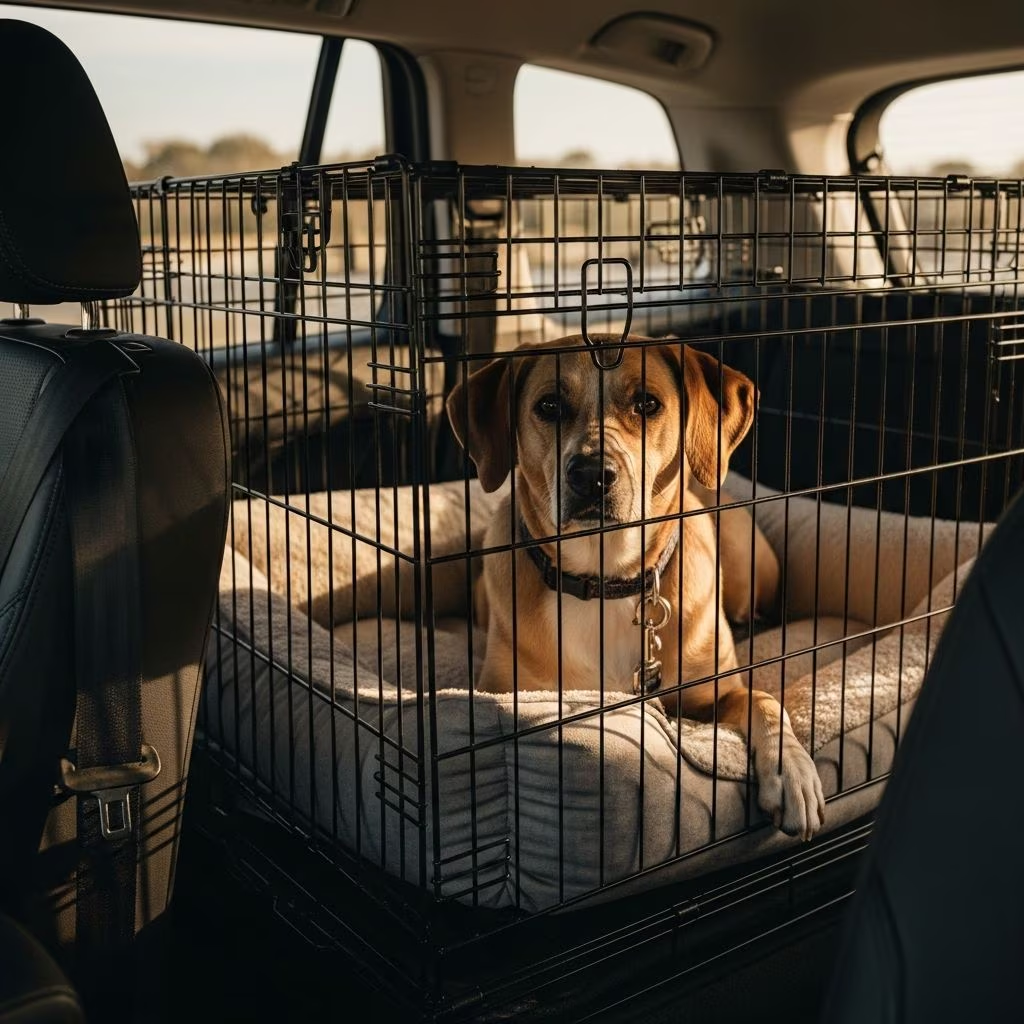
Car crate anxiety affects many dogs, turning road trips into stressful ordeals for both pet and owner. This comprehensive guide outlines effective training strategies to help your dog associate the car crate with safety and comfort, drawing from expert-recommended methods like desensitization, positive reinforcement, and environmental adjustments.
Understanding Car Crate Anxiety in Dogs
Dogs experience **car crate anxiety** when confined in a crate during vehicle travel, often manifesting as whining, panting, drooling, or attempts to escape. This stems from separation anxiety, motion sickness, unfamiliarity with the enclosed space, or past negative associations. According to veterinary behavior insights, proper crate sizing—allowing the dog to stand, turn, and lie down comfortably—is crucial to prevent escalation, as overly spacious crates can encourage unwanted behaviors like elimination.
Recognizing signs early is key: restlessness, excessive barking, or destructive pawing indicate distress. Addressing this builds emotional security, mimicking a den-like safe haven, which supports house training and reduces overall anxiety during travel.
Why Use a Crate in the Car?
Crating dogs in cars enhances **safety** by preventing distractions to drivers and protecting pets in accidents. The American Kennel Club emphasizes that secured crates reduce injury risk, while also aiding in preventing motion sickness through stability. For anxious dogs, a well-trained crate becomes a voluntary retreat, promoting calm during long journeys or vet visits.
- Safety: Restricts movement, avoiding dashboard interference.
- Comfort: Mimics natural denning instinct.
- Training Aid: Facilitates housebreaking and routine building.
Choosing the Right Crate for Car Travel
Select a crate suited to your dog’s size and the vehicle’s space. Wire crates offer ventilation but may rattle; solid-sided kennels provide security for anxious dogs. Ensure secure latching to thwart escape attempts and good airflow.
| Crate Type | Pros | Cons | Best For |
|---|---|---|---|
| Wire | Breathable, foldable | Noisy in cars | Short trips |
| Plastic Kennel | Quiet, secure | Bulkier | Anxious dogs |
| Fabric Soft Crate | Lightweight, portable | Less durable | Calm travelers |
Position the crate securely in the cargo area or backseat, facing forward for stability.
Step-by-Step Crate Training at Home
Begin training at home to build positive associations before car introduction.
- Introduce the Crate: Place it in a high-traffic area like the living room with the door open. Lure with treats or toys to encourage entry.
- Feed Inside: Serve meals in the crate to link it with positivity.
- Close the Door Briefly: Start with 1-5 minutes, praising calm behavior. Gradually extend to hours.
- Practice Alone Time: Step into another room, rewarding quietude to desensitize separation.
Consistency is vital—never use the crate for punishment, as this heightens fear.
Desensitization Techniques for Crate Anxiety
**Desensitization** gradually exposes your dog to the crate while countering anxiety with rewards. Start with short sessions: crate your dog, exit the room for seconds, return and treat if calm. Progress to minutes, then hours, proving your return is reliable.
For car-specific prep, practice with the car stationary: crate inside the parked vehicle, sit nearby, and offer praise. Vary routines to desensitize departure cues like keys jingling. This methodical approach, often spanning weeks, rewires fear responses into comfort.
Positive Reinforcement Methods
Use **positive reinforcement**—treats, praise, play—to reward desired behaviors. High-value treats near or inside the crate build eagerness. Speak in an upbeat tone and feed meals within it.
- Treat for voluntary entry.
- Praise settling calmly.
- Rotate rewards to maintain interest.
Avoid attention for whining; only reward silence to extinguish negative behaviors.
Making the Crate Comfortable and Appealing
Transform the crate into a cozy den: add crate pads, blankets scented with your smell (e.g., worn T-shirt), and fresh water.
**Crate Comfort Checklist:**
- Soft bedding for lounging.
- Familiar-scented items.
- Water bowl (spill-proof).
- Secure toys.
Good ventilation prevents overheating, essential for car use.
Using Toys and Enrichment for Distraction
**Interactive toys** combat boredom and anxiety via mental stimulation. Puzzle toys, treat dispensers, and lick mats (like Groov aids) promote calming licking.
- Puzzle feeders for problem-solving.
- Durable chews for stress relief.
- Scented plushies for comfort.
Test toys unsupervised for safety; consult vets for suitability. Rotate to sustain engagement.
Transitioning to Car Crate Training
Once home-trained, move to the car: short stationary sessions first, then engine on, brief drives. Pair with treats and calm presence. Gradually increase duration, incorporating stops for relief. Use calming aids like DAP sprays if needed.
Monitor for motion sickness: fasted short trips help, with vet-approved meds for severe cases.
Common Mistakes to Avoid
- Rushing training: Patience prevents setbacks.
- Using as punishment: Erodes trust.
- Inadequate size: Too big fosters mess; too small causes discomfort.
- Ignoring signals: Restart if panic arises.
Advanced Tips for Severe Anxiety
For persistent cases, combine with counter-conditioning: pair crate time with relaxation (e.g., classical music). Professional trainers or board-and-train programs aid rescues. Heavy-duty crates may resolve travel-specific fears.
Frequently Asked Questions (FAQs)
Q: How long does crate training take?
A: Typically 2-6 weeks with daily practice, varying by dog age and temperament. Puppies adapt faster than anxious adults.
Q: What if my dog cries in the crate?
A: Ignore briefly if safe; return calmly without fanfare. Reward quiet moments only.
Q: Can crate training help separation anxiety?
A: Yes, desensitization builds independence, transferable to alone time.
Q: Is crating safe for car travel?
A: Absolutely, when secured properly; it protects in crashes better than loose restraint.
Q: What toys are best for crate anxiety?
A: Lick mats, Kongs with treats, and puzzle toys for safe, unsupervised distraction.
Final Thoughts on Safe Car Travels
Consistent training turns car crate anxiety into confident travel. Patience, positivity, and proper setup yield a happy, secure dog ready for adventures. Monitor progress and adjust as needed for long-term success.
References
- Dog Crate Anxiety: 8 Ways To Reduce Anxiety — Diggs Pet. 2023. https://www.diggs.pet/blogs/posts/dog-crate-anxiety
- Crate Training 101: How to Make It a Safe & Happy Space — K9s Place. 2024. https://k9splace.com/blog/guides/crate-train-puppy/
- How to Crate Train Your Dog for a Stress-Free Experience — Coastal Pet. 2023. https://www.coastalpet.com/blog/how-to-crate-train-your-dog-for-a-stress-free-experience/
- Dog Separation Anxiety Training — Bark Busters. 2024. https://www.barkbusters.com/dog-behaviors/separation-anxiety
- Dogs Riding Safely and Calmly in Cars — Whole Dog Journal. 2023-10-01. https://www.whole-dog-journal.com/training/dogs-riding-safely-and-calmly-in-cars/



