

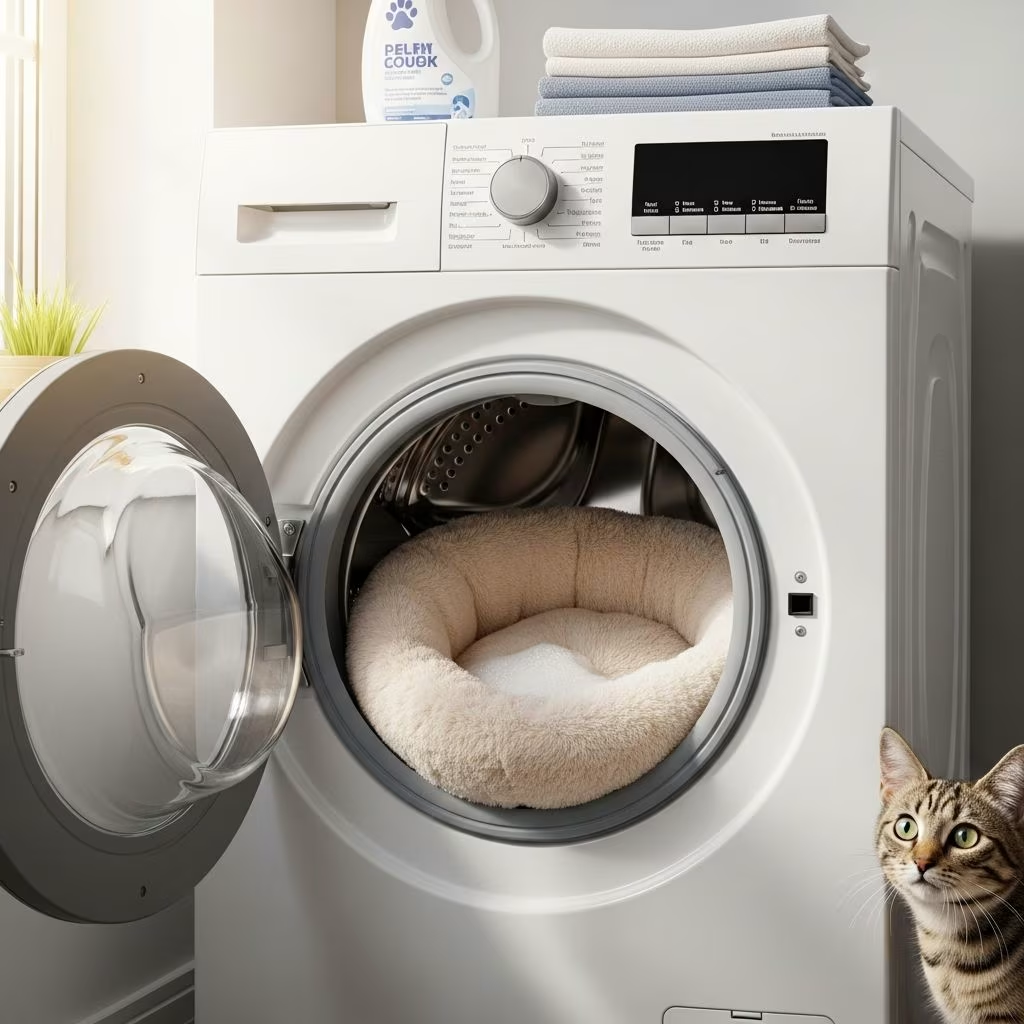
Keeping your cat’s bed clean is essential for their health and comfort. Cat beds accumulate fur, dander, dirt, odors, and sometimes stains from accidents, making regular washing a key part of pet care. A fresh bed prevents allergies, skin issues, and bacterial growth while ensuring your feline has a cozy spot to relax. This guide covers everything from preparation to drying, with tips for different bed types and frequent questions.
Why You Should Wash Your Cat’s Bed Regularly
Cat beds harbor pet hair, dust mites, allergens, and bacteria that can irritate your cat’s sensitive skin or respiratory system. Regular cleaning removes these contaminants, reducing the risk of fleas, infections, or unpleasant smells. Experts recommend washing every 1-4 weeks, depending on your cat’s habits and shedding. Neglecting this can lead to your cat avoiding the bed or developing health issues. Proper washing extends the bed’s life, maintaining its shape and fluffiness for better support.
Besides health benefits, a clean bed keeps your home fresher. Cats groom obsessively, transferring oils and dirt to fabrics. Washing eliminates built-up grime, preventing odors from spreading. Use pet-safe methods to avoid chemical sensitivities, as cats have a keen sense of smell and can be deterred by harsh scents.
How Often Should You Wash Your Cat’s Bed?
The frequency depends on factors like your cat’s age, health, and lifestyle. For indoor cats with light shedding, wash every 2-4 weeks. High-shedders, multi-cat homes, or outdoor cats need weekly cleaning. Signs it’s time include visible fur clumps, lingering odors, stains, or if your cat starts sleeping elsewhere. Between full washes, spot-clean and vacuum weekly to manage buildup.
- Weekly: Vacuum and sprinkle baking soda for odors in heavy-use beds.
- Bi-weekly: Full shake-out and lint rolling for average cats.
- Monthly: Deep wash for low-maintenance setups.
Adjust based on seasons—shedding increases in spring and fall, demanding more frequent care.
Supplies You’ll Need to Wash a Cat Bed
Gather these items before starting for an efficient process:
- Vacuum cleaner with upholstery attachment
- Lint roller or pet hair remover
- Baking soda for odors
- Pet-safe, unscented detergent (dye-free)
- White vinegar for stains and smells
- Enzymatic pet stain remover
- Soft brush or rubber glove for hair removal
- Washing machine or large tub for hand washing
- Dryer (low heat) or drying rack/sunlight
- Gloves for messy spots
Choose hypoallergenic products to protect your cat’s skin and avoid deterring scents.
Preparation: How to Prep Your Cat’s Bed for Washing
Preparation removes loose debris, preventing clogs in your washer or drain. Start outdoors to avoid spreading hair indoors.
- Remove your cat: Ensure they’re away so they don’t reclaim the bed mid-process.
- Shake vigorously: Take outside and shake to dislodge dirt, sand, and hair.
- Vacuum thoroughly: Use an upholstery tool on covers and crevices for embedded fur.
- Lint roll or brush: Roll over surfaces; use a damp rubber glove for stubborn hair—it grabs like static.
- Baking soda treatment: Sprinkle liberally, wait 15-60 minutes, then vacuum for odor neutralization.
- Check tags: Confirm machine-washable; note temperature and cycle instructions.
For non-removable covers, turn inside-out. This step cuts washing time and improves results.
Treating Stains and Odors Before Washing
Pre-treat to break down proteins in urine, vomit, or blood stains that regular detergent misses.
- Urine stains: Blot excess, apply enzymatic cleaner, let sit 15 minutes, blot again.
- Odors: Spray diluted white vinegar (1:1 water), or sprinkle baking soda overnight.
- Blood or vomit: Cold water rinse first, then vinegar-baking soda paste; scrub gently.
- General dirt: Pet-safe spot remover, brush in, wait 20 minutes.
Always test cleaners on a hidden spot. Rinse pre-treated areas before full washing.
Machine Washing Your Cat’s Bed: Step-by-Step
For machine-safe beds, separate cover from foam if possible. Wash alone to avoid lint transfer.
| Component | Water Temp | Cycle | Additives |
|---|---|---|---|
| Cover | Hot | Normal/Heavy, 1-2 cycles | Unscented detergent, 1 cup vinegar |
| Foam/Mattress | Warm/Cold | Gentle, 1-2 cycles | Vinegar only, no soap if delicate |
- Load cover alone; use pet-safe detergent.
- Add vinegar to rinse cycle for odors.
- Run extra rinse if heavily soiled.
- For foam: If too large, soak in tub with vinegar water, agitate, rinse thoroughly.
Avoid bleach, fabric softeners with scents, or hot water on foam to prevent shrinkage.
Hand Washing a Cat Bed
Ideal for non-machine-safe or heated beds. Use a bathtub or large sink.
- Fill with cold water and mild detergent.
- Submerge, agitate gently 10-15 minutes.
- Drain, refill, rinse until soap-free; use hair trap.
- Press out water—don’t wring to preserve shape.
- Repeat for stains.
For memory foam, spot-clean only with damp cloth and detergent; air dry fully.
Drying Your Cat’s Bed Properly
Proper drying prevents mildew and restores loft.
- Cover: Tumble dry low 10-20 minutes to fluff and remove residual hair; empty lint trap twice. Air dry preferred.
- Foam: Air dry flat in sun—UV kills bacteria. Avoid dryer to prevent breakdown. Takes 24-48 hours.
- Tips: Reshape while damp; sun-dry for natural deodorizing. Ensure bone-dry before reassembling.
Never use dryer sheets—they leave residue cats dislike.
Cleaning the Area Around the Bed
Spotless surroundings prevent re-soiling. Vacuum floor, wipe surfaces with pet-safe cleaner. Wash nearby blankets or toys. This breaks the dirt cycle.
Tips for Specific Types of Cat Beds
- Memory foam: Spot clean; air dry. Never submerge.
- Heated beds: Remove electronics; hand wash cover.
- Outdoor/waterproof: Hose off, wipe with soapy towel, air dry.
- Tent-style: Turn inside-out, gentle cycle cold.
Frequently Asked Questions
Can I put a cat bed in the dryer?
Yes, covers on low heat briefly; foam must air dry to avoid damage.
What if my cat bed isn’t machine washable?
Hand wash in cold soapy water or spot clean with enzymatic solutions.
How do I get cat hair out of the washing machine?
Run empty hot cycle with vinegar; clean filter and lint trap.
Can I use bleach on cat bed stains?
No, it damages fabrics and irritates cats. Use enzymatic cleaners instead.
How long does it take to dry a cat bed?
Covers: 2-4 hours dry low. Foam: 1-2 days air drying.
References
- Pet Care Cleaning Guidelines — American Cleaning Institute (via Ask Team Clean). 2023-05-15. https://www.askteamclean.com/us/en/personalcare/how-to-wash-a-cat-bed.html
- Pet Bed Maintenance Standards — ASPCA Pet Health Resources. 2024-02-10. https://www.aspca.org/pet-care/general-pet-care/pet-bed-cleaning
- Veterinary Hygiene Recommendations for Pets — AVMA (American Veterinary Medical Association). 2025-01-01. https://www.avma.org/resources-tools/pet-owners/petcare/cleaning-pet-bedding
- Fabric Care for Pet Products — ASTM International (Standards Body). 2022-11-20. https://www.astm.org/standards-pet-textiles
- Allergen Control in Homes with Pets — CDC (Centers for Disease Control). 2024-08-05. https://www.cdc.gov/healthy-pets/pets/cats.html



