

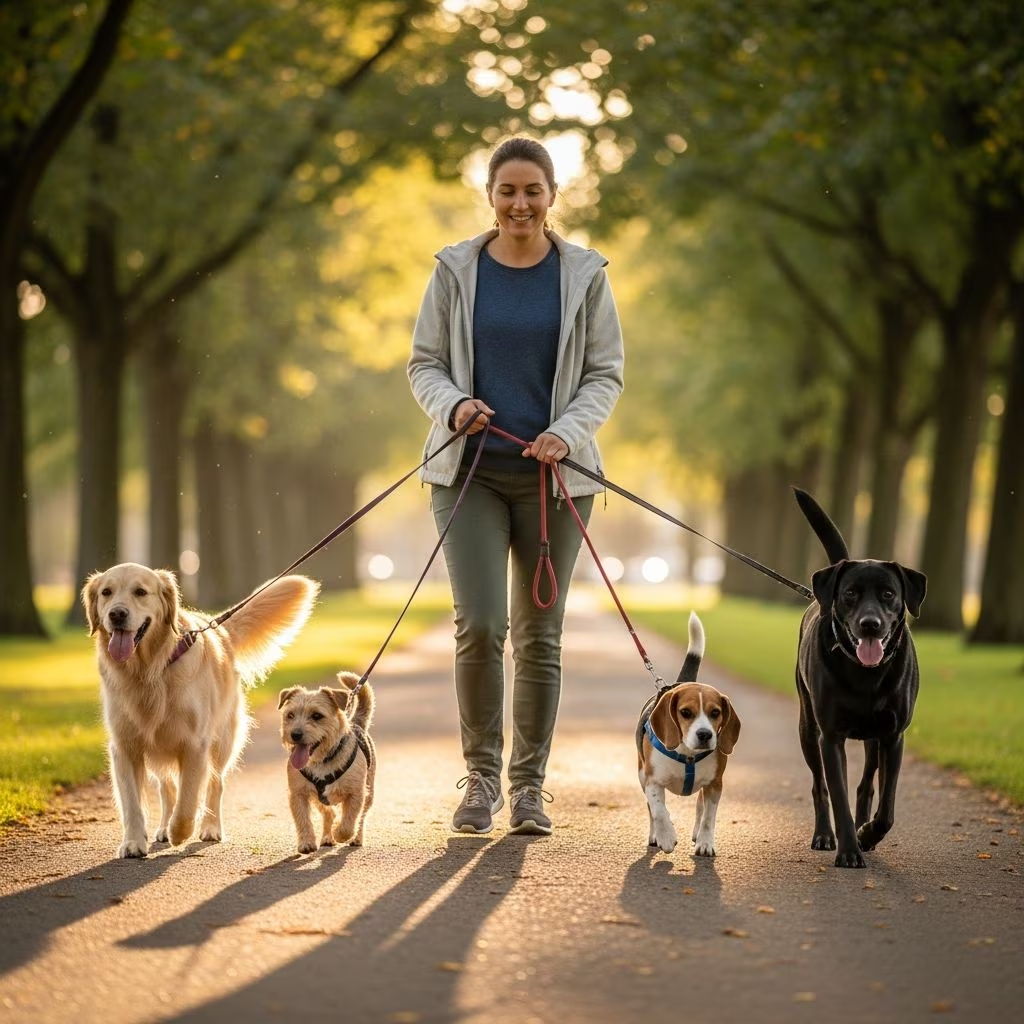
How to Walk Multiple Dogs Without Losing Your Cool
Walking multiple dogs can feel overwhelming, but with the right approach and consistent training, it becomes an enjoyable experience for both you and your canine companions. The key to success lies in preparation, understanding your dogs’ individual needs, and implementing proven training techniques. Whether you’re managing two dogs or a full pack, this comprehensive guide will help you maintain composure while keeping your dogs safe, engaged, and well-behaved on every walk.
Start With Individual Training
Before attempting to walk multiple dogs together, each dog must master loose leash walking on their own. This is the foundation of multi-dog walking success. When a dog pulls, lunges, or displays reactive behavior, managing multiple dogs becomes exponentially more difficult. Dedicate time to training each dog individually until they demonstrate consistent, reliable loose leash walking skills.
Focus on teaching your dogs to walk calmly beside you without pulling. Use positive reinforcement techniques, rewarding them when the leash remains slack and they maintain position at your side. This individual training builds the confidence and skills necessary for successful multi-dog outings. Even if just one of your dogs is an excellent loose leash walker, you’ll be in much better shape than if both have mediocre skills, as the well-trained dog can serve as a positive influence on the other.
Understand Your Dogs’ Energy Levels
Different dogs have vastly different energy requirements and temperaments. Before taking your dogs on a multi-dog walk, assess their individual energy levels and what activities help drain that energy most effectively. Some dogs need vigorous exercise like running or fetch before they can settle into a calm multi-dog walk, while others may simply need a quick play session.
Walking when your dogs are slightly hungry can also significantly improve focus and cooperation. Consider feeding them only half their breakfast and carrying their kibble mixed with high-value treats as walk rewards. This strategy keeps them motivated and engaged throughout the outing. Understanding these individual needs allows you to set your dogs up for success by getting them into the right mental and physical state before the walk begins.
Master Leash Management Techniques
Holding two leashes requires a different skill set than managing a single dog. Proper leash management is crucial for maintaining control and preventing tangling, pulling, or dangerous situations.
The Two-Leash Hold
Hold approximately 18 to 24 inches of slack on both leashes, keeping the same amount of slack for each dog. This allows you to manage each dog independently while maintaining overall control. The slack in the leash is essential for proper corrections—you should give a pop or correction from a slack leash to a loose leash, never from a tight leash, as a tight leash indicates a loss of control.
Individual Corrections
With proper leash pressure and slack, you can correct just one dog without affecting the other. If one dog starts pulling ahead while the other walks calmly, a gentle correction on that specific leash brings the dog back into position without disrupting the well-behaved dog. This precision prevents frustration and helps each dog understand their individual boundaries during the walk.
Equipment Considerations
Consider using individual Calming Cords or similar devices that attach to a single leash clip. This setup allows both dogs to wear their own collar or harness with their own cord, while you control both through one connection point. Some handlers prefer walking dogs side by side with the dogs on the outer positions and the handler in the middle, which provides better balance and control.
Teach Essential Cues and Commands
Establish clear communication with your dogs through specific cues that guide their behavior during walks. Consistency in using the same verbal commands helps your dogs understand what you expect.
Core Walking Cues
Train your dogs to respond reliably to essential cues such as “with me,” “side,” and “close.” These commands indicate desired positioning and help you guide your dogs through various situations. Use these cues consistently to reinforce expectations about where they should be positioned relative to you.
Sniff Breaks and “Pee Mail”
Allow designated sniff breaks during walks by releasing your dogs to explore and investigate their surroundings—what experienced dog handlers call “pee mail.” Designate specific areas where sniffing is permitted, then redirect your dogs back to focused walking mode using your established cues. This balance provides mental stimulation and enrichment while maintaining your role as the walk leader.
Individual Name Usage
Use each dog’s name strategically when walking multiple dogs. When you need to get a specific dog’s attention or redirect behavior, call that dog’s name clearly. This helps each dog understand they’re being addressed individually and prevents confusion when managing their different behaviors during the walk.
Build Focus and Engagement
Maintaining your dogs’ focus on you throughout the walk ensures safer, more enjoyable outings. Dogs that constantly check in with you are less likely to react to distractions or engage in problematic behaviors.
Creating a Reinforcement Zone
Build strong value for walking at your side by establishing a “reinforcement zone”—the area directly beside you where good things happen. Reward your dogs generously when they choose to stay in this zone, using high-value treats or verbal praise. This positive association encourages them to seek out and maintain position near you throughout the walk.
Paw Targets for Foundation Building
Teaching paw targets (where dogs place their paws on specific spots) creates excellent foundations for multi-dog walking. Dogs learn to find and maintain specific positions, which translates to better positioning during walks. Start with stationary targets, then progress to moving targets to build your dogs’ understanding and adaptability.
Testing Understanding
Regularly test your dogs’ comprehension of the reinforcement zone and desired positions. Set up scenarios where they must demonstrate they understand where to walk and how to maintain focus. This testing identifies areas needing additional training and confirms your dogs are ready for more complex situations.
Manage Distractions Gradually
Not all dogs are born understanding how to walk calmly past other dogs, cats, squirrels, and other neighborhood stimuli. Successful multi-dog walking requires a gradual approach to adding environmental distractions.
Start with minimal distractions and slowly increase complexity as your dogs demonstrate mastery. If your dogs struggle with a particular distraction, slow your pace and practice more in controlled environments before returning to challenging situations. The goal is to build their confidence and focus gradually, not overwhelm them with too many stimuli at once. If you find yourself struggling, it often indicates insufficient individual training—take a step back and reinforce the basics with each dog before progressing.
Transitions and Turns
Smooth transitions and turns during walks prevent tangling and maintain focus. Teach your dogs to execute clean left-to-right transitions where they smoothly shift positions without the leashes crossing or tangling.
Practice teaching your dogs to navigate around obstacles like garbage cans or parked cars. These exercises build their understanding of spatial awareness and your expectations for positioning. Start with stationary obstacles, then add movement to your walks as your dogs improve. Consistent practice with turns and transitions creates fluid, controlled walks where your dogs understand their positioning at all times.
Set Boundaries Before You Leave
The tone for your entire walk is set at your front door. If your dogs pull you out the door in an excited frenzy, you’ve already lost control before the walk begins. Train your dogs to remain calm and wait for permission before exiting your home.
Establish that sitting calmly at the door or remaining behind a threshold until you give permission is the only way to proceed on a walk. This sets the expectation that you lead the walk, not your dogs. This boundary-setting makes every subsequent moment of the walk easier and more manageable.
Start Small and Build Gradually
Your first multi-dog walks may only extend up and down your block, and that’s perfectly acceptable. It takes time to build your dogs’ skills, focus, and ability to work together. Resist the urge to take long walks immediately; instead, keep early multi-dog walks short and sweet.
Continue taking individual walks with each dog during this transition period, especially if walks are their primary form of exercise. Individual walks provide essential one-on-one attention and allow you to maintain each dog’s fitness level while building multi-dog walking skills. Gradually increase walk duration as your dogs demonstrate better focus and cooperation.
Consistency Is Essential
Dogs learn through repetition and consistent practice. You won’t see success if you only occasionally walk your dogs together. Commit to regular multi-dog walks, understanding that setbacks and challenges are normal parts of the learning process.
Two steps forward and one step back is still progress. If you encounter difficulties, revisit the basics rather than abandoning the effort. With persistence and consistent practice, your dogs will develop the skills and habits needed for calm, enjoyable multi-dog walks. Your patience and dedication during the training phase pays dividends in years of pleasant outdoor experiences with your pack.
Recruit Help When Needed
If you’re struggling with a particularly challenging dog or combination of dogs, don’t hesitate to recruit assistance. Having a friend or family member serve as a secondary walker for one dog can make the transition smoother and safer for everyone involved.
A secondary walker can hold the extra leash for support initially, then gradually decrease their involvement as the dogs learn to walk calmly together. This staged approach helps dogs transition from individual walking to multi-dog walking without overwhelming either the handler or the dogs. Working with a professional dog trainer or behaviorist can also provide personalized guidance specific to your dogs’ unique needs and challenges.
Frequently Asked Questions
Q: At what age can puppies start learning to walk on a leash with other dogs?
A: Puppies can begin basic leash training around 8-12 weeks of age. However, they should master individual loose leash walking before attempting multi-dog walks. Generally, wait until puppies are at least 6 months old and demonstrating reliable leash manners before introducing multi-dog walking scenarios.
Q: What’s the best leash setup for walking two dogs?
A: Popular options include using two separate leashes held in each hand, dual-leash systems that attach to a single clip, or Calming Cords on each dog’s collar or harness. The best setup depends on your dogs’ sizes, your comfort level, and your dogs’ training level. Experiment to find what works best for your specific situation.
Q: How long does it take to successfully walk multiple dogs together?
A: Timeline varies based on each dog’s individual skills and your experience. With consistent training, most dogs can be ready for multi-dog walks within 2-4 weeks. However, mastering advanced skills and handling complex distractions may take several months of regular practice.
Q: Should I walk my dogs at the same time or separately?
A: The ideal approach combines both. Continue individual walks while gradually introducing multi-dog walks. Individual walks provide essential one-on-one attention and allow you to address each dog’s specific needs, while multi-dog walks build their ability to cooperate and focus alongside pack mates.
Q: What should I do if one dog is significantly better trained than the other?
A: Having one well-trained dog is advantageous. Start by using the better-trained dog as a model, allowing the less-trained dog to observe and mirror good behavior. The calm influence of the experienced dog often helps the newer dog settle into appropriate behavior patterns.
Q: How can I prevent my dogs from tangling their leashes during walks?
A: Maintain consistent slack in both leashes, teach smooth transitions and turns through practice, and keep your dogs’ positions predictable by consistently using positioning cues. Practice navigating obstacles and making turns during shorter, controlled walks before advancing to busier environments.
References
- How To Walk Multiple Dogs: Step-by-Step Guide To Stress-Free Walks — dogsthat.com. 2024. https://dogsthat.com/podcast/282/
- Outnumbered: tips for walking two dogs at the same time — The Sniff. 2024. https://www.thesniff.com/walking-2-dogs/
- Walking Two Dogs at Once With Ease — The Well Heeled Way. 2024. https://www.thewellheeledway.com/walking-two-dogs-at-once-with-ease/
- The SECRET to Walking Multiple Dogs AT THE SAME TIME — Tom Davis Dog Training. 2024. https://www.youtube.com/watch?v=Iox0ams4JPs
- How to Train Several Dogs in One Household — CIDBT (Canine & Feline Behaviour & Training). 2024. https://cidbt.org.uk/how-to-train-several-dogs-in-one-household-2/
- Multi-Dog Households – Training Tips — Oscar & Hooch. 2024. https://www.oscarandhooch.com/blog/training-tips-for-multi-dog-households/



